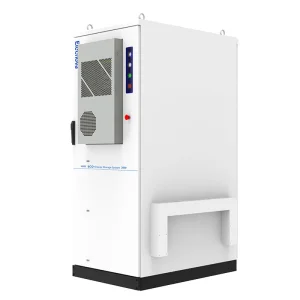
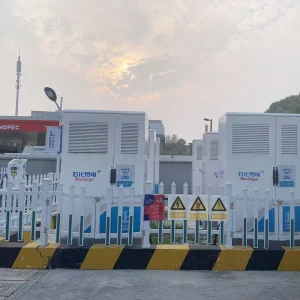
Engineered for compliance and operational efficiency under the Baltic climate conditions.
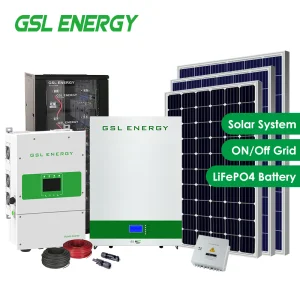
Analyzing Latvia's shift to synchronization with Continental European Grids and localized storage requirements.
Latvia, alongside the neighboring Baltic states of Estonia and Lithuania, is experiencing one of the most critical transitions in its modern utility history: the decoupling from the Russian-controlled IPS/UPS (BRELL) network to achieve complete synchronization with the Continental European Grid by early 2025. This historic geopolitical shift drastically increases the volatility of frequency and voltage metrics across the Latvian grid operated by Augstsprieguma tīkls (AST). Industrial operators, power producers, and distribution system operators (DSOs) like Sadales tīkls must proactively deploy large-scale Battery Energy Storage Systems (BESS) to ensure system resilience and security.
Following the BRELL desynchronization, Baltic utilities must maintain localized frequency stabilization reservoirs. Containerized LFP energy storage systems act as immediate active power injection units, participating in secondary and tertiary frequency reserve markets.
Latvian winters demand specialized energy systems. Traditional designs suffer capacity loss below 0°C. Modern systems require integrated thermal management systems, insulated cabinet designs, and advanced chemistry variants like LTO or heating-jacket LFP cells.
Latvia's National Energy and Climate Plan (NECP 2021-2030) sets aggressive goals for wind and solar capacity integration. However, wind farms in Liepāja and solar arrays in Latgale encounter systemic curtailments due to grid congestion. Implementing localized industrial BESS allows clean-energy producers to buffer generation peaks and dispatch electricity to the Nord Pool power market when pricing peaks.
How Symbion Energy mitigates the physical and electrochemical challenges of low-temperature energy storage.
Lithium Iron Phosphate (LiFePO4) remains the industry gold standard for C&I applications due to its high round-trip efficiency (RTE > 92%) and thermal stability. However, at sub-zero temperatures, the internal resistance of LFP cells surges due to decreased lithium-ion diffusion rates in the electrolyte. For extreme operations in northern Latvia, Symbion Energy integrates two main solutions:
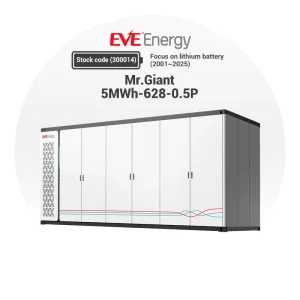
To maintain thermodynamic equilibrium across high-capacity utility storage installations (such as the Eve 5MWh Liquid Cooling BESS), advanced liquid cooling architectures utilize a glycol-water mixture routed directly through thermal interface plates bonded to the cell clusters. This structure ensures internal cell-to-cell temperature deviation remains below 2°C, directly extending battery lifetime by up to 20% compared to standard air-cooled designs.
Cycles @ 80% DOD (LFP)
Cell Temp Variation
Min LTO Operating Temp
System Round-trip Efficiency
Customized architectures designed for peak shaving, virtual power plant integration, and microgrids.
Latvian industrial electricity tariffs include high capacity-based distribution charges from Sadales tīkls. BESS reduces connection fees by discharging energy during peak times, shaving the facility's max-demand threshold.
For manufacturing plants in Riga or Jelgava, matching rooftop solar output with variable shifts requires active buffering. Our systems offer real-time power blending to maximize self-consumption ratios up to 90%.
As Latvia expands its electric vehicle transport network along the TEN-T routes, local grids struggle with instantaneous high-power demands. Buffer storage systems mitigate voltage sags and support ultra-fast DC charging.
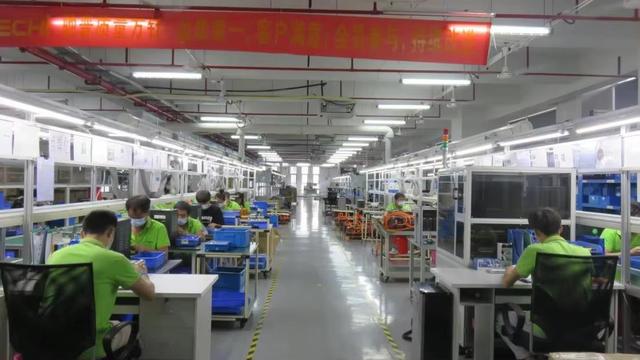
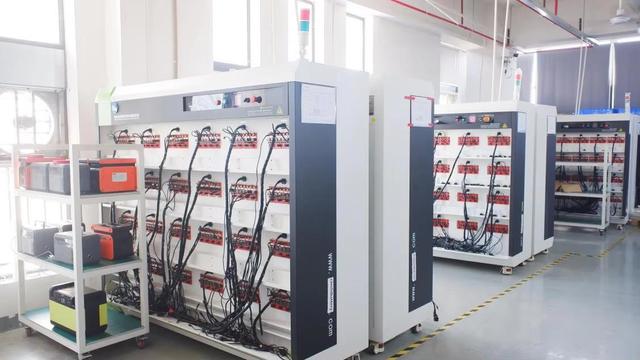
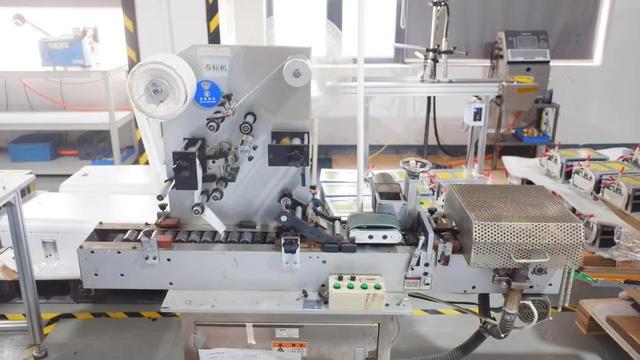
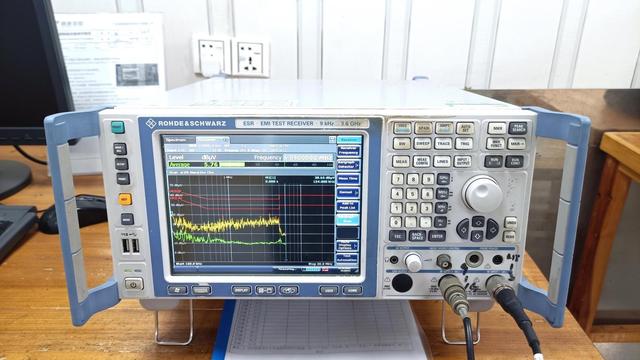
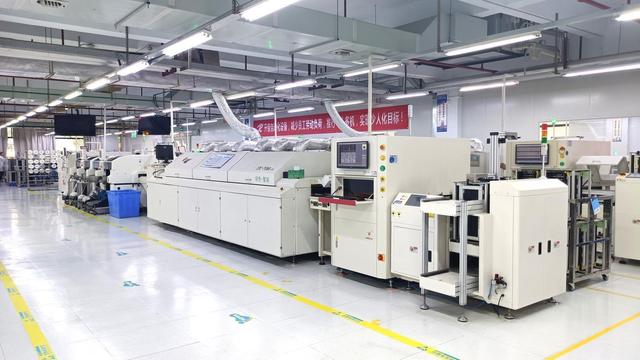
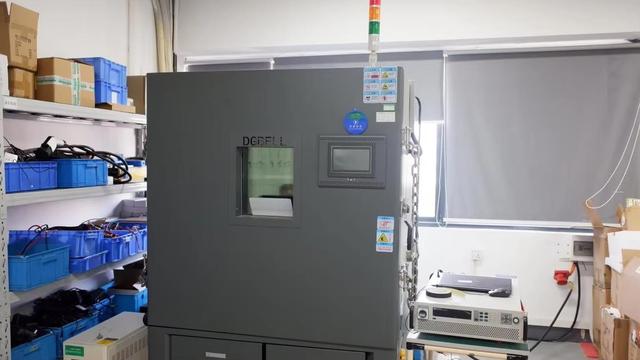
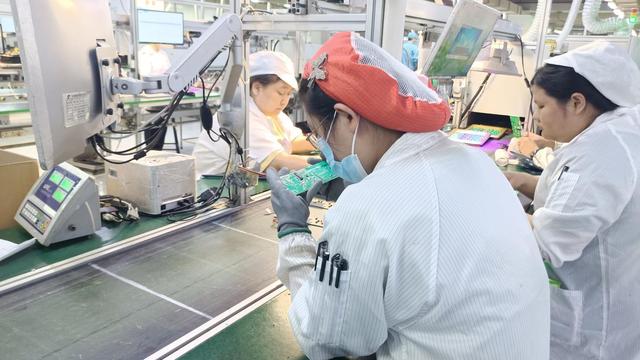
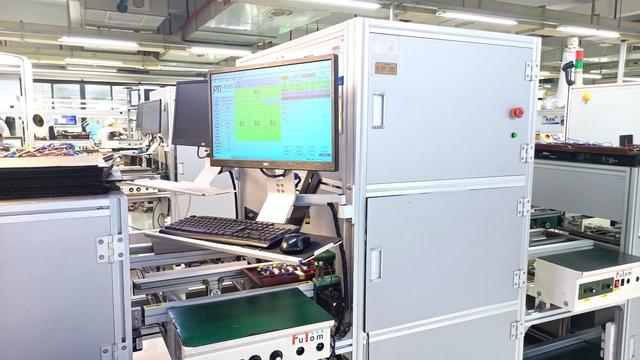
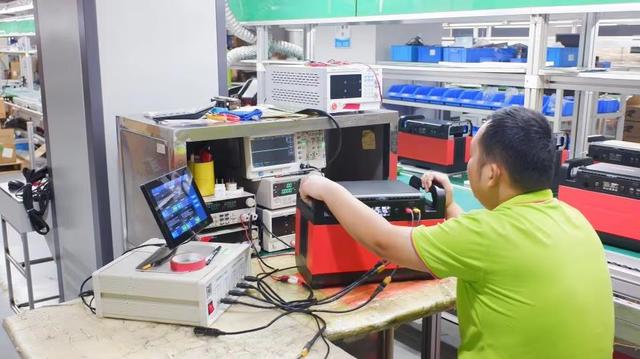
Discover our capabilities in scale, customization, and quality control at our central assembly plant.
Hangzhou Symbion Energy Co., Ltd. is a professional manufacturer specializing in Battery Energy Storage Systems (BESS), microgrid solutions, and smart energy management technologies for commercial, industrial, and utility-scale applications. Established in 2014 and located in Hangzhou, Zhejiang Province, China, the company is dedicated to supporting the global transition toward cleaner, more reliable, and more efficient energy infrastructure. With a manufacturing facility covering over 20,000 square meters and a workforce of more than 280 employees, Symbion Energy provides advanced energy storage solutions to customers worldwide.
The company's product portfolio includes industrial battery energy storage systems, containerized BESS solutions, commercial energy storage systems, renewable energy storage systems, microgrid energy storage platforms, backup power systems, distributed energy storage solutions, and intelligent energy management systems. These products are widely used in renewable energy integration, peak shaving, load shifting, grid support, emergency backup power, electric vehicle charging infrastructure, and industrial energy optimization projects.
Symbion Energy operates modern production lines, battery integration workshops, and comprehensive testing laboratories to ensure high standards of safety, reliability, and performance. The company follows strict quality control procedures throughout design, manufacturing, system integration, and final testing. Its engineering team continuously develops innovative solutions that help customers improve energy efficiency, reduce operational costs, and enhance power resilience.
In addition to standard products, Symbion Energy offers OEM and ODM services for global partners, including customized battery storage systems, enclosure design, software integration, branding, and project-specific energy solutions. Through ongoing investment in technology, innovation, and customer support, Hangzhou Symbion Energy Co., Ltd. has become a trusted partner for energy developers, utilities, EPC contractors, and industrial customers seeking dependable battery energy storage and smart energy management solutions.
Our manufacturing line integrates rigorous automated quality checks at the cell-level sorting phase. We maintain strong partnerships with tier-1 battery cell providers (such as EVE Energy). This ensures that every system shipped to Latvia complies with European Union grid requirements and security codes, including:
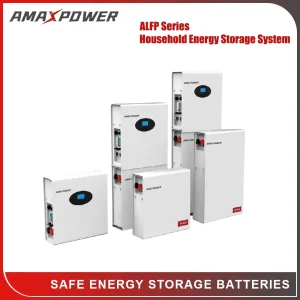
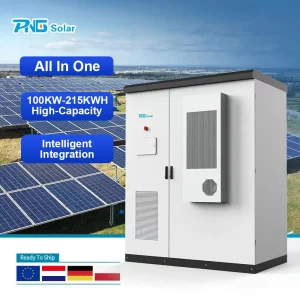
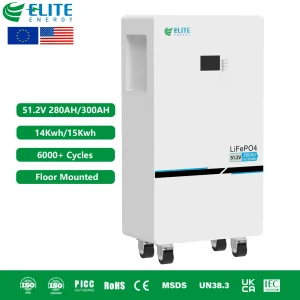
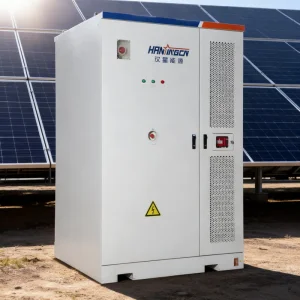
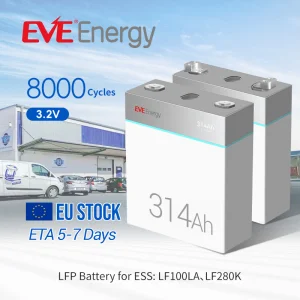
Browse our comprehensive range of high-efficiency systems optimized for Baltic utility applications and homes.
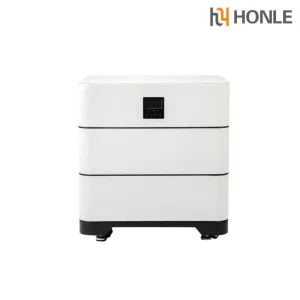
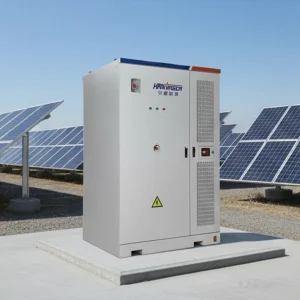
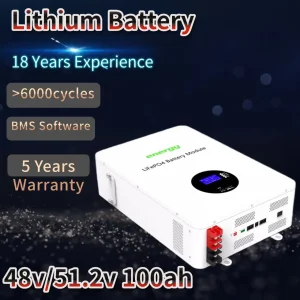
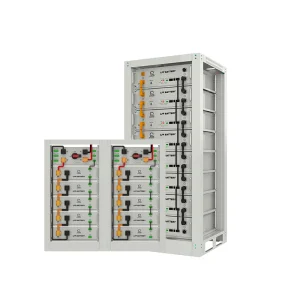
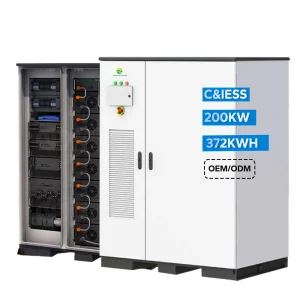
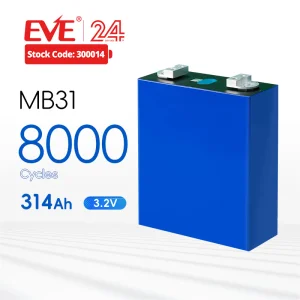
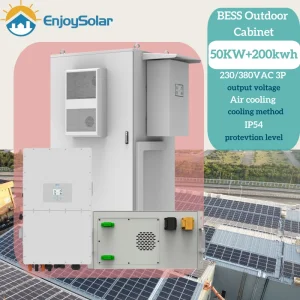
A structured approach for Baltic engineers, site operators, and utilities to spec out BESS parameters.
Selecting an industrial BESS requires detailed verification of active thermal management, electrical topologies, and software parameters. For commercial operators in the Baltic region, we advise evaluating the following metrics prior to making an investment decision:
LCOS represents the cost per megawatt-hour of electricity discharged over the system lifetime. It depends directly on round-trip efficiency (RTE), cycle life, depth of discharge (DOD), and maintenance variables. Our containerized solutions implement high-purity LFP chemistry to maintain an RTE above 92%, resulting in competitive LCOS values across a standard 10-year operating life.
Safety is paramount for projects located close to urban centers (such as Riga and Daugavpils). Symbion Energy BESS cabinets integrate clean-agent gas suppression (FM200 or Novec 1230) and multi-point gas detection systems monitoring carbon monoxide (CO) and hydrogen gas presence. These systems prevent propagation by isolating modules before thermal runaway develops.
Modern installations must integrate with central grid monitoring software. The internal Energy Management System (EMS) of our BESS units communicates natively over Modbus TCP/IP, CAN, and IEC 60870-5-104 protocols. This ensures your technical teams can run remote operations and control power dispatch seamlessly.
Essential technical clarifications for implementing energy storage projects in Latvia.
Inside our ISO 9001, ISO 14001, and ISO 45001 certified Chinese production plant.
 Symbion Energy