The global transition toward decentralized energy is no longer a futuristic concept but a present-day industrial imperative. As a leading Renewable Energy Storage System Manufacturer, we recognize that the integration of intermittent energy sources like solar and wind requires robust, high-capacity buffering systems. In 2024, the C&I sector is seeing an unprecedented surge in Battery Energy Storage System (BESS) deployments, driven by the dual goals of decarbonization and operational cost reduction.
From the grid-scale frequency regulation in Europe to microgrid resilience in Southeast Asia, renewable energy storage serves as the backbone of modern infrastructure. For exporters, the challenge lies in navigating varying regulatory standards—such as UL 1973, IEC 62619, and CE certifications—while maintaining the highest standards of safety and energy density. Our role as a global exporter involves not just shipping hardware, but providing a technical bridge between diverse grid requirements and standardized high-performance lithium technology.
China has positioned itself as the heart of the global battery supply chain. At Hangzhou Symbion Energy, we leverage the unique industrial ecosystem of Zhejiang Province to deliver competitive advantages to our international partners. But "Made in China" today signifies more than just cost-efficiency; it represents technological leadership in thermal management and battery management systems (BMS).
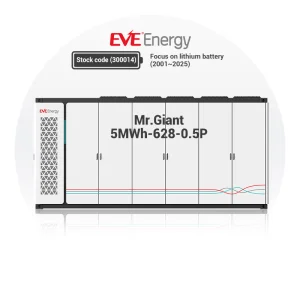
Proximity to the world's leading lithium-ion cell manufacturers (like CATL and EVE) allows us to integrate the latest cell technology—such as 628Ah ultra-high capacity cells—faster than any other global hub.
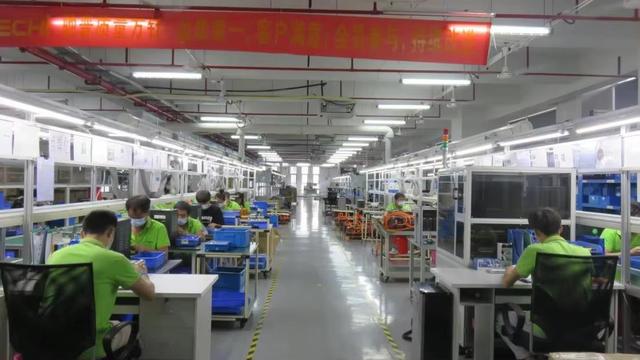
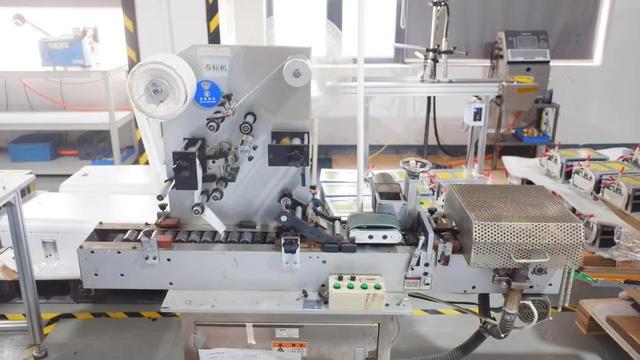
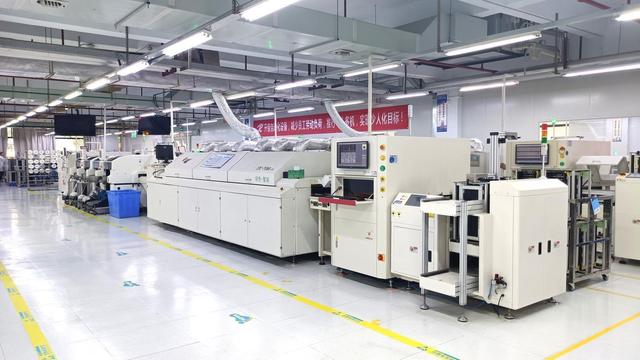
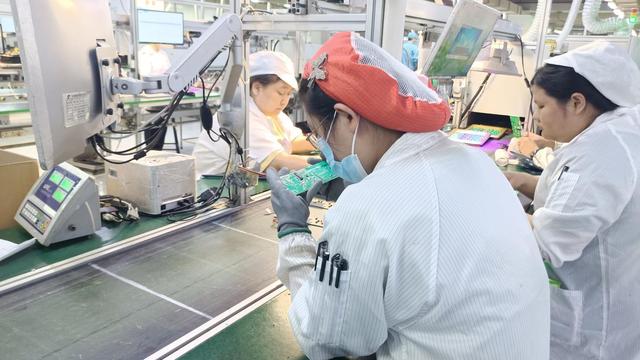
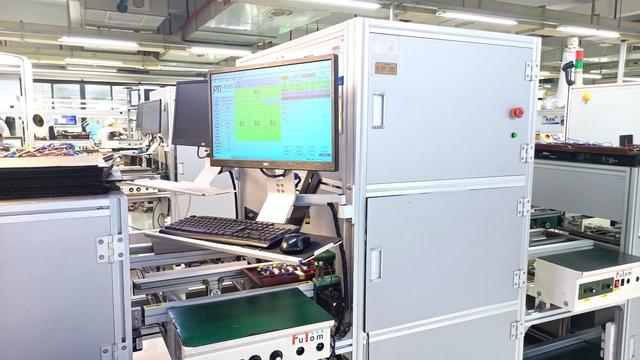
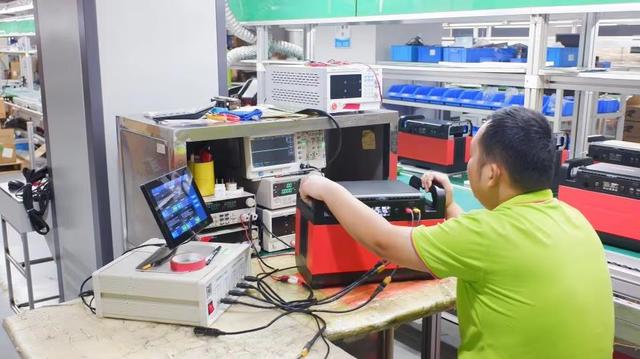
Our 20,000sqm facility employs automated assembly lines that ensure precision in laser welding and pack integration, minimizing the risk of internal resistance issues and enhancing long-term reliability.
With over 280 dedicated employees, our engineering team specializes in custom OEM/ODM solutions, adapting enclosure designs and software logic to meet specific climate conditions from Middle Eastern deserts to Northern European winters.
Energy storage is not a one-size-fits-all product. Understanding the specific User Intent behind a procurement request is vital for system sizing and optimization.
For industrial plants in high-tariff regions, our systems discharge during peak hours to avoid expensive demand charges, significantly improving the ROI of the factory's energy bill.
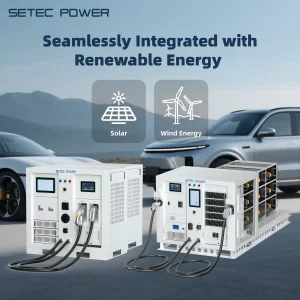
Providing 24/7 stability for remote areas. Our integrated solar-wind storage systems act as a primary power source where the main grid is either absent or unreliable.
As EV adoption scales, the grid often cannot handle the surge. Our BESS solutions act as a buffer, allowing ultra-fast charging without upgrading the local transformer.
Established in 2014, Hangzhou Symbion Energy Co., Ltd. is a professional manufacturer specializing in Battery Energy Storage Systems (BESS), microgrid solutions, and smart energy management technologies. Located in the innovation hub of Hangzhou, Zhejiang Province, China, we are dedicated to supporting the global transition toward cleaner, more reliable, and more efficient energy infrastructure.
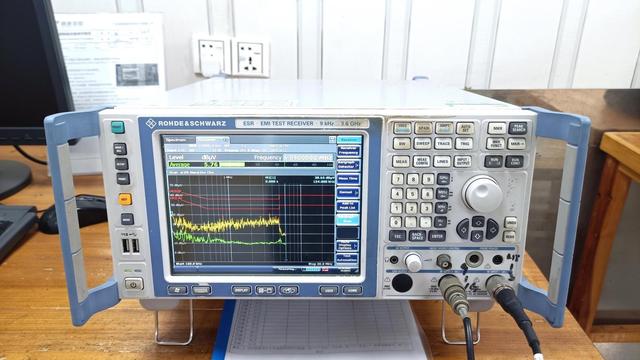
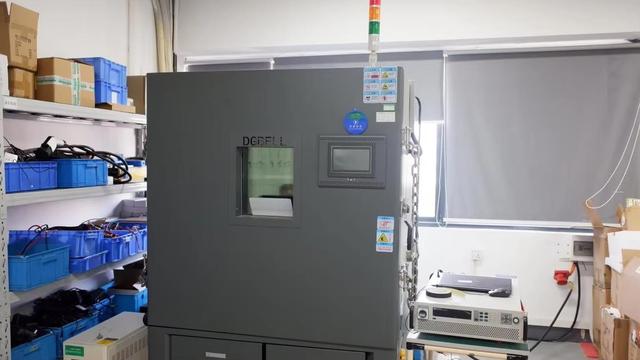
Our product portfolio is comprehensive, covering containerized BESS solutions, distributed energy storage, and intelligent EMS. We follow strict quality control procedures throughout design, manufacturing, and final system integration. Our engineering team continuously develops innovative solutions that help customers improve energy efficiency and enhance power resilience.
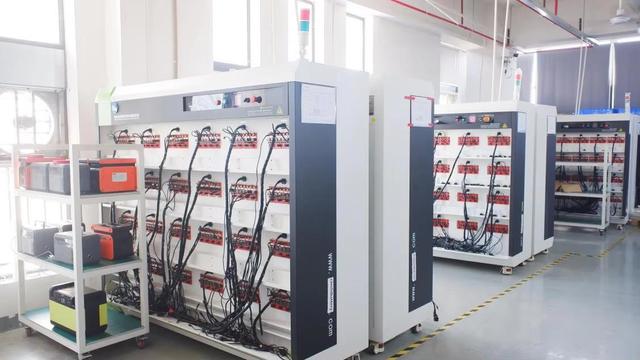
The next decade of energy storage will be defined by Liquid Cooling Systems and AI-Driven Energy Management. Traditional air-cooled systems are reaching their limits in terms of energy density and thermal uniformity. Liquid cooling technology, as seen in our latest 125kW/261kWh systems, ensures a temperature variance of less than 3°C between cells, extending the lifespan of the battery by up to 20%.
Furthermore, the integration of Artificial Intelligence into the EMS allows for "Predictive Maintenance" and "Revenue Optimization." By analyzing historical weather data and grid pricing in real-time, AI can determine the optimal moment to charge or discharge, maximizing the financial returns for the asset owner. As a forward-thinking exporter, we are already embedding these smart capabilities into our containerized solutions.
Solid-state batteries and sodium-ion batteries are also on the horizon. While LiFePO4 remains the industry standard due to its safety and cycle life (6000+ cycles), we are actively exploring sodium-ion for low-temperature applications where lithium performance typically degrades.
Most of our industrial systems are designed for a cycle life of 6,000 to 8,000 cycles at 80% Depth of Discharge (DoD). This typically translates to 15-20 years of daily operation under recommended thermal conditions.
Safety is our top priority. Our systems feature multi-level protection: Cell-level (high-quality LFP chemistry), Module-level (fusing and monitoring), and System-level (active fire suppression like FM200 or Aerosol, and advanced BMS that shuts down the system if thermal runaway is detected).
Yes. Our systems support both AC-coupling and DC-coupling. For existing solar installations, AC-coupling is usually preferred as it allows the storage system to be added without modifying the existing solar inverters.
Liquid cooling provides superior thermal management, higher energy density, and quieter operation. It is essential for high-C rate applications and hot climates where air cooling cannot sufficiently dissipate heat, preventing battery degradation.
 Symbion Energy