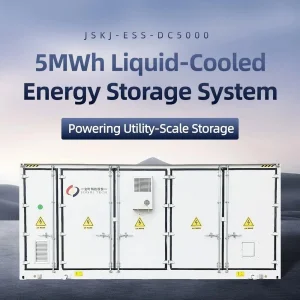
Established in 2014 and strategically headquartered in Hangzhou, Zhejiang Province, China, Hangzhou Symbion Energy Co., Ltd. is a globally recognized, premier manufacturer specializing in high-performance Battery Energy Storage Systems (BESS), intelligent microgrid solutions, and utility-grade smart energy management technologies.
Equipped with a modern fabrication infrastructure spanning over 20,000 square meters and powered by a dedicated engineering and production workforce of more than 280 industry professionals, Symbion Energy excels in pushing the boundaries of electrochemical innovation. Our primary mission is to accelerate the worldwide transition to clean, robust, and economically optimized energy grids by offering high-tier technical systems characterized by unparalleled performance safety and lifetime longevity.
From commercial and industrial peak-shaving applications to heavy utility-scale grid regulation support, Symbion Energy provides complete vertical system integration—ranging from battery cell testing, intelligent thermal management configuration, custom software development, to the manufacturing of robust outdoor rated container enclosures. As a true partner in global clean-tech advancement, we maintain a vast footprint across international supply chains, helping EPC contractors, industrial plant operators, and grid developers unlock maximizing returns on clean energy assets.
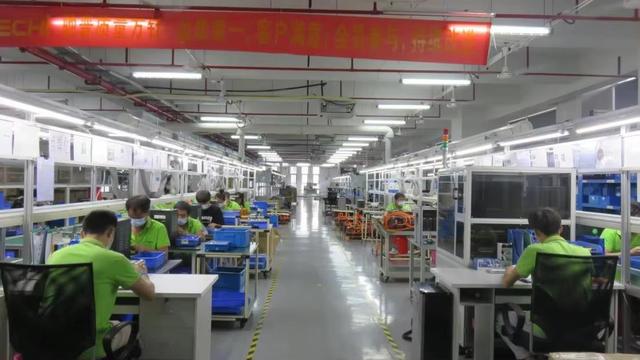
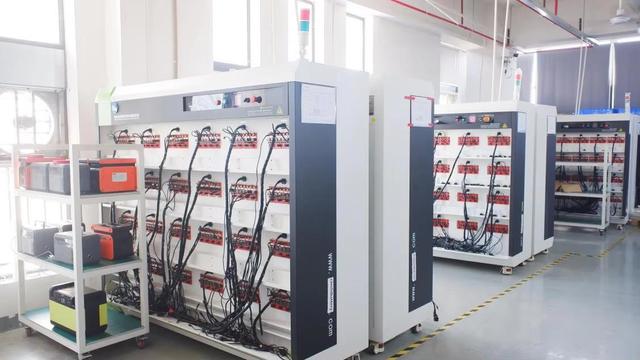
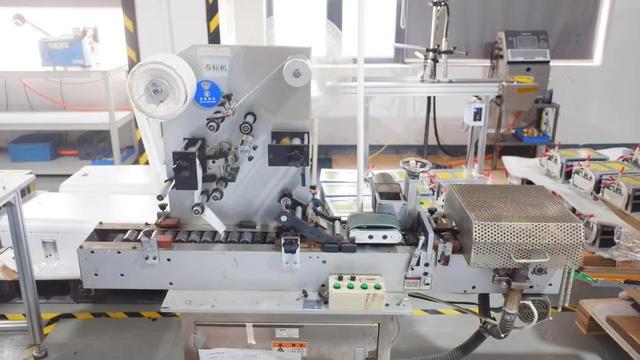
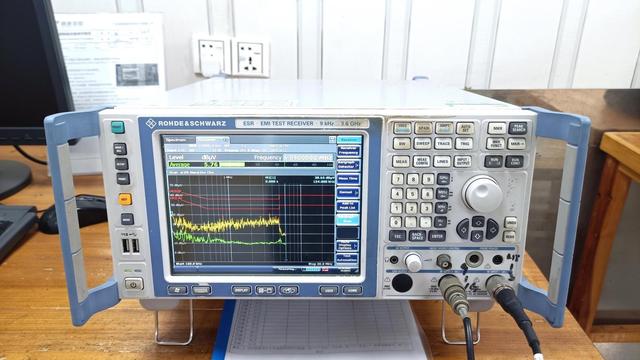
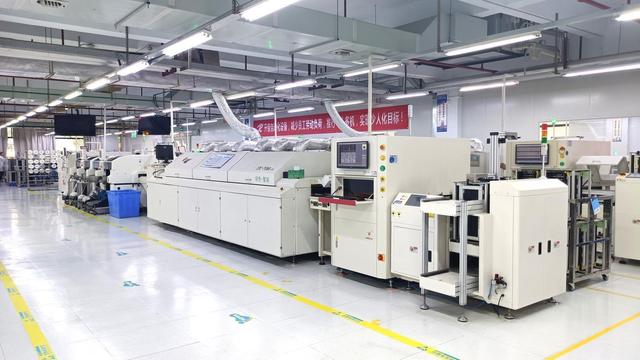
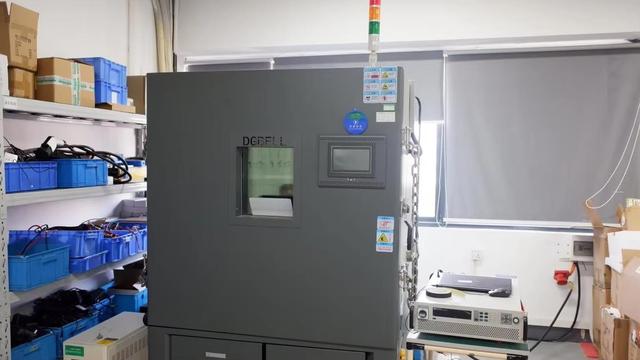
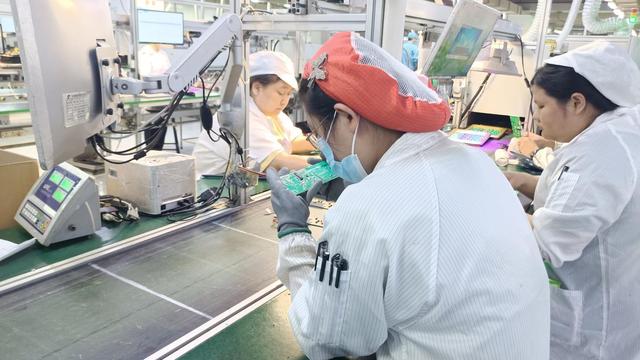
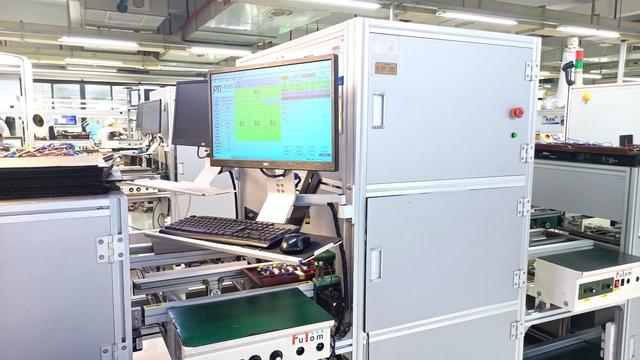
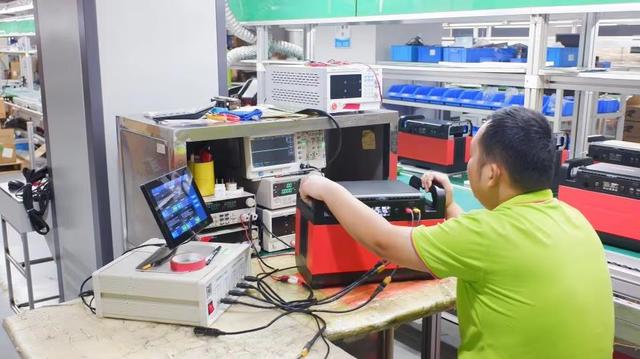
Symbion Energy operates state-of-the-art automated production lines, modern cleanroom battery integration workshops, and a fully equipped high-voltage testing laboratory designed to simulate extreme climate stress and grid instability. Our engineering workflows and quality control processes are compliant with the most stringent global standards, including ISO 9001, ISO 14001, and ISO 45001 certifications.
Decarbonization mandates, fluctuating energy prices, and the need for localized grid resilience are driving rapid growth in utility and C&I energy storage deployment across the globe.
Strict environmental mandates such as the European Union Green Deal, Net Zero targets, and the US Inflation Reduction Act (IRA) have transformed energy storage systems from optional backup devices into foundational infrastructure assets. BESS is now key to bypassing carbon penalties and securing tax credits.
Modern utility grids struggle with peak demand management. As a result, demand charges can constitute up to 50% of an industrial user's energy bill. Deploying high-capacity LFP energy storage offers immediate ROI via peak shaving and real-time load leveling.
Extreme weather events, infrastructure degradation, and intermittent wind and solar generation threaten grid stability. Symbion Energy BESS provides rapid frequency response, dynamic voltage control, and instantaneous backup transition to prevent manufacturing downtime.
The energy storage landscape is evolving rapidly. To maintain absolute product reliability and system optimization, Symbion Energy focuses on key foundational technological directions:
Our systems use high-grade LiFePO4 chemistry, which offers exceptional safety, non-toxicity, and high thermal runaway thresholds. To meet the demanding operational profiles of grid-scale projects, we select cell configurations designed for 6,000 to 8,000 complete charge/discharge cycles at 80% Depth of Discharge (DoD). Looking forward, our R&D team is developing pilot-scale Sodium-ion solutions for cost-sensitive markets and studying solid-state architectures for high energy density requirements.
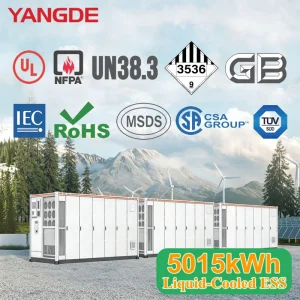
Thermal management is critical to battery life. Traditional forced-air systems suffer from hot spots and higher parasitics. Symbion Energy's liquid cooling systems cycle a glycol-water mixture directly through custom cold plates beneath the battery modules. This design maintains internal temperature variance within a tight ±2°C margin, reducing auxiliary power consumption by 30% and extending system service life by up to 20% compared to typical air-cooled units.
We integrate a three-tier Battery Management System (BMS) architectures: local cell-level monitoring (BMU), rack-level master controllers (SBMS), and system-level system controllers (MBMS). These units gather high-frequency data on cell voltage, temperature, and internal resistance. This telemetry is transmitted to our cloud-based Energy Management System (EMS), where AI algorithms forecast load curves, optimize dispatch schedules, and schedule predictive maintenance cycles.
Safety is paramount. All Symbion storage systems feature multi-stage fire mitigation and safety systems. This includes gas detection (CO, H2, smoke) that triggers dry-contact alarms before thermal propagation occurs. Our enclosures are equipped with aerosol or Novec 1230 clean agent systems, combined with water sprinkler connections as required by UL 9540A testing, ensuring compliance with global installation codes.
By monitoring factory loads in real-time, Symbion BESS discharges during peak demand periods to lower peak draw from the grid. This helps manufacturing facilities, cold storage warehouses, and data centers significantly reduce utility charges.
For remote mines, island communities, and off-grid resorts, our systems combine with local PV arrays or diesel generators to form reliable microgrids. This offsets fuel logistics costs and ensures stable, 24/7 power.
Power transmission companies use our megawatt-level BESS containers to manage grid frequency, balance voltage fluctuations, and provide synthetic inertia. This makes it easier to integrate large wind and solar farms into the transmission network.
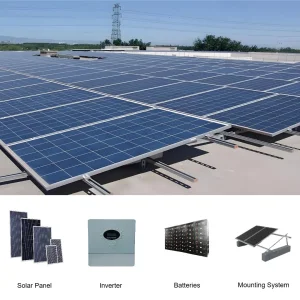
Co-locating BESS with commercial solar arrays stores excess energy generated during the day. This energy is released at night or during peak pricing periods, minimizing curtailment and maximizing ROI.
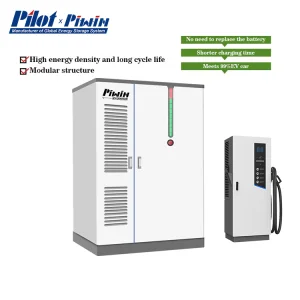
High-power DC fast chargers can place sudden, high loads on local distribution grids. Symbion BESS acts as a power buffer, charging slowly from the grid and discharging rapidly into vehicles to avoid demand penalties.
Critical infrastructure, such as hospitals and semiconductor manufacturing lines, require reliable, uninterrupted power. Our high-speed transfer switches transition systems to backup power in milliseconds during a grid outage.
Hangzhou Symbion Energy operates a highly integrated facility in Zhejiang Province, featuring modern battery assembly lines, comprehensive testing labs, and containment system fabrication yards. Our rigorous production processes follow strict quality control procedures through every stage: from cell sorting and module welding, to high-voltage dielectric testing and complete functional BESS testing.
 Symbion Energy