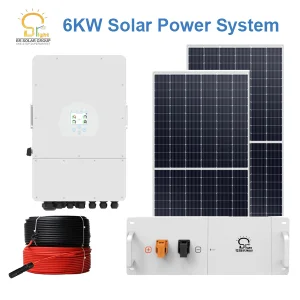
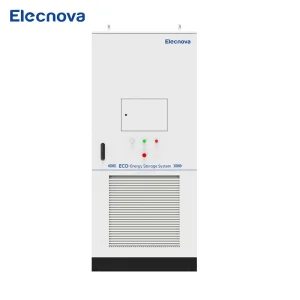
Engineered for utility, commercial, and microgrid integrations. Explore our top-tier battery setups featuring high safety profiles, modular designs, and smart EMS systems.
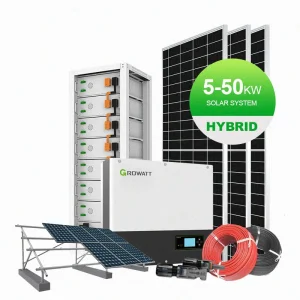
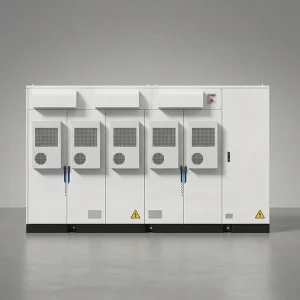
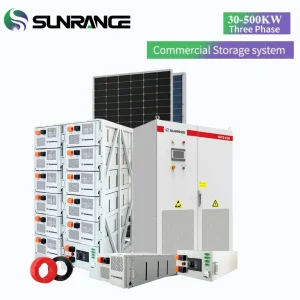
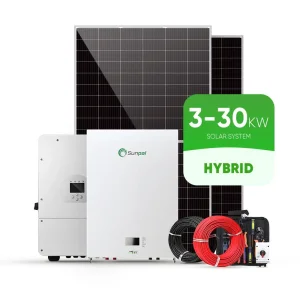
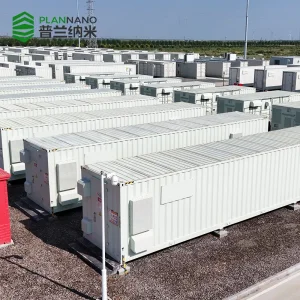
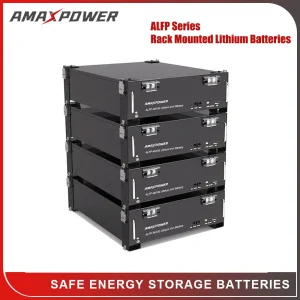
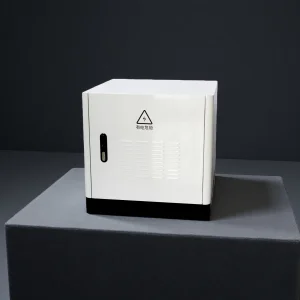
Hangzhou Symbion Energy Co., Ltd. is a professional manufacturer specializing in Battery Energy Storage Systems (BESS), microgrid solutions, and smart energy management technologies for commercial, industrial, and utility-scale applications. Established in 2014 and located in Hangzhou, Zhejiang Province, China, the company is dedicated to supporting the global transition toward cleaner, more reliable, and more efficient energy infrastructure.
The company's product portfolio includes industrial battery energy storage systems, containerized BESS solutions, commercial energy storage systems, renewable energy storage systems, microgrid energy storage platforms, backup power systems, distributed energy storage solutions, and intelligent energy management systems. These products are widely used in renewable energy integration, peak shaving, load shifting, grid support, emergency backup power, electric vehicle charging infrastructure, and industrial energy optimization projects.
Analyzing how multinational corporations utilize advanced Battery Energy Storage Systems (BESS) to secure grid resiliency, meet ESG requirements, and achieve operational cost reductions.
With increasing extreme weather events and aging transmission networks, industrial operators require reliable power security. Advanced energy storage systems act as dynamic UPS facilities, securing instant power for delicate equipment during sudden outages.
Utility pricing depends heavily on demand charges. By storing energy during low-tariff off-peak times and releasing it during peak utility cycles (Peak Shaving), companies can reduce overall power costs by up to 40%.
Large businesses must align operations with Scope 1, 2, and 3 emission protocols. Integrating utility-grade storage systems with solar and wind infrastructure turns variable renewable sources into steady baseload power.
For procurement directors, engineering firms (EPCs), and utility operators, evaluating battery suppliers requires analyzing structural safety, capacity durability, round-trip efficiency (RTE), and global regulatory compliance. Symbion Energy designs systems that balance performance and cost, helping clients calculate long-term levelized cost of storage (LCOS).
A comparative overview of energy storage options, thermal control systems, and integration topologies for modern utility grids.
| Feature Parameter | Lithium Iron Phosphate (LiFePO4) | Sodium-Ion (Na-Ion) | Nickel Manganese Cobalt (NMC) |
|---|---|---|---|
| Nominal Energy Density | 160 – 180 Wh/kg | 100 – 150 Wh/kg | 200 – 250 Wh/kg |
| Expected Lifecycles (80% DoD) | 6,000 to 8,000 cycles | 3,000 to 5,000 cycles | 2,000 to 3,000 cycles |
| Thermal Runaway Limit | Highly stable (up to 270°C) | Stable (up to 250°C) | Moderate (approx. 150°C) |
| Best Suited Application | Long-duration C&I BESS, Grid Storing | Low-temperature & backup systems | EV mobility, space-constrained systems |
| Environmental Profile | High recycling potential, non-toxic | Eco-friendly, highly abundant materials | Contains cobalt & nickel constraints |
Thermal management is key to maintaining battery life and preventing thermal runaway in utility-scale installations.
Our customized software integrations combine battery management systems (BMS) with energy management systems (EMS) to optimize system health.
How Symbion Energy systems integrate into critical infrastructure projects worldwide.
Supports large solar and wind farms by storing excess generation to prevent curtailment. This helps stabilize grid frequency and allows energy to be dispatched during peak hours.
Provides reliable, self-sufficient power for remote islands, mine sites, and agricultural facilities. Replaces diesel generation with solar-storage hybrid microgrids.
Solves localized grid capacity limitations for high-power DC fast-charging sites. Buffers power to support peak charging events without high utility demand fees.
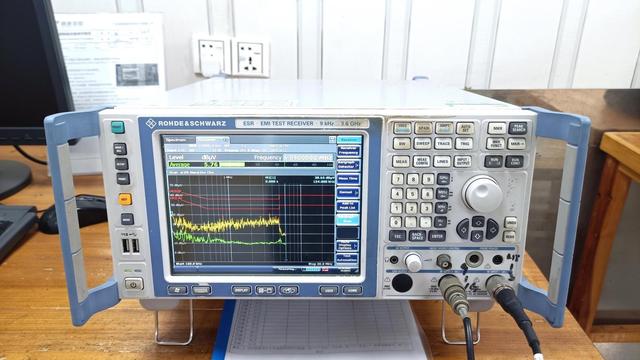
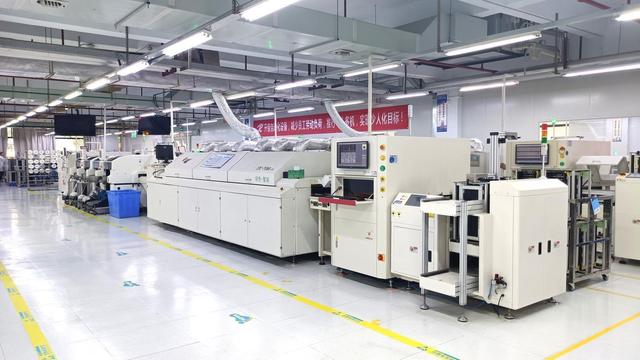
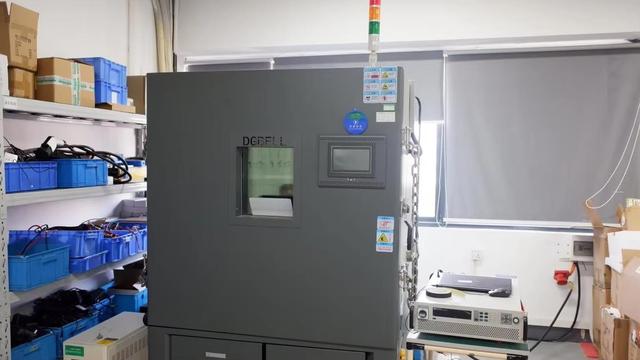
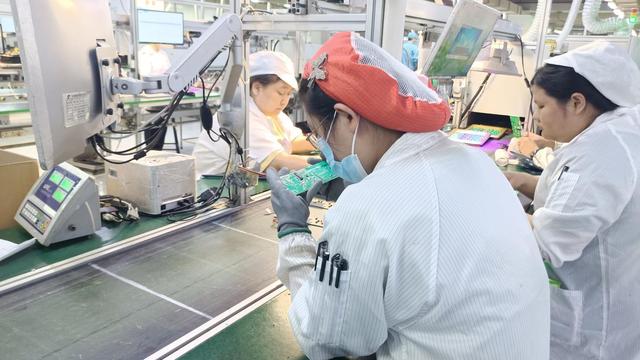
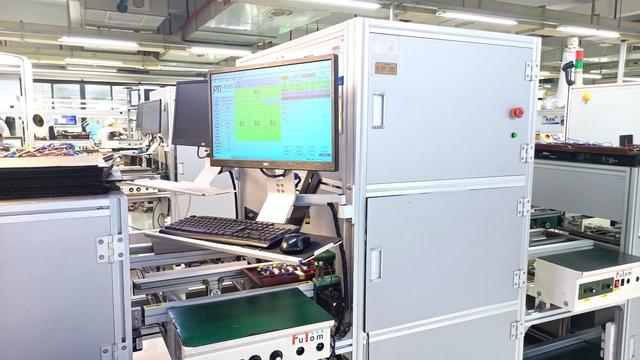
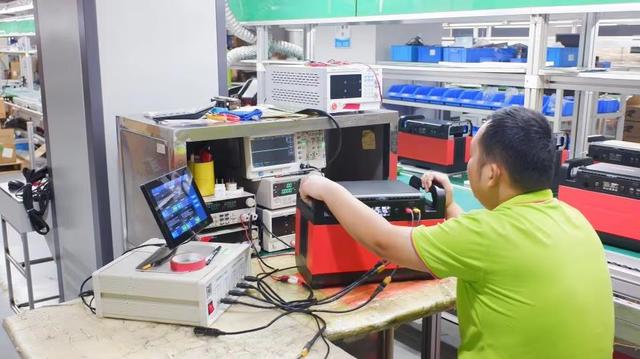
Symbion Energy operates modern production lines, battery integration workshops, and comprehensive testing laboratories to ensure high standards of safety, reliability, and performance. The company follows strict quality control procedures throughout design, manufacturing, system integration, and final testing. Its engineering team continuously develops innovative solutions that help customers improve energy efficiency, reduce operational costs, and enhance power resilience.
In addition to standard products, Symbion Energy offers OEM and ODM services for global partners, including customized battery storage systems, enclosure design, software integration, branding, and project-specific energy solutions. Through ongoing investment in technology, innovation, and customer support, Hangzhou Symbion Energy Co., Ltd. has become a trusted partner for energy developers, utilities, EPC contractors, and industrial customers seeking dependable battery energy storage and smart energy management solutions.
Our energy storage systems comply with international standards to ensure smooth grid connections and operations in major global markets.
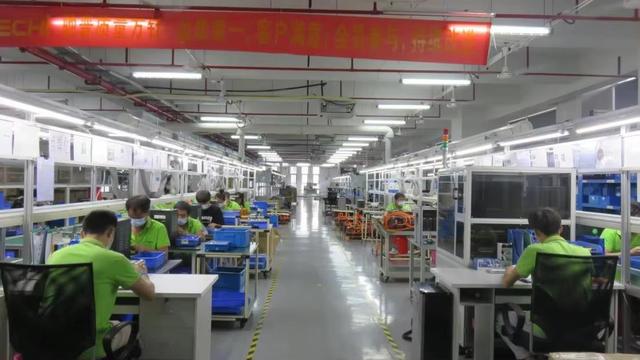
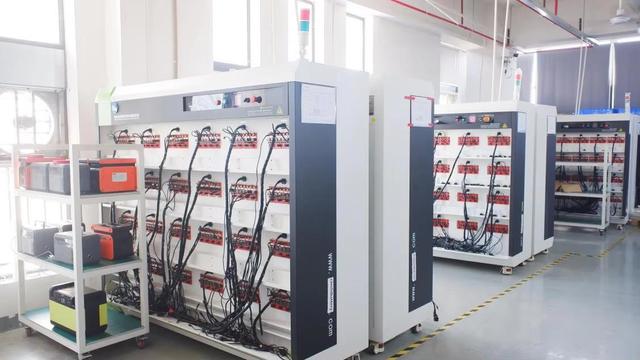
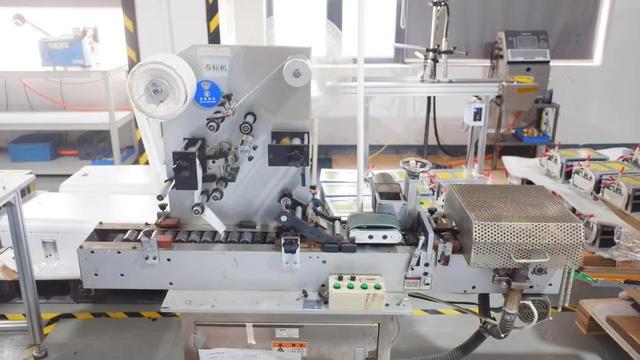
Common questions from engineers, procurement professionals, and energy developers regarding battery systems.
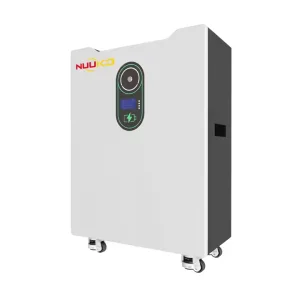
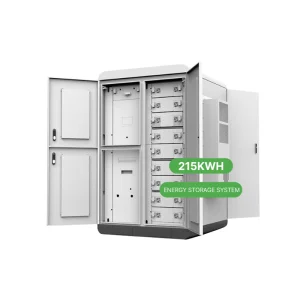
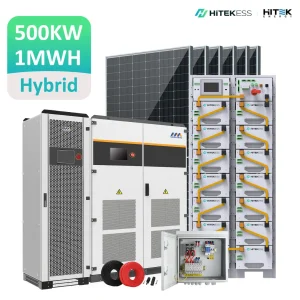
Commercial energy storage cabinets, liquid-cooled systems, and high-voltage three-phase hybrid inverters for industrial projects.
 Symbion Energy