High-efficiency, resilient energy storage systems customized for microgrid integration, load optimization, and commercial backup power.
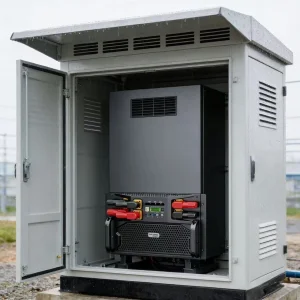
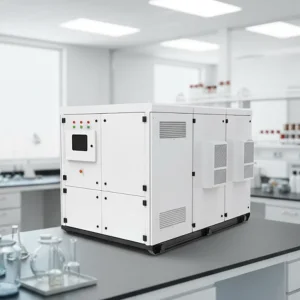
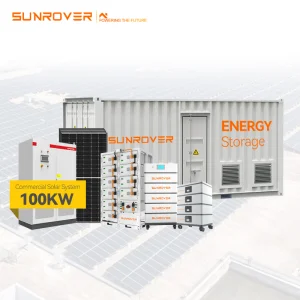
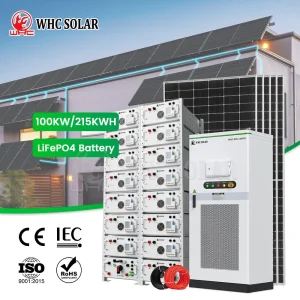
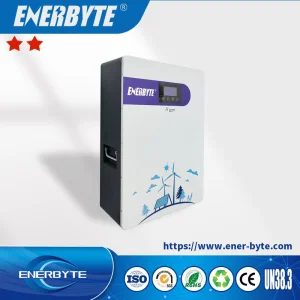
As the global imperative for decarbonization intensifies, grid infrastructure faces unprecedented challenges. The integration of volatile renewable resources like wind and solar demands utility-scale grid stabilization, load shifting, and power quality management. Battery Energy Storage Systems (BESS) have emerged as the foundational pillar for this clean energy transition. The Chinese energy storage market has consolidated its position as the global powerhouse, dominating over 75% of the global lithium-ion supply chain and providing the engineering expertise that drives down the Levelized Cost of Storage (LCOS).
For global procurement executives, utility operators, and EPC contractors, choosing the right partner requires navigating a complex matrix of tech roadmaps, production capacities, supply chain integrity, and compliance standards. This comprehensive guide details key factors for sourcing from China's leading BESS manufacturers, highlighting engineering advancements and localized operational support models.
Established in 2014 in Hangzhou, Zhejiang Province, Hangzhou Symbion Energy Co., Ltd. has grown into a leading manufacturer specializing in Battery Energy Storage Systems (BESS), microgrid solutions, and smart energy management technologies. Serving commercial, industrial, and utility-scale sectors, the company runs a modern 20,000-square-meter production facility with over 280 employees.
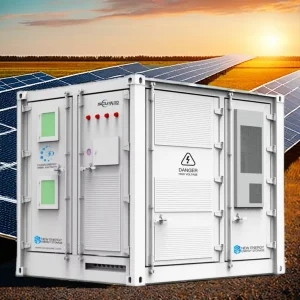
Symbion Energy's portfolio spans industrial battery energy storage systems, containerized BESS solutions, commercial energy storage systems, renewable energy storage systems, microgrid platforms, backup power, distributed energy systems, and intelligent Energy Management Systems (EMS). These systems support projects worldwide in renewable integration, peak shaving, load shifting, grid stabilization, emergency backup, and EV charging infrastructure.
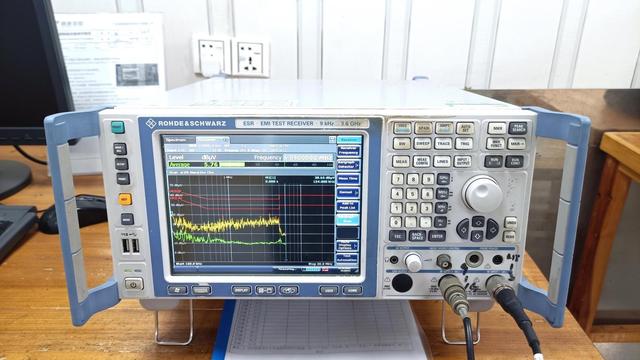
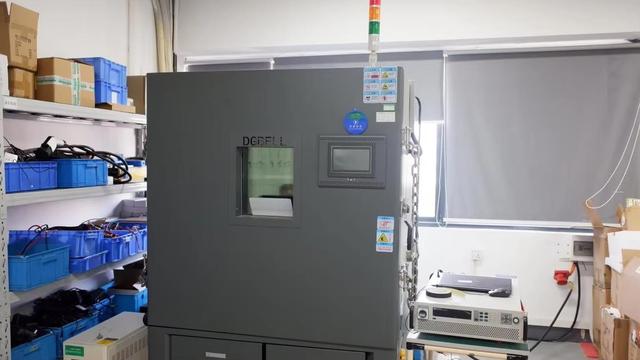
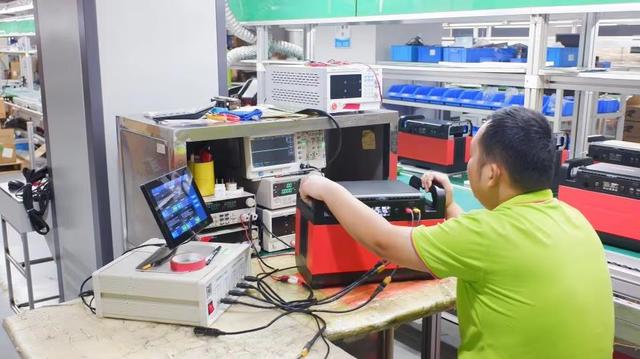
Operating dedicated integration lines and comprehensive test labs, Symbion Energy follows strict quality controls across design, production, and final commissioning. The R&D team continuously refines system topologies, helping global clients lower Levelized Cost of Storage (LCOS), improve round-trip efficiency (RTE), and secure stable project lifespans.
The global energy storage industry is undergoing rapid technical evolution. Modern BESS installations have moved beyond simple battery chemistry; they are integrated, intelligent systems designed to maximize safety, lifecycle value, and responsiveness. Key technologies shaping this landscape include:
Lithium Iron Phosphate (LiFePO4 / LFP) remains the industry standard due to its thermal stability and long cycle life. To improve energy density, manufacturers are shifting to larger 314Ah and 320Ah cells, which reduce system footprint and simplify cell balancing. Concurrently, Sodium-ion (Na-ion) chemistries are emerging for cold-weather climates and projects prioritizing raw-material security.
Standard forced-air systems are increasingly replaced by liquid cooling for utility-scale systems. Circulating liquid coolant directly across battery plates limits internal temperature variance to under ±3°C. This prevents local hot spots, reduces auxiliary power usage by up to 30%, and extends the operational life of the battery pack.
Modern BESS setups feature a three-tier Battery Management System (BMS)—encompassing Module, Rack, and System levels—alongside AI-capable Energy Management Systems (EMS). Cloud platforms track parameters down to individual cells, using machine learning to predict thermal runaway risks, estimate State of Charge (SoC), and balance cells in real time.
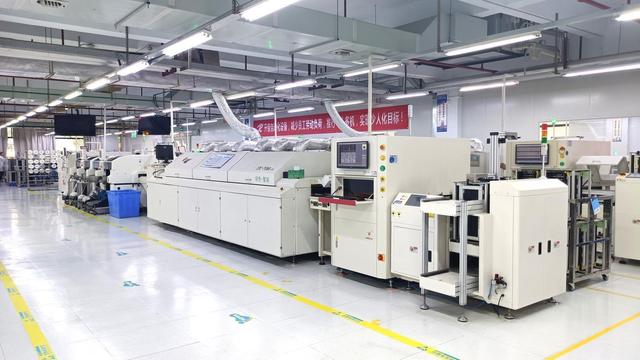
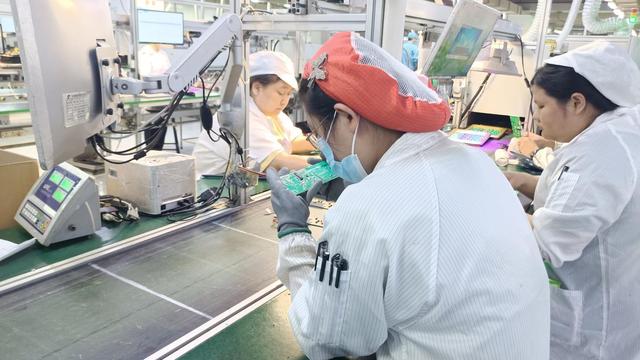
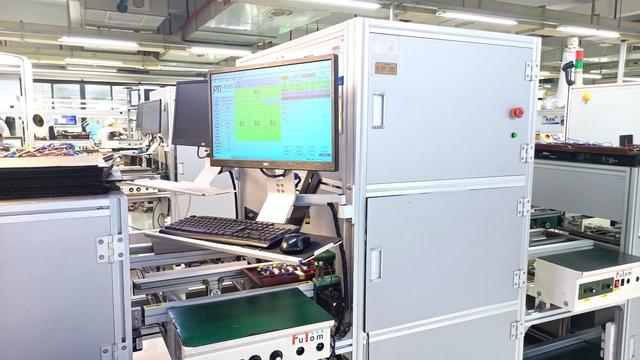
Sourcing from Tier-1 Chinese manufacturers offers benefits beyond raw material cost control. Factories like Hangzhou Symbion Energy leverage vertical supply integration and automated assembly processes. Automated module lines utilize robotic positioning, laser welding, and automatic testing to minimize assembly variance, while MES databases log trace data for every integrated cell.
This localized supply ecosystem provides access to raw materials and components, insulating production lines from global logistics bottlenecks and ensuring steady lead times for projects worldwide.
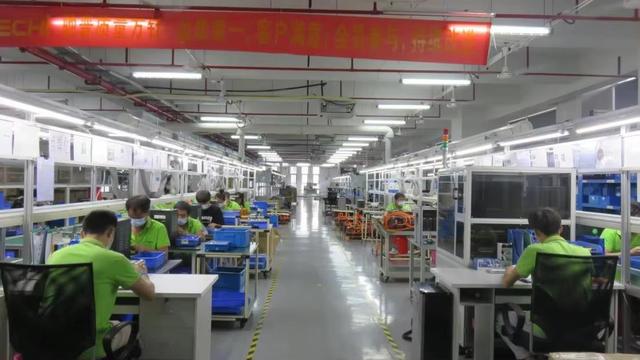
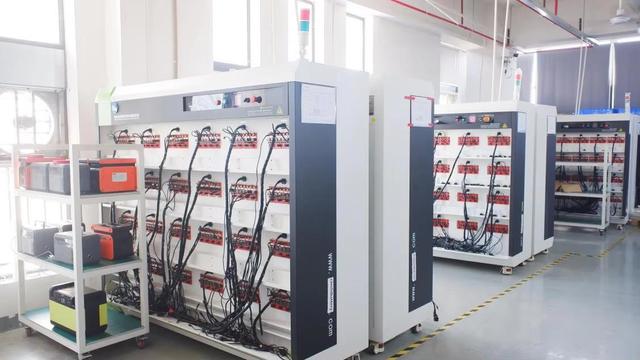
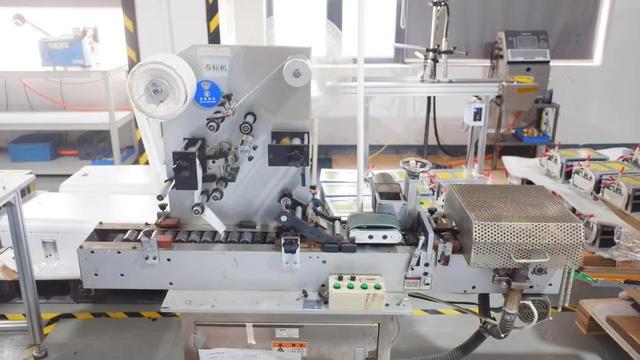
Symbion's manufacturing facility covers over 20,000 square meters, featuring modern battery assembly lines, comprehensive testing labs, and container integration yards.
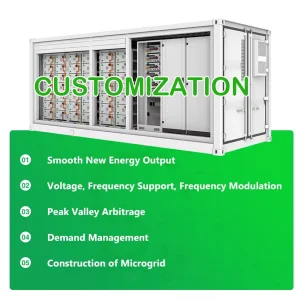
BESS installations are deployed across diverse applications with unique operating requirements:
Deploying storage systems internationally requires strict adherence to safety standards and grid interconnection rules. Sourcing partners must verify certifications including:
Requires UL 9540 (system safety) and UL 9540A testing to evaluate fire propagation. Inverters must meet UL 1741 SB and IEEE 1547.1 standards for grid connection.
Requires CE markings, IEC 62619 for cell safety, and EN 50549-1/2 or VDE-AR-N 4110 compliance for network connection.
Cells and modules must pass UN 38.3 testing to verify structural stability and thermal behavior during international transport.
Working with an OEM/ODM partner like Hangzhou Symbion Energy helps streamline the project lifecycle by integrating certification, design engineering, and remote commissioning support.
Answers to technical and commercial questions about sourcing BESS from China.
Safety is managed through multi-layer protection systems: cell-level chemistry controls, active Battery Management Systems (BMS), structural barriers, and fire suppression agents.
1. LFP Chemistry: Intrinsically high thermal runaway threshold (~270°C).
2. BMS Controls: Monitored cell voltage and temperature; automatic safety disconnects.
3. Gas Detection & Fire Suppression: Early-stage gas sensors trigger NFPA-compliant agents (such as Novec 1230 or FM-200) alongside backup water sprinkler systems.
Liquid cooling provides significant advantages for high-duty-cycle utility and industrial installations:
Through its Hangzhou facility, Symbion Energy provides tailored OEM/ODM support, including: customized container capacities (e.g., 20ft/40ft systems), local grid-code integration for inverters, specific BMS protocols for external control platforms, and white-label branding configurations.
LCOS represents the overall cost per MWh of delivered energy over the system's operational lifetime, influenced by:
Symbion integrates compliant components and conducts system testing to meet local interconnection standards, such as IEEE 1547 for North America and EN 50549 / VDE-AR-N 4110 for Europe.
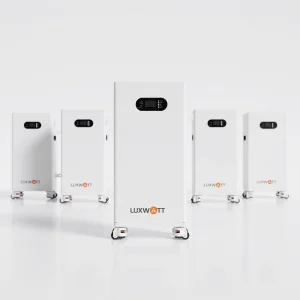
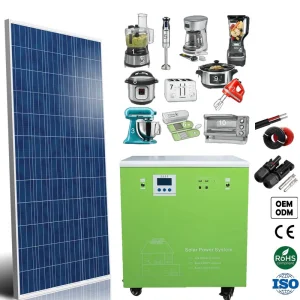
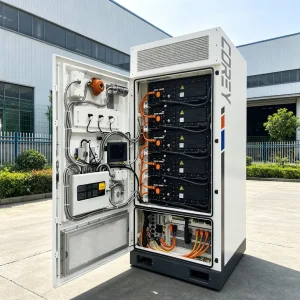
High-capacity systems designed for utility-scale grid support, microgrid backup, and residential installations.
 Symbion Energy