As the world moves toward decentralized power generation, the role of OEM/ODM Integration Solutions Factories has shifted from simple hardware assembly to providing complex, AI-driven energy ecosystems. The global Battery Energy Storage System (BESS) market is projected to reach a valuation of over $30 billion by 2030, driven by the volatile nature of renewable energy sources like solar and wind.
Today’s industrial energy landscape requires more than just high-capacity batteries. It demands Seamless Integration between Power Conversion Systems (PCS), Battery Management Systems (BMS), and Energy Management Systems (EMS). This trifecta ensures that energy is not just stored, but optimized for Peak Shaving, Load Shifting, and Grid Frequency Regulation.
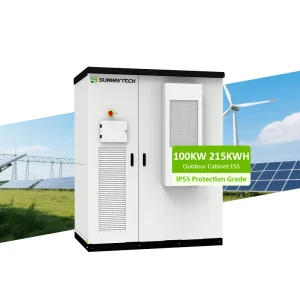
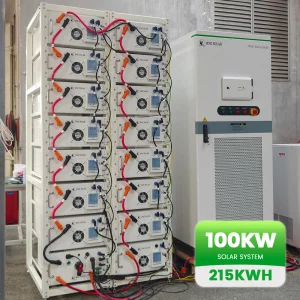
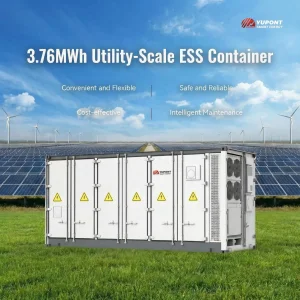
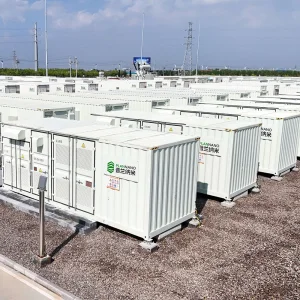
Modern factories and data centers are increasingly turning to behind-the-meter (BTM) storage solutions to mitigate the rising costs of peak-demand charges. In regions like Europe and North America, the integration of EV charging infrastructure with localized BESS is no longer a luxury—it is a requirement for operational resilience. OEM providers are now tasked with designing modular systems that can scale from 100kWh cabinets to multi-megawatt containerized units without compromising on safety or thermodynamic stability.
Hangzhou Symbion Energy Co., Ltd. is a professional manufacturer specializing in Battery Energy Storage Systems (BESS), microgrid solutions, and smart energy management technologies for commercial, industrial, and utility-scale applications. Established in 2014 and located in Hangzhou, Zhejiang Province, China, the company is dedicated to supporting the global transition toward cleaner, more reliable, and more efficient energy infrastructure. With a manufacturing facility covering over 20,000 square meters and a workforce of more than 280 employees, Symbion Energy provides advanced energy storage solutions to customers worldwide.
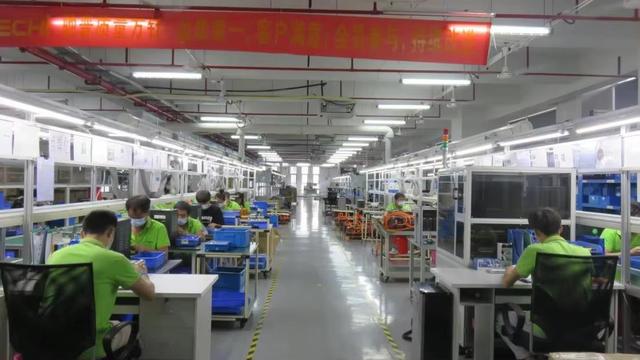
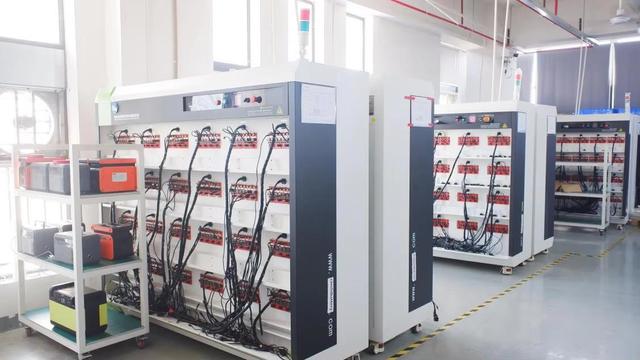
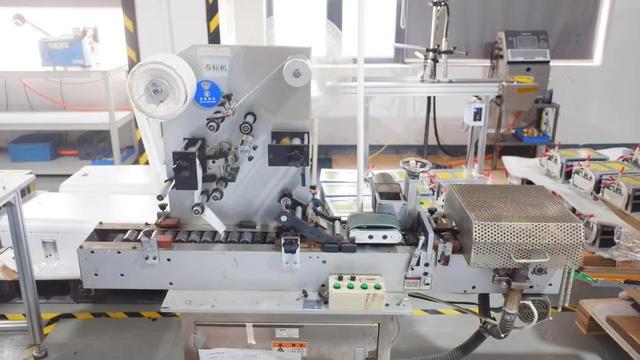
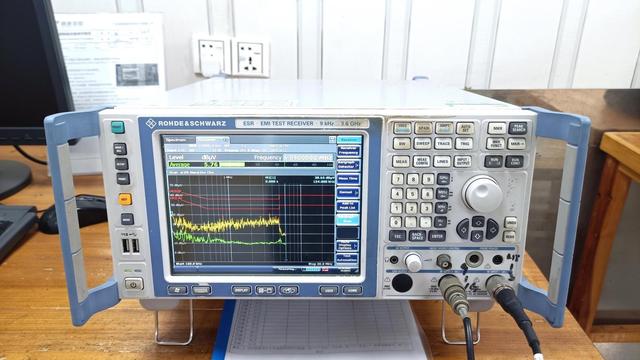
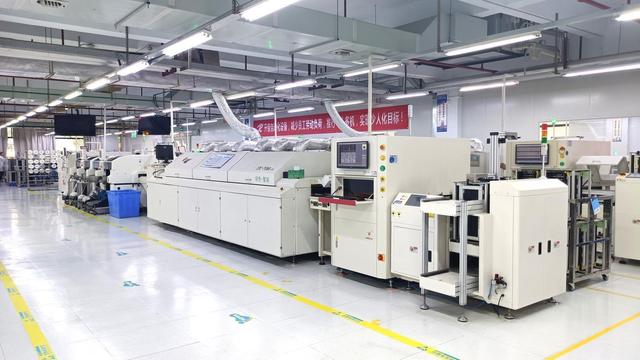
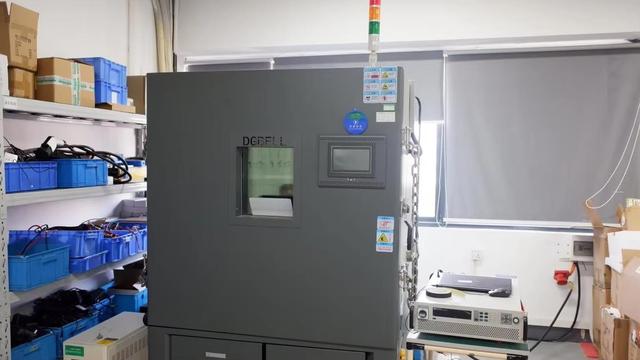
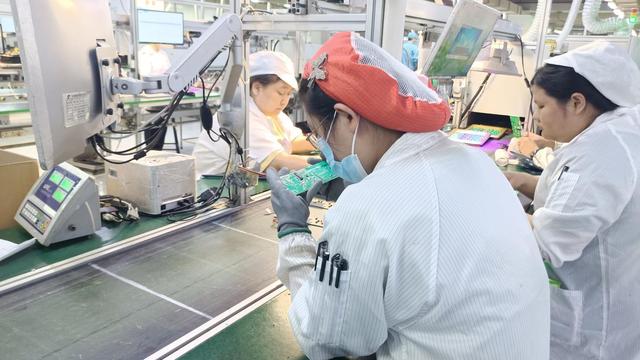
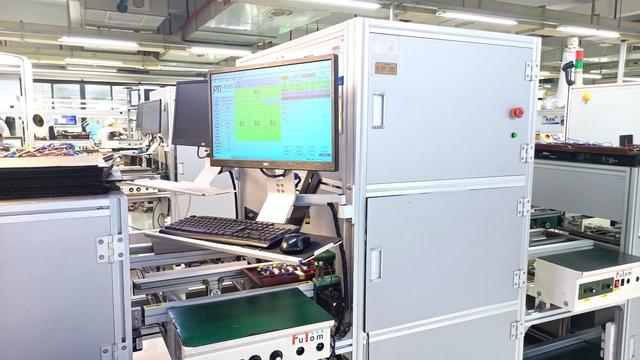
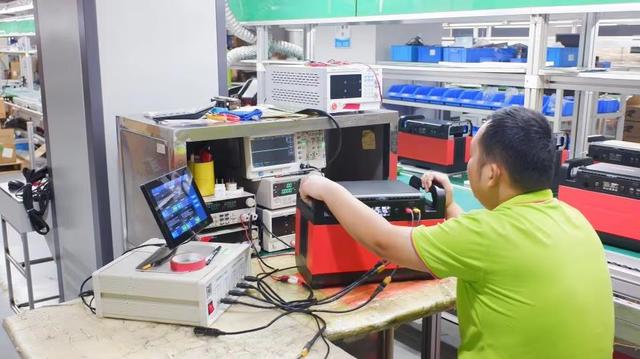
Modern production lines and battery integration workshops ensuring high standards of safety and performance via strict quality control.
Customized battery storage, enclosure design, software integration, branding, and project-specific energy solutions.
Trusted partner for energy developers, utilities, and EPC contractors seeking dependable smart energy management.
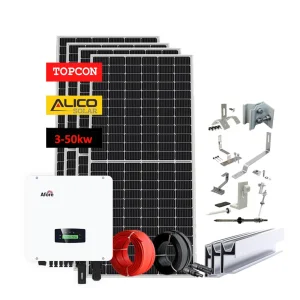
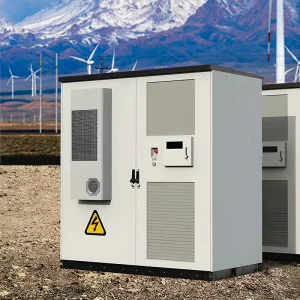
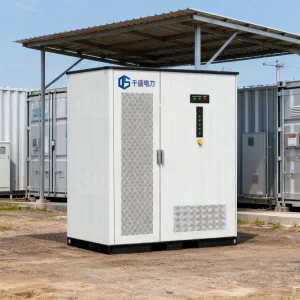
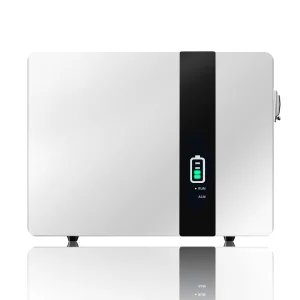
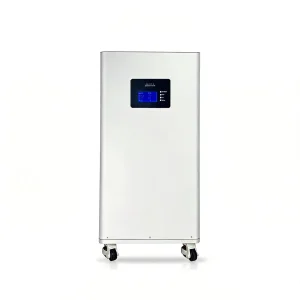
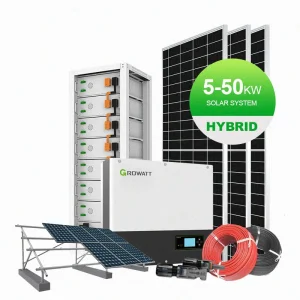
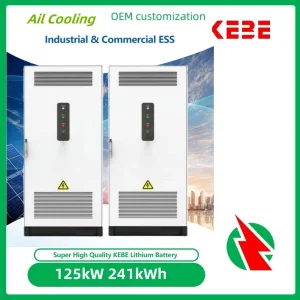
The company's product portfolio includes industrial battery energy storage systems, containerized BESS solutions, commercial energy storage systems, renewable energy storage systems, microgrid energy storage platforms, backup power systems, distributed energy storage solutions, and intelligent energy management systems. These products are widely used in renewable energy integration, peak shaving, load shifting, grid support, emergency backup power, electric vehicle charging infrastructure, and industrial energy optimization projects.
The future of OEM/ODM integration lies in the intersection of chemistry and computation. We are observing several key technological shifts that will define the next decade of energy storage:
While LiFePO4 (LFP) remains the industry standard due to its safety and longevity, the roadmap includes the gradual integration of semi-solid state batteries which offer higher energy density and an even wider operating temperature range, crucial for extreme localized applications.
Future integration solutions will feature "Edge-AI" capabilities. Instead of relying purely on cloud-based commands, the local EMS will utilize machine learning to predict load spikes and solar generation patterns 24 hours in advance, optimizing battery cycles and extending hardware lifespan by up to 20%.
For high-density C&I applications, liquid cooling is becoming the preferred integration route. It allows for more compact cabinet designs and prevents thermal runaway more effectively in high-ambient-temperature environments like Southeast Asia and the Middle East.
Understanding the "Information Gain" in specific markets is key to successful OEM/ODM deployment. Here is how our integration solutions adapt to local needs:
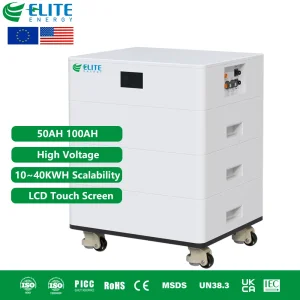
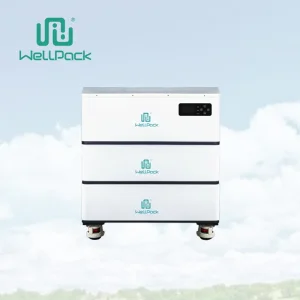
Focus on stackable, high-voltage residential and small-business BESS. Compliance with strict CE and VDE grid-connection standards is paramount. Integration with dynamic pricing models (e.g., Tibber) allows for automated arbitrage.
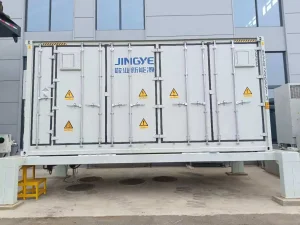
In regions with unstable grids, our containerized BESS acts as the primary frequency stabilizer. Integration with diesel generators (Hybrid setups) ensures 100% uptime for industrial mining and remote resorts.
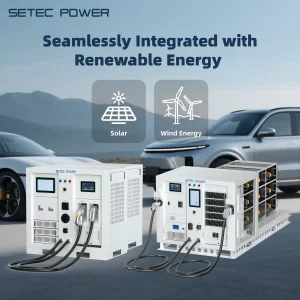
Focus on large-scale peak shaving for EV fast-charging stations. Our ODM services provide specialized outdoor cabinets that handle high C-rate discharging to support multiple Tesla Superchargers or CCS units simultaneously.
 Symbion Energy