Explore our elite selection of grid-tied energy systems, modular high-voltage architectures, and commercial storage platforms engineered for seamless scalability.
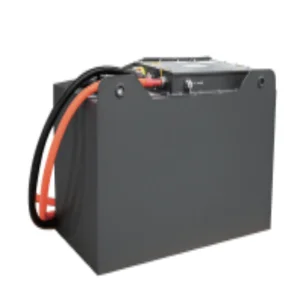
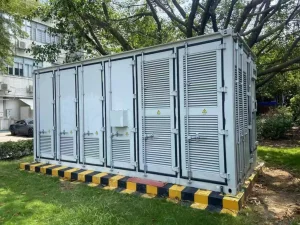
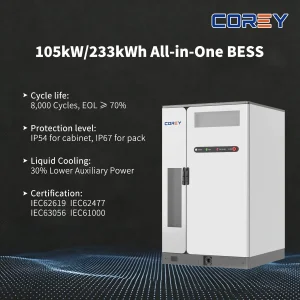
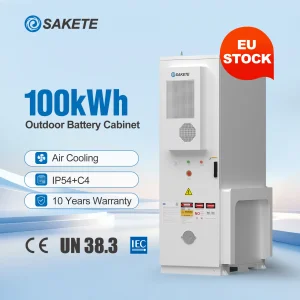
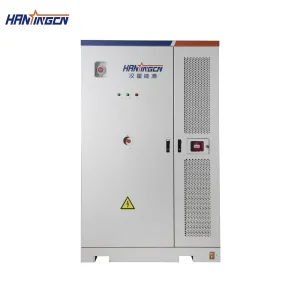
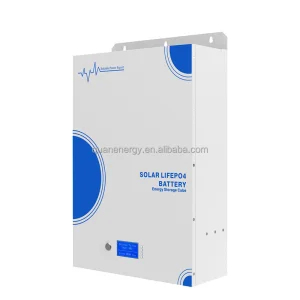
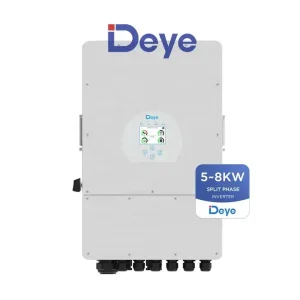
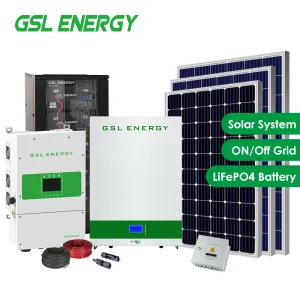
Decarbonization, grid volatility, and rising utility rates are reshaping the global industrial matrix. Today, Battery Energy Storage Systems (BESS) represent the cornerstone of modern industrial strategy.
As grid operators globally face challenges balancing intermittent wind and solar inputs, commercial enterprises are utilizing localized storage assets to establish grid independence, optimize their operational expenses, and maintain 100% uptime. By storing low-cost clean energy generated during non-peak periods or via on-site renewables, and discharging it when utility prices peak, organizations are securing a lower Levelized Cost of Storage (LCOS).
In regions throughout Europe, North America, and the Asia-Pacific, regulatory frameworks such as the U.S. Inflation Reduction Act (IRA) and the EU's REPowerEU are offering tax incentives and capital grants. These initiatives accelerate ROI, making battery energy storage systems a highly attractive asset for modern business infrastructure.
A globally recognized manufacturer specializing in Battery Energy Storage Systems (BESS), microgrid solutions, and smart energy management technologies.
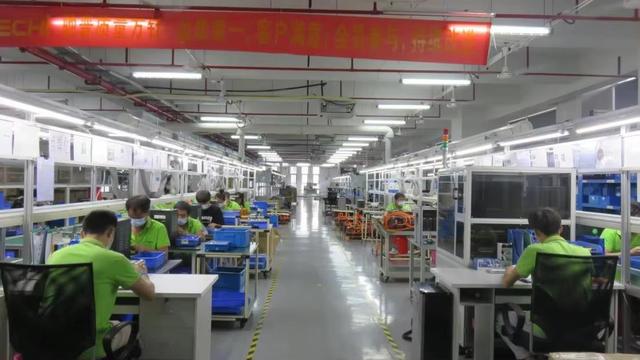
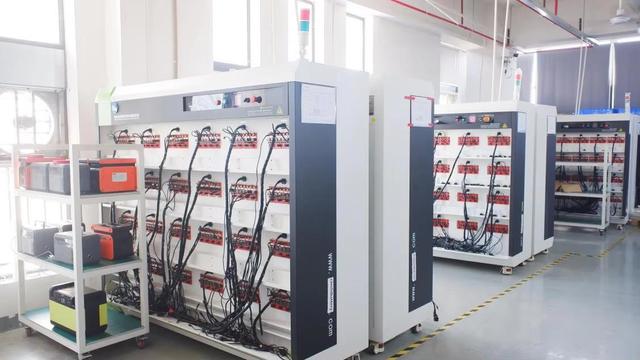
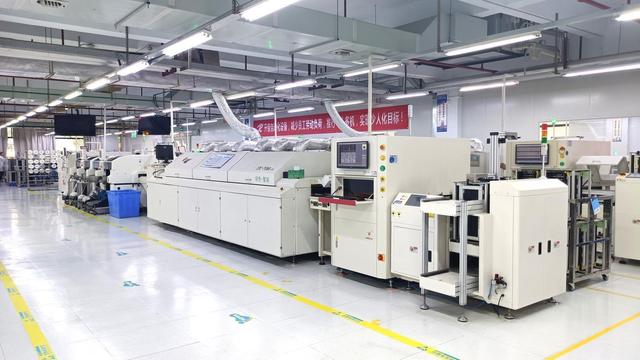
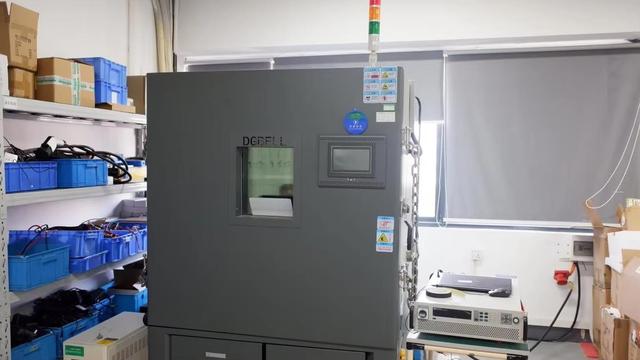
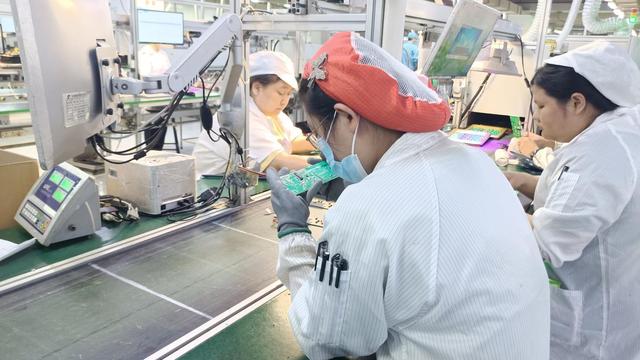
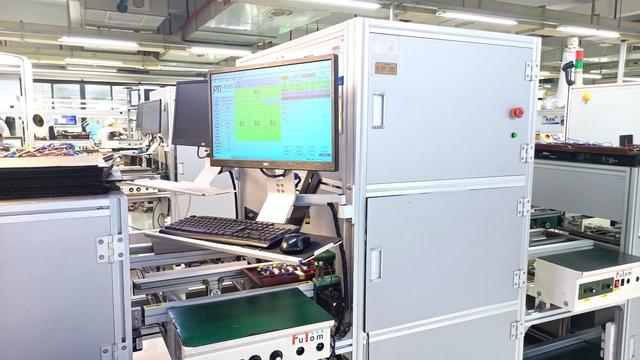
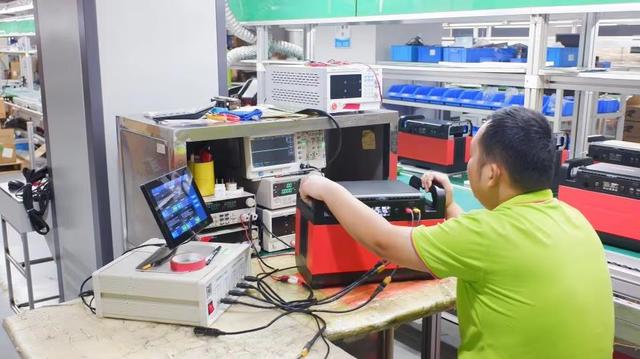
Located in Hangzhou, Zhejiang Province, China, our 20,000+ square meter state-of-the-art facility serves as a benchmark for modern automated cell sorting, system assembly, and thermal evaluation laboratories. Backed by 280+ specialized workers and engineers, we operate at a high global tier.
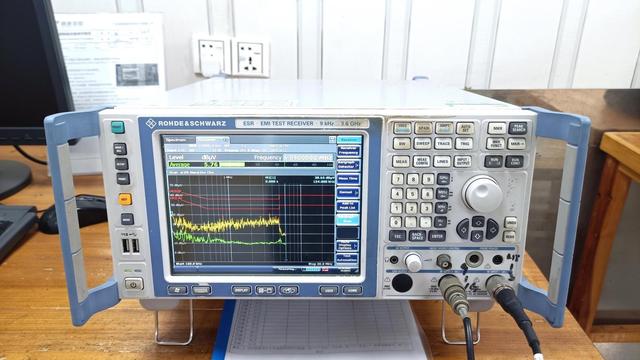
We implement rigorous testing protocols throughout system design, module housing integration, and factory acceptance testing (FAT). Our integration processes ensure certified compliance with CE, UL, and UN38.3 standards, mitigating risk and protecting your capital investments.
We offer customized engineering, including customized battery chemistry selections, bespoke mechanical enclosures, proprietary Battery Management System (BMS) software configurations, and system-wide energy management integration customized for local regional codes.
Deciding on the correct thermal architecture defines the lifecycle value and round-trip efficiency (RTE) of utility-scale energy storage containers.
| Performance Indicator | Liquid-Cooled BESS Systems | Air-Cooled BESS Systems | Strategic Selection Guidelines |
|---|---|---|---|
| Thermal Distribution | Temperature variance within rack kept below ±2.0°C. | Temperature variance typically ranges between ±4.0°C to 5.0°C. | Liquid cooling minimizes hot spots, drastically reducing cell degradation. |
| Energy Density | High density (up to 3.4MWh+ in standard 20ft container). | Moderate density (typically 2.0-2.5MWh per 20ft container). | Liquid systems require smaller physical footprints, optimizing real estate. |
| Parasitic Load Consumption | 3% to 5% lower overhead during peak high-C discharge operations. | Higher parasitic load due to heavy continuous fan rotation. | Liquid-cooled models achieve higher long-term efficiency under aggressive cycles. |
| Optimal Cycle Longevity | Over 8,000 deep cycles under standard operating profiles. | Ranges between 5,500 to 6,500 cycles. | Ideal for high-throughput utility grid-tied charging profiles. |
Our custom OEM battery packs incorporate an advanced Three-Tier Battery Management System (BMS) architecture. By monitoring cell-level voltage, module-level state of charge (SoC), and system-level thermal parameters, this architecture guarantees safe operating boundaries.
Complementing this hardware layer is our cloud-based Energy Management System (EMS), which leverages predictive machine learning models to analyze load curves, solar output forecasts, and grid price signals. The EMS calculates real-time operations, enabling industrial facilities to execute dynamic peak shaving, frequency regulation, and microgrid islanding strategies automatically.
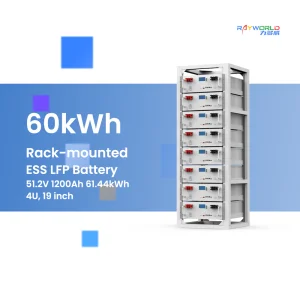
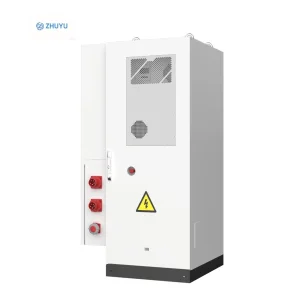
Our battery cabinets are engineered with multi-layered containment features to prevent thermal runaway propagation, complying with UL 9540A and NFPA 855 standards.
Providing engineered configurations that solve critical energy security and integration challenges across industries.
Designed for factories, industrial parks, and microgrids. The system charges during low demand, offsetting peak tariff charges. Integrating 100kW to 2MW configurations lowers demand fees, ensuring a high ROI.
By pairing high-density LFP arrays with intermittent solar panels and wind turbines, we enable consistent output profiles. Built-in hybrid energy software manages clean energy distribution and grid injection.
For data centers and remote base stations. System switching occurs in milliseconds, ensuring operations continue without downtime, even during total grid failure.
From initial chemical modeling to field integration, Hangzhou Symbion Energy Co., Ltd. is your turnkey clean energy supplier.
We work with global developers, EPC contractors, and system integrators to build custom-tailored solutions. The integration process is structured to deliver performance, regulatory compliance, and rapid time-to-market.
| Voltage Range | 48V to 1500V DC |
| Energy Chemistry | LiFePO4, Solid-State (R&D) |
| Cooling Methods | Liquid, Forced Air, Natural |
| Enclosure Rating | IP54, IP55, IP65 |
| Warranty Offer | 5 - 10 Years Performance |
Insights into technical, safety, and integration aspects of industrial clean energy installations.
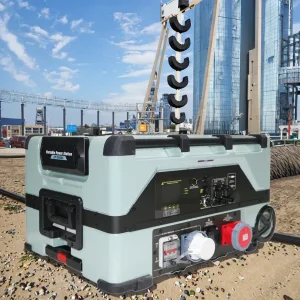
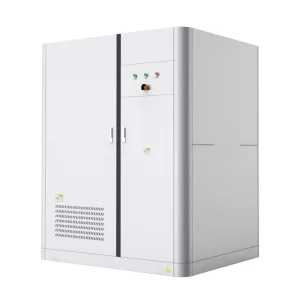
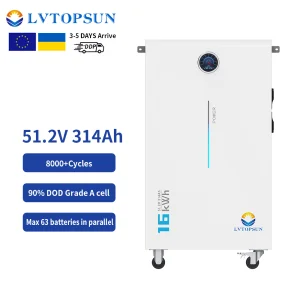
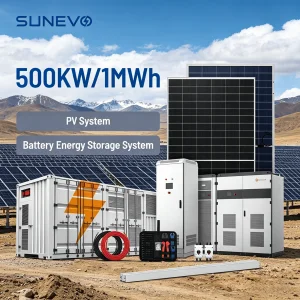
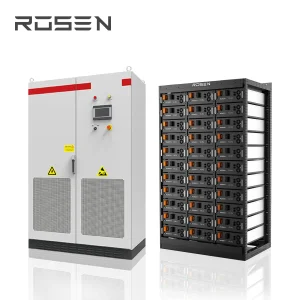
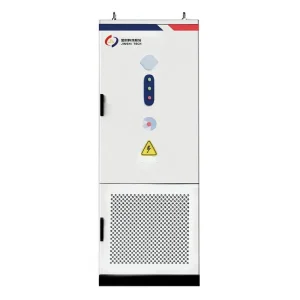
Explore our high-capacity modular storage units, solar-wind hybrid systems, and containerized power stations.
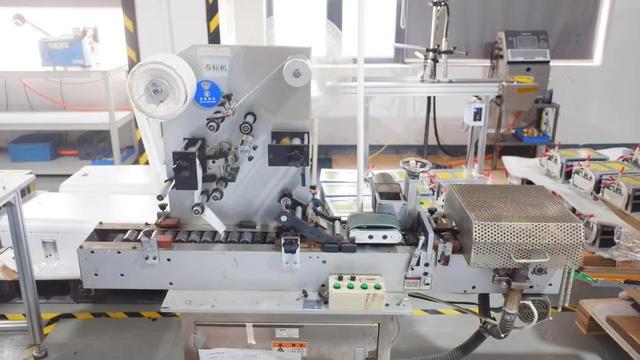
Inside Hangzhou Symbion Energy's state-of-the-art battery assembly lines and test labs.
 Symbion Energy