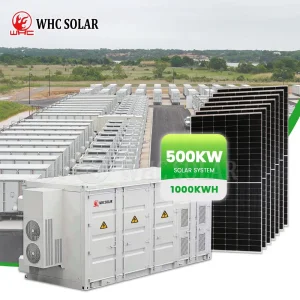
Energy Storage Container
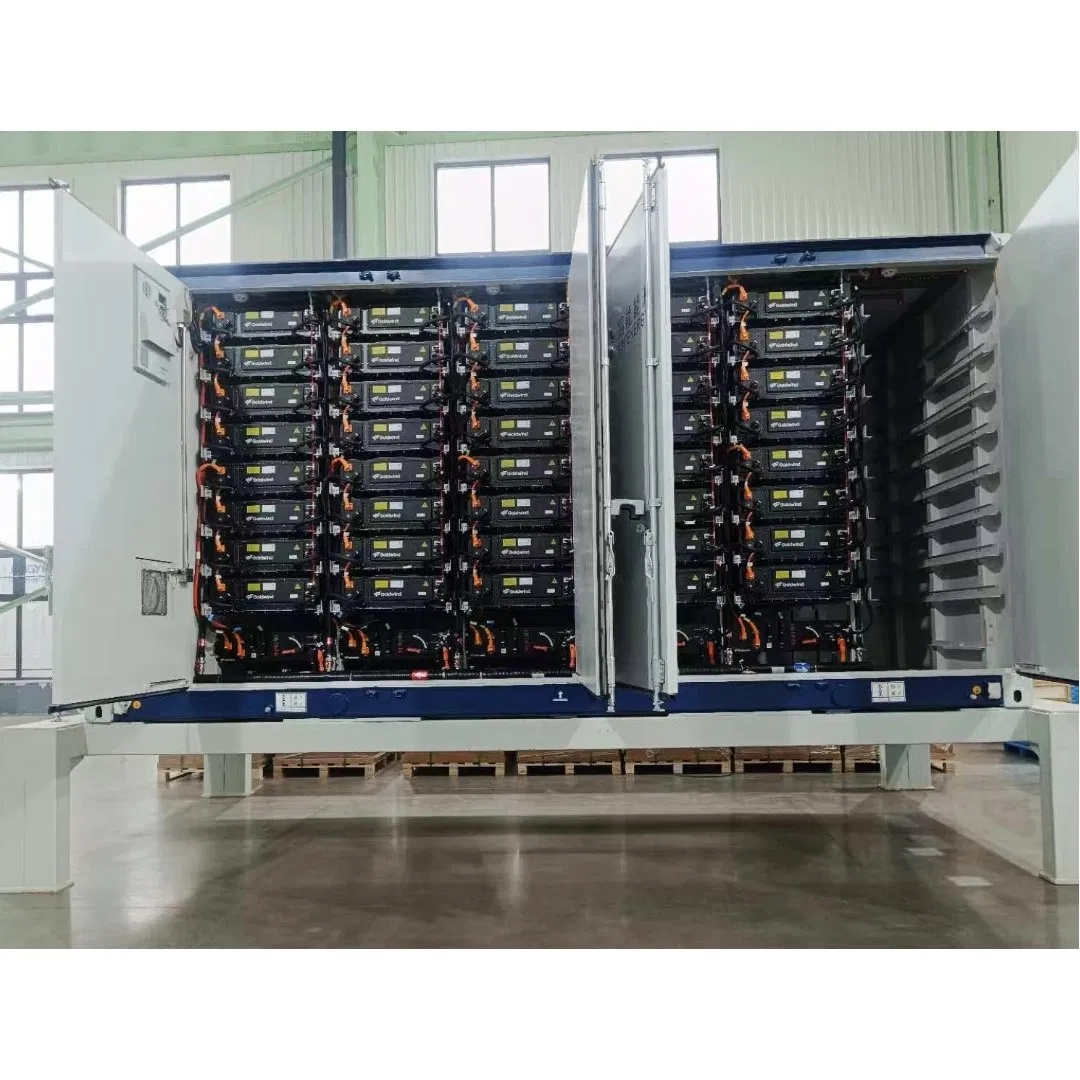
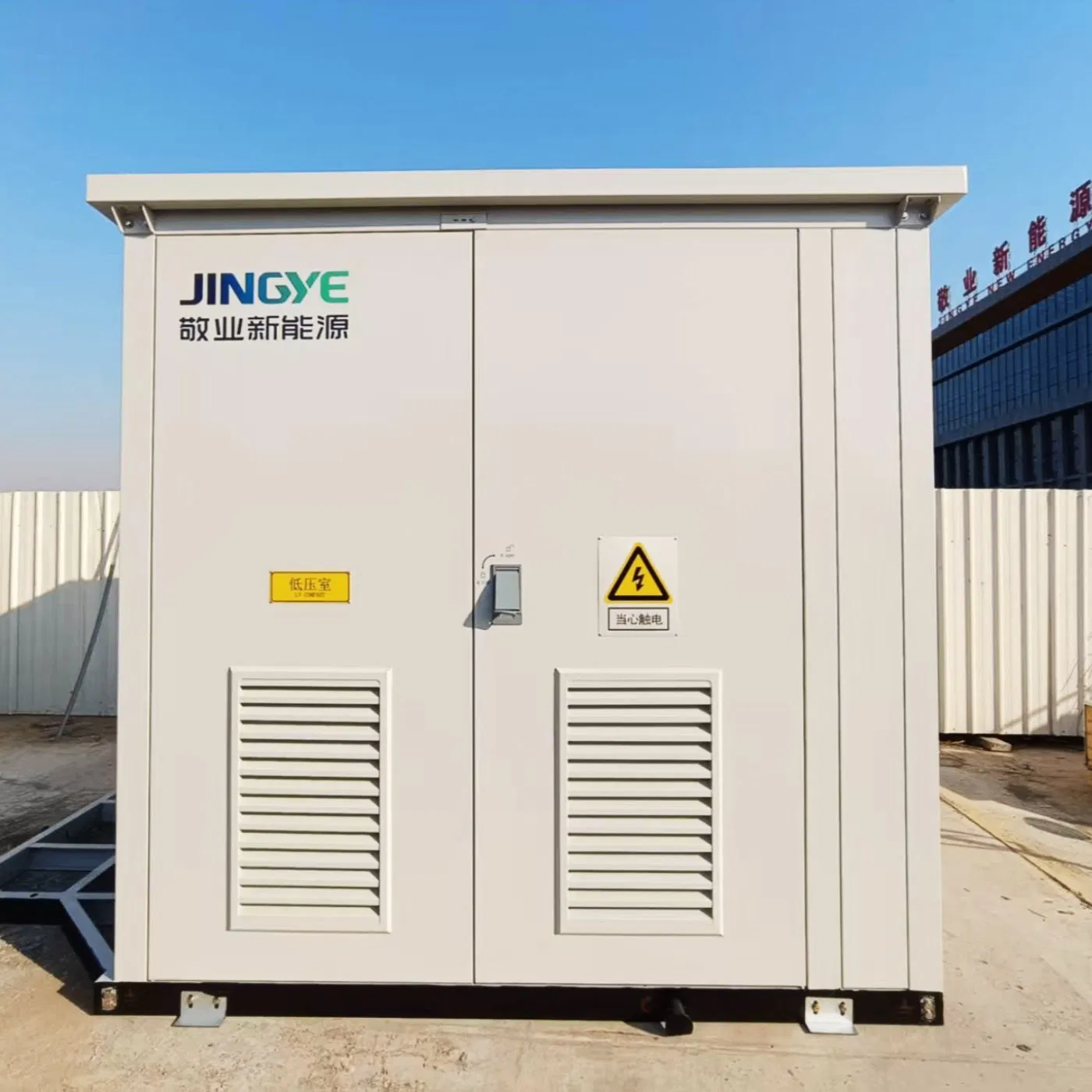
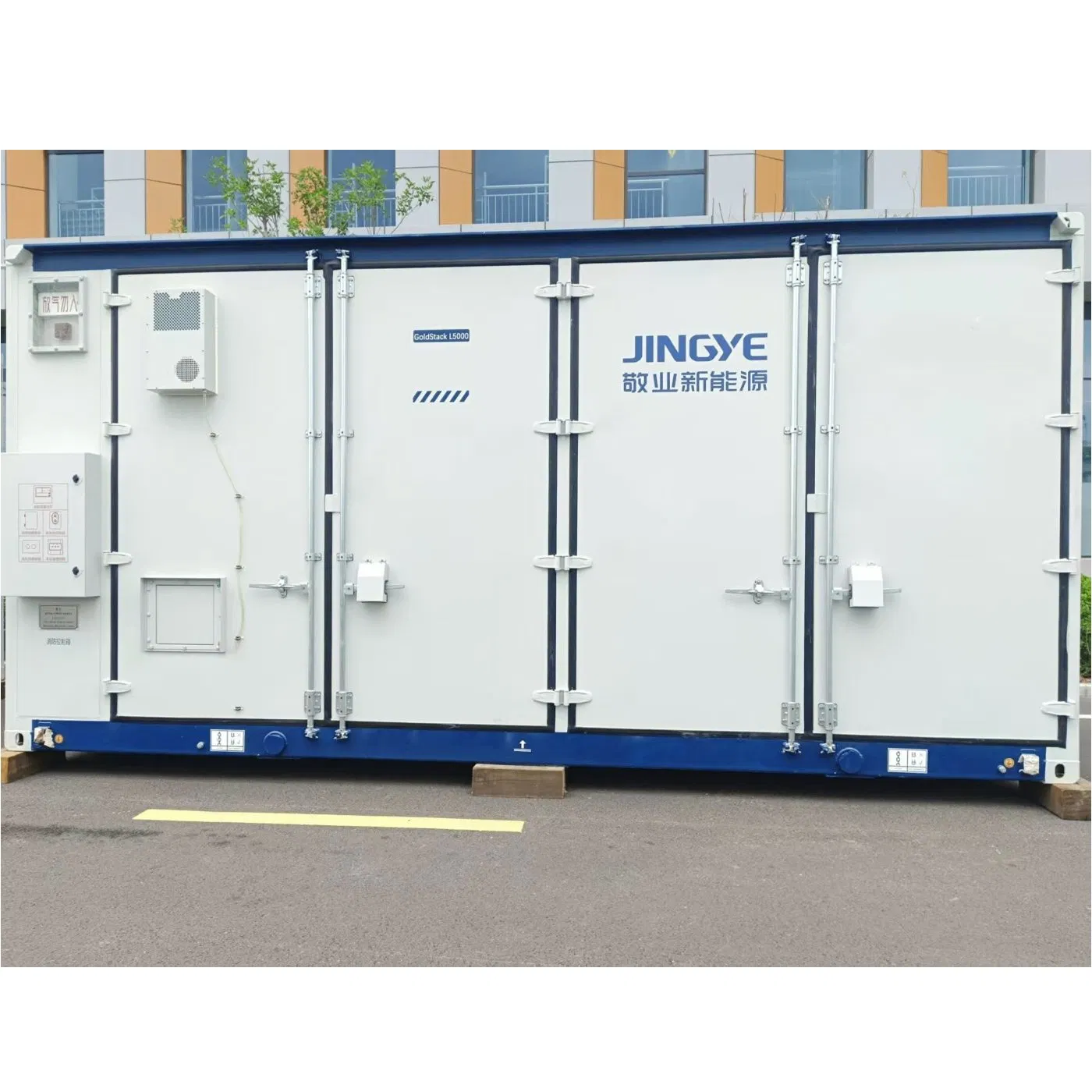
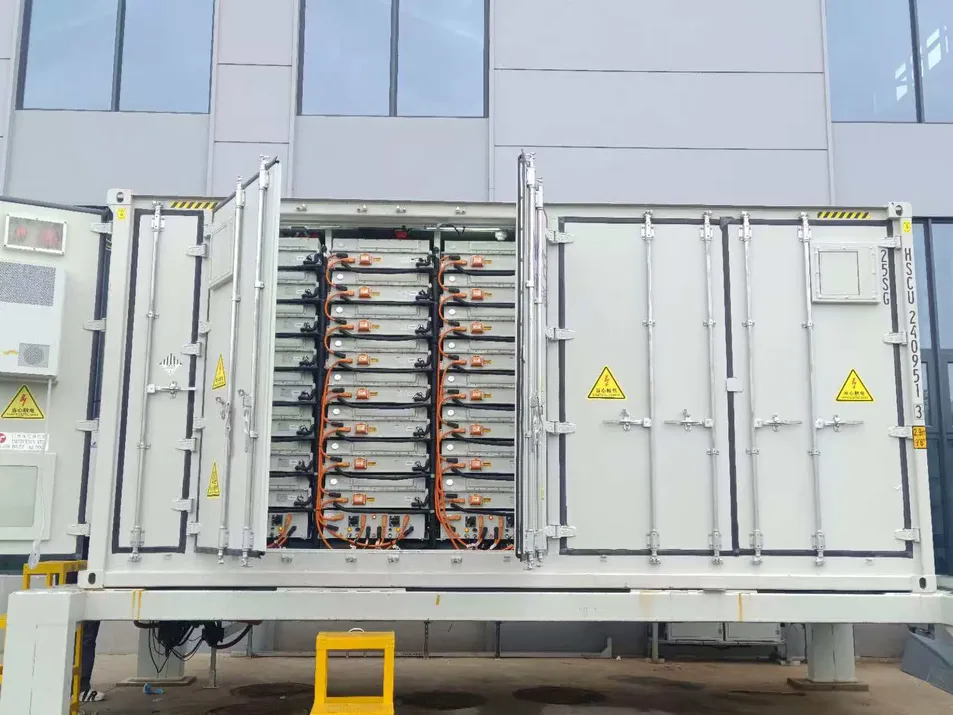
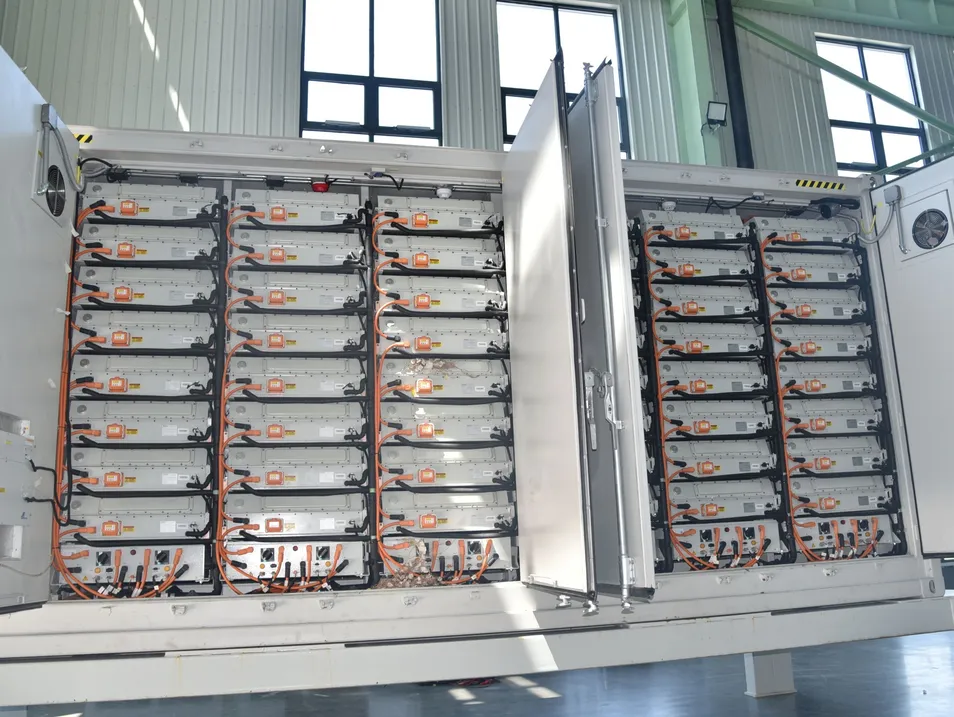
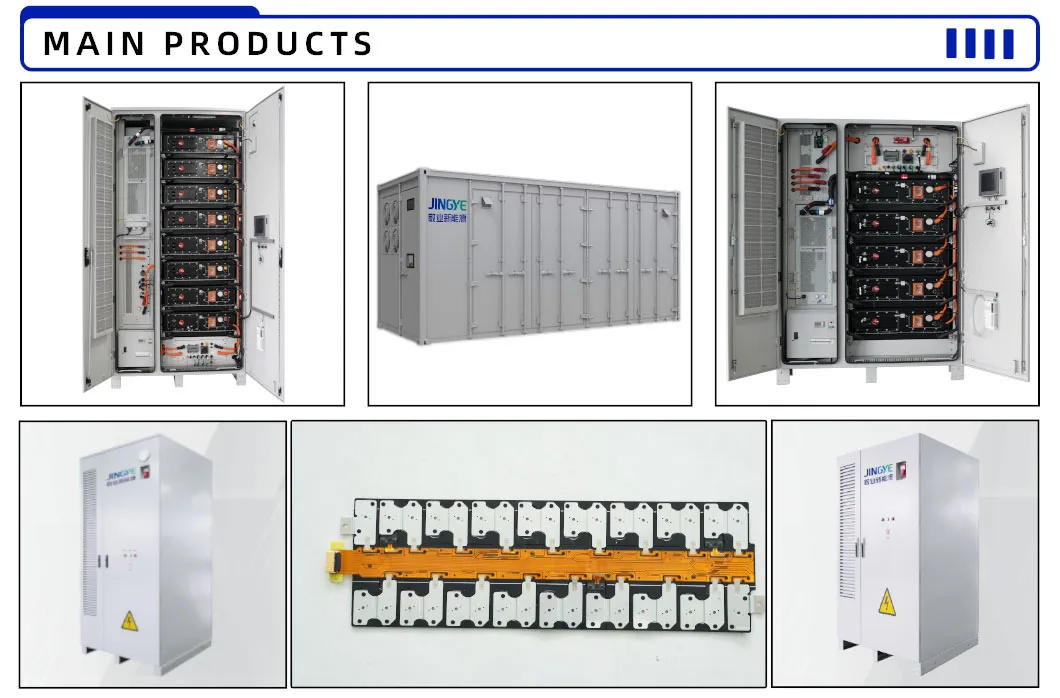
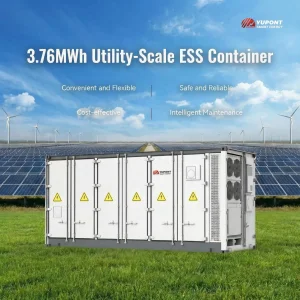
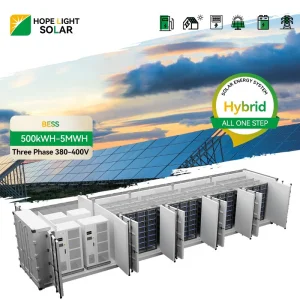
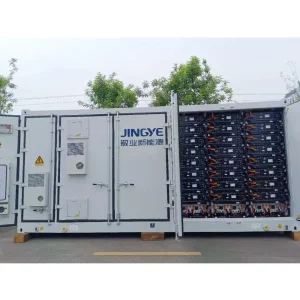
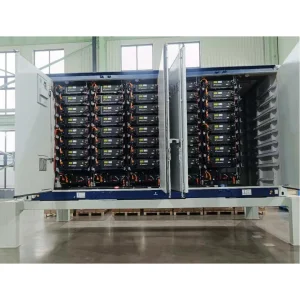
5015KWh Liquid Cooling energy storage system based on domestic high-capacity 314Ah energy storage cells, consisting of a 104S long PACK, battery cluster units, battery management systems, fire protection systems, lighting systems, thermal management systems, electrical systems, and environmental control systems.
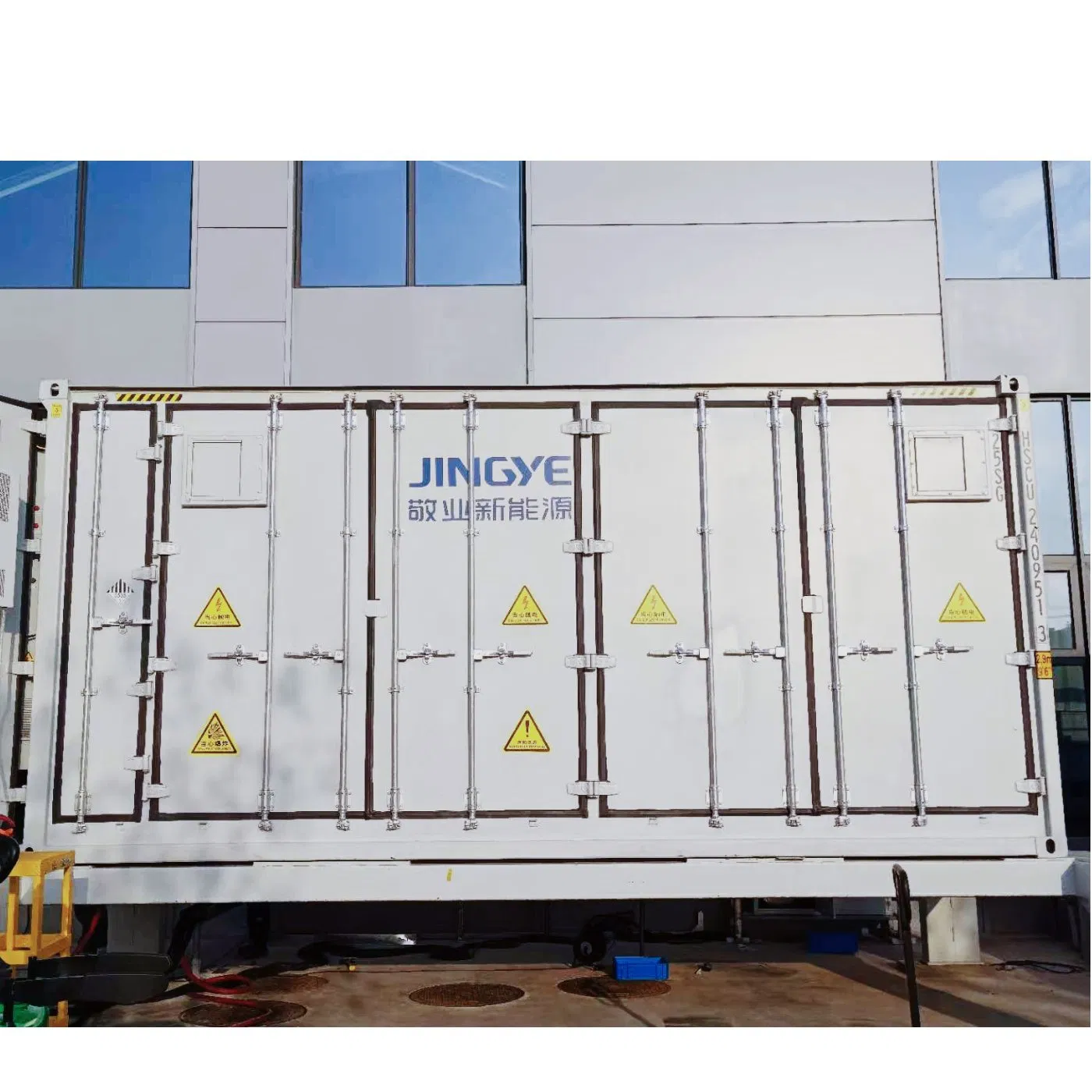
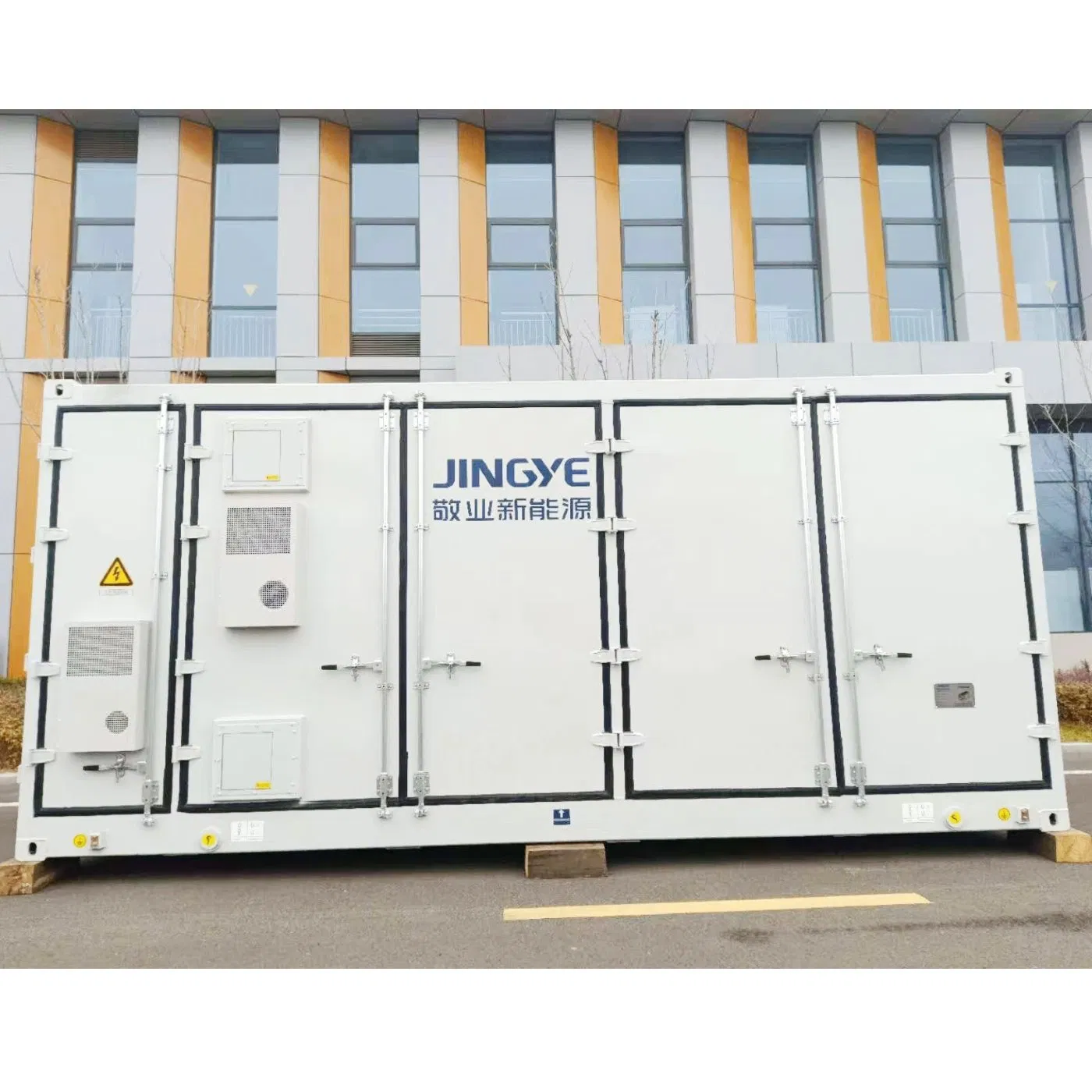
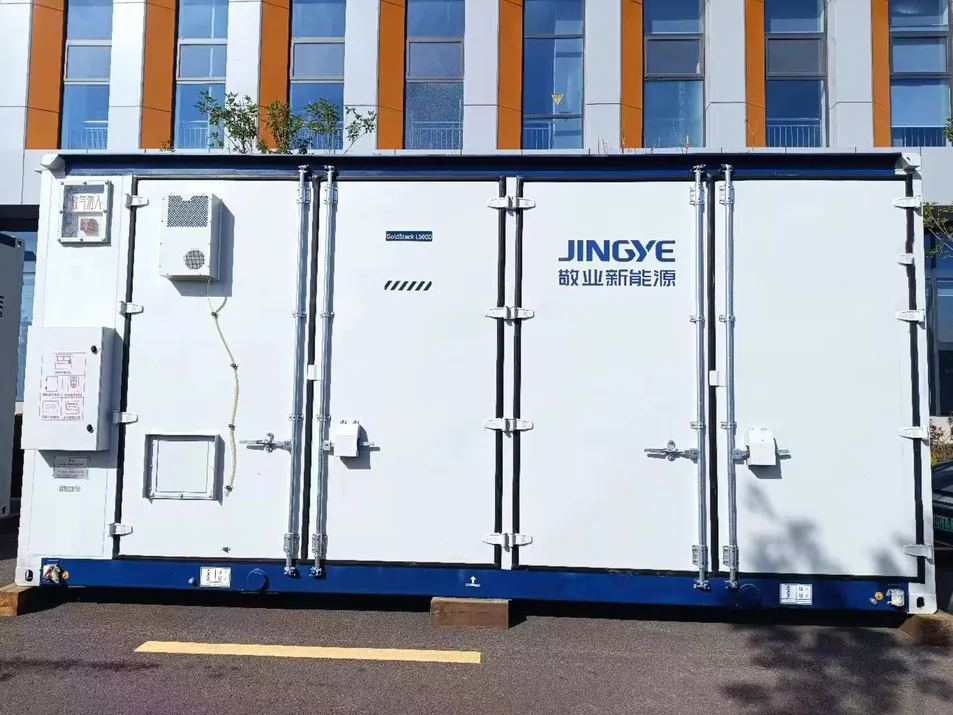
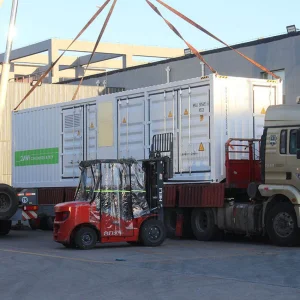
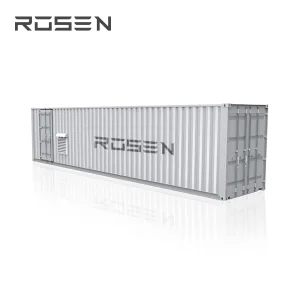
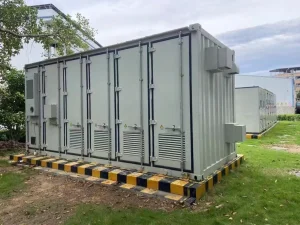
The energy storage system uses simplified integration technology, installing PACK, distribution busbars, liquid cooling units, temperature control systems, and fire protection systems within a standard 20-foot container (2438mm-2896mm-6058mm), arranged in three compartments, ensuring safety control while being suitable for various transportation conditions and site designs.
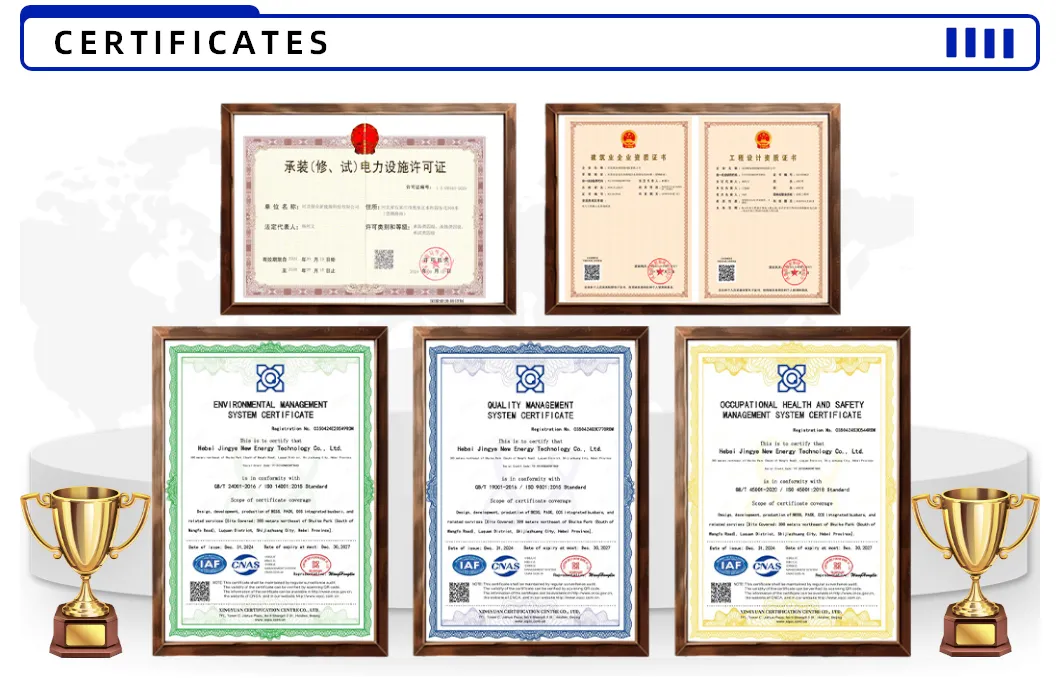
Production & Quality Control
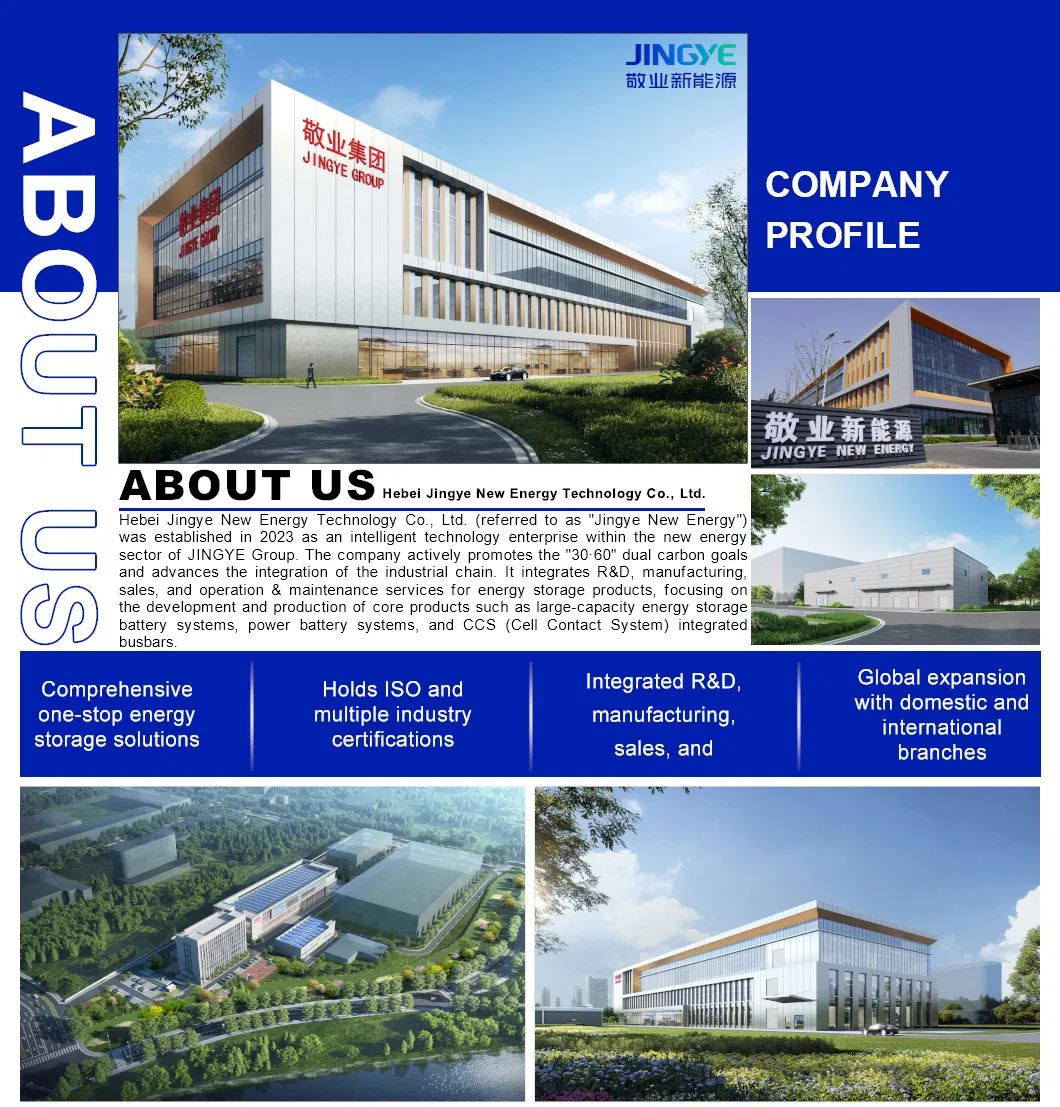
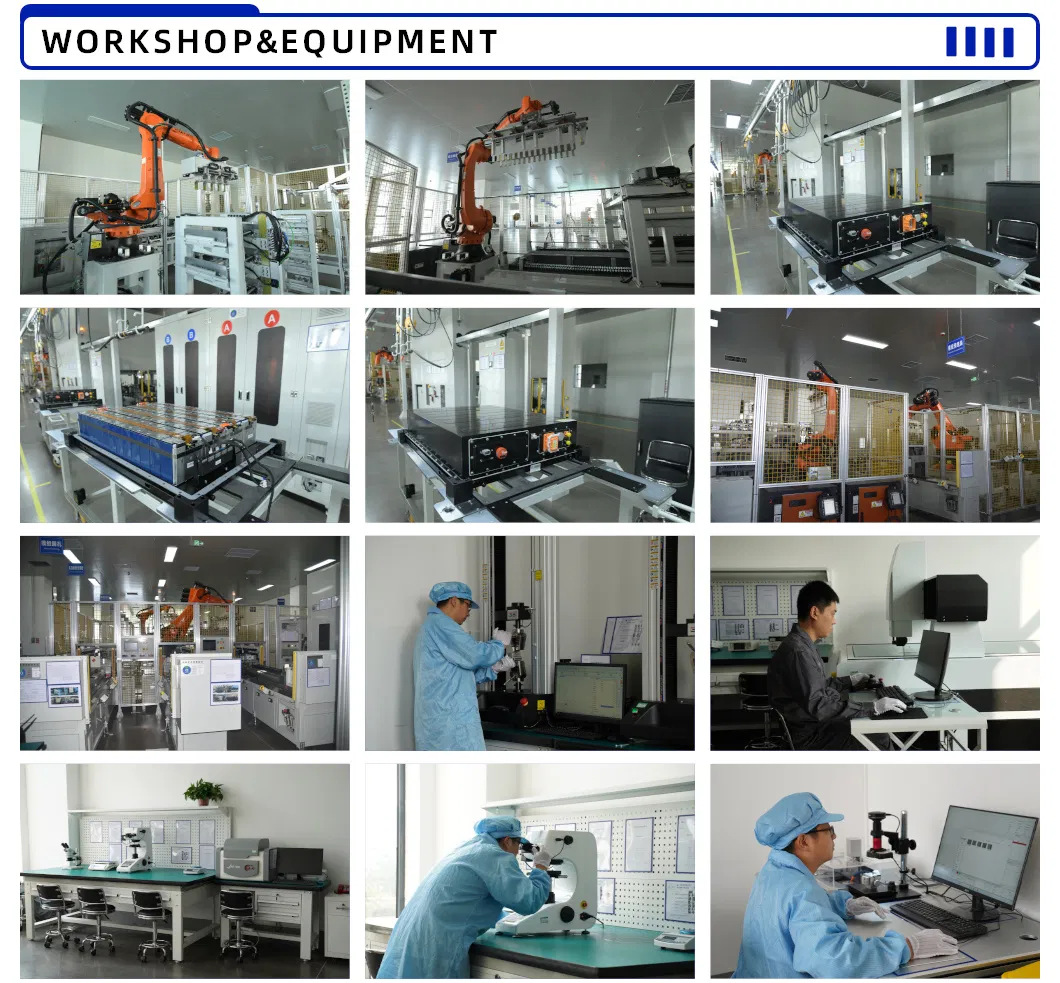
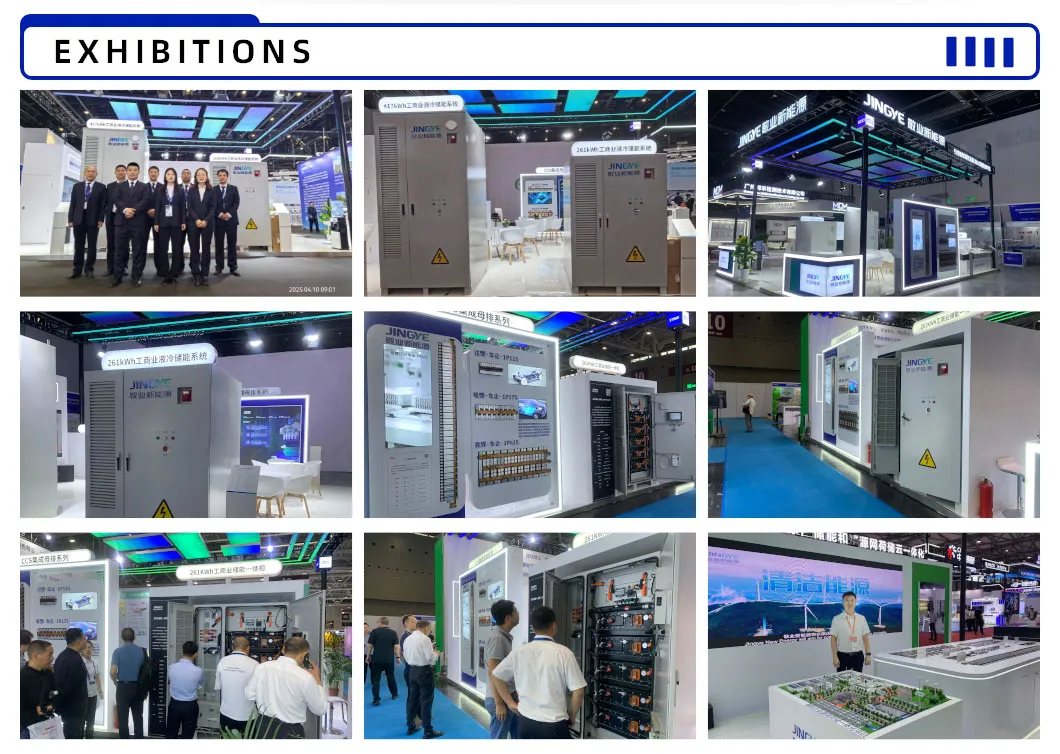
The manufacturer possesses an advanced automated production line with an annual capacity of 5 GWh for energy storage systems and 2.4 million CCS busbars. These solutions are widely applied in smart grids, renewable energy storage, industrial power, and green transportation.
Frequently Asked Questions
Q1: What is the primary application of the 5MWh Energy Storage Container?
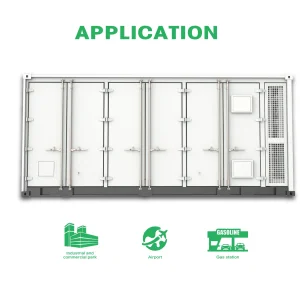
A: It is designed for utility-scale energy storage, wind and solar power distribution, and large-scale industrial or commercial energy management.
Q2: How does the liquid cooling system benefit the battery life?
A: The high-precision liquid cooling system maintains internal temperature differences within 3-5℃, which significantly reduces battery degradation and enhances safety.
Q3: Do you support customized energy storage solutions?
A: Yes, we offer flexible customization services for various battery capacities, power ratings, and process requirements to meet specific project needs.
Q4: What fire suppression systems are integrated into the container?
A: We use a three-level automatic alarm and fire extinguishing system, with options for perfluorohexane or aerosol suppression agents.
Q5: Is the system suitable for high-altitude environments?
A: Yes, the system is designed to operate at altitudes up to 4000m, with appropriate derating considerations for higher elevations.
Q6: What communication protocols are supported for system monitoring?
A: The system supports standard industrial protocols including Ethernet, CAN, and ModbusRTU for seamless integration with local or remote monitoring systems.
 Symbion Energy