Explore our high-density battery architectures designed for utility grid integration, remote microgrids, and Commercial & Industrial applications.
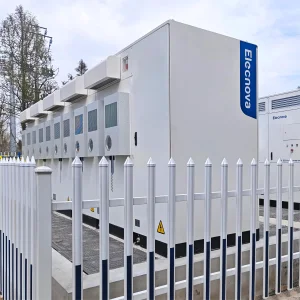
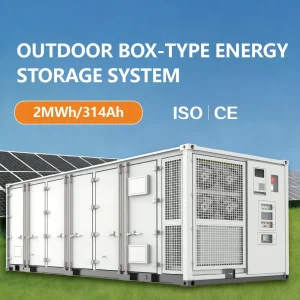
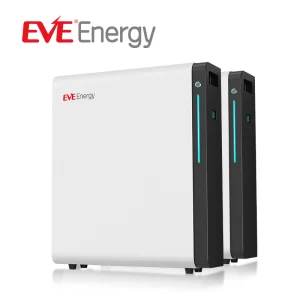
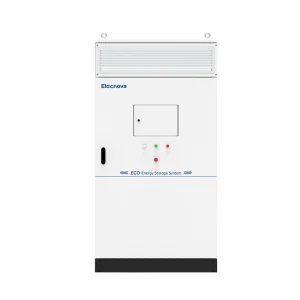
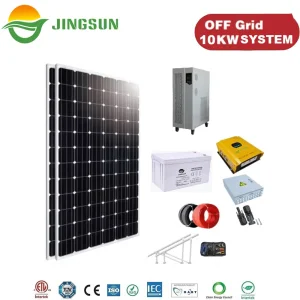
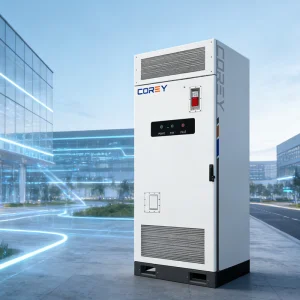
Modern electrical grids face unprecedented volatility due to the rapid integration of intermittent renewable sources. The global C&I (Commercial & Industrial) and utility-scale sectors are shifting aggressively from passive power consumer systems to interactive, bi-directional smart storage nodes. To achieve this, companies demand CE-certified, high-reliability Battery Energy Storage Systems (BESS) capable of fulfilling multiple grid functions simultaneously.
Hangzhou Symbion Energy Co., Ltd. sits at the forefront of this shift, offering containerized and modular BESS setups that enable operators to execute peak shaving, load leveling, and dynamic frequency regulation. By deploying safety-first battery systems, our industrial clients drastically reduce demand charges, insulate operational equipment from utility-grid anomalies, and actively participate in demand response markets.
Advanced Factory Size
Energy Engineers
Cell Cycles (80% DoD)
Global Standards
Our commitment to continuous technology innovation guarantees peak safety, extended cycle lives, and industry-leading volumetric energy densities.
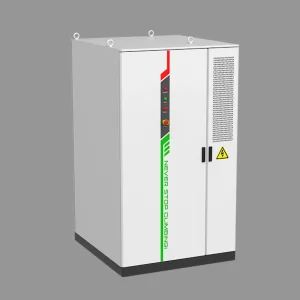
Our flagship 261kwh and 241kwh C&I cabinets implement closed-loop liquid cooling. By achieving internal thermal consistency within ±2°C across cells, we minimize battery aging rates and dramatically improve round-trip efficiency (RTE) to over 90%.
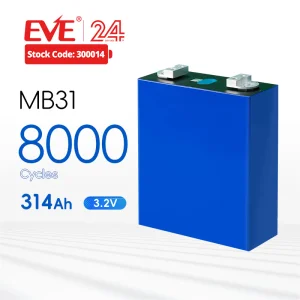
We work in alignment with world-class cells, integrating premium EVE 314Ah lithium iron phosphate (LiFePO4) chemistries. LiFePO4 represents the global standard for thermal runaway resistance, non-toxicity, and exceptional lifecycle economies.
Through our integrated Energy Management Systems (EMS), plants monitor state of charge (SoC), state of health (SoH), and voltage drift in real-time. Automated AI algorithms optimize dispatch strategies based on historical load curves.
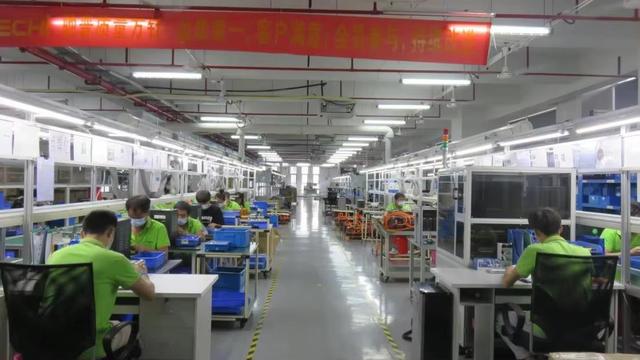
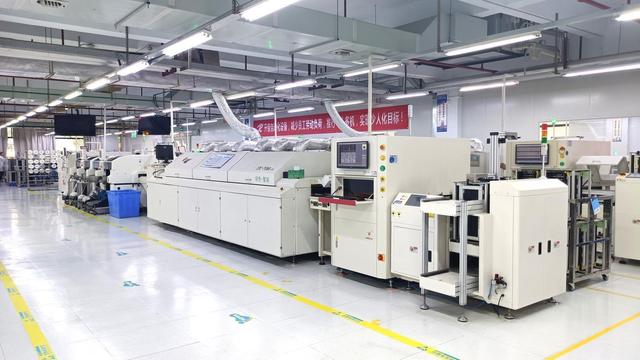
Hangzhou Symbion Energy Co., Ltd. operates a high-capacity, state-of-the-art facility spanning over 20,000 square meters in Hangzhou, China. Leveraging the geographical cluster of raw lithium extraction, high-precision module assembly, and robust testing infrastructure in the Zhejiang economic zone, we offer uncompromised value, scale, and turnaround speed.
Our localized supply chain mitigates material supply bottlenecks, ensuring structural components, cooling hardware, and battery cells are procured without international delay. This integrated approach ensures consistent quality control from early-stage cell grading to complex multi-megawatt outdoor containerizations.
Customizing containerized microgrids and off-grid system architectures to support critical infrastructures worldwide.
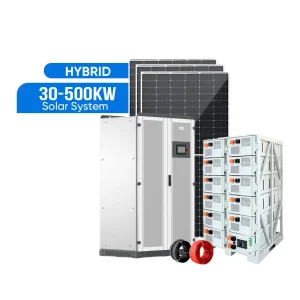
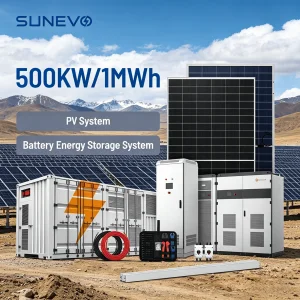
By pairing high-power hybrid PCS (Power Conversion Systems) with LFP battery arrays, remote islands and mining communities replace high-cost diesel systems with resilient, 100% clean solar-wind-storage hybrids.
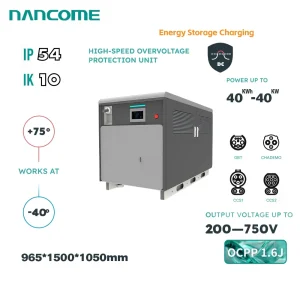
To avoid high grid upgrades for high-speed EV chargers, operators implement our BESS as local energy buffers. These units discharge rapidly to support heavy vehicle charging and recharge during low-demand periods.
Sudden blackouts lead to expensive plant downtime. Our fast-switch containerized solutions transfer critical factory loads to full backup batteries in under 10 milliseconds, safeguarding precision CNC and assembly lines.
Navigating varying regional grid standards is a major bottleneck for utility engineers. Hangzhou Symbion Energy structures all BESS deployments to comply with strict international benchmarks, maintaining CE, UN38.3, UL9540A, IEC 62619, and local EN grid connection codes.
By validating our production processes through third-party audits, we guarantee that each shipment is structurally compliant and safe for fast-tracked customs, permitting, and grid-connection. Additionally, our comprehensive OEM/ODM services enable global engineering firms to custom-brand, integrate specific EMS software, and deliver turnkey localized solutions with on-site engineering support.
Key technical, safety, and operational insights for utility designers, project developers, and system integrators.
Liquid cooling provides significantly higher heat transfer coefficients compared to forced air systems. It keeps the average operating temperature of cells between 20°C and 30°C while maintaining temperature variance across the pack within ±2°C. This limits localized degradation (hot spots), prevents thermal runaway propagation, and extends the BESS cycle life by 15-20% compared to traditional air-cooled structures.
CE certification confirms compliance with essential European safety, health, and environmental safety regulations (such as EN 62619 for lithium batteries and EN 61000 for electromagnetic compatibility). Without it, local grid operators will reject grid-connection authorization, insurance companies may deny coverage, and import clearance can be stalled. Our products are fully tested and certified to ensure fast-tracked compliance.
The EVE 314Ah cell features high volumetric density and a robust design that supports over 6,000 cycles at 80% Depth of Discharge (DoD). By packaging higher energy capacity into a smaller footprint, it reduces mechanical structure costs, HVAC power consumption, and wiring overheads, leading to a much lower Levelized Cost of Storage (LCOS) over a typical 10-to-15-year operational window.
Our battery enclosures feature multi-tiered safety systems. This includes: (1) Unit-level Battery Management Systems (BMS) with high-accuracy voltage/temperature tracking; (2) Gas detection systems for off-gas detection; (3) Clean agent fire suppression systems; and (4) Structural blast panels to isolate any thermal events.
Yes. Our integrated BESS uses open communication protocols (such as Modbus TCP/IP, CAN, and IEC 61850) that allow seamless connection with external SCADA systems, PV inverters, and wind turbine controllers. This guarantees coordinated energy flow and enables advanced functions like dynamic generation smoothing and peak shaving.
We provide full structural, electrical, and digital customization. This includes custom cabinet designs to fit specific site dimensions, custom DC voltage systems (ranging from 400V to 1500V), third-party EMS software integration, and customized shipping configurations for immediate on-site deployment.
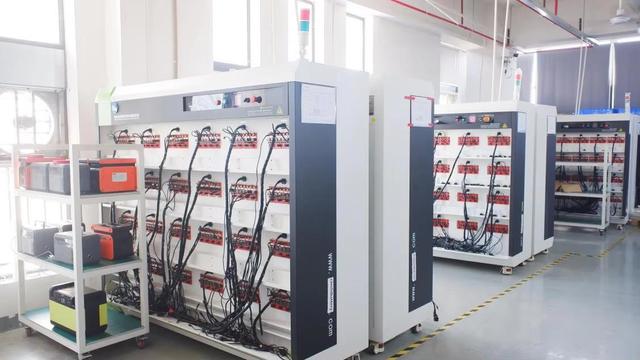
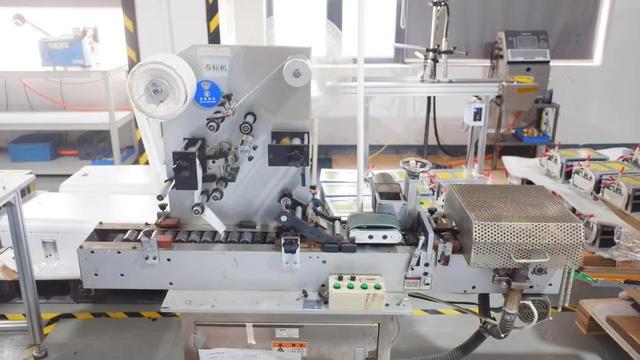
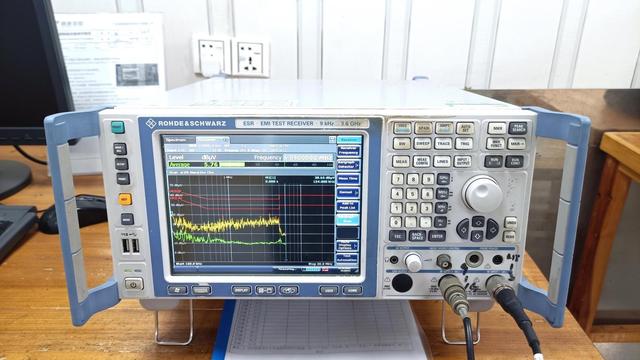
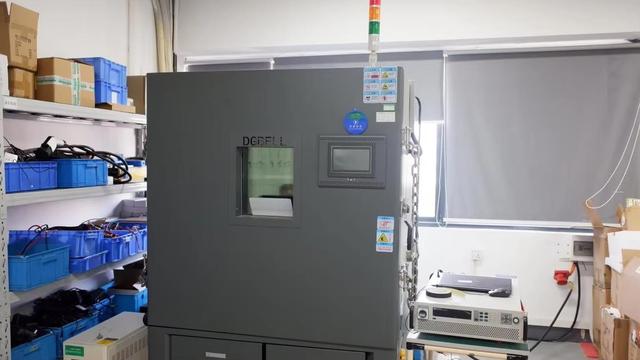
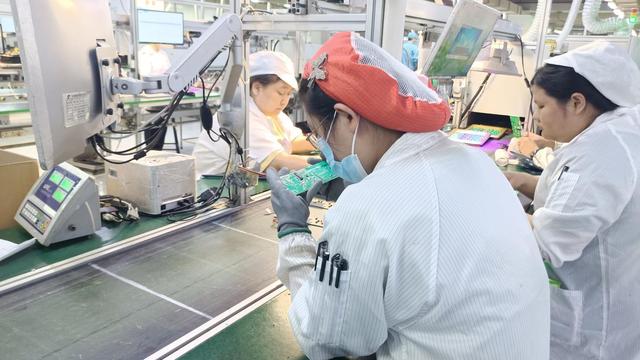
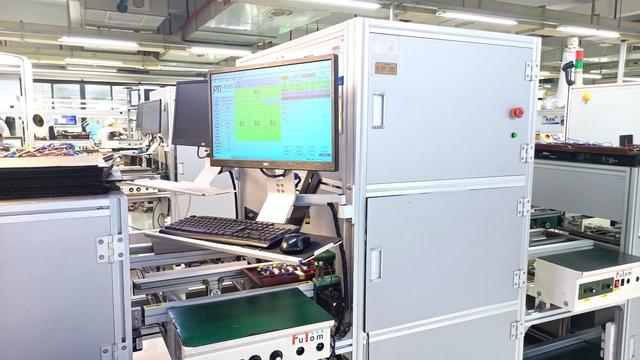
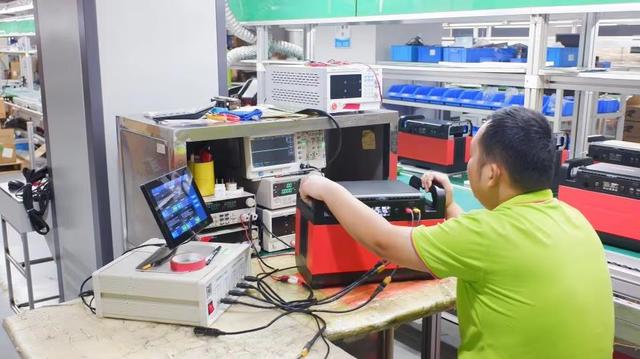
Direct view of Hangzhou Symbion Energy’s assembly floor, testing systems, and containerized integration workshops.
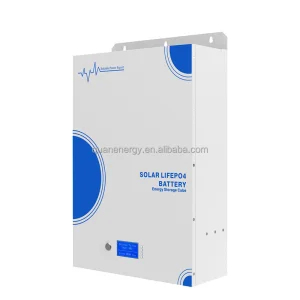
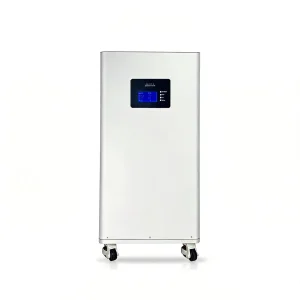
Explore additional customizable container units, smart microgrid controllers, and modular smart battery kits.
 Symbion Energy