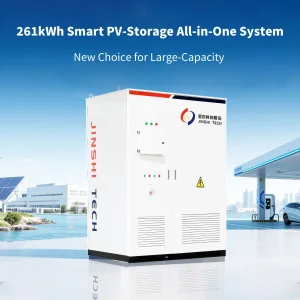
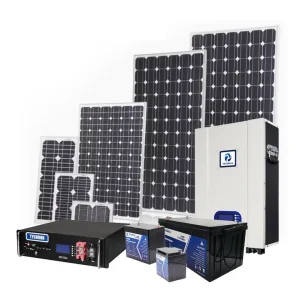
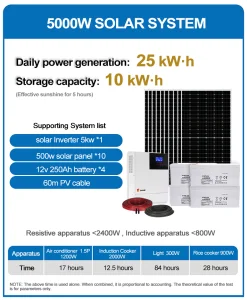
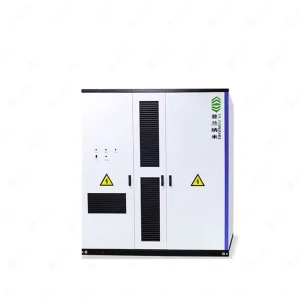
Engineered to operate seamlessly under extreme weather and fluctuating grid loads, providing reliable backup and high-capacity performance.
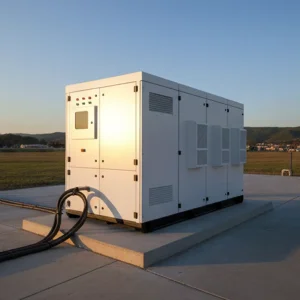
Detroit, Michigan—the heart of American automotive innovation—is undergoing an unprecedented energy transition. As manufacturers scale up Electric Vehicle (EV) assembly lines and battery fabrication centers, local utilities face extreme peak loads. Coupled with Michigan’s historically high industrial electricity rates and severe winter storms that jeopardize grid stability, businesses are increasingly exposed to costly operational downtime.
Installing an Off-Grid Battery Energy Storage System (BESS) acts as a strategic buffer. By integrating localized solar arrays and heavy-duty battery storage, Tier-1 automotive suppliers, stamping plants, and warehousing facilities can completely isolate critical operations during utility failures. Implementing off-grid energy storage not only mitigates demand charges from utilities like DTE Energy but also facilitates compliance with environmental, social, and governance (ESG) targets.
Capable of shifting from idle to full discharge in under 10 milliseconds, defending sensitive robotics and assembly lines from voltage sags.
Engineered exclusively with Lithium Iron Phosphate chemistry, featuring high thermal stability to operate reliably down to -20°C in Detroit winters.
As an industry leader, Symbion Energy continually researches, tests, and deploys high-performance energy infrastructure to meet strict global specifications.
For high C-rate applications, we utilize advanced liquid cooling systems. Liquid cooling ensures uniform cell temperature gradients within ±2°C, drastically extending cell lifespan and reducing parasitic power consumption compared to traditional air-cooled cabinets.
Our proprietary Battery Management System (BMS) offers real-time monitoring of voltage, current, and temperature at the cell level. Active balancing technology equalizes cell capacity differences on the fly, preventing local overcharging or deep discharging.
All microgrid systems connect to our secure Energy Management System (EMS). By analyzing historic weather forecasts, load curves, and dynamic utility rates, the EMS optimizes charging cycles, minimizing levelized cost of storage (LCOS).
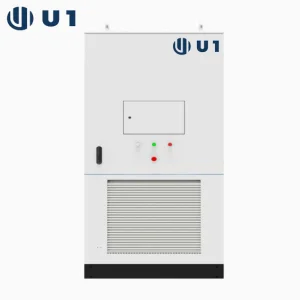
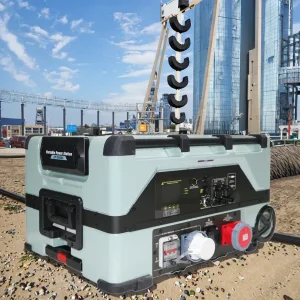
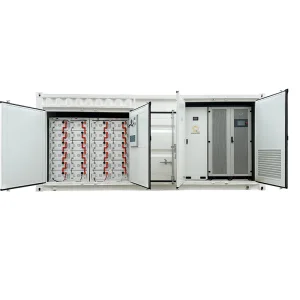
Scalable power solutions designed for rapid field deployment, providing robust modular structures for ultimate capacity extension.
Hangzhou Symbion Energy Co., Ltd. is a professional manufacturer specializing in Battery Energy Storage Systems (BESS), microgrid solutions, and smart energy management technologies for commercial, industrial, and utility-scale applications. Established in 2014 and located in Hangzhou, Zhejiang Province, China, the company is dedicated to supporting the global transition toward cleaner, more reliable, and more efficient energy infrastructure. With a manufacturing facility covering over 20,000 square meters and a workforce of more than 280 employees, Symbion Energy provides advanced energy storage solutions to customers worldwide.
By operating under strict Industry 4.0 standards, we leverage vertical integration in the lithium supply chain. Located in the Yangtze River Delta battery manufacturing cluster, Symbion Energy guarantees consistent cell supply, rigid mechanical testing, and direct cost savings for Detroit exporters and global procurement agents.
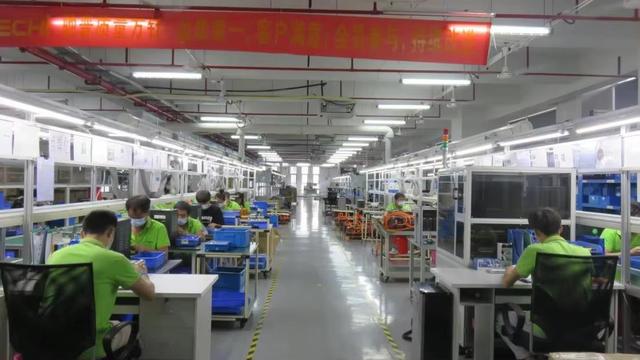
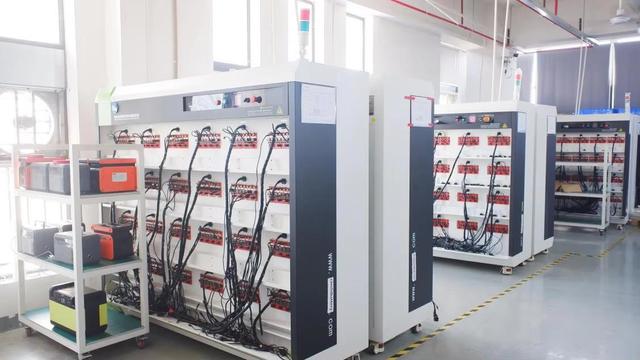
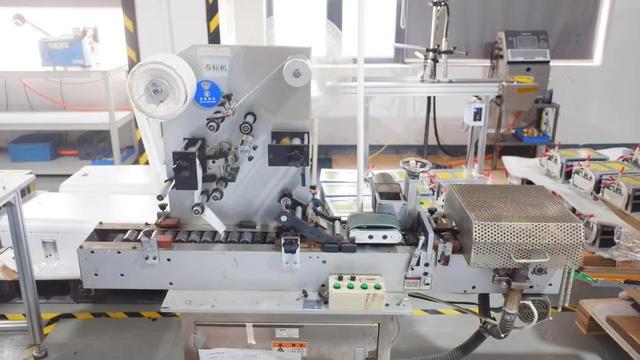
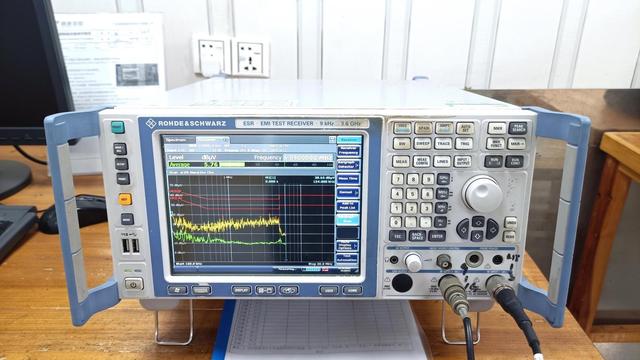
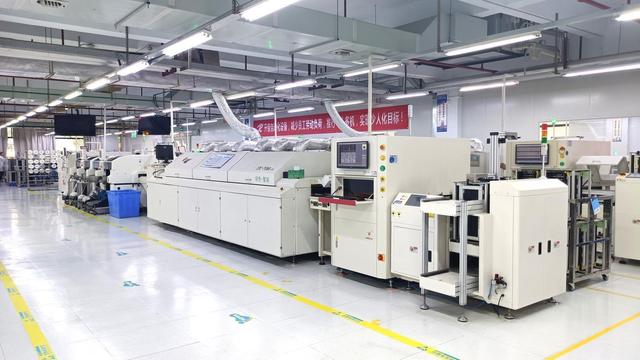
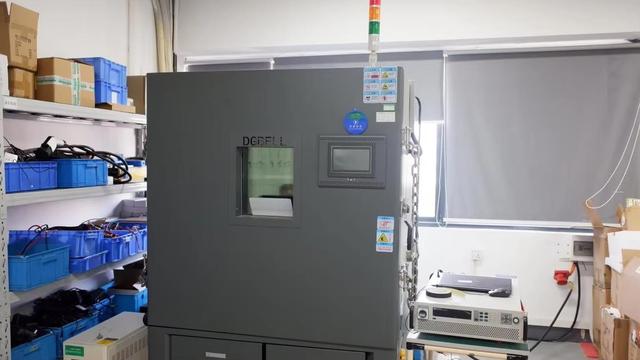
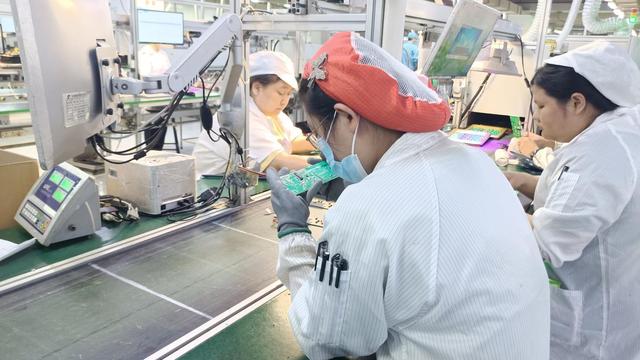
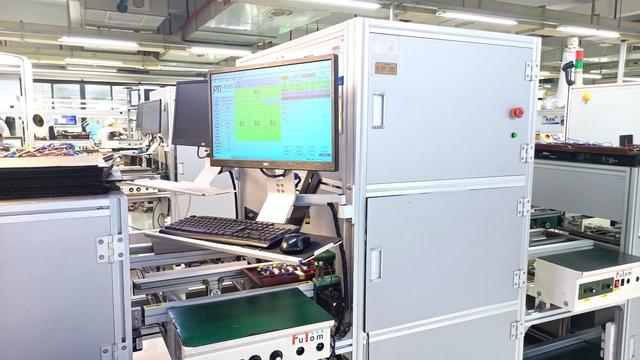
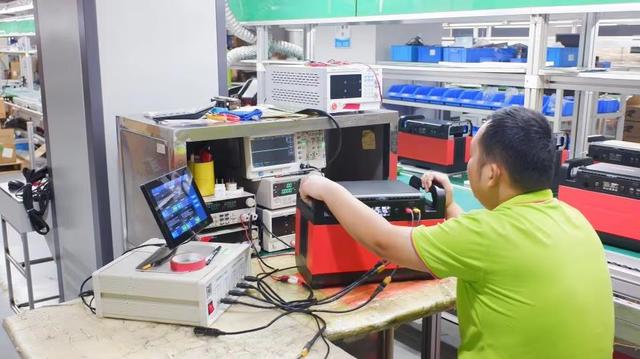
Our production facilities utilize modern assembly lines, dedicated cell-sorting robotics, high-precision laser welding equipment, and automated aging testing chambers. This meticulous integration process ensures that every containerized BESS or wall-mounted home unit leaving our floor is resilient, compliant, and ready to install under harsh environmental conditions.
"Symbion Energy controls the entire development loop from design to final thermal runaway safety validation, delivering commercial-grade battery storage setups that lower operational costs and keep industries moving."
Importing large-scale energy storage into the Detroit market requires strict compliance with US and local standards. Cities within Metro Detroit maintain rigid permitting codes regarding fire safety, indoor containment, and grid interconnection.
Our engineering team works closely with project developers and Engineering, Procurement, and Construction (EPC) contractors to guarantee full compliance with standard North American certifications:
We partner with certified local field service teams across Southeast Michigan. From mechanical assembly and wiring connection to final commissioning and annual preventive maintenance, our network keeps your off-grid storage running with minimal lag time.
Need assistance with municipal engineering permits? Our team supports EPC developers with exhaustive layout schematics and hazard analyses.
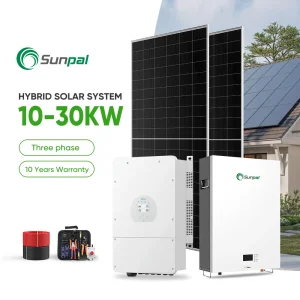
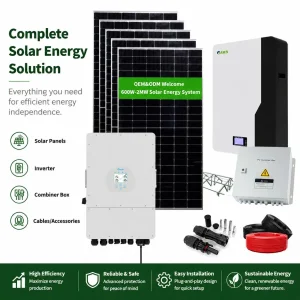
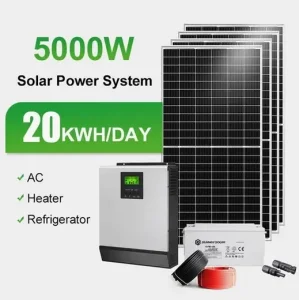
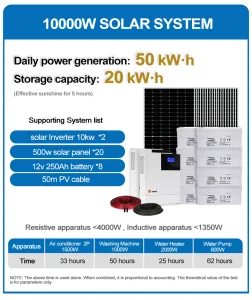
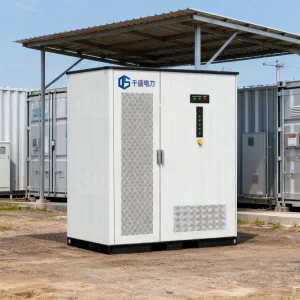
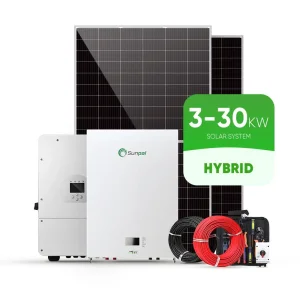
Select from our production-ready systems, fully customizable to integrate with solar arrays, diesel generators, and localized grid connections.
Critical engineering and logistics insights for Detroit buyers and global BESS system integrators.
Lithium Iron Phosphate (LiFePO4 or LFP) offers superior thermal stability, safety, and operational longevity. It avoids the risk of thermal runaway associated with NMC chemistries. LFP packs can survive over 6000 cycles at 80% Depth of Discharge (DoD), yielding a lower levelized cost of energy storage (LCOS). In Michigan's cold winters, LFP, when paired with our integrated heating thermal management system, maintains excellent charge/discharge efficiency down to -20°C.
All our larger systems are designed to comply with UL 9540 and UL 9540A certification standards, assessing thermal runaway prevention. This compliance satisfies municipal inspectors and local fire safety guidelines (NFPA 855). For grid connectivity, we install inverters and controllers certified under IEEE 1547, facilitating smooth permitting and interconnection approvals from utilities like DTE Energy.
Yes, we offer comprehensive OEM and ODM options. Our engineers can customize cabinet sizing, ingress ratings (e.g., NEMA 3R, NEMA 4X, IP55, IP65), branding, liquid cooling integration, active balancing BMS protocols, and communication networks (Modbus TCP, CAN, DNP3) to match specific project parameters or utility rules.
Typically, manufacturing and full testing protocols at our Hangzhou plant take 30 to 45 days, depending on system complexity. Sea shipping from Shanghai or Ningbo ports to the East Coast or Midwest hubs (via rail transit to Detroit) usually takes another 30 to 40 days. In total, we recommend allocating a lead time of 75 to 90 days from design approval to arrival.
Connect directly with our engineering specialists. Receive customized technical specifications, layout designs, and competitive factory-direct quotes tailored for the Detroit industrial and residential markets.
Send Inquiry Now Symbion Energy