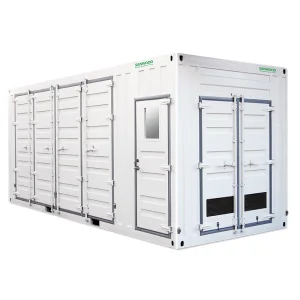
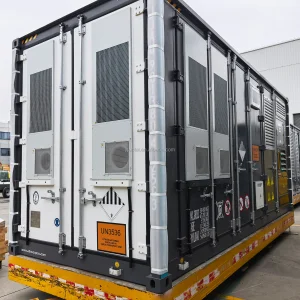
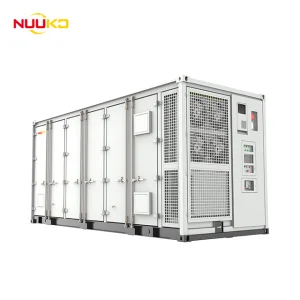
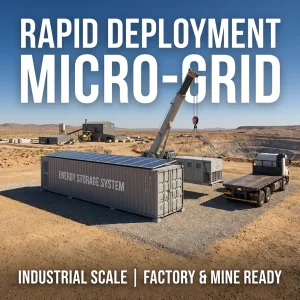
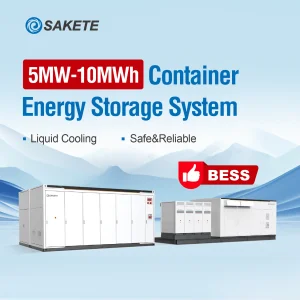
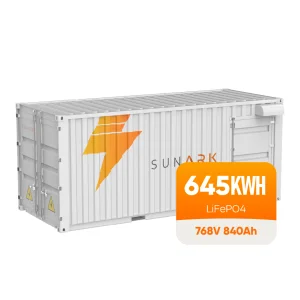
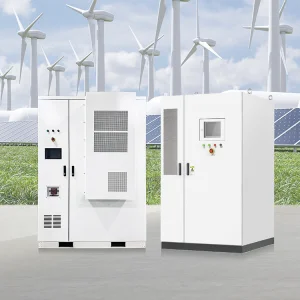
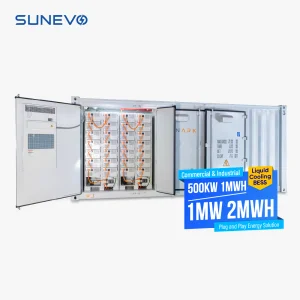
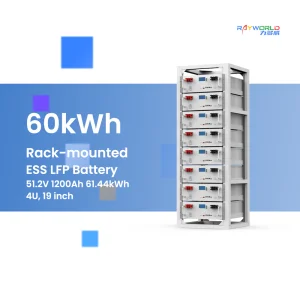
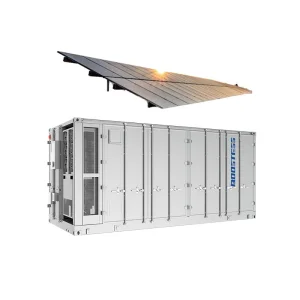
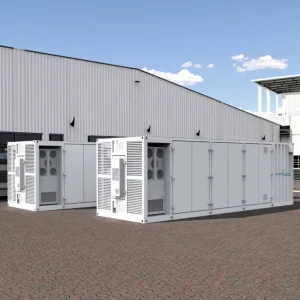
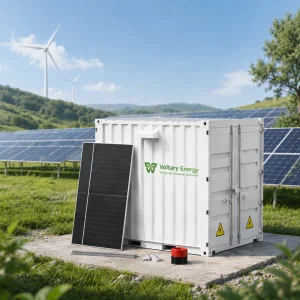
Uruguay stands as a global beacon for renewable energy, having already achieved over 97% of its electricity generation from renewable sources. However, as the nation moves into its "Second Energy Transition," the focus has shifted toward the electrification of the industrial sector and the transport industry. This shift creates a massive demand for high-capacity Containerized Battery Energy Storage Systems (BESS) to manage grid stability, integrate intermittent wind and solar surpluses, and support the burgeoning Green Hydrogen projects in the region.
From the massive pulp mills along the Uruguay River to the tech-driven data centers in Montevideo, Uruguayan industries require "Zero-Downtime" power. Fluctuations in the grid can lead to millions in lost revenue. Our BESS solutions offer Peak Shaving and Seamless Backup, ensuring that industrial operations remain resilient against external grid volatility. As a leading supplier to Uruguay, we understand the local grid codes and the specific humidity-resistant requirements for systems deployed near the Rio de la Plata.
To provide true Information Gain to our partners, we move beyond simple battery assembly. We integrate the latest technological shifts that define the 2024-2030 energy horizon.
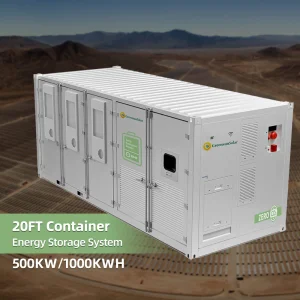
While the industry standard has long been 280Ah cells, we are now exporting 314Ah LiFePO4 cells to the Uruguayan market. This allows for a 5MWh+ capacity within a standard 20ft container, reducing the project footprint by 15% and lowering Civil Balance of System (C-BOS) costs significantly.
For large-scale utility projects in Uruguay, we recommend Liquid Cooling systems. This technology ensures a temperature variance of less than 3°C between cells, extending the battery cycle life to over 6,000–8,000 cycles at 80% Depth of Discharge (DOD). In the humid climate of Uruguay, liquid cooling also provides a completely sealed environment (IP55/IP66), protecting internal components from corrosion.
Our Energy Management Systems (EMS) are now equipped with AI algorithms that predict weather patterns and local electricity pricing in Uruguay. This allows for "Arbitrage Optimization"—storing energy when wind production is at its peak and selling it back or using it when prices spike.
Hangzhou Symbion Energy Co., Ltd. is a professional manufacturer specializing in Battery Energy Storage Systems (BESS), microgrid solutions, and smart energy management technologies for commercial, industrial, and utility-scale applications. Established in 2014 and located in Hangzhou, China, our company is dedicated to supporting the global transition toward cleaner, more reliable, and more efficient energy infrastructure.
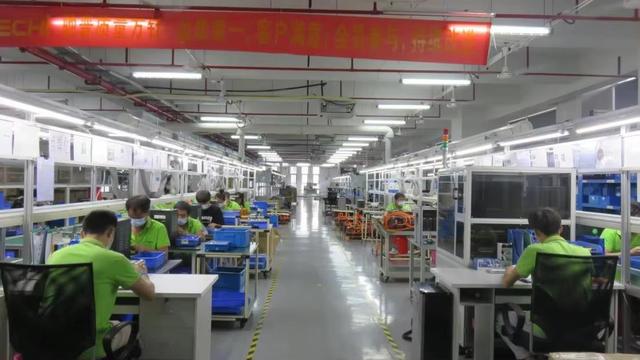
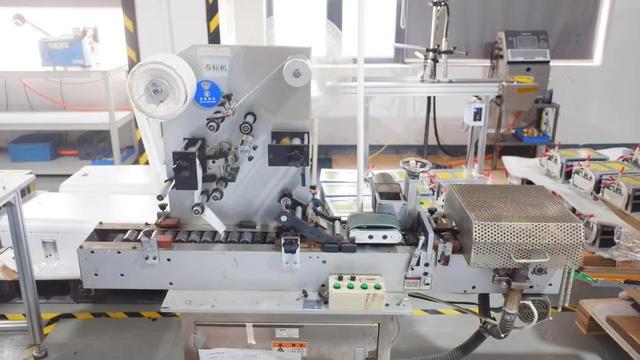
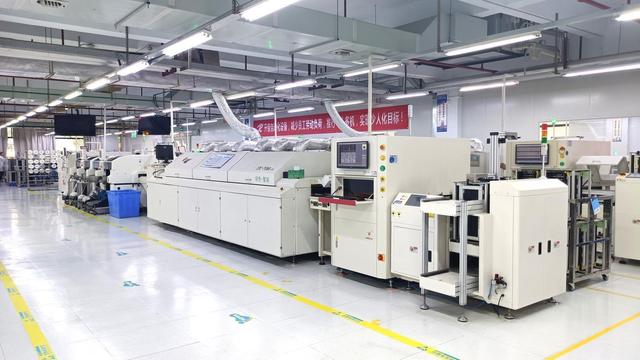
With a manufacturing facility covering over 20,000 square meters and a workforce of more than 280 employees, Symbion Energy provides advanced energy storage solutions to customers worldwide. Our engineering team continuously develops innovative solutions that help customers improve energy efficiency, reduce operational costs, and enhance power resilience.
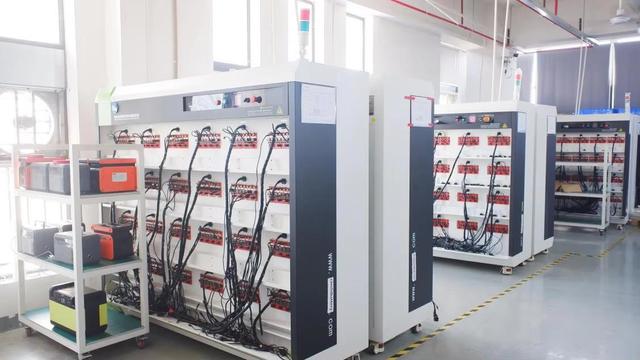
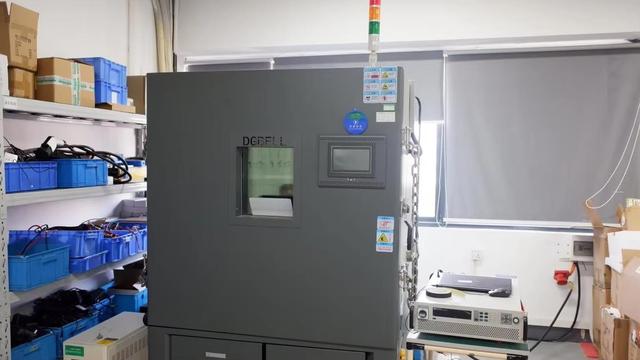
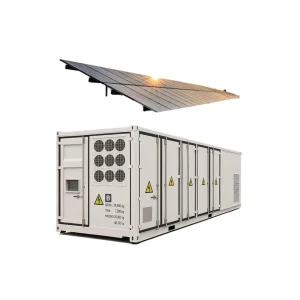
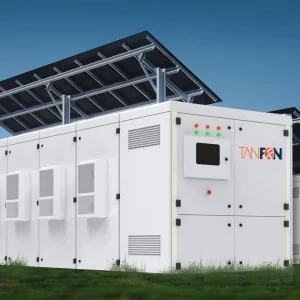
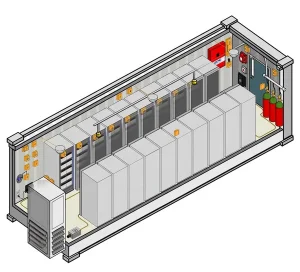
International EPC contractors and energy developers are moving toward "All-in-One" containerized solutions. This minimizes on-site commissioning time. Our systems are pre-assembled, pre-tested, and shipped as a complete unit including PCS, BMS, EMS, and Fire Suppression Systems.
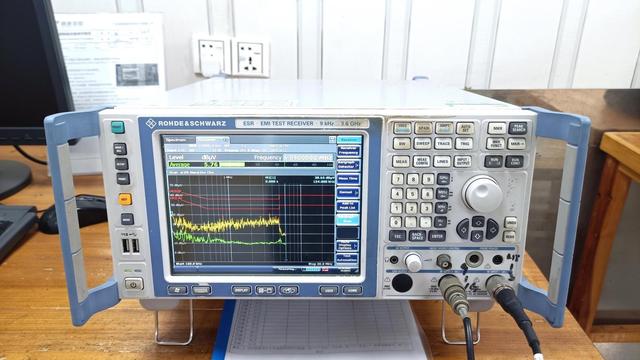
We provide full documentation for LATU (Laboratorio Tecnológico del Uruguay) compliance and adhere to international standards such as IEC 62619, UL 9540A, and UN 38.3. Our local partners in South America provide installation oversight and O&M services.
A: Systems must align with ADME (Administración del Mercado Eléctrico) regulations. Our BESS units support frequency regulation (Primary and Secondary Control) and reactive power support (Volt-VAR), which are critical for Uruguayan grid stability.
A: Uruguay has a temperate climate but high humidity near coastal areas. We utilize C4 or C5-H level anti-corrosion coatings for our containers and IP55-rated enclosures to prevent saline air from entering the battery racks.
A: Yes. One of the main use cases in Uruguay is "Wind-Plus-Storage." Our EMS can integrate directly with SCADA systems to smooth out wind power fluctuations and prevent "curtailment" during high-wind, low-demand periods.
A: Depending on the tariff structure (Peak/Off-peak), many Uruguayan industrial customers see a Return on Investment within 4 to 6 years through energy arbitrage and reduction in "Maximum Demand" charges.
 Symbion Energy