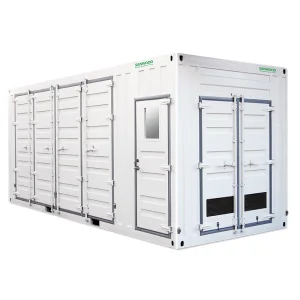
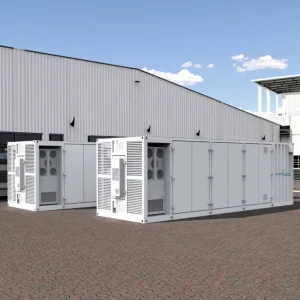
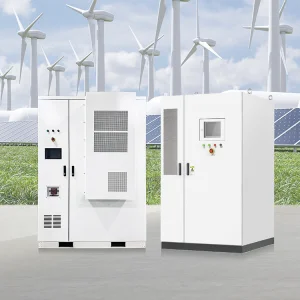
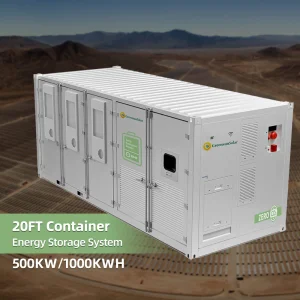
High-performance BESS systems engineered to withstand Namibia's harsh environmental conditions while delivering unmatched grid resilience.
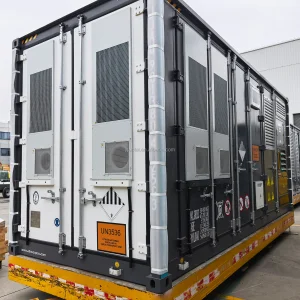
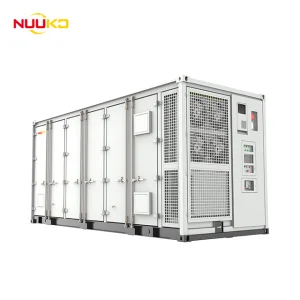
Namibia is on the cusp of an energy revolution. Blessed with some of the highest solar irradiance levels on the planet—averaging over 3,000 hours of sunshine annually—the nation is uniquely positioned to transition from an energy-importing country to a regional clean energy exporter. Historically, Namibia has relied heavily on importing electricity through the Southern African Power Pool (SAPP), specifically via NamPower's bilateral agreements with South Africa's Eskom. However, regional grid instability, escalating import tariffs, and transmission losses across the vast Kalahari and Namib desert landscapes demand localized energy autonomy.
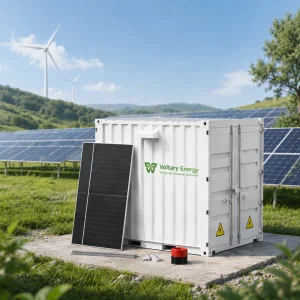
Under the national Harambee Prosperity Plan II and the Renewable Energy Policy, Namibia targets producing at least 70% of its electricity from renewable sources. While utility-scale solar photovoltaic (PV) and wind capacity are growing rapidly, their inherent intermittency poses a severe challenge to grid stability. This is where modern Containerized Battery Energy Storage Systems (BESS) become indispensable. Our specialized containerized energy storage units act as the crucial anchor, smoothing out solar fluctuations, managing peak demand, and securing uninterrupted operations for heavy commercial and industrial enterprises throughout the Erongo, Khomas, and Karas regions.
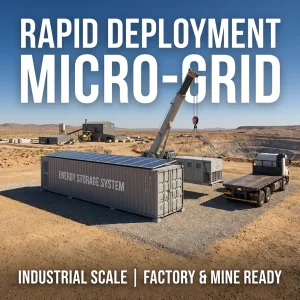
Namibia's massive uranium and emerging lithium mines operate in remote off-grid locations. Integrating high-voltage containerized BESS allows mines to run heavy crushers and conveyor belts continuously by buffering solar power during the day and transitioning to battery power at night, reducing diesel generator reliance by up to 65%.
Water scarcity in Namibia necessitates large-scale desalination plants along the Atlantic coast, particularly near Walvis Bay and Swakopmund. Our liquid-cooled BESS containers provide load shifting, allowing these heavy energy consumers to run water filtration systems during off-peak times using stored clean energy.
Rural communities scattered across Namibia suffer from voltage drops due to lengthy transmission lines. Containerized battery systems located at the substation ends restore local line quality and prevent frequent brownouts without expensive grid extensions.
Operating lithium energy storage in Namibia requires advanced thermal management. Desert environments feature extreme ambient shifts, where noon temperatures can rise above 45°C, while nighttime temperatures drop below freezing. Standard battery systems degrade rapidly under these conditions, presenting significant fire safety and thermal runaway risks.
Our systems strictly leverage Lithium Iron Phosphate (LiFePO4) chemistry. LFP is the safest, most stable chemistry for industrial deployment, boasting a thermal runaway point of over 270°C. Compared to NMC chemistry, LFP maintains high capacity retention (over 80% after 6,000 complete charge/discharge cycles), ensuring a lifespan of up to 15 to 20 years in typical grid-cycling applications.
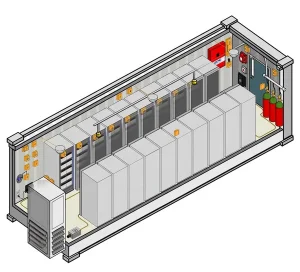
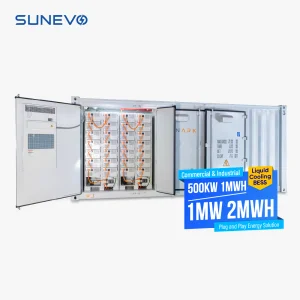
To mitigate degradation from Namibia’s harsh heat, our containerized platforms utilize state-of-the-art liquid cooling loops. Unlike traditional air-cooled modules that struggle in dusty and high-temperature conditions, liquid cooling ensures a cell-to-cell temperature variance of less than 3°C, enhancing overall safety and system round-trip efficiency (RTE) to over 90%.
Safety starts with intelligence. Our Battery Management System (BMS) offers real-time monitoring from the cell level to the entire container stack. With built-in protocols for over-voltage, under-voltage, over-temperature, and short-circuit protection, the BMS interfaces directly with the central SCADA system via Modbus TCP or CAN bus for remote operations.
Engineered with advanced structural protection (IP55/IP65 ratings) to keep out fine desert sand, and equipped with automatic aerosol fire suppression systems.
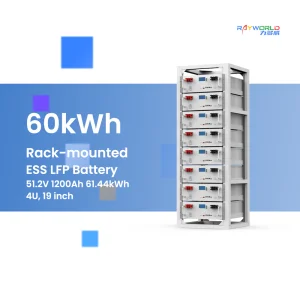
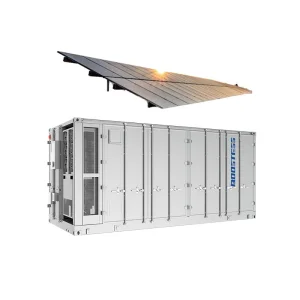
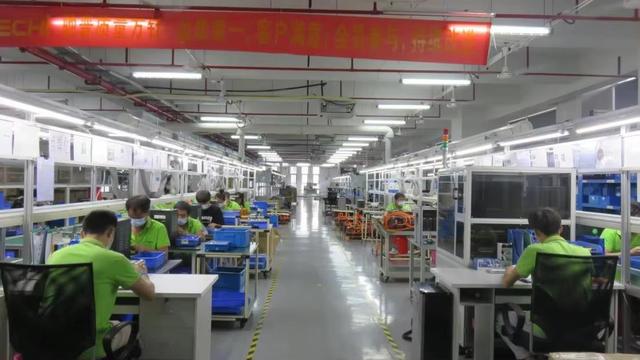
Established in 2014 and headquartered in the high-tech energy innovation cluster of Hangzhou, Zhejiang Province, China, Hangzhou Symbion Energy Co., Ltd. is a leading professional manufacturer specializing in Battery Energy Storage Systems (BESS), smart microgrid solutions, and intelligent energy management technologies. Operating a state-of-the-art facility spanning over 20,000 square meters, our workforce of over 280 dedicated engineers and production personnel supports utilities, independent power producers (IPPs), and EPC contractors worldwide.
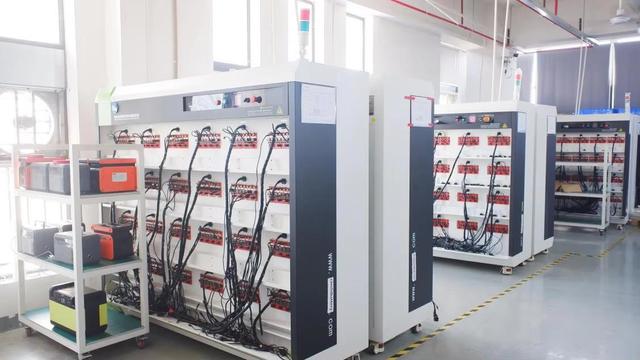
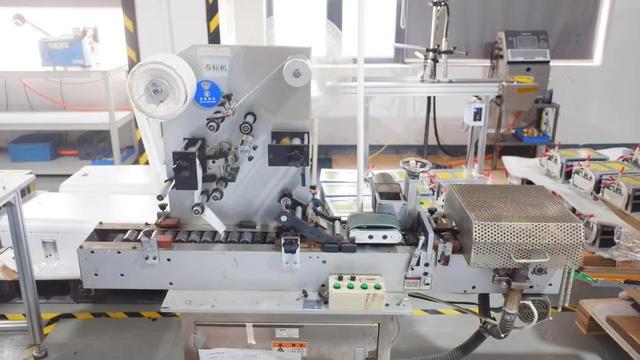
By controlling the integration process—from battery module assembly, thermal management setup, and liquid coolant circulation design to final structural assembly within rugged shipping containers—we ensure our clients in Namibia receive the highest grade of hardware. China's lithium supply chain ecosystem provides us with unbeatable material access, enabling us to offer cost-competitive, high-performance systems with rapid turnaround times. We perform rigorous multi-step functional tests, load tests, and thermal chamber cycling to guarantee absolute safety before any system leaves our factory floor.
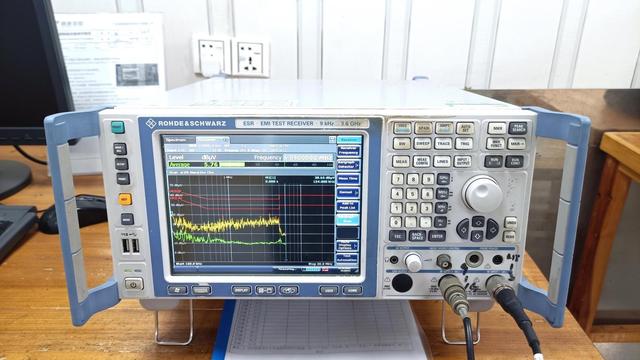
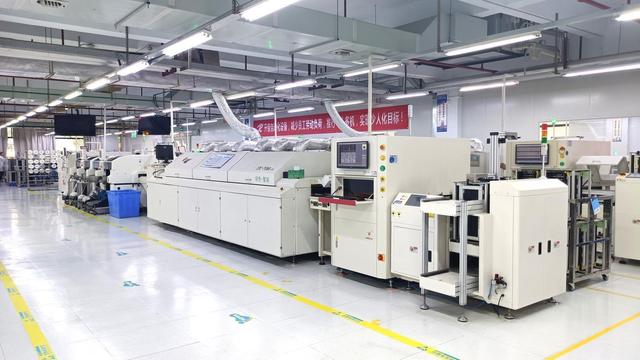
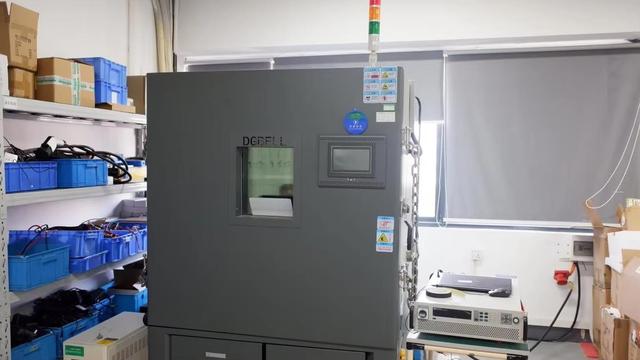
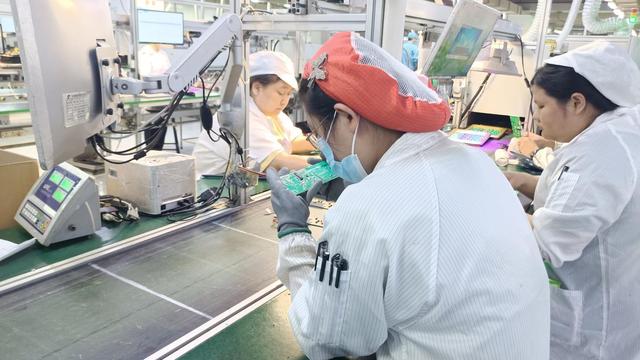
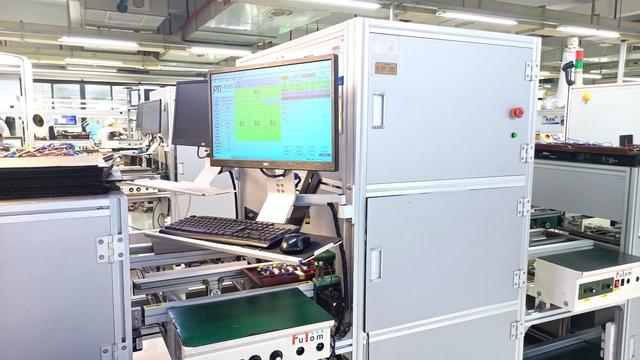
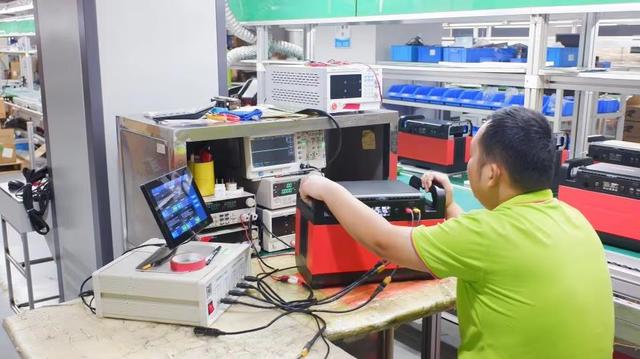
In addition to our standard configurations, Symbion Energy delivers full turnkey OEM and ODM services. This includes custom structural enclosure sizing, specific high-voltage switchgear layouts, custom branding, and specialized integration with local SCADA interfaces, ensuring seamless alignment with the grid protocols defined by NamPower and local regional energy utilities.
Connecting a multi-megawatt battery energy storage system to the Namibian grid requires strict adherence to regional regulatory frameworks. Under the supervision of the Electricity Control Board (ECB) of Namibia, project owners must meet the requirements of the national Grid Code. Because Namibia's regulatory landscape is closely integrated with South African standards, installations must also align with relevant South African Bureau of Standards (SABS) codes.
Our containerized BESS solutions are designed and certified to meet the absolute highest international and regional benchmarks, including:
Navigating logistics across Namibia—from arrival at the Port of Walvis Bay to the final installation site in Windhoek, Tsumeb, or Lüderitz—demands careful coordination. Symbion Energy works alongside experienced local engineering partners to provide complete EPC support, commissioning, and on-site training for municipal staff.
Each container is shipped in IP55/IP65 protective enclosures featuring double-wall thermal insulation, protective coatings to prevent marine salt air erosion, and specialized vibration dampers to ensure secure transport over rugged unpaved desert roads.
Get Integration ConsultationExplore our complete range of high-capacity containerized systems designed for peak load management, microgrids, and utility storage.
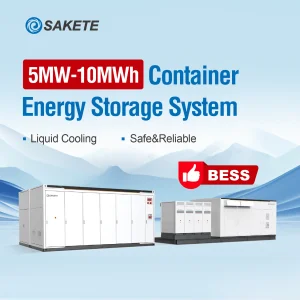
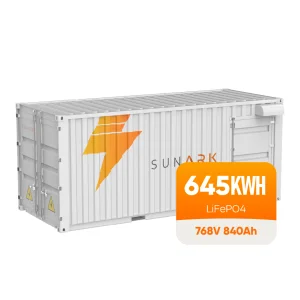
Find answers to technical and operational questions regarding the implementation of Containerized BESS in Namibia.
 Symbion Energy