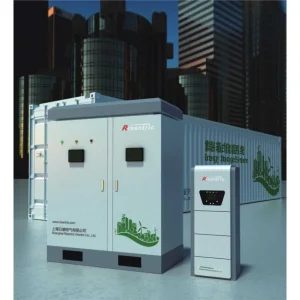
Explore our foundational technologies deployed worldwide, engineered to mitigate capacity loss and ensure dynamic load dispatching.
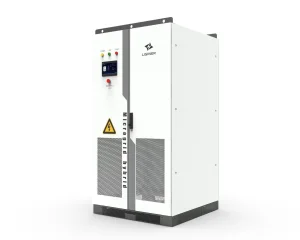
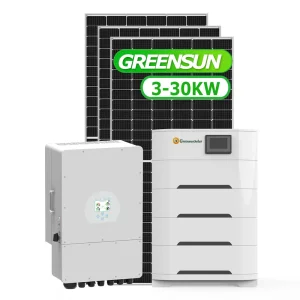
The global transition to volatile renewable energy sources—specifically photovoltaic (PV) solar and wind—has created an urgent demand for grid-balancing assets. As coal and gas assets retire, localized and utility-scale energy storage platforms provide the critical synthetic inertia and dispatchable reserves needed to maintain grid stability.
Purchasing directors and developers in the US, Europe, and Asia-Pacific regions look to Chinese manufacturing hubs for unmatched cost-efficiencies, cell-to-pack integration capabilities, and advanced software intelligence. Today's commercial energy infrastructure relies on mitigating Levelized Cost of Storage (LCOS) through smart thermal management, cell balancing, and scalable modular designs.
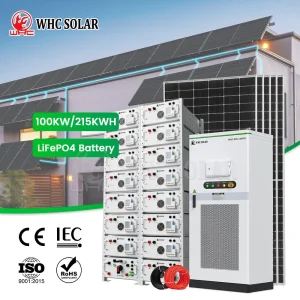
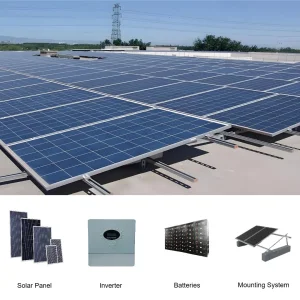
To build resilient solar-plus-storage projects, procurement teams analyze four distinct subsystems:
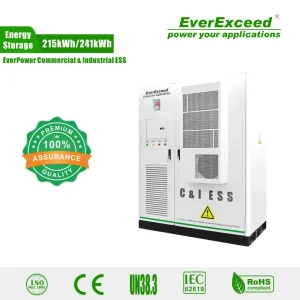
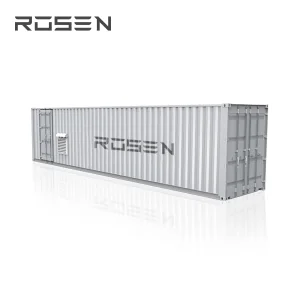
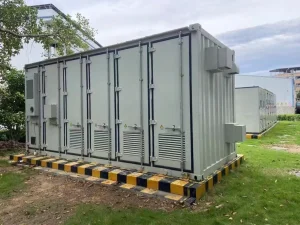
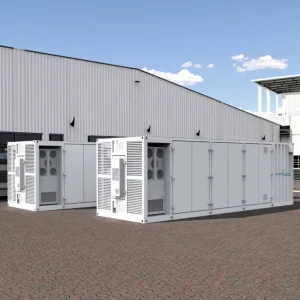
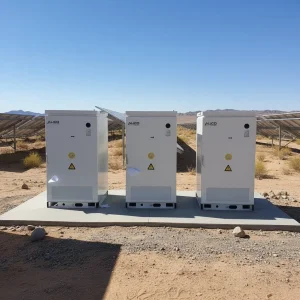
Typically utilizing LFP cells for cyclic safety, integrated into 20ft or 40ft standard ISO shipping containers.
Bi-directional inverters executing rapid AC-to-DC or DC-to-AC conversion with sub-millisecond response times.
BMS controls cellular parameters (voltage, temperature), while EMS interfaces with SCADA to execute market trading strategies.
A trusted global partner delivering comprehensive, vertically integrated energy solutions.
Hangzhou Symbion Energy Co., Ltd. is a professional manufacturer specializing in Battery Energy Storage Systems (BESS), microgrid solutions, and smart energy management technologies for commercial, industrial, and utility-scale applications. Established in 2014 and located in Hangzhou, Zhejiang Province, China, the company is dedicated to supporting the global transition toward cleaner, more reliable, and more efficient energy infrastructure. With a manufacturing facility covering over 20,000 square meters and a workforce of more than 280 employees, Symbion Energy provides advanced energy storage solutions to customers worldwide.
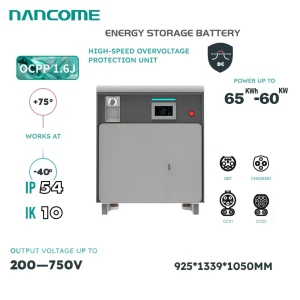
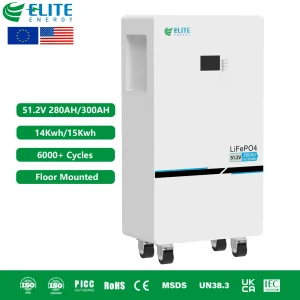
The company's product portfolio includes industrial battery energy storage systems, containerized BESS solutions, commercial energy storage systems, renewable energy storage systems, microgrid energy storage platforms, backup power systems, distributed energy storage solutions, and intelligent energy management systems. These products are widely used in renewable energy integration, peak shaving, load shifting, grid support, emergency backup power, electric vehicle charging infrastructure, and industrial energy optimization projects.
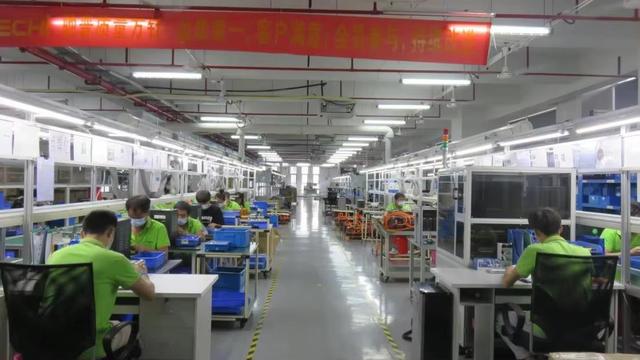
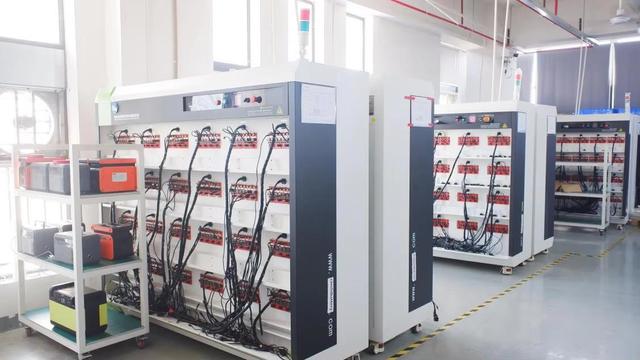
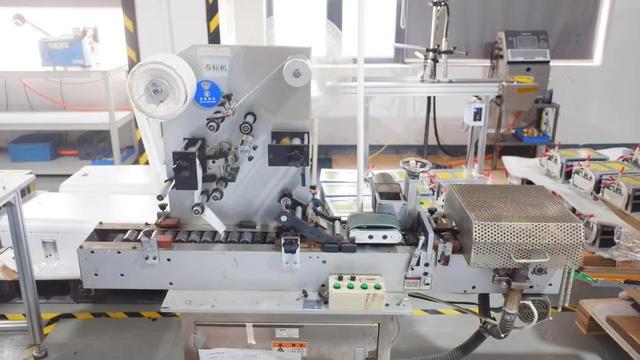
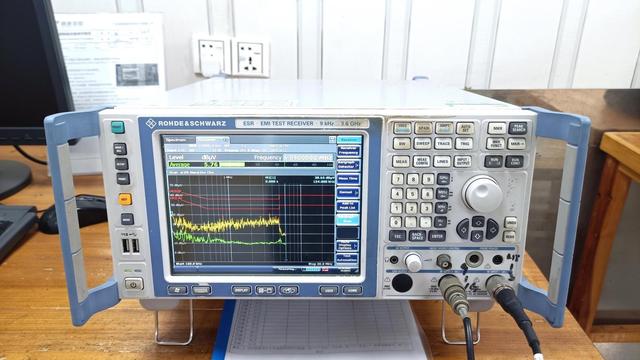
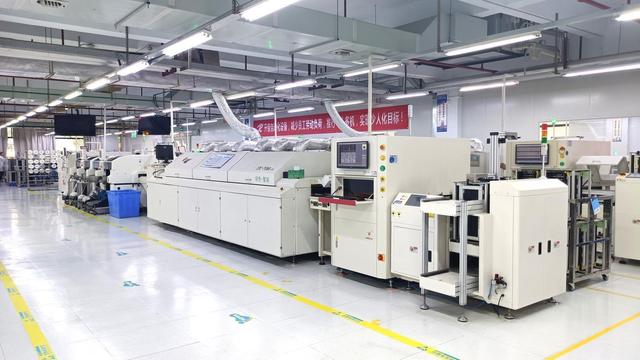
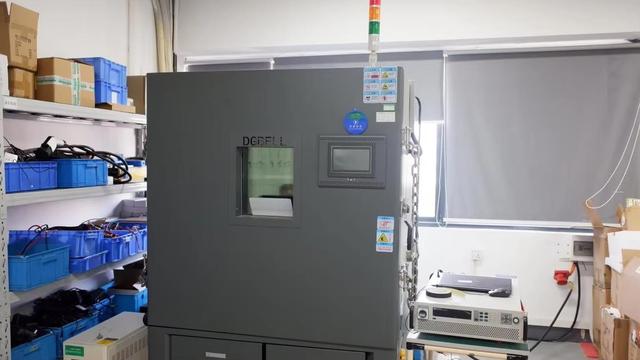
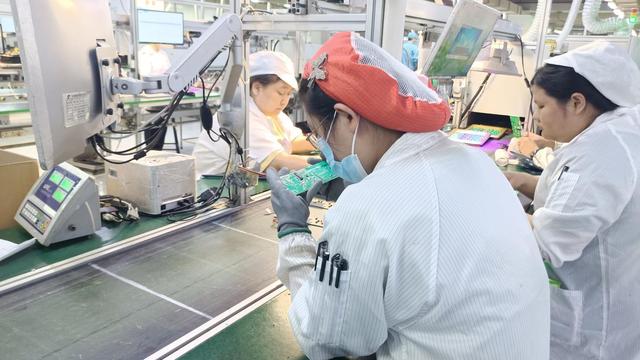
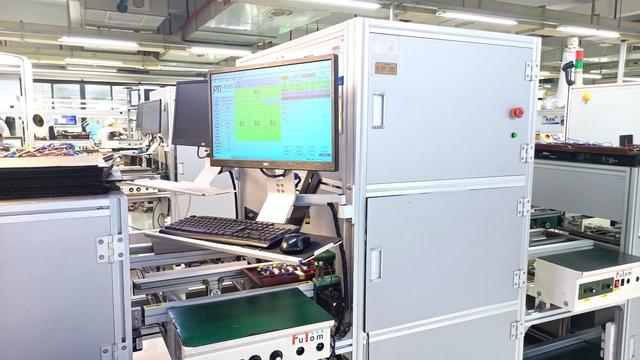
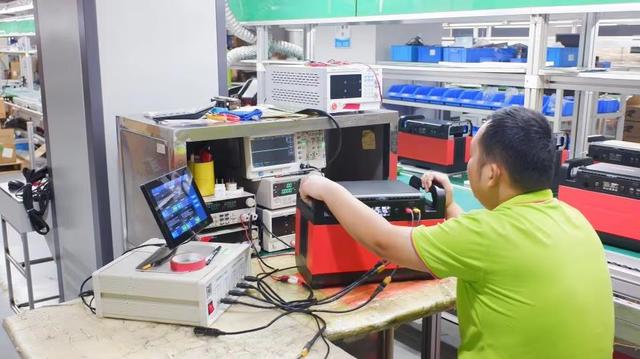
Symbion Energy operates modern production lines, battery integration workshops, and comprehensive testing laboratories to ensure high standards of safety, reliability, and performance. The company follows strict quality control procedures throughout design, manufacturing, system integration, and final testing. Its engineering team continuously develops innovative solutions that help customers improve energy efficiency, reduce operational costs, and enhance power resilience.
In addition to standard products, Symbion Energy offers OEM and ODM services for global partners, including customized battery storage systems, enclosure design, software integration, branding, and project-specific energy solutions. Through ongoing investment in technology, innovation, and customer support, Hangzhou Symbion Energy Co., Ltd. has become a trusted partner for energy developers, utilities, EPC contractors, and industrial customers seeking dependable battery energy storage and smart energy management solutions.
How next-generation battery cell topologies, thermal systems, and alternative storage carriers are reshaping LCOS.
Transitioning from traditional air HVAC systems to sophisticated liquid cooling allows for cell-to-cell temperature variations of less than 2°C. This uniformity slows individual cell degradation and mitigates capacity fade, extending standard container longevity by up to 20%.
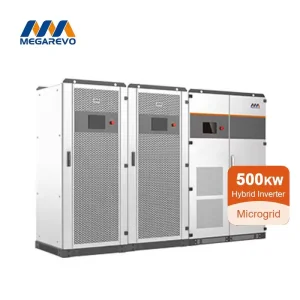
Microgrid hybrid inverter topologies operate as voltage sources rather than current sources. In isolated regions or island environments, these virtual synchronous generators dynamically support system frequency and voltage, enabling standard LFP batteries to mimic heavy rotating turbine grids.
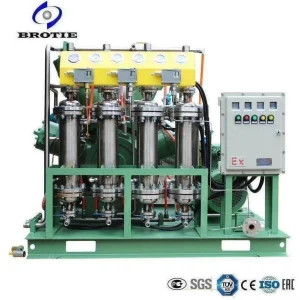
For seasonal or multi-day storage horizons where lithium-ion technology is cost-prohibitive, hydrogen compression integration presents a viable solution. Surplus PV/Wind electricity drives electrolyzers to produce green hydrogen, which is compressed and stored, then converted back to power via fuel cells during extended energy deficits.
Tier-1 system integration demands absolute transparency. Our factory operations adhere to comprehensive global energy equipment testing regimes. This ensures smooth project permitting and financial backing for utilities and developers alike.
Rigorous thermal runaway testing at cell, module, and system levels.
Ensuring safe operation of secondary lithium cells and batteries in industrial systems.
Grid interconnection compliance ensuring smart inverter capability.
Guarantees safety throughout logistics, global shipping, and transport.
For multi-megawatt systems, purchasing BESS hardware is only the first step. Project execution requires localized engineering support, field commissioning, and grid interconnect certification.
We provide global partners with end-to-end support to navigate local grid rules. This includes managing utility connection processes, on-site commissioning, and offering long-term operations and maintenance (O&M) programs to secure performance guarantees.
Inside Symbion Energy's state-of-the-art 20,000 square meter ISO-certified manufacturing facility and quality testing laboratories.
Addressing essential technical considerations for engineering, procurement, and construction (EPC) professionals and asset managers.
Explore further technologies designed for long cycle lives, heavy duty cycles, and off-grid performance.
 Symbion Energy