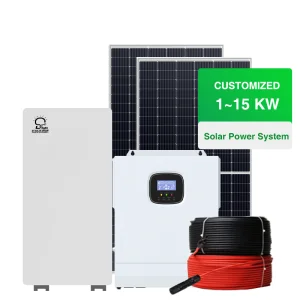
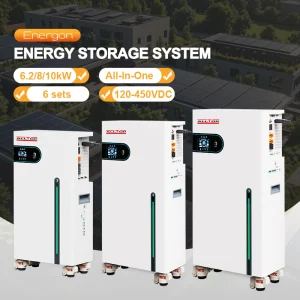
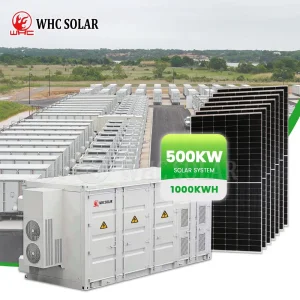
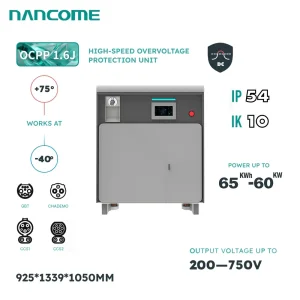
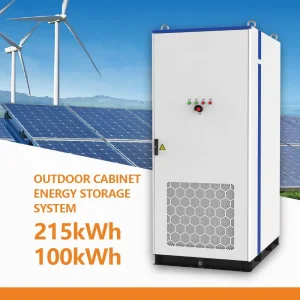
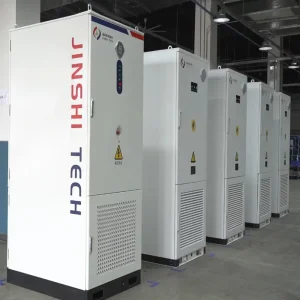
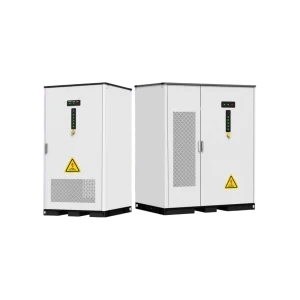
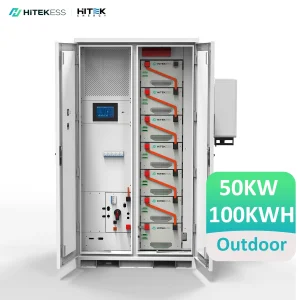
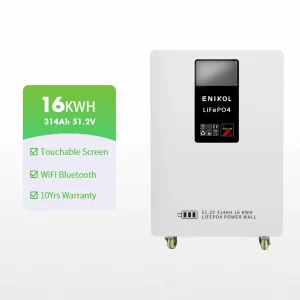
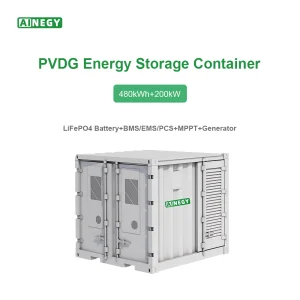
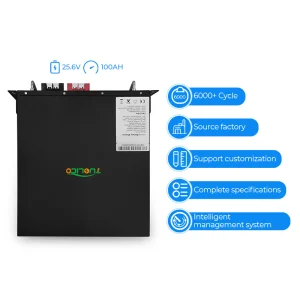
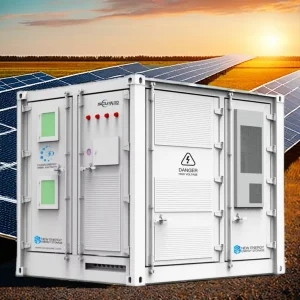
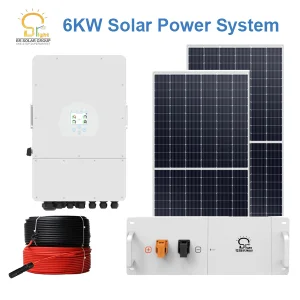
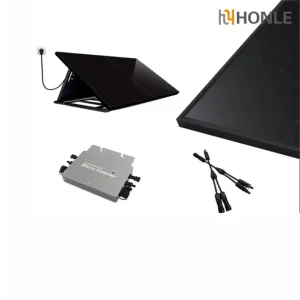
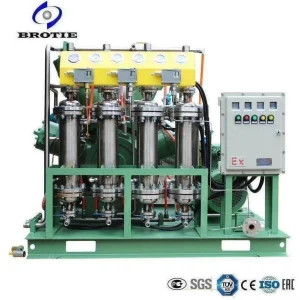
Explore our leading primary energy storage products, engineered for robust grid-forming capability, commercial power stability, and hybrid clean energy integration.
The global transition to a low-carbon energy system is accelerating at an unprecedented pace. Central to this paradigm shift is the integration of high-capacity Grid Energy Storage Systems (BESS). Intermittent renewable generation sources like wind and solar require highly sophisticated buffering mechanisms to maintain grid power quality, balance generation and demand, and avoid thermal stress on electrical grid infrastructure. As a result, the commercial and industrial (C&I) sectors along with large-scale utilities are shifting from simple standby generation to active, intelligent energy management systems.
Across North America, Europe, and Asia-Pacific, modern electricity markets are introducing dynamic tariff structures, including peak-demand charges and real-time pricing. This environment turns BESS from a cost-center insurance policy into a yield-generating grid asset. Utilizing services like frequency regulation, voltage control, and black start capabilities, systems can realize substantial cost arbitrage benefits. From virtual power plants (VPPs) aggregating multiple small distributed assets to utility-scale 40-foot storage containers stabilizing regional distribution networks, grid energy storage represents the critical foundation of modern electrical infrastructure.
Discover the thermal architecture and lithium chemistries shaping the future of battery life, performance safety, and grid reliability.
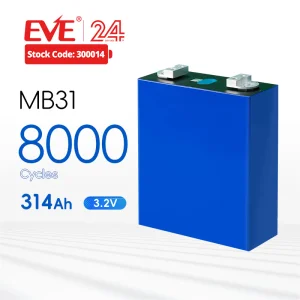
Utilizing high energy density cells like EVE 314Ah lithium iron phosphate (LiFePO4). This stable chemical structure prevents thermal runaway and offers >6,000 cycles at 90% DoD, providing the lowest Levelized Cost of Storage (LCOS) in utility grid applications.
Moving from traditional forced-air architectures to active liquid-cooled cabinet layouts. Liquid cooling ensures cell-to-cell temperature differentials remain under 3°C, extending battery cycle lifetimes by up to 20% while increasing overall cabinet safety profiles.
Multi-layered system protection starting with high-precision cell-level tracking BMS, moving up to rack controllers and the central EMS (Energy Management System). This setup enables smooth SCADA integration, IoT monitoring, and cloud diagnostics.
| System Architecture Specifications | Utility Containerized (1MW - 4MWh) | C&I Cabinet (100kW - 250kWh) | Microgrid Hybrid Storage |
|---|---|---|---|
| Battery Chemistry | LiFePO4 (LFP) 314Ah Cells | LiFePO4 (LFP) 200/280Ah | LiFePO4 & Multi-source Infeed |
| Thermal Management | Liquid Cooling System (Chiller/Heater) | Forced Air/Intelligent HVAC | Dual HVAC/Hybrid Ventilation |
| BMS Protection | 3-Layer BMS (Cell, Module, Rack, Cluster) | 2-Layer High-Integration BMS | Adaptive Smart Grid Controller |
| Grid Interaction | 4-Quadrant Power Control (PCS) | Hybrid Bi-directional Inverter | Grid-tie / Off-grid Automatic Shift |
| Fire Safety Standard | NFPA 855, Gas/Aerosol/Water Sprinkler | Aerosol/Novec 1230 System | Dual Gas Detector & Auto Suppression |
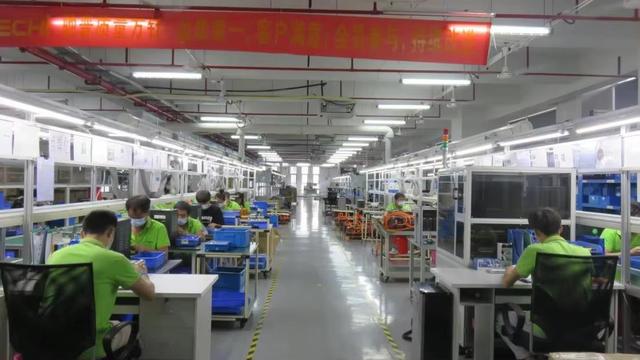
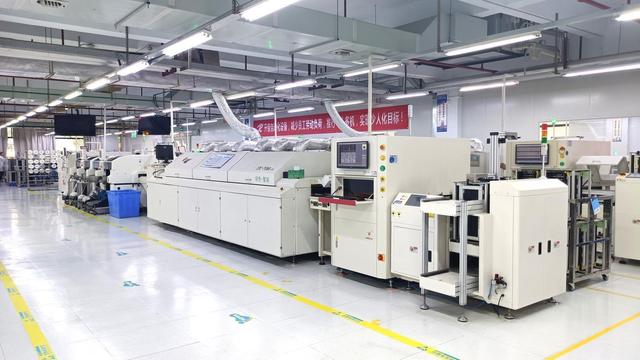
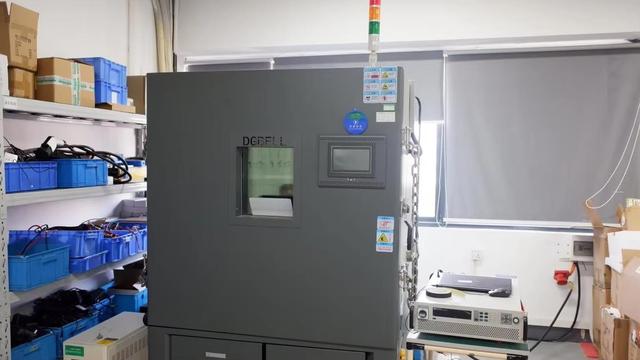
Hangzhou Symbion Energy Co., Ltd. sits at the heart of the world's most robust lithium supply chain network. Located in Zhejiang Province, China, our manufacturing facilities draw on a complete domestic industrial ecosystem. From raw lithium refinement and cathode material fabrication to automated cell sorting, active assembly lines, and high-power structural testing chambers, our operations benefit from localized integration that keeps production costs stable and lead times predictable.
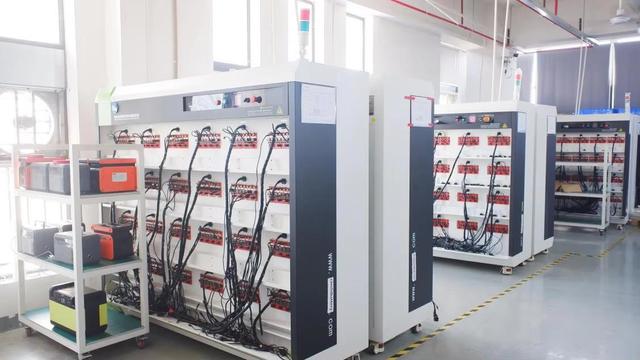
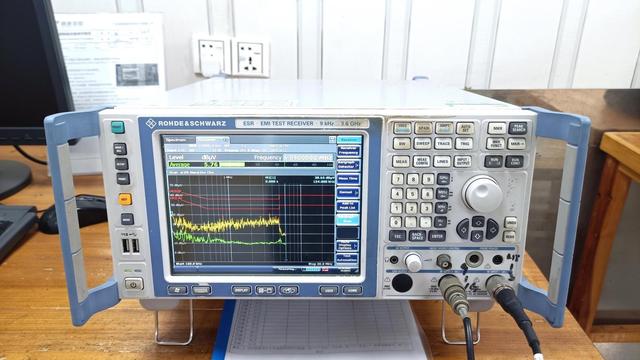
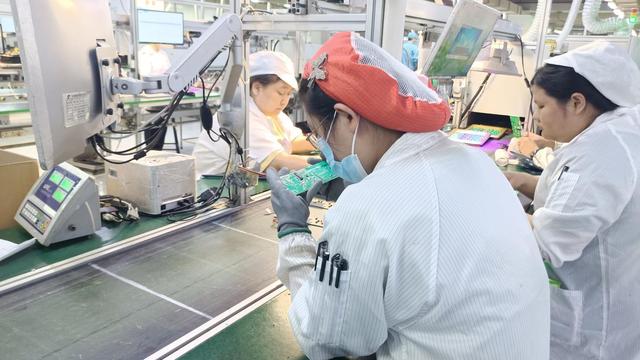
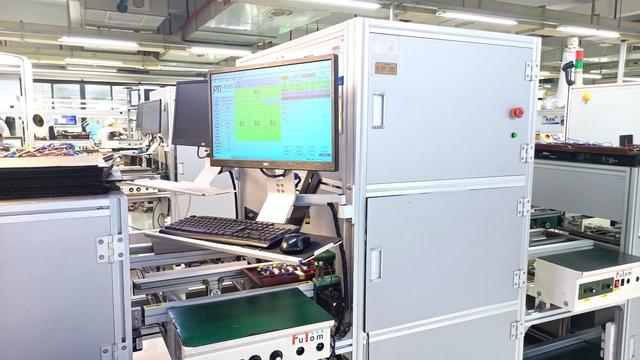
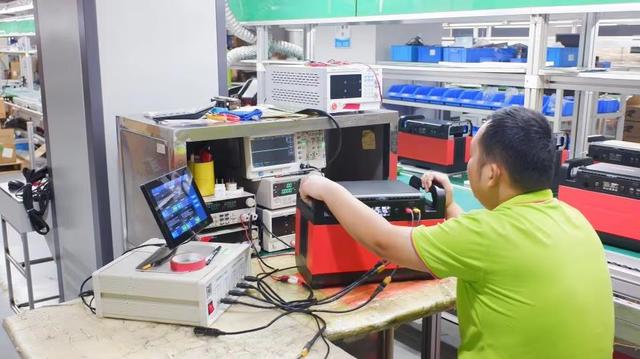
Established in 2014, Symbion Energy has expanded its footprint to support clean energy transitions worldwide. Utilizing a production facility of over 20,000 square meters and a workforce exceeding 280 skilled personnel, our operations match speed with safety. Every containerized energy storage system undergoes rigorous multi-step testing: charge-discharge cycle evaluation, thermal profiling under stress, insulation validation, and simulated grid fault reactions. This intensive testing ensures our systems ship field-ready, mitigating on-site commission delays and keeping projects on track.
By using direct supply channels with tier-1 battery cell brands and having structural, electrical, and thermal engineers under one roof, we provide comprehensive OEM and ODM support. This integration enables customized enclosure design, specialized software interfaces, and structural adaptations for extreme operational environments like high altitudes or desert zones.
Explore how BESS deployments adapt to regional regulations, environmental factors, and varying commercial needs around the globe.
Our systems supply high-capacity peak output to EV fast-charging stations, reducing high utility demand charges. High-efficiency modular storage units (like the Nancome Modular Storage) optimize localized distribution transformers without requiring expensive grid infrastructure upgrades.
For remote mining operations or isolated factories, combining solar panels, wind turbine generators, diesel gensets, and high-capacity BESS systems (such as the 261kWh / 250kW Hybrid BESS) provides reliable power, lowering fuel usage and carbon footprints.
Replacing high-maintenance lead-acid systems, our high-density liquid-cooled battery cabinets provide rapid millisecond backup power during grid anomalies. This design ensures server uptime and decreases cooling demands inside server halls.
Navigating global grid certification is a complex element of BESS integration. Compliance demands specialized design to align with varying regional standards and local utility codes. At Hangzhou Symbion Energy Co., Ltd., we prioritize compliance by engineering our systems to international safety and functional testing frameworks.
From UL 1973 (battery modules for stationary applications) and UL 9540/9540A (thermal runaway propagation fire safety) in North America, to CE, UN 38.3, and IEC 62619 standards in Europe and international markets, our systems are certified for safe deployment. Our in-house engineering team works closely with project developers, EPC contractors, and system engineers to ensure smooth project approvals.
We provide localized technical assistance through comprehensive remote diagnostics, commissioning guidance, and on-site support partnerships. From container engineering and thermal layout optimization to EMS software configuration, we deliver end-to-end grid stabilization solutions.
Explore our high-performance liquid-cooled modules, containerized installations, and clean energy storage solutions.
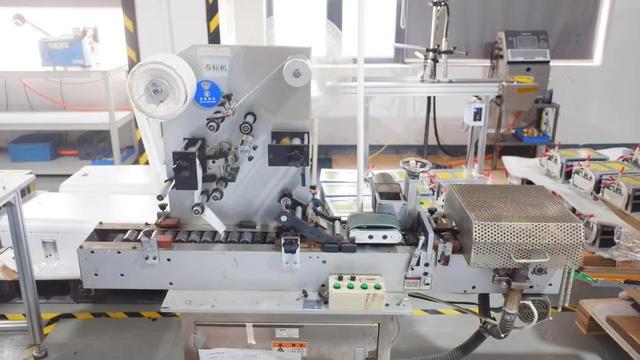
A closer look at our integrated manufacturing lines, assembly bays, quality assurance labs, and engineering facility in Hangzhou.
Crucial industry insights regarding the technology, logistics, and capabilities of grid-scale battery systems.
Liquid cooling is ideal for high-power, frequent cycle applications (such as 1C or higher charge/discharge rates) and hot environments. It maintains cell temperature differentials under 3°C, extending cell life. Forced air cooling is a cost-effective, simple solution suited for low-rate (0.5C or lower) and moderate environment profiles where simplicity of maintenance is preferred.
EVE 314Ah cells offer approximately 12% higher energy density than older 280Ah variants within the same size footprint. This allows manufacturers to pack higher total energy capacity (e.g., matching a 5MWh capacity in a standard 20-foot shipping container) while reducing transportation, civil work, and installation costs.
For North America, key certifications include UL 1973 (battery standards), UL 9540 (system level safety), and UL 9540A (thermal runaway testing), aligning with NFPA 855 guidelines. In Europe, the relevant standards include CE marking, IEC 62619 (stationary safety), and UN 38.3 (safe transport of lithium batteries).
We provide structural enclosure adjustments for harsh climates (high-altitude, IP55/IP66 ratings, coastal anti-corrosion protection), customized Battery Management System (BMS) software protocols, integration of local PCS/Inverters, specific branding configurations, and full project engineering support for utilities and EPC developers.
The system utilizes a smart Energy Management System (EMS) and multi-channel hybrid inverters to balance inputs from solar PV, wind turbines, backup diesel generators, and the regional utility grid. The EMS dynamically routes power based on current battery charge levels, load demand, fuel optimization curves, and grid tariff rates.
 Symbion Energy