Decoding the shift from hardware-centric storage to intelligence-driven energy ecosystems.
The global energy landscape is undergoing a seismic shift. As a premier China energy monitoring solutions supplier, we recognize that the focus has moved beyond mere "battery capacity" to "intelligent dispatching." Today's industrial and commercial sectors require more than just power; they require high-granularity data visibility and thermal management precision.
The transition from 280Ah to 314Ah cells has become the industry benchmark, offering higher energy density and reduced Levelized Cost of Storage (LCOS) for utility-scale projects.
Advanced liquid cooling technology ensures temperature uniformity within ±2°C across the entire battery rack, extending cycle life by 20% compared to traditional air-cooled systems.
Energy Management Systems (EMS) are now integrating AI algorithms for predictive maintenance and peak-shaving optimization, allowing businesses to monetize their energy assets.
Strategic procurement in 2024 and beyond emphasizes modular scalability and safety redundancy. The demand for 5MWh+ containerized solutions is surging among utilities seeking to stabilize grids under the pressure of intermittent renewable sources like wind and solar.
Navigating procurement requirements and localized integration for large-scale energy projects.
For high-consumption manufacturing plants, our solutions offer "behind-the-meter" storage that reduces peak demand charges. Our smart energy management systems monitor real-time consumption patterns to discharge power exactly when grid prices peak, often achieving ROI within 3-5 years depending on local tariff structures.
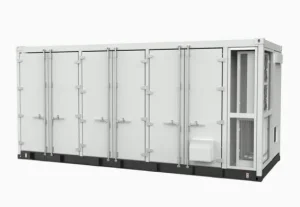
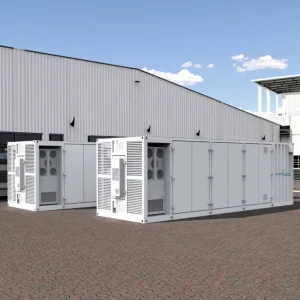
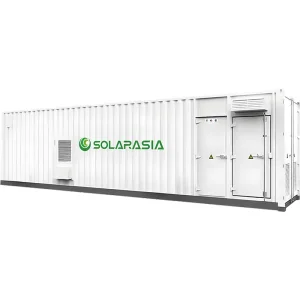
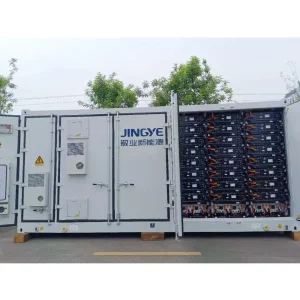
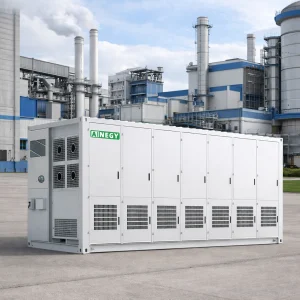
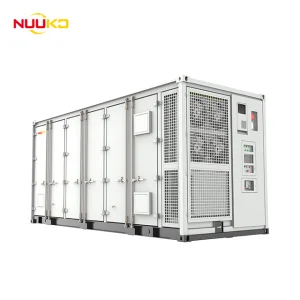
Utilities require frequency regulation and spinning reserve capabilities. Our 20FT and 40FT containerized BESS solutions utilize liquid cooling and 314Ah cells to provide massive energy blocks that respond to grid fluctuations in milliseconds.
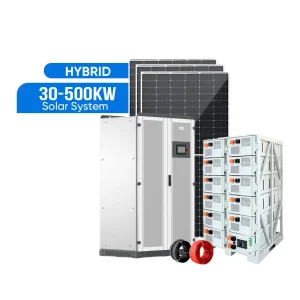
In remote mining operations or island communities, our hybrid solar-wind storage systems provide 24/7 power independence. The integration of Grid-Forming Inverters allows these systems to operate as the primary voltage source, ensuring stability without a central grid connection.
Hangzhou Symbion Energy Co., Ltd. is a professional manufacturer specializing in Battery Energy Storage Systems (BESS), microgrid solutions, and smart energy management technologies for commercial, industrial, and utility-scale applications. Established in 2014 and located in Hangzhou, Zhejiang Province, China, the company is dedicated to supporting the global transition toward cleaner, more reliable, and more efficient energy infrastructure. With a manufacturing facility covering over 20,000 square meters and a workforce of more than 280 employees, Symbion Energy provides advanced energy storage solutions to customers worldwide.
The company's product portfolio includes industrial battery energy storage systems, containerized BESS solutions, commercial energy storage systems, renewable energy storage systems, microgrid energy storage platforms, backup power systems, distributed energy storage solutions, and intelligent energy management systems. These products are widely used in renewable energy integration, peak shaving, load shifting, grid support, emergency backup power, electric vehicle charging infrastructure, and industrial energy optimization projects.
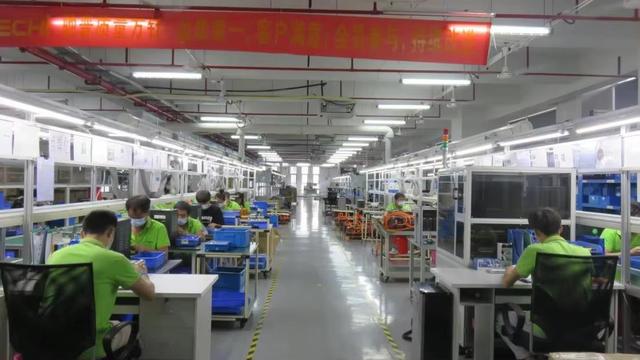
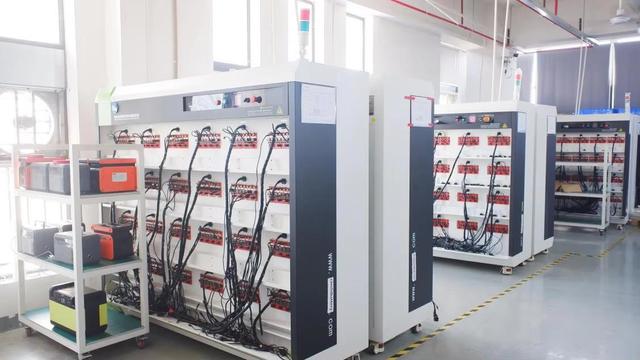
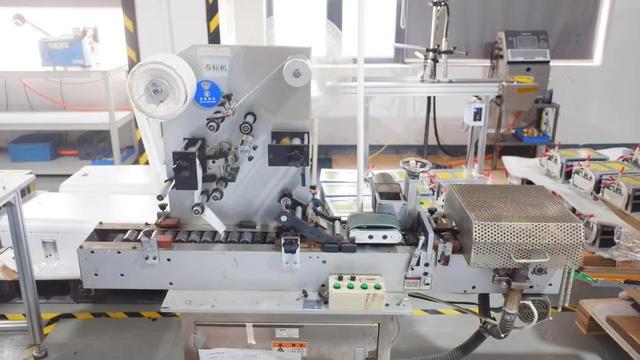
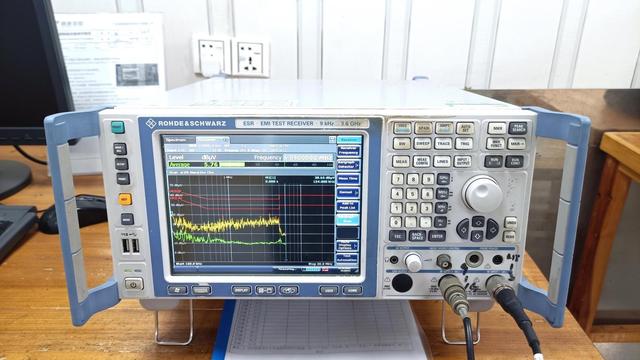
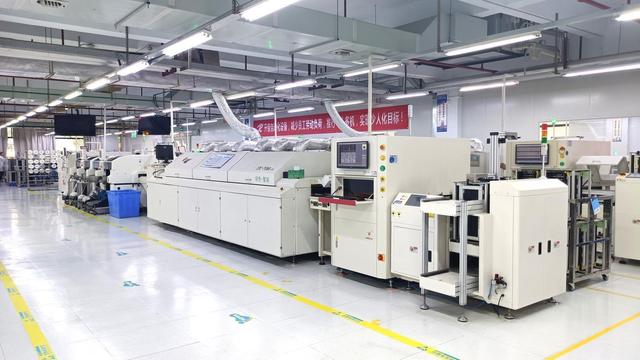
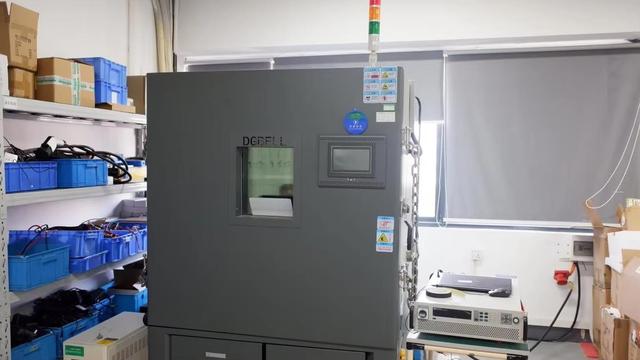
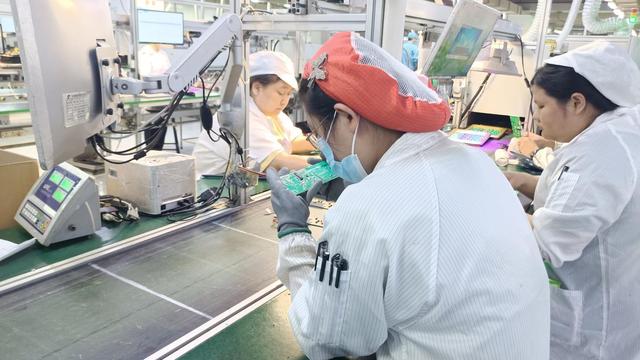
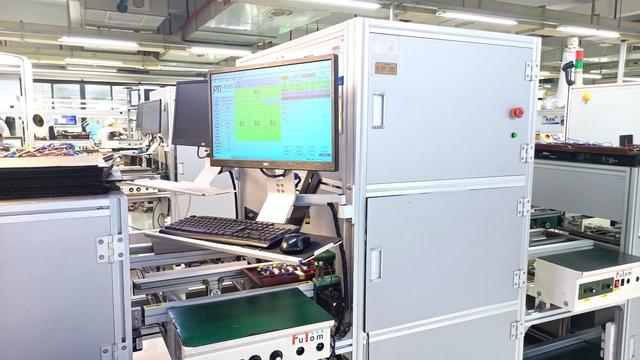
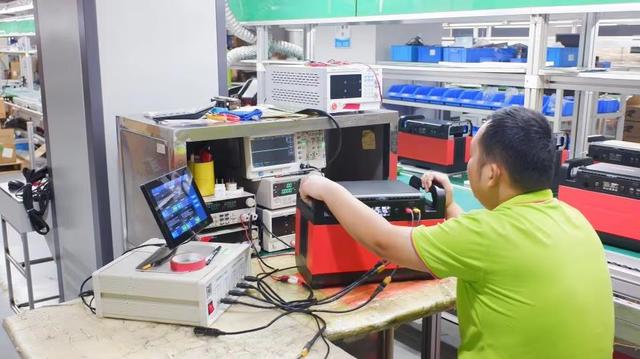
Symbion Energy operates modern production lines, battery integration workshops, and comprehensive testing laboratories to ensure high standards of safety, reliability, and performance. The company follows strict quality control procedures throughout design, manufacturing, system integration, and final testing. Its engineering team continuously develops innovative solutions that help customers improve energy efficiency, reduce operational costs, and enhance power resilience.
In addition to standard products, Symbion Energy offers OEM and ODM services for global partners, including customized battery storage systems, enclosure design, software integration, branding, and project-specific energy solutions. Through ongoing investment in technology, innovation, and customer support, Hangzhou Symbion Energy Co., Ltd. has become a trusted partner for energy developers, utilities, EPC contractors, and industrial customers seeking dependable battery energy storage and smart energy management solutions.
Leading the way toward Solid-State and AI-Automated Energy Hubs.
Our R&D department is currently focused on the next generation of energy monitoring solutions. Key milestones in our roadmap include:
Implementing full-scale digital twin technology for every BESS unit deployed, allowing for real-time virtual simulation of battery health and stress testing.
Transitioning from LFP to Semi-Solid State chemistries to further increase safety and energy density for high-demand urban applications.
Developing bidirectional charging ecosystems where commercial EV fleets act as distributed storage assets, managed by our unified EMS platform.
A: Liquid cooling provides superior thermal management compared to air cooling. It maintains cells at a more consistent temperature, reducing internal resistance and preventing "hot spots" that lead to premature degradation and safety risks. For utility-scale systems like our 5MWh container, liquid cooling is essential for maintaining a high C-rate and long cycle life.
A: A Smart Energy Management System (EMS) uses algorithms to analyze historical load data and grid prices. It automatically shifts the building's load to the battery during peak hours (peak shaving) and recharges when the grid price is lowest (load shifting), directly lowering utility bills.
A: The 314Ah cell provides approximately 12% more energy density in the same physical footprint. This means more power can be packed into a standard 20FT container, reducing shipping costs and onsite installation footprints while lowering the total cost per kilowatt-hour.
A: Yes, our systems are "Power-Ready" and designed for DC-coupled or AC-coupled integration. They can seamlessly interface with most Tier-1 solar inverters and wind power controllers via Modbus or CAN communication protocols.
 Symbion Energy