As the global energy landscape accelerates toward net-zero emission targets, the integration of Commercial and Industrial Battery Energy Storage Systems (C&I BESS) has transitioned from an environmental commitment to an operational and financial necessity. Driven by grid instability, escalating peak-demand charges, and the volatility of renewable energy generation, modern enterprises are leveraging BESS to secure grid resiliency, optimize operational expenditure (OpEx), and establish microgrid independence.
Hangzhou Symbion Energy Co., Ltd., established in 2014, stands at the forefront of this industrial transition. Located in Hangzhou, Zhejiang Province, China, our advanced facility spans over 20,000 square meters and houses over 280 skilled personnel, including top-tier energy storage research scientists and system integration engineers. We specialize in manufacturing high-performance, containerized battery energy storage systems, microgrids, and smart energy management platforms (EMS) engineered to resolve the multi-faceted challenges faced by modern utilities, energy developers, and industrial operators globally.
This whitepaper delineates the technical paradigms, localized applications, and supply-chain structures that render Hangzhou Symbion Energy Co., Ltd. the premier commercial battery storage partner for international deployment.
Globally, C&I energy storage systems are deployed under vastly divergent regulatory frameworks, electrical grid architectures, and economic drivers. Understanding these regional dynamics is crucial for developing and exporting adaptable BESS solutions.
Dominated by demand charge management, grid stabilization markets (e.g., PJM frequency regulation), and strict safety mandates. Solutions must comply with UL 9540, UL 9540A, and NFPA 855 fire protection standards.
Pivoted toward high energy self-consumption, grid congestion management, and participation in auxiliary services markets (e.g., FFR). Extreme focus on sustainability, cycle longevity, and CE/IEC compliance.
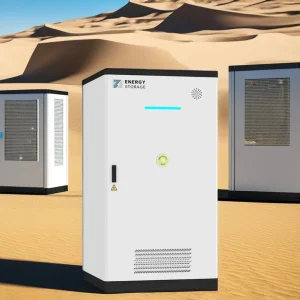
Rapid deployment in manufacturing hubs to combat high industrial electricity tariffs and grid blackouts. Demand is rising for remote, heavy-duty microgrids in remote regions and mining operations.
In all regions, the key to maximizing the Return on Investment (ROI) of energy storage lies in the system's ability to execute multiple application profiles simultaneously—a concept known as value stacking. Systems must dynamically transition between peak shaving, power quality mitigation, and emergency backup services.
To maintain our industry-leading edge, Hangzhou Symbion Energy invests continuously in research and development, updating our technological offerings to align with the next generation of electrochemical and architectural paradigms.
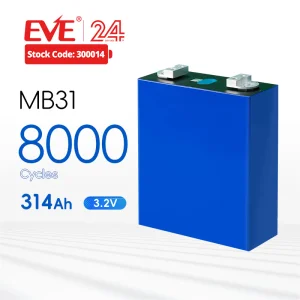
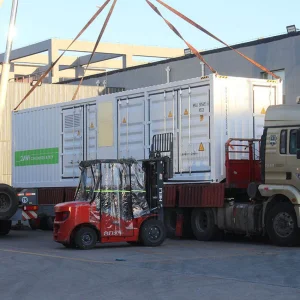
The industry has largely shifted from standard 280Ah cells to high-density 314Ah LFP (Lithium Iron Phosphate) cells. By optimizing the internal chemistry and cell design, these cells yield over 12% higher volumetric energy density without altering the physical form factor of the module. This enables higher-capacity systems (e.g., converting a 20ft container from a standard 3.72MWh footprint to a 5.0MWh footprint), significantly lowering localized civil works, Balance of System (BOS) components, and shipping costs.
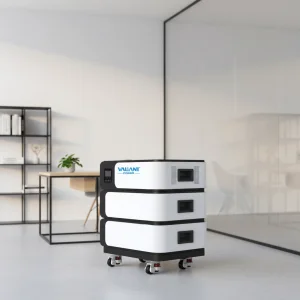
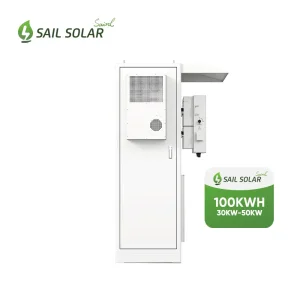
Thermal management is a critical vector determining both BESS safety and system degradation rates. Symbion Energy offers both advanced Air Cooling and highly efficient Liquid Cooling options. Liquid-cooled systems demonstrate a temperature uniformity of <3°C across all cells in a rack, extending cell cycle life by 20% compared to traditional forced-air setups, and reducing auxiliary power consumption by up to 30%.
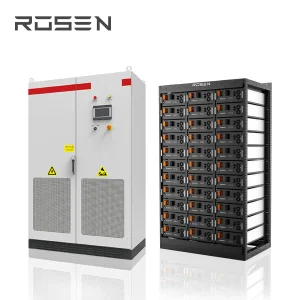
| Technical Parameters | Air-Cooled Cabinets (e.g., 100kWh/215kWh) | Liquid-Cooled Containers (e.g., 261MWh / 1MW+) |
|---|---|---|
| Typical Footprint | Compact cabinets for limited spaces | Dense containerized modules |
| Temperature Uniformity | < 5°C cell-to-cell deviation | < 3°C cell-to-cell deviation |
| Auxiliary Load Consumption | Standard fan power overhead | Reduced by 30% through intelligent chilling |
| Lifecycle Protection | Optimal for moderate/mild environments | Engineered for extreme heat, high-altitude & remote mining |
| Safety and Containment | Compartmentalized steel rack housing | Active gas detection, UL9540A compliance, aerosol suppression |
Our proprietary Energy Management System (EMS) utilizes machine learning algorithms to perform real-time diagnostic checks, execute predictive maintenance through State of Health (SoH) degradation modeling, and interface with dynamic power markets. Through continuous cloud monitoring, our smart EMS evaluates solar generation forecasts alongside local tariff rates to automate peak shaving, ensuring maximum system profitability.
Symbion Energy systems are not one-size-fits-all products; they are versatile energy assets configured for specific, demanding applications across various global industries.
Heavy manufacturing facilities encounter steep demand charges based on their highest 15-minute load interval. By deploying our Commercial and Industrial Solar Battery Storage 241kwh system, operations can automatically discharge stored energy during peak periods. This "shaves" the peak load demanded from the grid, saving thousands of dollars in utility expenses monthly.
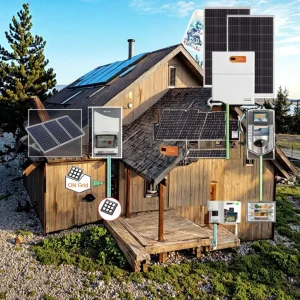
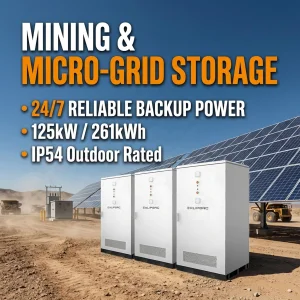
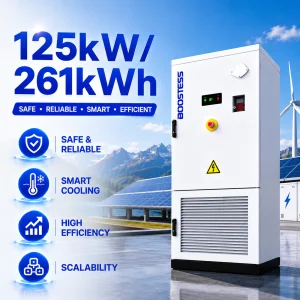
Off-grid mining operations typically run on expensive, carbon-intensive diesel generators. Integrating the 125kW 261kWh Off-grid Microgrid BESS allows heavy industries to pair battery storage with utility-scale solar arrays. The system acts as a grid-forming asset, stabilizing local voltage and frequency, and reducing diesel fuel consumption by up to 50%.
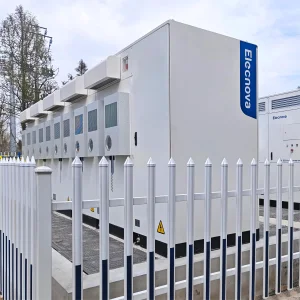
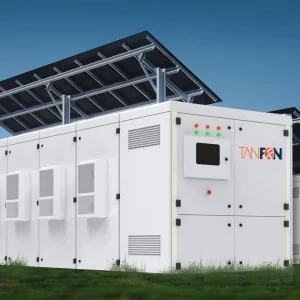
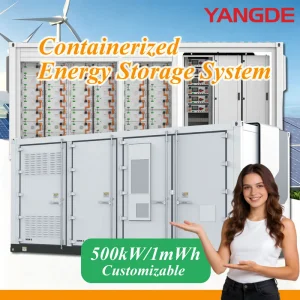
High-power DC fast-charging stations impose massive, instantaneous loads on local electrical distribution systems. By integrating a containerized 500kWh to 1MWh BESS, charging operators can buffer local grids, supply transient current spikes locally, and avoid costly grid transformer upgrades.
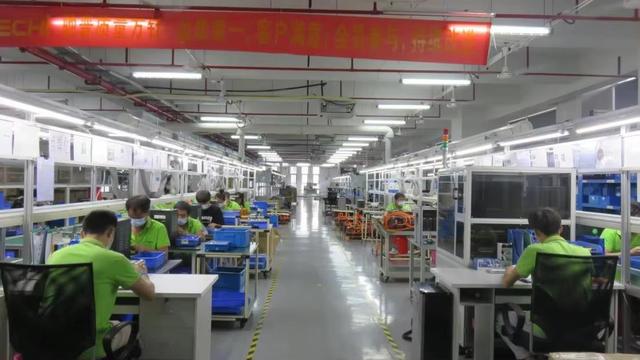
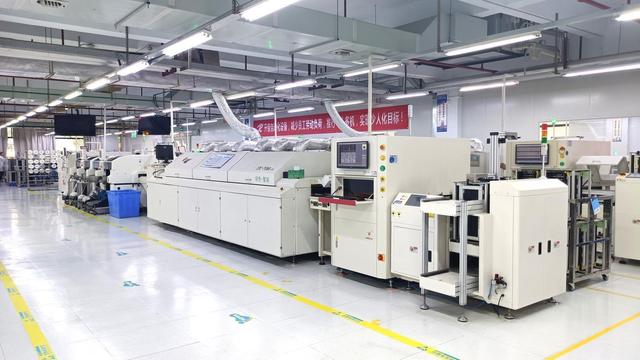
The primary advantage of sourcing commercial battery storage from Hangzhou Symbion Energy lies in our integration within China's world-leading battery manufacturing ecosystem. In Zhejiang, we operate close to top-tier raw material suppliers, direct battery cell foundries (such as EVE Energy), and specialized logistics ports.
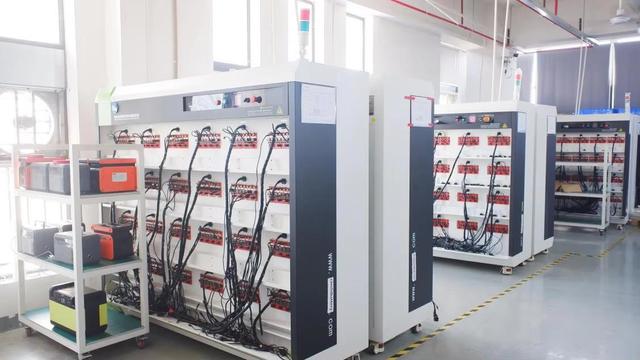
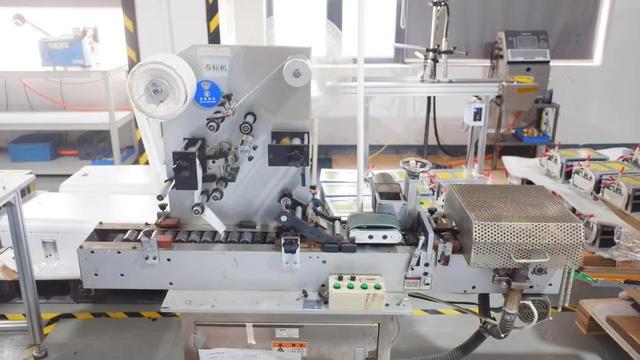
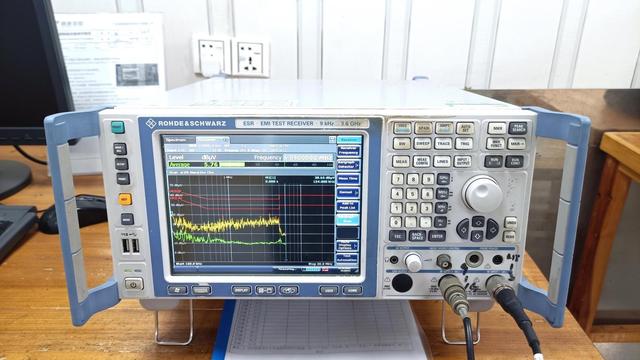
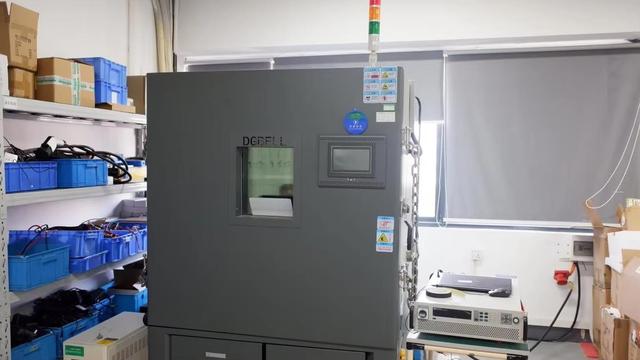
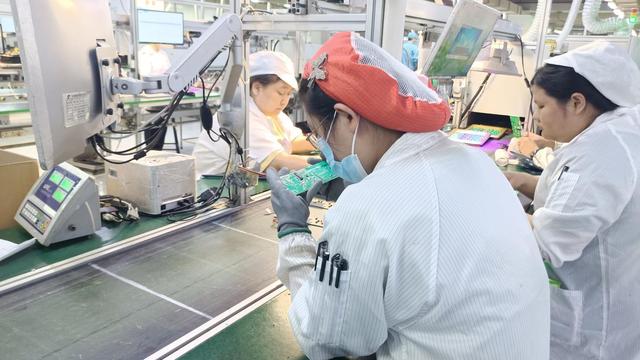
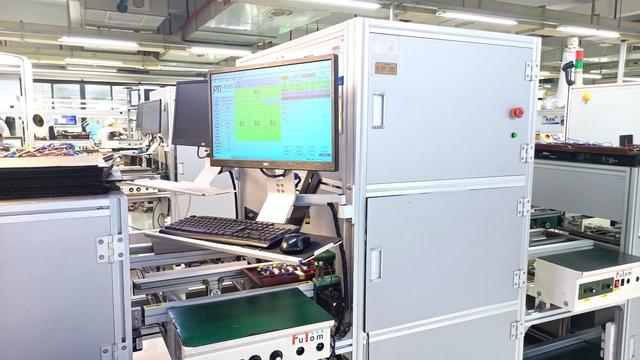
At our 20,000+ sqm manufacturing facility, we execute rigorous quality control protocols across every stage of the production cycle:
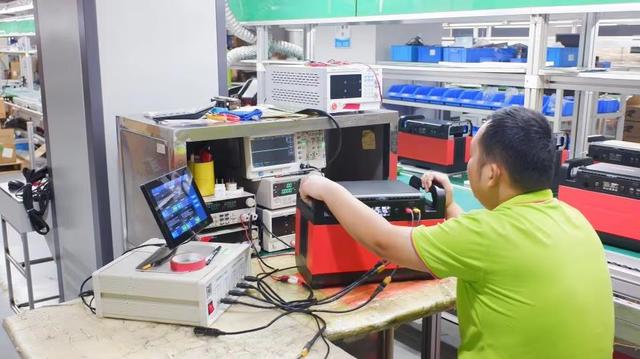
Exporting utility-scale electrical systems requires rigorous adherence to regional safety codes and compliance with diverse local grid codes. Symbion Energy supports our partners through comprehensive regulatory and technical frameworks.
All Symbion Energy BESS solutions carry certifications for international utility interconnection standards, including IEC 62619, CE, UN38.3, UL 1973, UL 9540, and UL 9540A testing. We engineer multi-level safety features into our systems, from module-level aerosol suppression to containerized fire barriers.
We provide deep customization capabilities to cater to project-specific requirements. From customized structural enclosures, specialized BMS communication protocols, and custom-branded designs to integration with third-party PCS hardware, our technical team works alongside your engineers to deliver optimized solutions.
With localized channel partners and distributors across Europe, North America, and Australia, we support customers with remote commissioning assistance, local engineering teams, and stocked replacement components, minimizing downtime and safeguarding energy yields.
Get expert insights on deploying Hangzhou Symbion Energy’s commercial and industrial battery storage systems.
 Symbion Energy