Melbourne, the industrial and commercial heartbeat of Victoria, is currently undergoing one of the most significant energy transformations in the Southern Hemisphere. With the Victorian government's commitment to achieving 95% renewable energy by 2035, the demand for high-tier Smart Energy Management Systems (SEMS) has reached an all-time high. For businesses in Dandenong, Campbellfield, and the Port of Melbourne, the challenge is twofold: mitigating rising peak-demand charges and ensuring operational continuity amidst grid fluctuations.
Our role as a primary factory and supplier for the Melbourne market is to provide Information Gain—moving beyond simple hardware sales to deliver integrated ecosystem intelligence. By leveraging IoT-based monitoring and AI algorithms, our systems allow Melbourne-based enterprises to engage in Peak Shaving and Load Shifting, effectively turning energy costs into a controllable strategic asset.
Renewable Target by 2035 (VIC)
Avg. Energy Cost Reduction
Ultra-Fast Response Time
Downtime in Backup Scenarios
The roadmap for Smart Energy Management in Melbourne is moving rapidly toward Hybrid Distributed Intelligence. Hangzhou Symbion Energy is at the forefront of this evolution, integrating high-density LiFePO4 chemistry with liquid-cooling thermal management to combat the unique Australian climate challenges—from Melbourne’s sudden heatwaves to its chilly winters.
Phase 1: Reactive Monitoring (Legacy). Traditional systems only track what was used.
Phase 2: Predictive Management (Current). Our current generation of SEMS uses weather forecasting and historical load patterns to pre-charge batteries during off-peak windows.
Phase 3: Autonomous Grid Interaction (2025+). We are developing VPP (Virtual Power Plant) ready firmware that allows Melbourne businesses to automatically sell excess stored energy back to the grid during frequency contingency events (FCAS), creating a new revenue stream.
💡 Pro Tip for Melbourne EPCs: Always ensure your supplier provides AS/NZS 4777.2:2020 compliance. Our firmware is specifically localized for the Australian AEMO requirements, ensuring seamless grid connection approval.
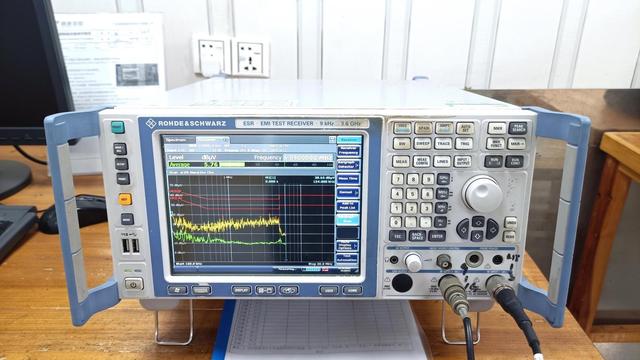
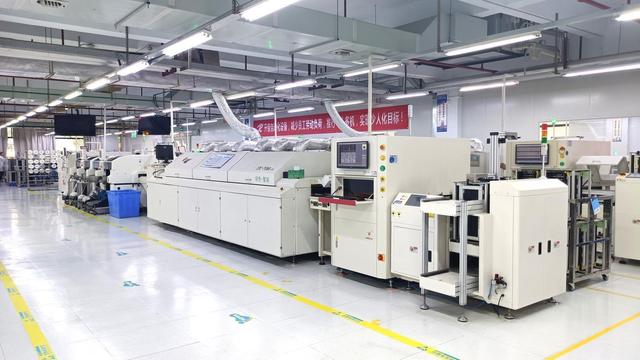
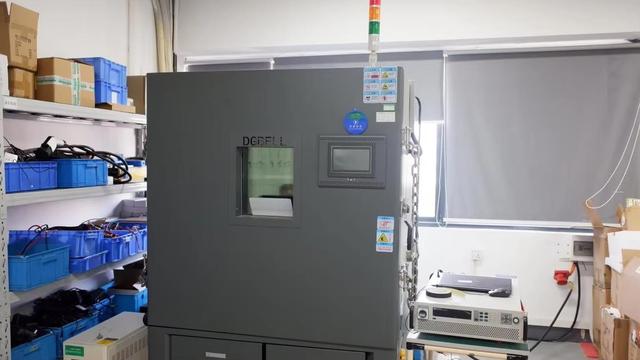
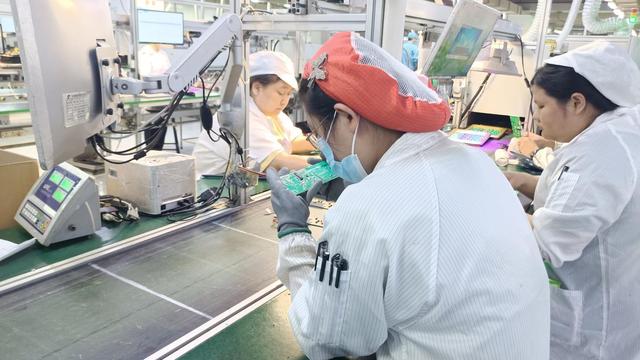
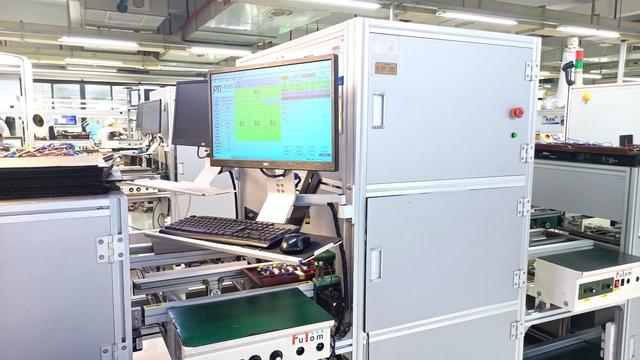
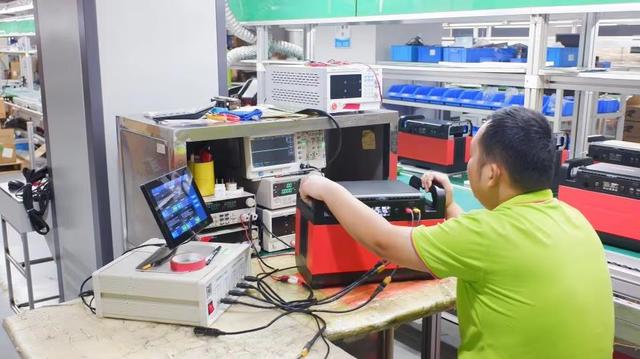
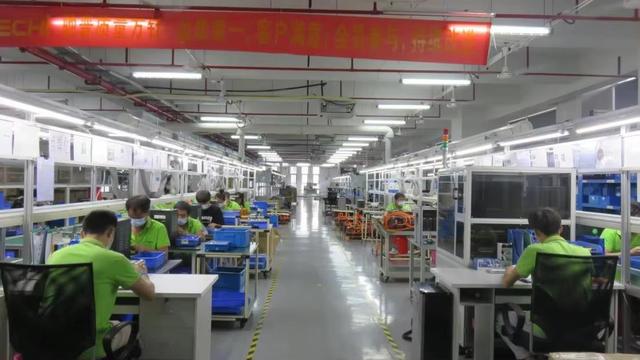
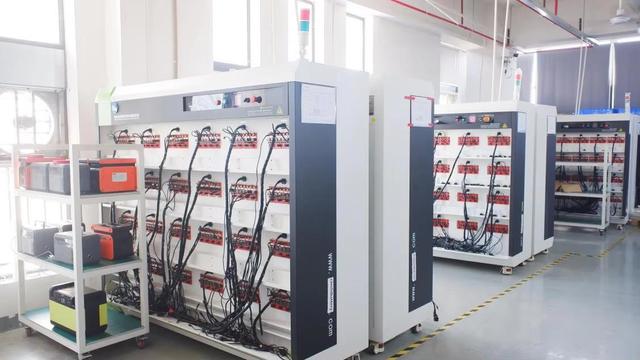
Hangzhou Symbion Energy Co., Ltd. operates a state-of-the-art 20,000 square meter facility in China's tech-hub, Zhejiang. By utilizing Industry 4.0 manufacturing principles, we offer Melbourne clients a significant "Efficiency Advantage" that local assemblers often cannot match. Our vertical integration—from cell grading to final enclosure assembly—ensures a level of quality control (EEAT: Reliability) that is vital for long-term infrastructure projects.
Our "Supply Chain Resilience" model includes:
Procuring large-scale energy systems involves complex risk management. Our localization support includes dedicated engineering support for Melbourne projects, ensuring that language barriers or time-zone differences never stall an installation. We provide full OEM/ODM services, allowing local Australian brands to white-label our tier-1 technology under their own banner.
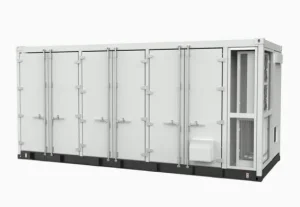
Our compliance framework covers all necessary certifications for the Australian market, including CEC (Clean Energy Council) listing for residential batteries and comprehensive safety standards for commercial ESS containers. When you source from our factory, you are not just buying a battery; you are securing a decade of R&D and 280+ experts dedicated to power electronics.
Yes. All our products for the Melbourne market are designed to meet or exceed AS/NZS 4777.2 standards and carry necessary international certifications (CE, UN38.3, IEC 62619). We also provide specific firmware configurations tailored to the Australian energy market's needs.
The primary benefit is cost control. By integrating an EMS, factories in Victoria can automatically switch to battery power during peak price windows (usually late afternoon) and recharge when rates are low, or when solar production is at its peak. This effectively lowers the "demand charge" on your electricity bill.
We work with a network of EPC partners and certified installers in Australia who provide on-site support. Additionally, our factory offers 24/7 remote monitoring and diagnostic services to ensure your system operates at peak efficiency.
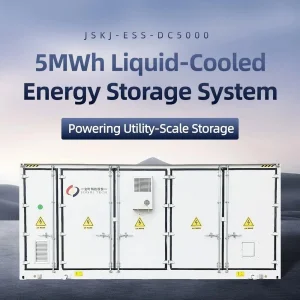
Typically, standard containerized systems (like our 1MW/2MWh units) have a manufacturing lead time of 8–12 weeks. Shipping to the Port of Melbourne usually takes an additional 3–4 weeks. We also offer expedited options for urgent grid-support projects.
Absolutely. We specialize in custom branding, enclosure colors, and software integration for our Australian partners, allowing them to leverage our R&D while maintaining their own brand identity in the local market.
 Symbion Energy