Symbion Energy
1 / 5
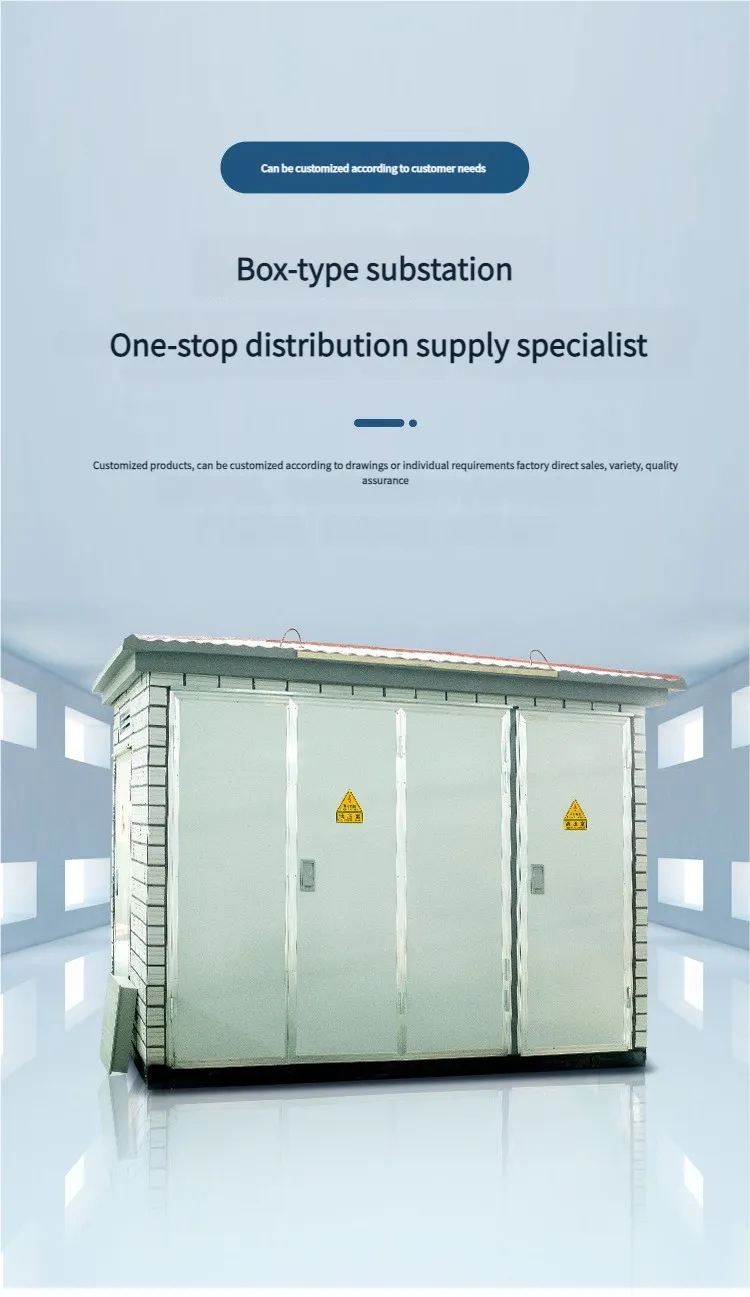
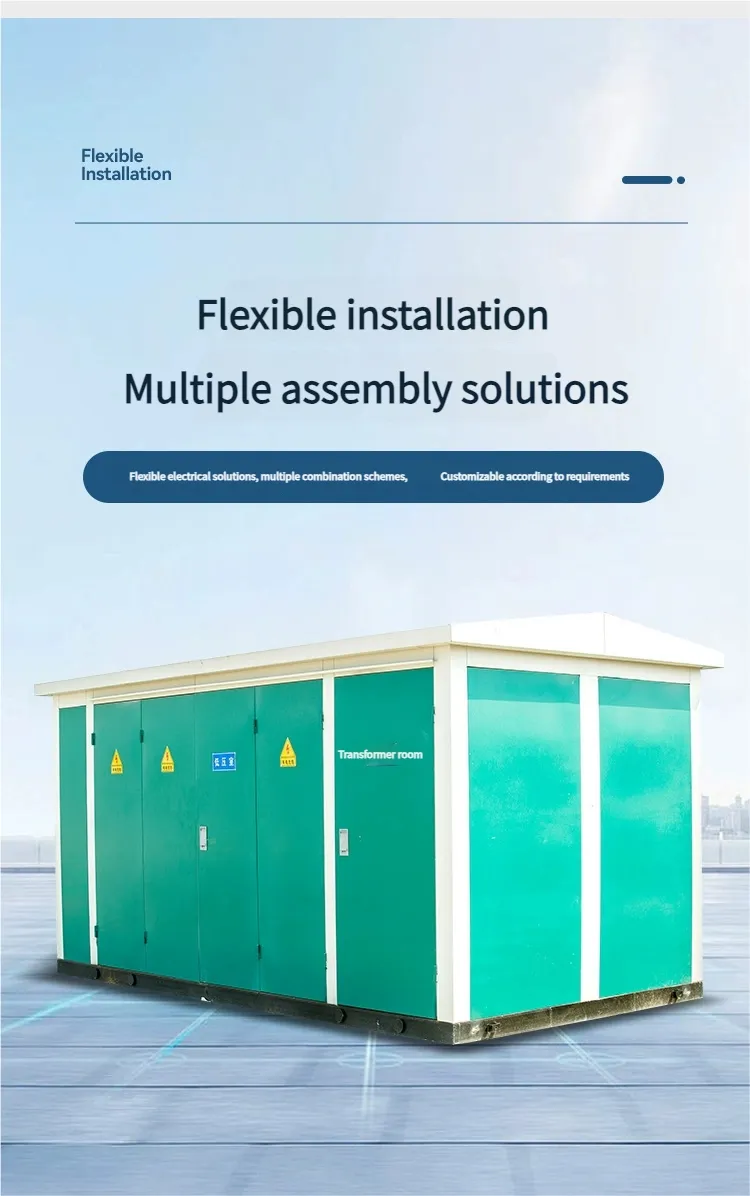
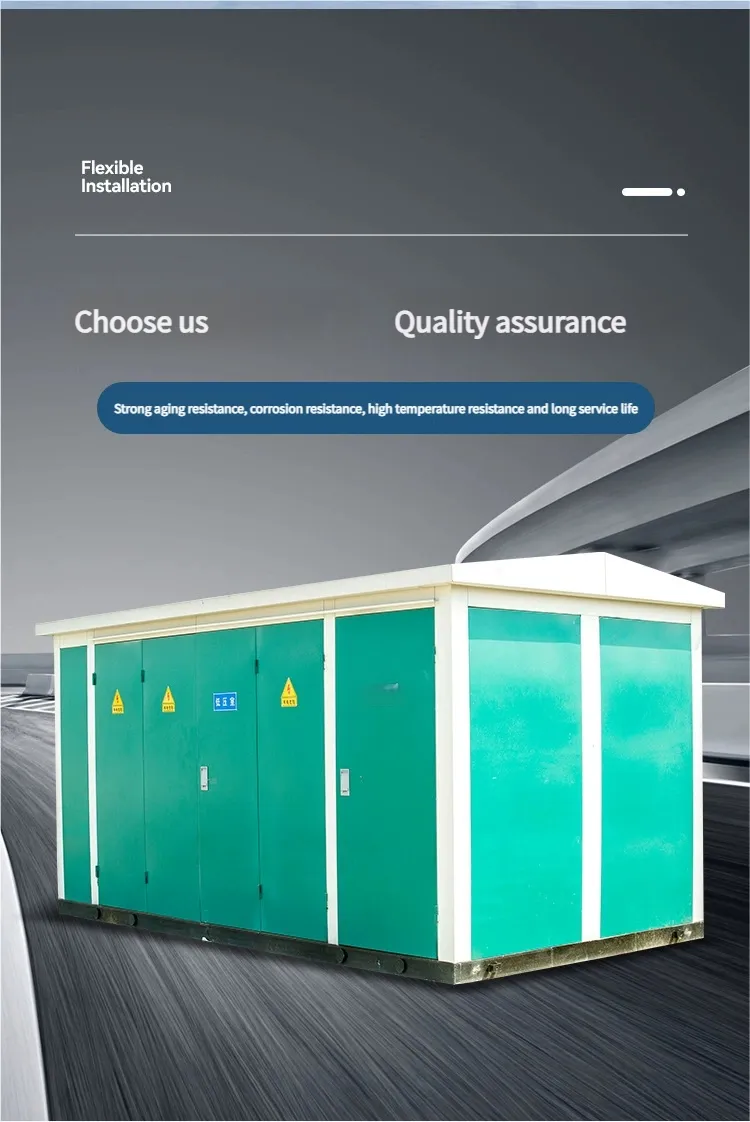
Box-type Substation Overview
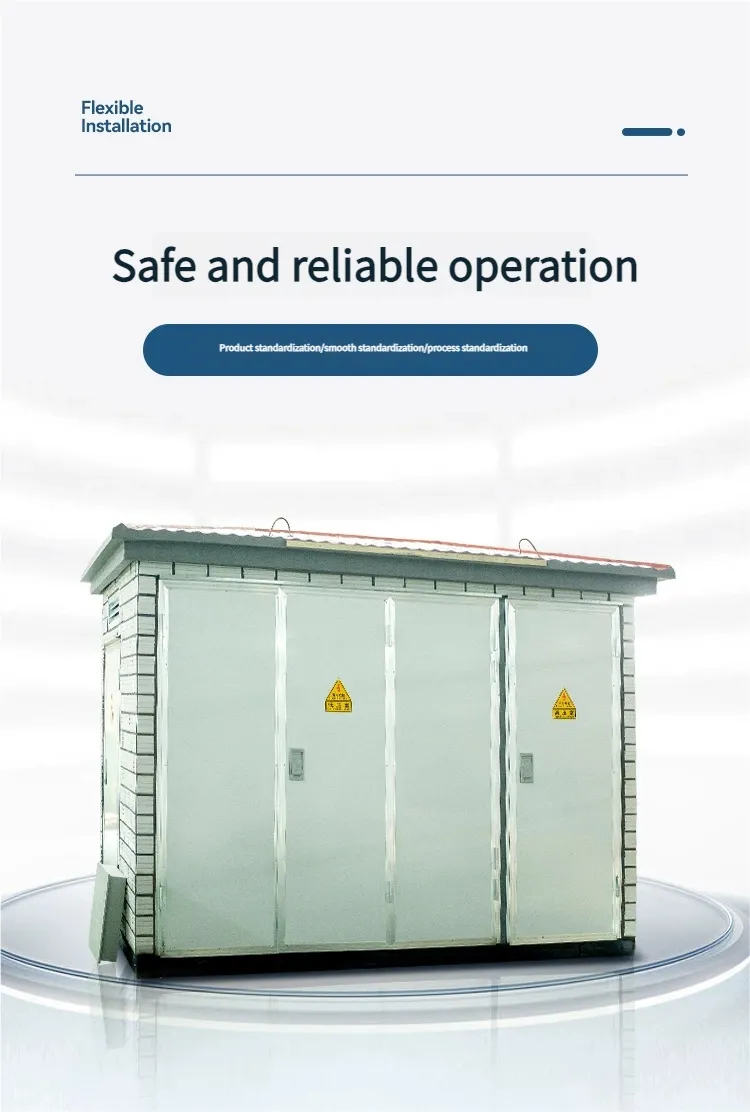
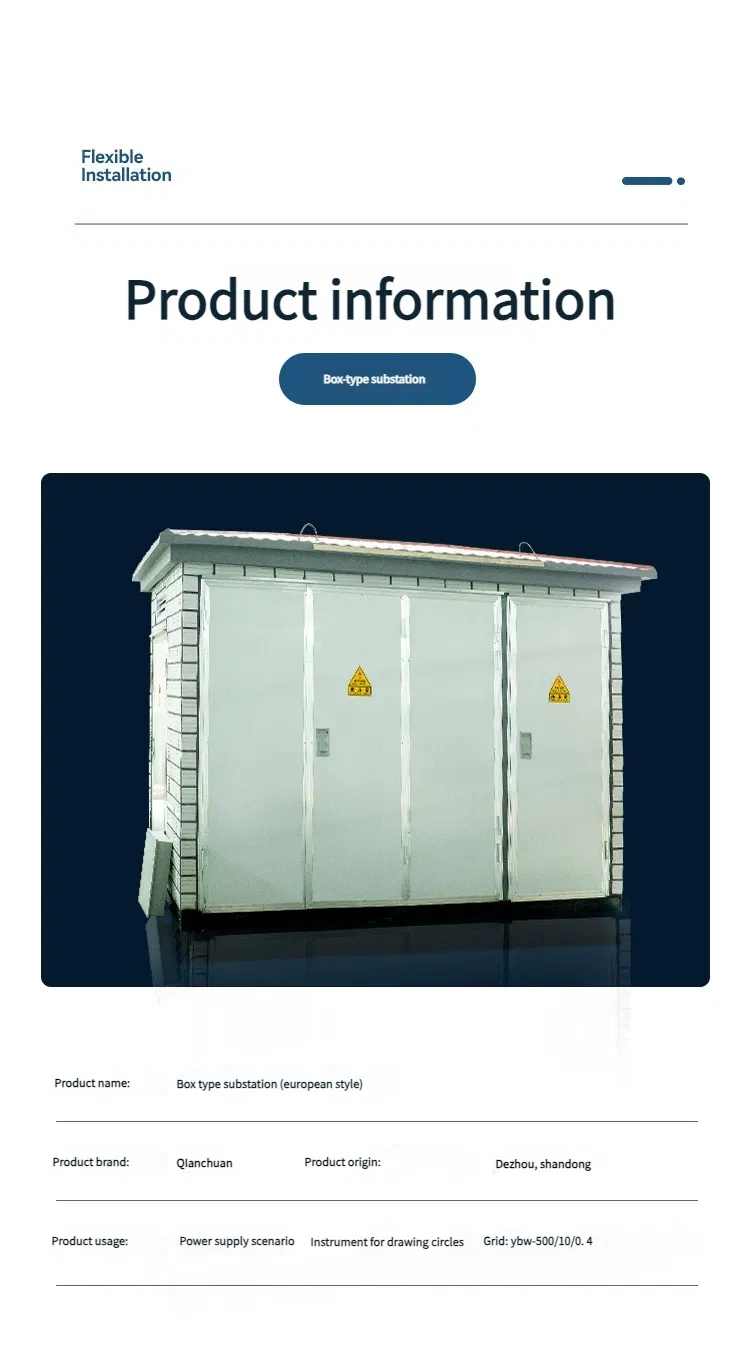
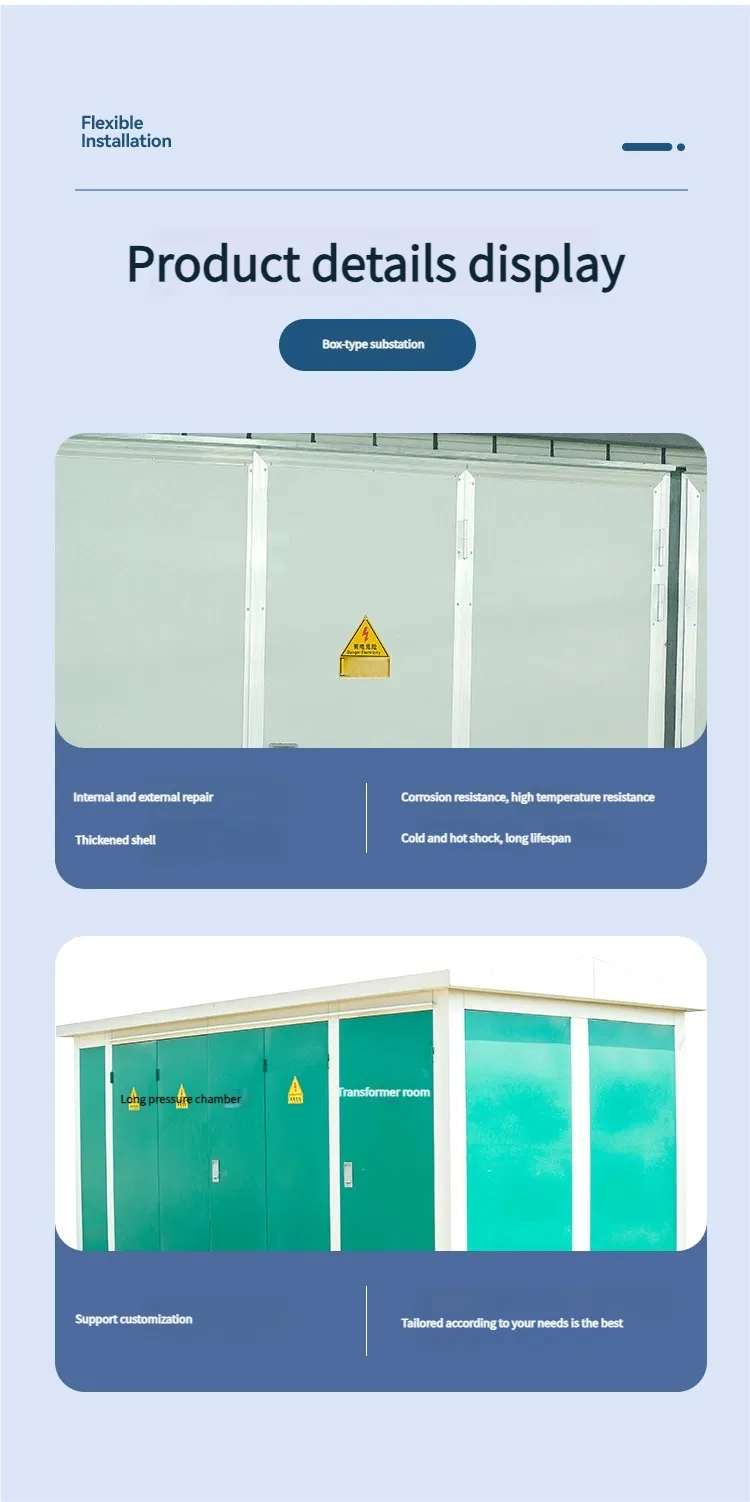
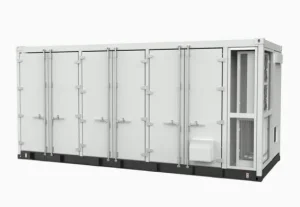
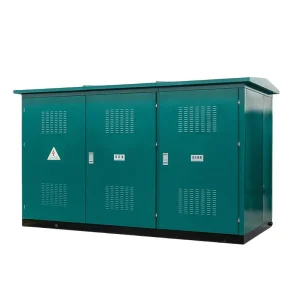
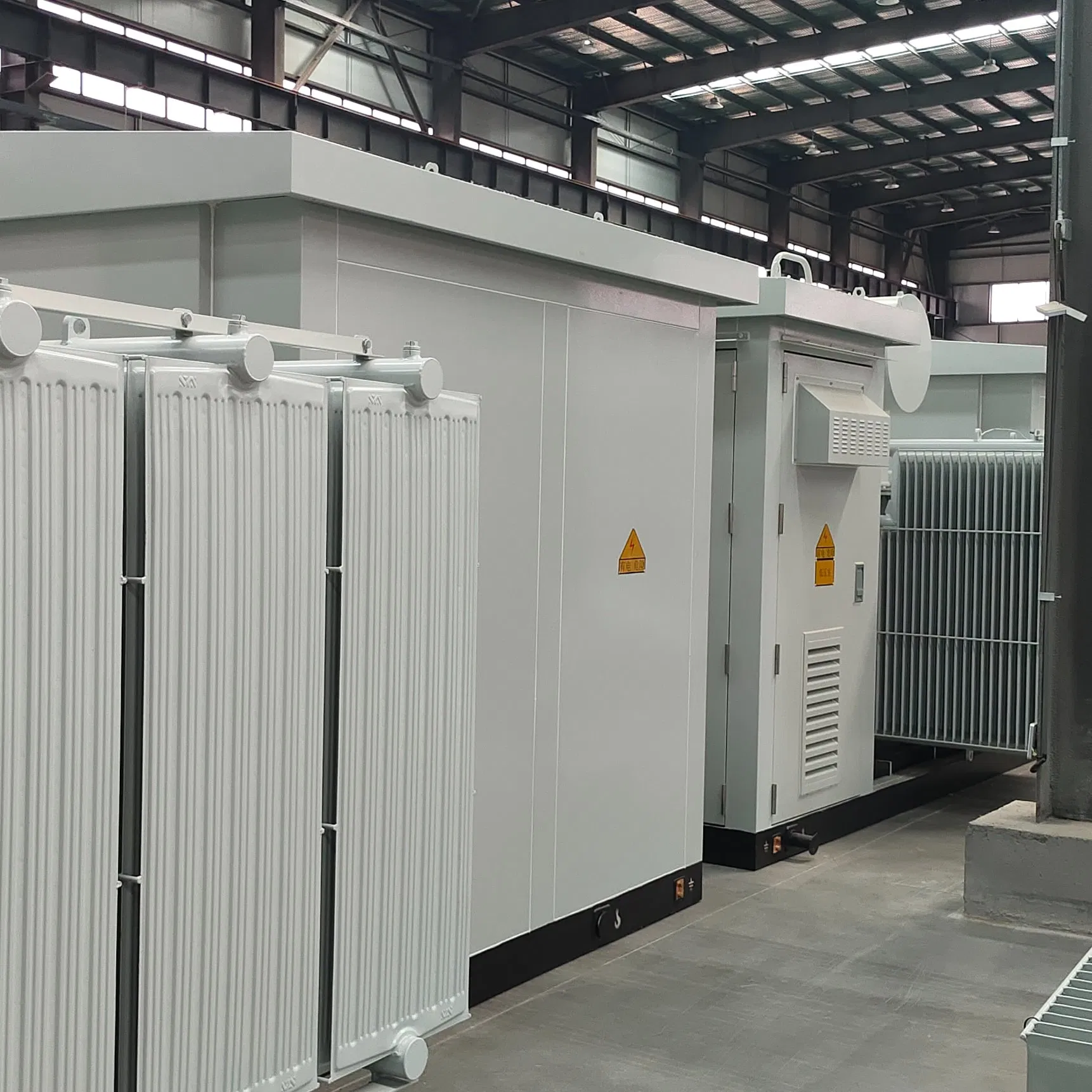
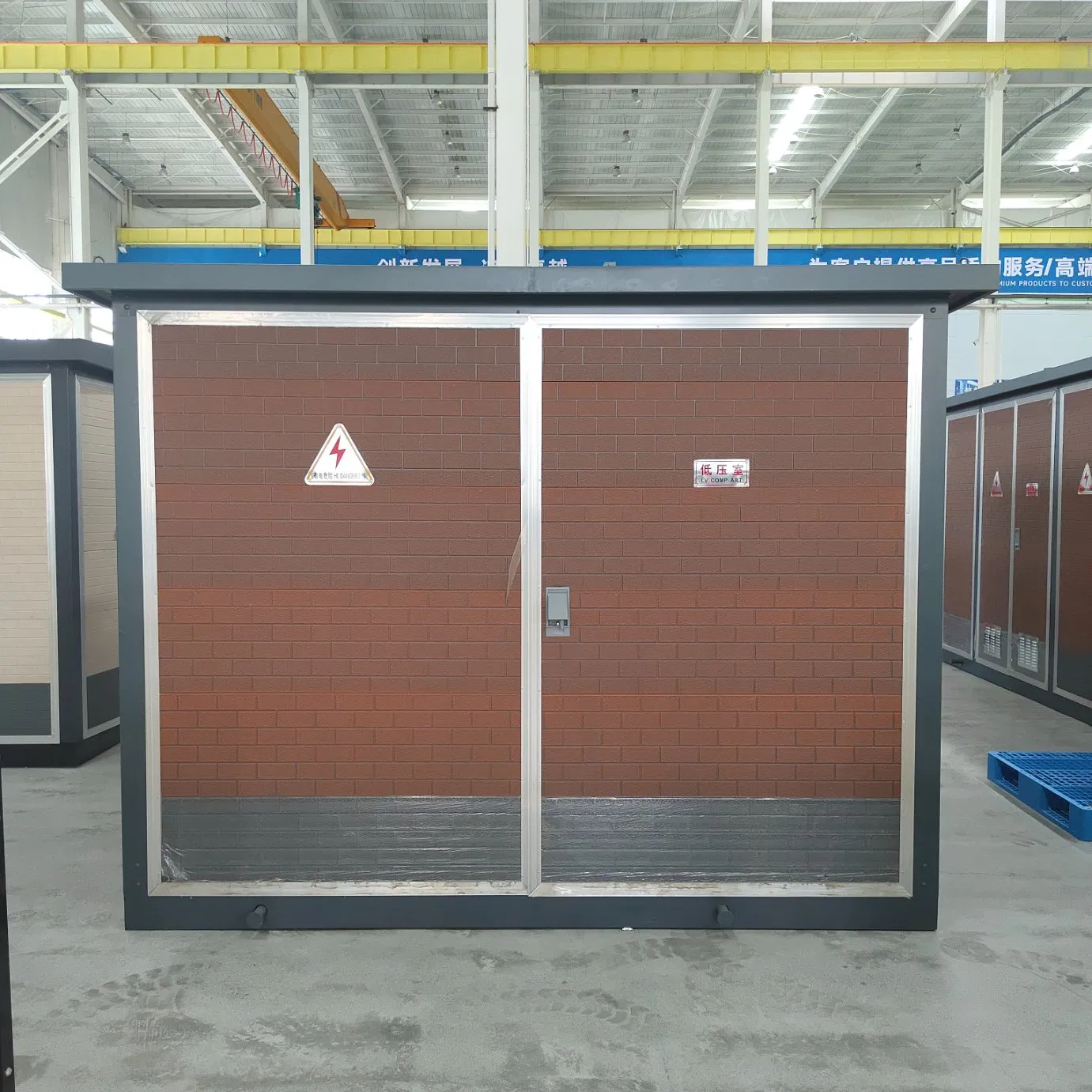
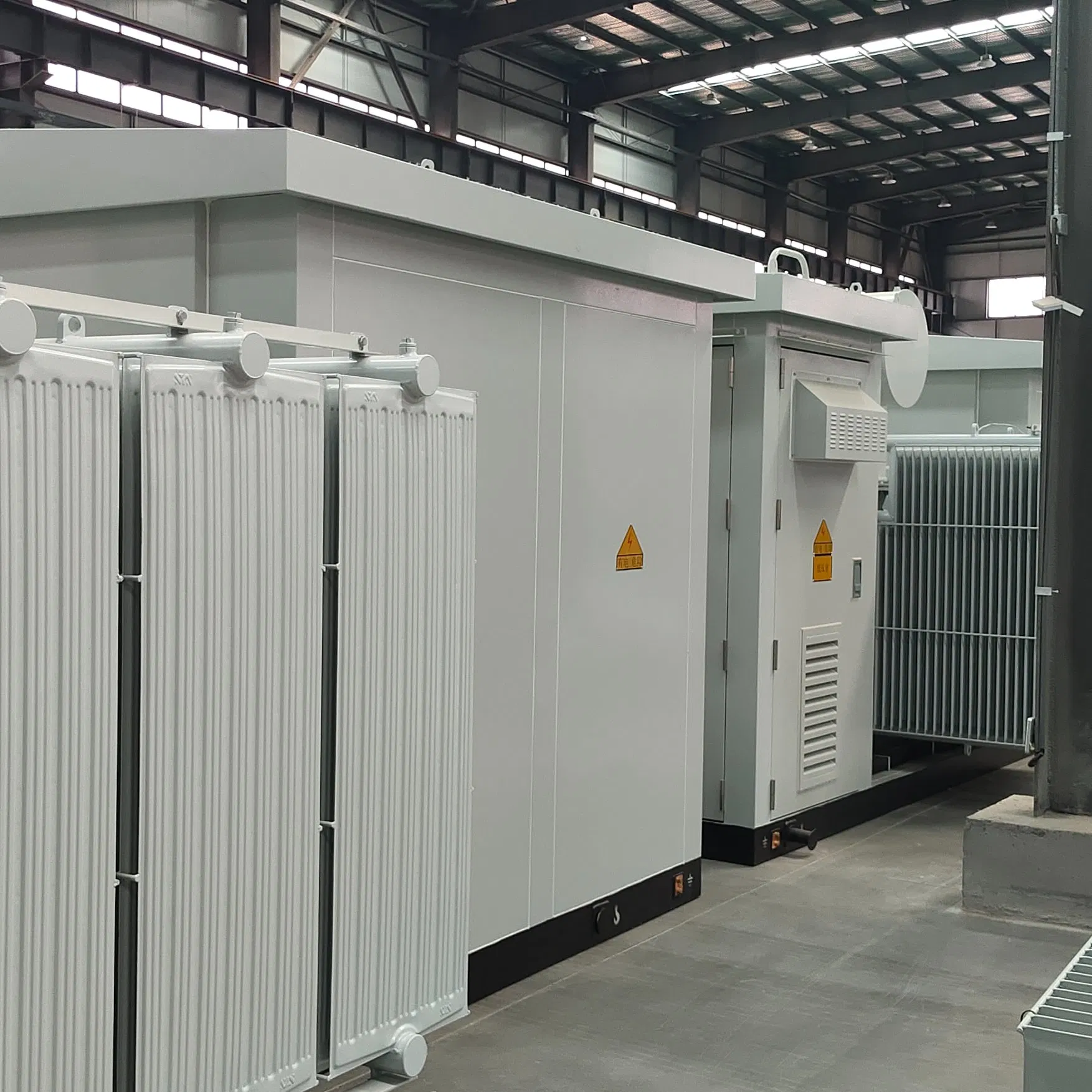
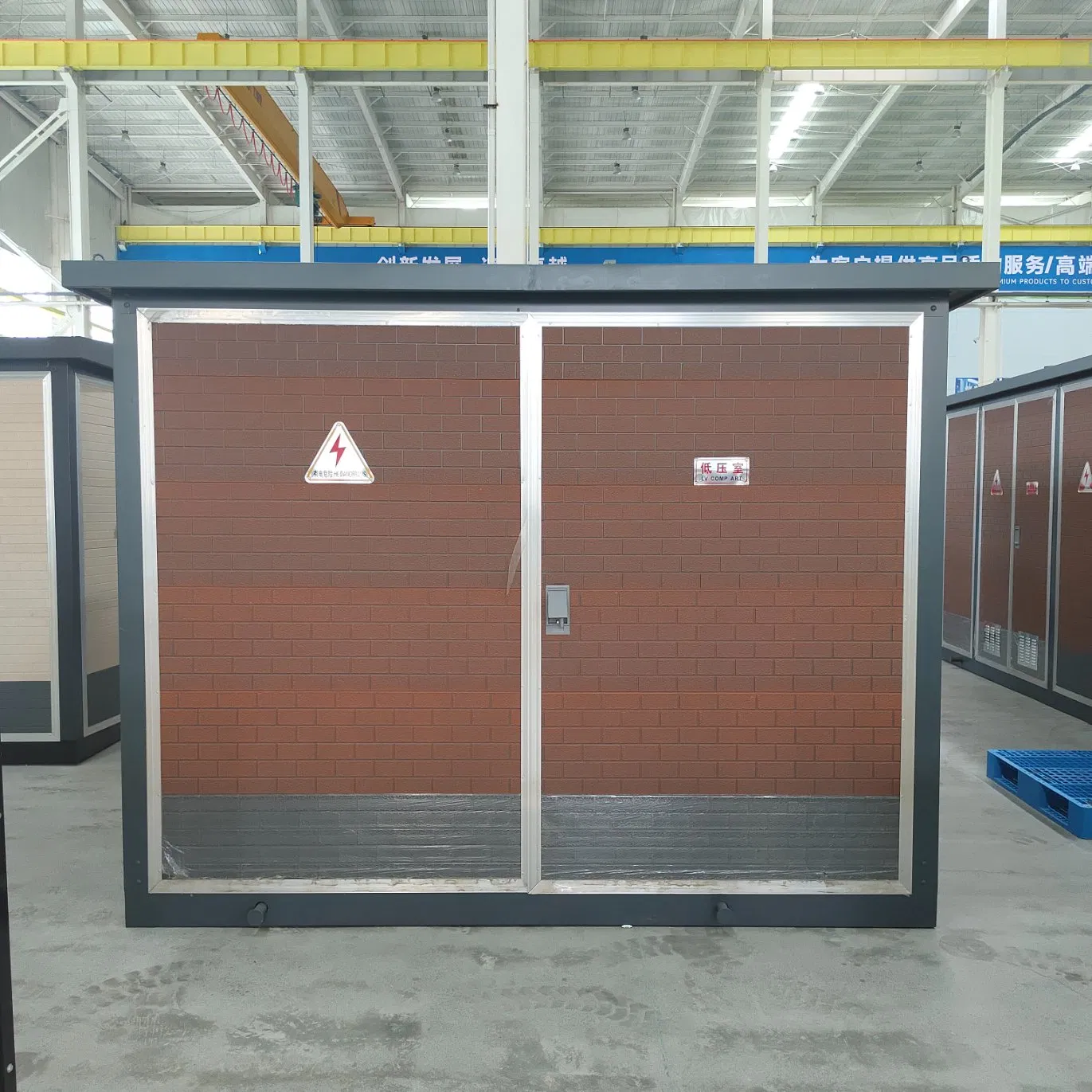
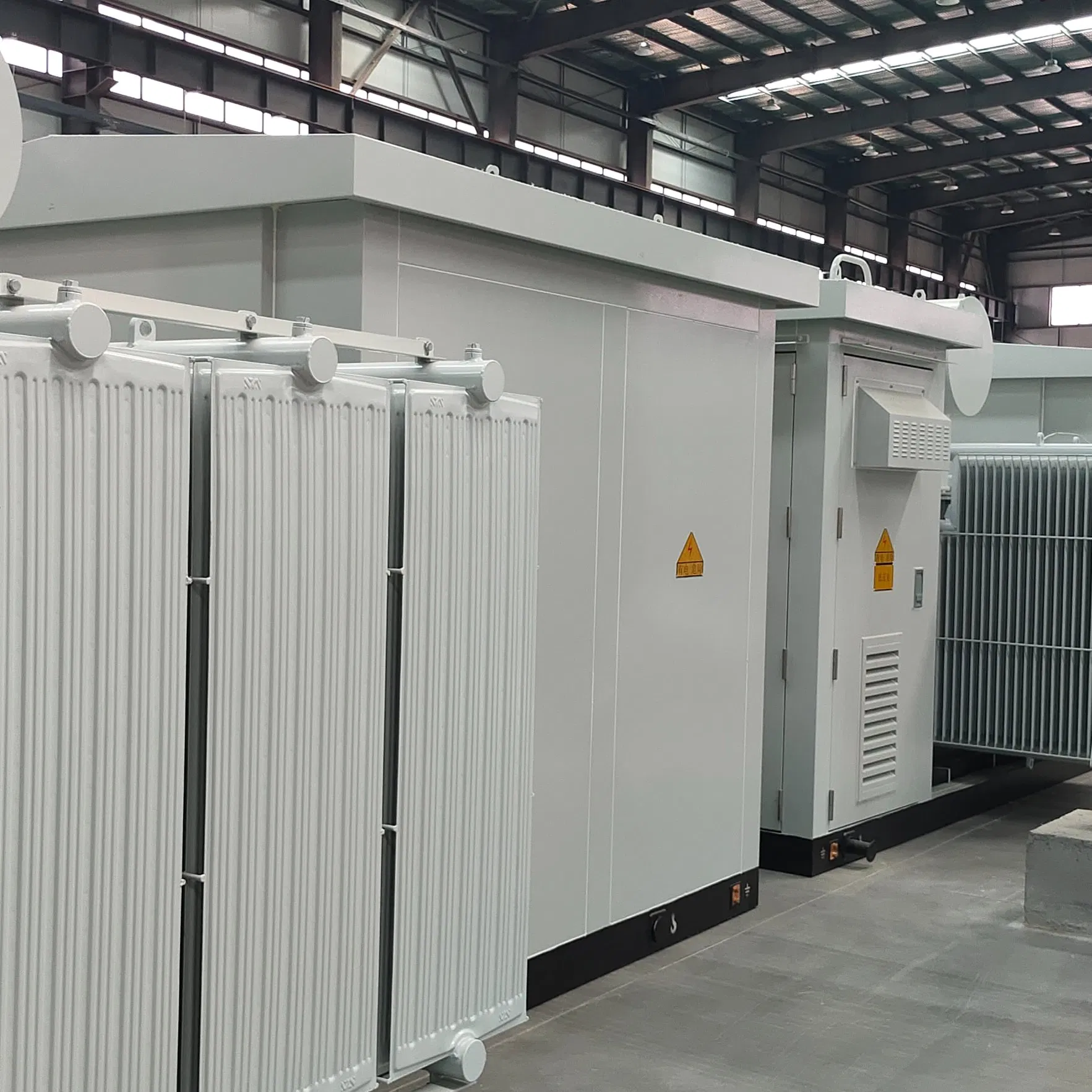
A box-type substation is a compact power distribution device that integrates high-voltage switchgear, distribution transformers, low-voltage devices, and intelligent systems. It contains a high-voltage chamber (such as load switches), a transformer chamber (oil-immersed or dry-type), and a low-voltage chamber (such as power distribution cabinets), and realizes power conversion, distribution, and protection through modular design.
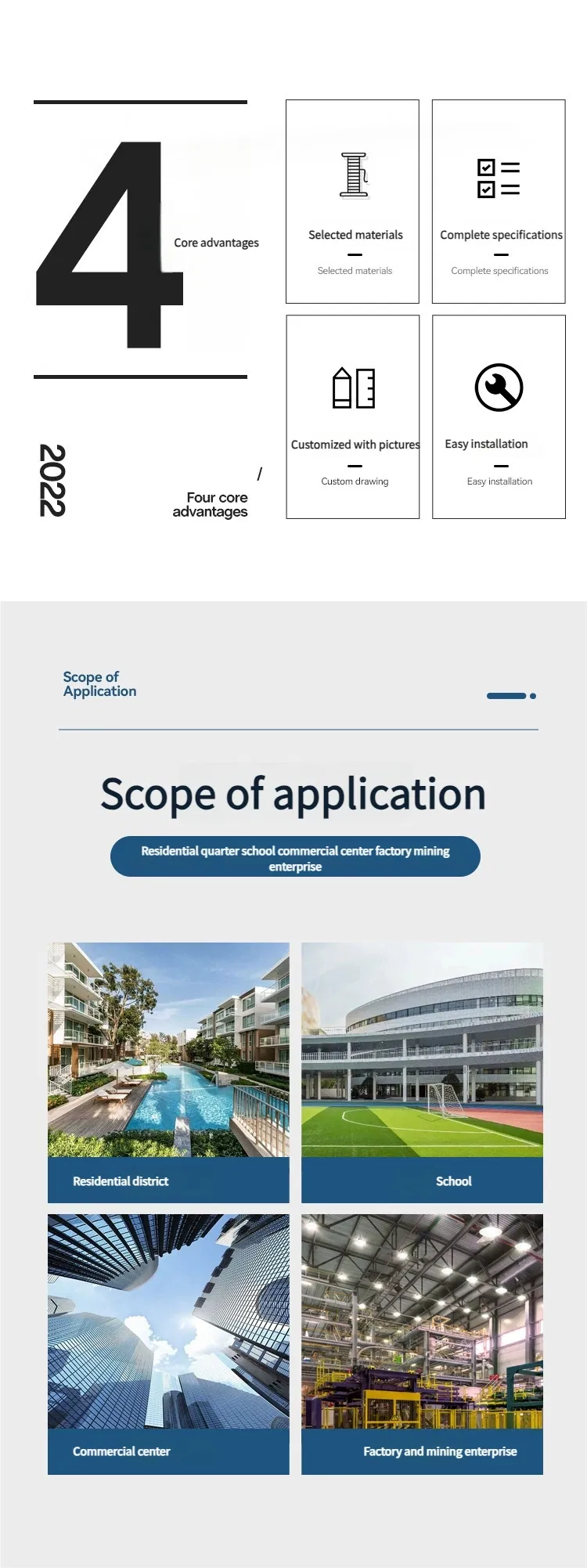
It has a compact structure, occupying only 1/10 - 1/5 of the land area of a traditional substation. The enclosure protection level reaches above IP33D, and it can adapt to environments with temperatures ranging from -40°C to +40°C. It supports intelligent monitoring, remotely monitors status, provides early fault warnings, and can be connected to new energy sources. It is widely used in urban power distribution networks, commercial centers, residential communities, new energy projects, and temporary power-use scenarios.
| Compartment | Item | Unit | Parameter |
|---|---|---|---|
| High Voltage | Rated Frequency | Hz | 50 / 60 Hz |
| Rated Voltage | KV | 3.3KV to 36KV | |
| Rated Current | A | 400, 630, 1000, 1250, 1600, 2000, etc. | |
| BIL | KV | 75/85, 170/185 | |
| Short circuit breaking | KA | 20, 31.5 | |
| Transformer | Power Capacity | KVA | 200 KVA up to 2.5 MVA |
| Tapping Range | % | ±2 X 2.5%, ±5% | |
| Vector Group | - | Yyn0, Dyn11 | |
| Low Voltage | Rated Voltage | V | 220, 380, 400, 415, 440, 690, 800 |
| Main Circuit Current | A | 50 - 4000 |