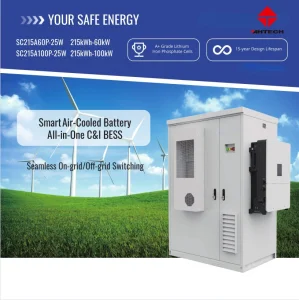
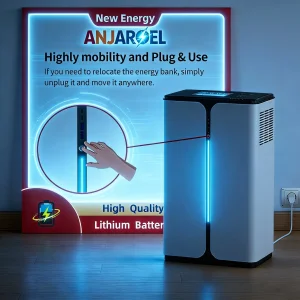
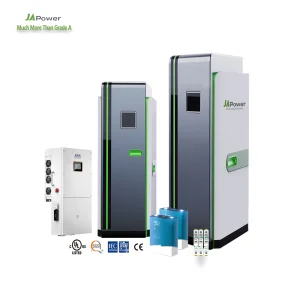
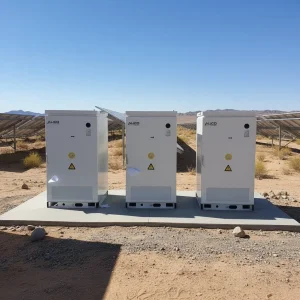
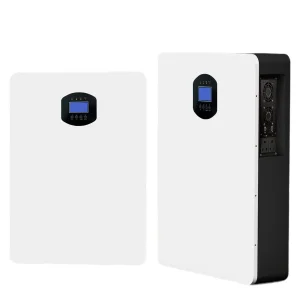
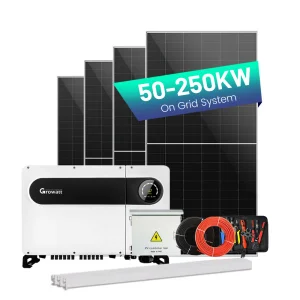
Premium engineering solutions configured for commercial, industrial, and high-capacity residential applications.
As global power grids experience unprecedented strain due to rising peak demand, climate challenges, and the rapid influx of variable renewable energy (VRE), localized power storage has transformed from an eco-conscious alternative to a macroeconomic necessity. Home and Commercial Energy Storage Systems (BESS) represent the frontline defense against soaring utility tariffs and grid volatility.
In mature markets such as North America (supported by the federal IRA tax incentives) and Europe (driven by high feed-in tariffs and the REPowerEU directive), grid-tied and off-grid hybrid batteries enable businesses and households to achieve true power autonomy. In emerging microgrid regions like the Asia-Pacific islands and remote districts of Africa, robust utility-scale storage systems bridge the deficit where centralized grid architecture is physically or financially impractical.
By storing off-peak generation—specifically via solar or wind—and discharging it during peak pricing periods, organizations dramatically reduce their LCOS (Levelized Cost of Storage). Modern BESS solutions incorporate artificial intelligence, allowing localized controllers to predict consumption curves and dynamically manage loads with grid-forming inverters.
Deploying a BESS system mitigates high Demand Charges applied during maximum consumption spikes. By shifting loads to the battery, commercial operators smooth out demand profiles, realizing up to a 40% reduction in monthly utility spend.
Understanding the structural engineering, chemistry dynamics, and fail-safe safety mechanisms defining Tier-1 energy storage systems.
Modern BESS architecture utilizes Lithium Iron Phosphate (LFP) chemistry as the industry benchmark. LFP cell structure provides exceptional thermal stability up to 600°C, zero oxygen propagation under normal operating conditions, and a design life exceeding 6,000 cycles at 80% Depth of Discharge (DoD).
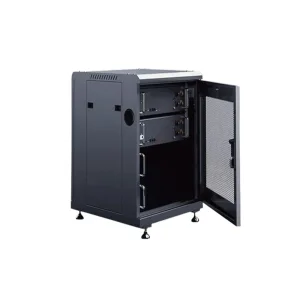
Our distributed energy cabinets utilize both forced air-cooling and closed-loop liquid cooling systems. Liquid-cooled models achieve uniform temperature distributions across the cells with variance <3°C, extending overall pack life by 20% and avoiding critical thermal runaway scenarios.
Safety starts at the micro-level. A digital triple-tier Battery Management System (BMS) continuously monitors cell voltage, surface temperature, and internal resistance. It integrates seamlessly with our cloud-based Energy Management System (EMS) for Predictive Maintenance and AI routing.
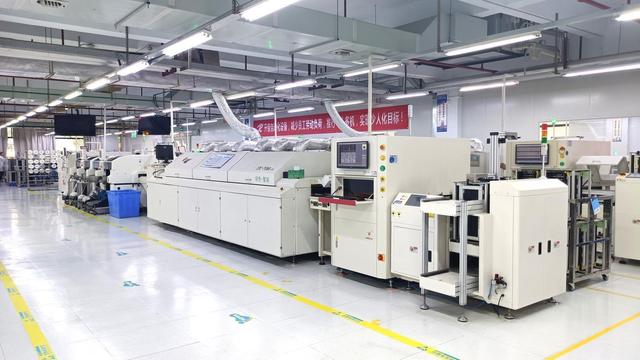
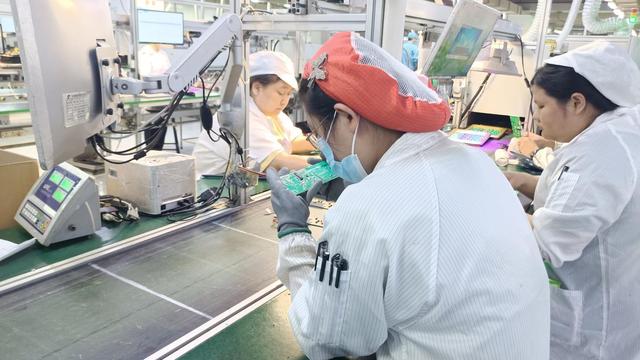
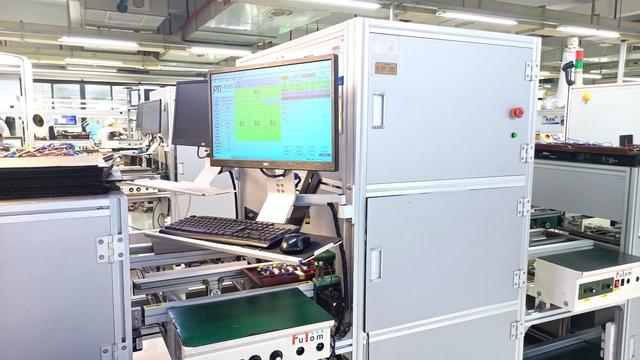
Every single lithium iron phosphate cell undergoes strict capacity grading, impedance testing, and automated optical inspections. This ensures optimal balance within parallel packs, eliminating localized hot spots during high charge/discharge phases.
High-voltage battery modules are integrated with high-precision sensory arrays. Cell-to-pack (CTP) designs ensure optimized volumetric density, while isolation monitors identify any structural leakage instantly, decoupling the module if a fault occurs.
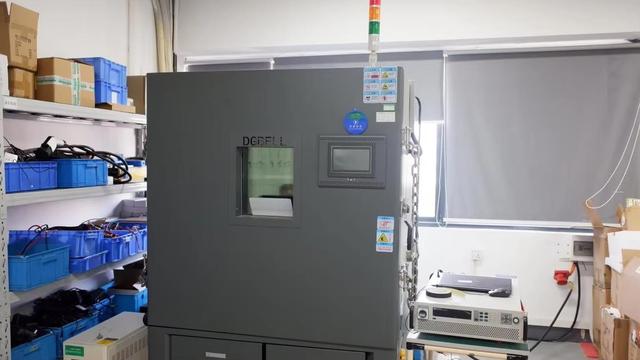
Cabinets undergo extreme environmental testing, thermal profiling, and load simulation. Grid-connected microgrid controllers, air-conditioning/liquid heat exchangers, and fire suppression systems (aerosol / FM200) are verified to comply with UL9540A and CE standards.
A premier manufacturer delivering robust clean energy infrastructure, microgrid technologies, and customized battery systems.
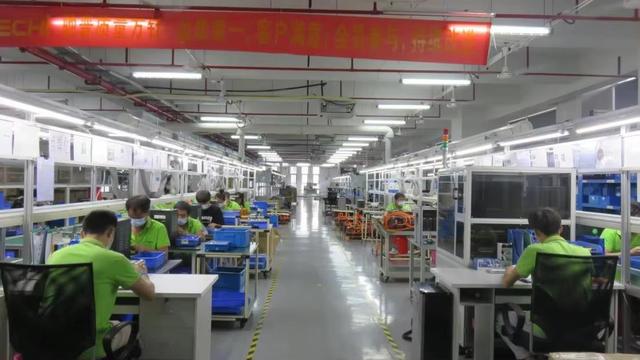
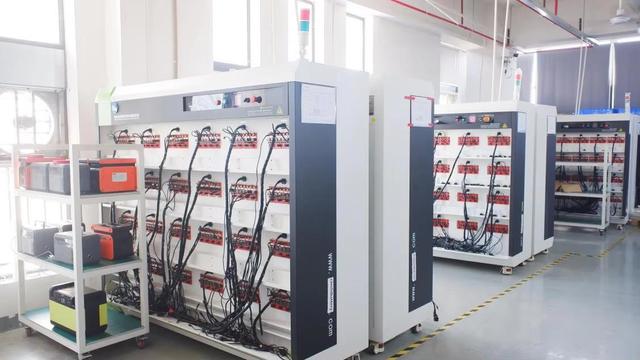
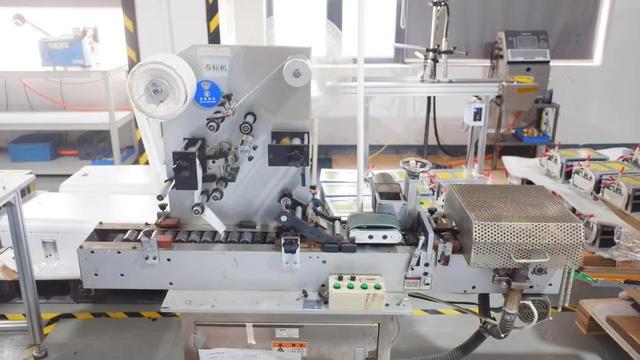
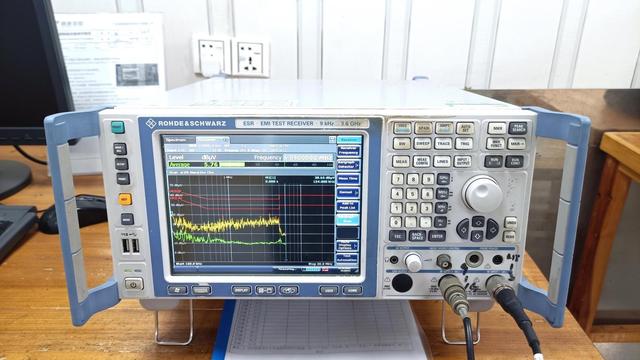
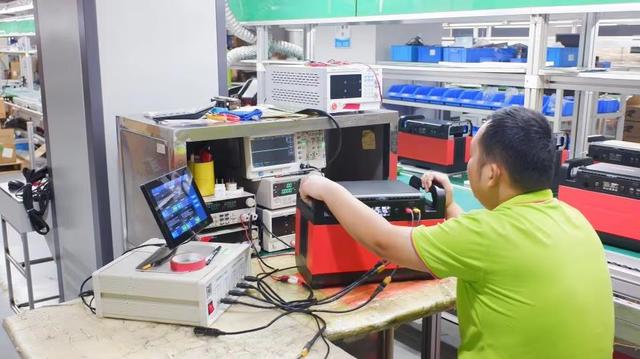
Engineered to support varying thermal, geographical, and grid infrastructure needs worldwide.
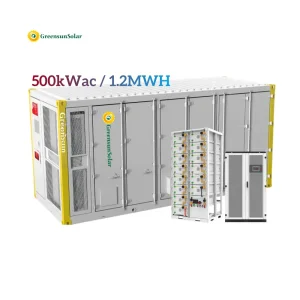
Isolated communities rely on decentralized solar-wind hybrid generation. Containerized battery units act as grid anchors, providing fast frequency response (FFR), active voltage control, and black-start capabilities to stabilize high-impedance grids without relying on expensive diesel generators.
Data centers, cold chain logistics, and electronics factories cannot afford power interruptions. High-efficiency liquid-cooled cabinets integrate into automatic transfer switches (ATS), guaranteeing seamless switchovers under 10ms during blackouts while providing localized load shaving.
 Symbion Energy