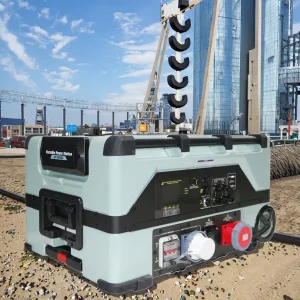
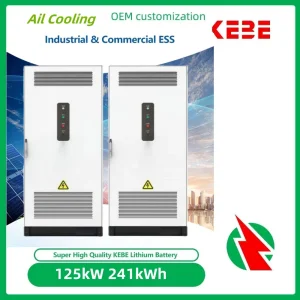
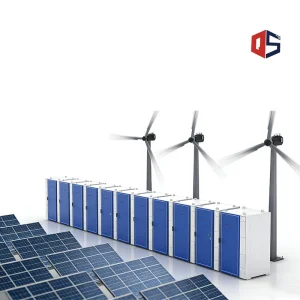
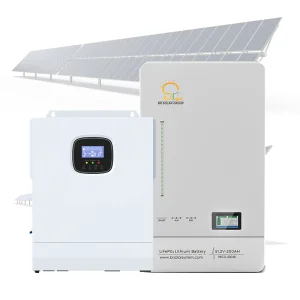
Explore our premium selection of certified commercial, industrial, and residential energy storage systems.

Hangzhou Symbion Energy Co., Ltd. - Leading the Global Transition to Sustainable Energy Infrastructure
Hangzhou Symbion Energy Co., Ltd. is a professional manufacturer specializing in Battery Energy Storage Systems (BESS), microgrid solutions, and smart energy management technologies for commercial, industrial, and utility-scale applications. Established in 2014 and located in Hangzhou, Zhejiang Province, China, the company is dedicated to supporting the global transition toward cleaner, more reliable, and more efficient energy infrastructure. With a manufacturing facility covering over 20,000 square meters and a workforce of more than 280 employees, Symbion Energy provides advanced energy storage solutions to customers worldwide.
The company's product portfolio includes industrial battery energy storage systems, containerized BESS solutions, commercial energy storage systems, renewable energy storage systems, microgrid energy storage platforms, backup power systems, distributed energy storage solutions, and intelligent energy management systems. These products are widely used in renewable energy integration, peak shaving, load shifting, grid support, emergency backup power, electric vehicle charging infrastructure, and industrial energy optimization projects.
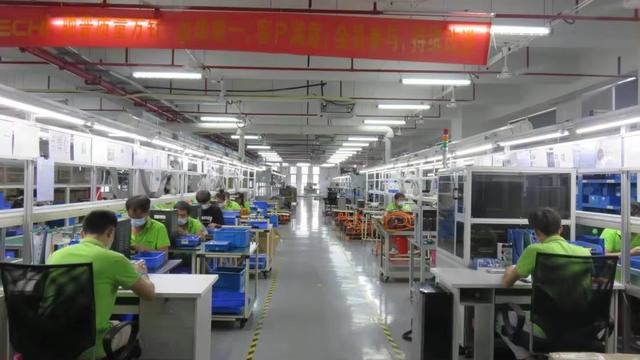
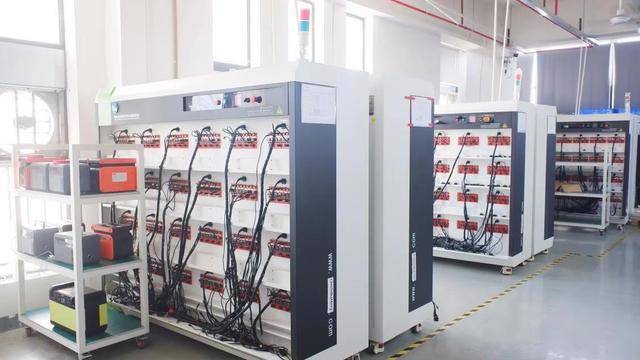
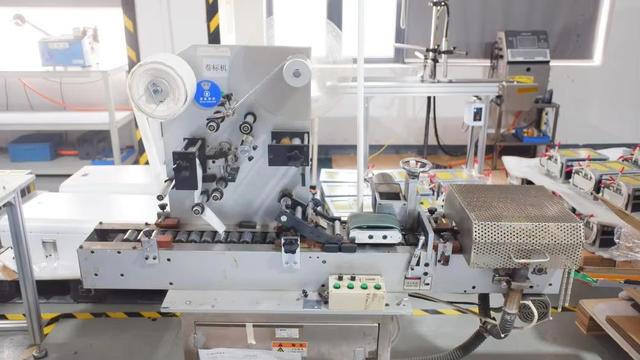
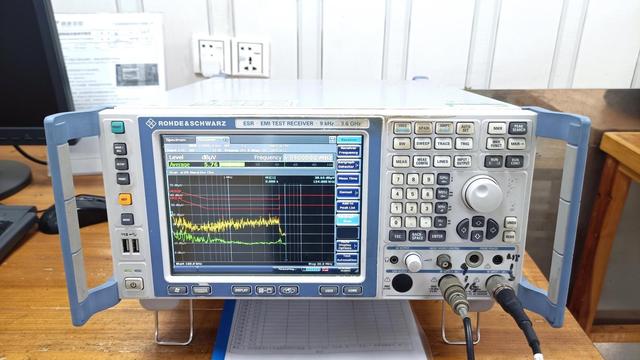
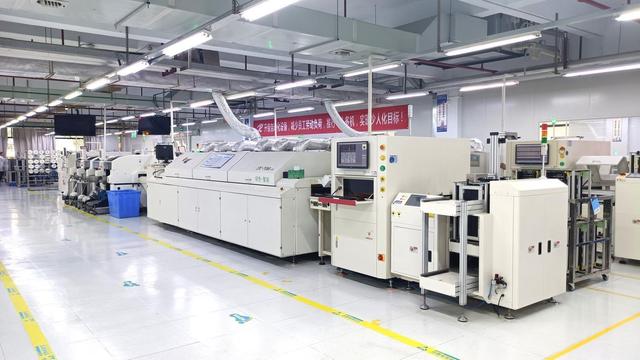
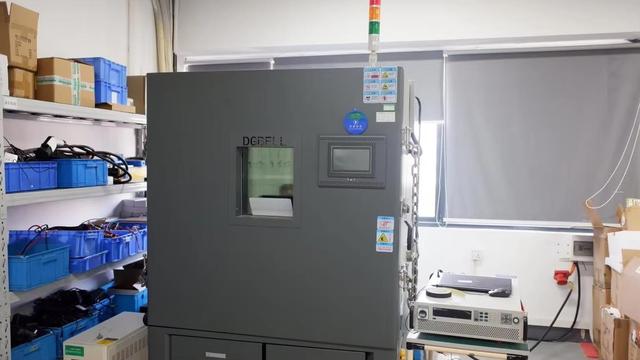
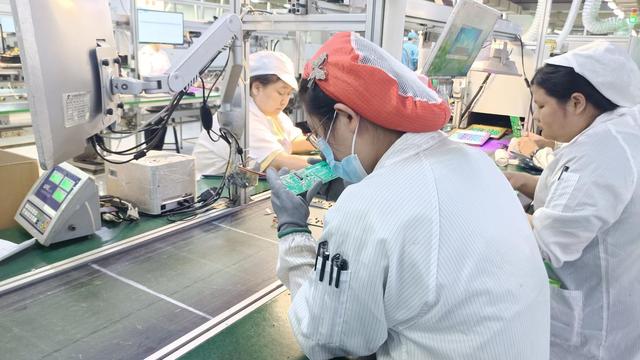
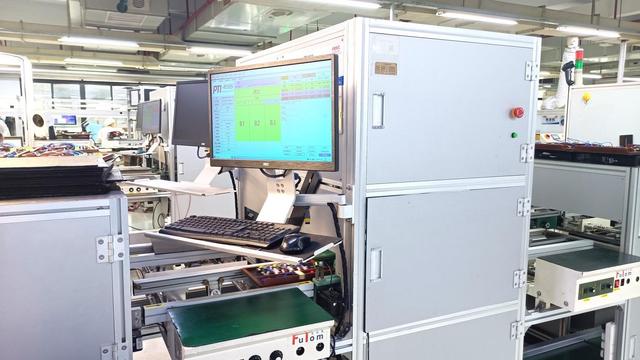
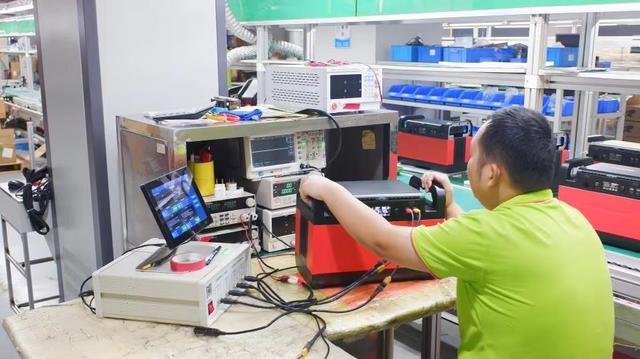
Symbion Energy operates modern production lines, battery integration workshops, and comprehensive testing laboratories to ensure high standards of safety, reliability, and performance. The company follows strict quality control procedures throughout design, manufacturing, system integration, and final testing. Its engineering team continuously develops innovative solutions that help customers improve energy efficiency, reduce operational costs, and enhance power resilience.
In addition to standard products, Symbion Energy offers OEM and ODM services for global partners, including customized battery storage systems, enclosure design, software integration, branding, and project-specific energy solutions. Through ongoing investment in technology, innovation, and customer support, Hangzhou Symbion Energy Co., Ltd. has become a trusted partner for energy developers, utilities, EPC contractors, and industrial customers seeking dependable battery energy storage and smart energy management solutions.
Unmatched supply chain integration, technological maturity, and cost-efficiency defining the future of clean energy.
China has established itself as the undisputed global epicentre for energy storage manufacturing, driven by robust government policy support, complete lithium-ion battery industrial chains, and relentless R&D investments. Sourcing energy storage systems (ESS) from leading Chinese manufacturers like Hangzhou Symbion Energy grants international developers, EPC contractors, and utilities distinct competitive advantages:
1. Complete Industrial Ecosystem: From upstream lithium mining and cathode/anode processing to cell manufacturing, BMS development, and thermal management integration, the localized supply chain reduces lead times and material costs significantly.
2. Advanced Technological Innovations: Rapid adoption of liquid-cooling thermal management, AI-driven predictive maintenance, and high-density LiFePO4 chemistry ensures maximum cycle life, exceptional safety profiles, and superior operational efficiency under extreme ambient conditions.
3. Scalable Customization & OEM/ODM Capabilities: Flexible production lines allow rapid scaling from small residential power walls to multi-megawatt containerized BESS, customized strictly according to international regulatory certifications (CE, UL, UN38.3, IEC).
Empowering diverse sectors with resilient energy architectures and intelligent power management.
Modern energy landscapes demand versatility. Our energy storage systems are deployed globally across multiple mission-critical verticals:
Frequency regulation, peak shaving, spinning reserves, and seamless renewable integration for national and regional power grids.
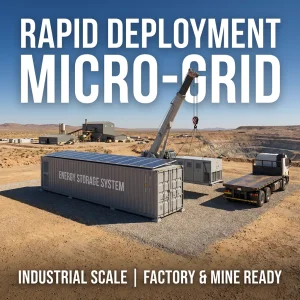
Combining solar, diesel generators, and LiFePO4 storage to guarantee uninterrupted power for remote factories and mines.
Demand charge management, load shifting, and green corporate transition for office buildings, data centers, and EV charging hubs.
All-in-one solar storage units providing homeowners with energy independence, emergency backup, and low electricity bills.
Discover more specialized off-grid, hybrid, and distributed storage configurations tailored for your projects.
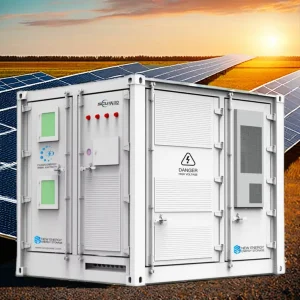
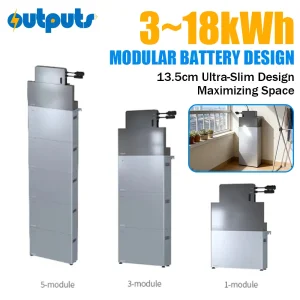
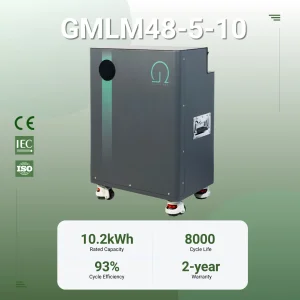


Visualizing our advanced assembly lines, strict quality control, and testing laboratories.
Expert insights regarding our energy storage manufacturing, technical specs, and global cooperation.
We primarily utilize Lithium Iron Phosphate (LiFePO4) chemistry due to its exceptional thermal stability, long cycle life (often exceeding 6,000 cycles), and superior safety profile compared to other lithium-ion variants.
Yes, Hangzhou Symbion Energy provides comprehensive OEM and ODM solutions, including custom enclosure designs, tailored BMS software integration, capacity scaling, and private labeling for global partners.
Our energy storage systems are engineered and tested to meet rigorous international standards, holding certifications such as CE, UN38.3, IEC, and UL compliances required for global grid connection and transport.
Standard production lead times range between 4 to 8 weeks depending on project specifications, scale (e.g., MWh-class vs. standard commercial units), and customization requirements.
 Symbion Energy