The global transition to "Net Zero" has shifted from a policy goal to a commercial necessity. Industrial and commercial (C&I) sectors now account for over 30% of global energy consumption. For these enterprises, Solar Energy Solutions are no longer just about sustainability; they are critical for operational resilience and cost hedging against volatile energy markets.
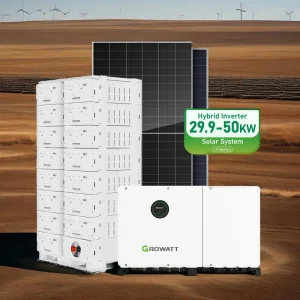
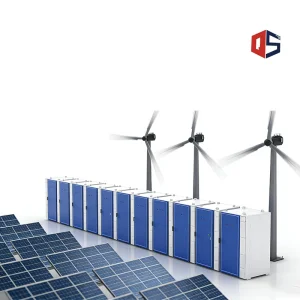
The intermittent nature of solar power has historically limited its ROI. Today's market trend is dominated by BESS (Battery Energy Storage Systems). By integrating advanced LiFePO4 storage, businesses can capture excess midday solar energy and deploy it during peak pricing hours, effectively "shaving" the peak and reducing utility demand charges.
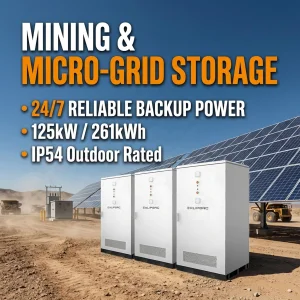
In regions with fragile grid infrastructure, such as parts of Southeast Asia, Africa, and remote mining sites in Australia, the "Microgrid" solution is the gold standard. These independent systems combine solar, battery storage, and often backup generators to provide 24/7 power, insulating critical operations from grid failures.
Hangzhou, China, has emerged as the global epicenter for energy storage innovation. Hangzhou Symbion Energy Co., Ltd., established in 2014, leverages this ecosystem to provide unparalleled OEM/ODM advantages. The "China Efficiency" isn't just about cost; it’s about the integrated supply chain—from raw lithium processing to advanced BMS (Battery Management System) software development.
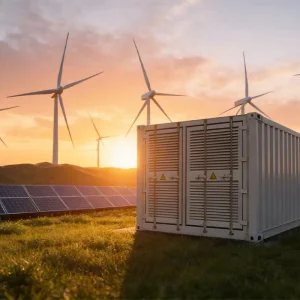
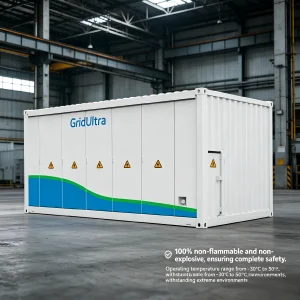
By utilizing domestic 314Ah long-pack cells and liquid cooling technologies, we achieve energy densities that were impossible five years ago. This allow us to offer "Power-Ready Designs" in 20FT containers that are virtually plug-and-play for utility-scale projects.
Off-grid microgrid BESS solutions (like our 125kW/261kWh units) are engineered for harsh environments. Liquid cooling ensures battery longevity even in high-temperature desert mining sites, providing reliable power for machinery and worker accommodations.
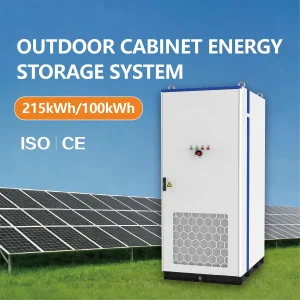
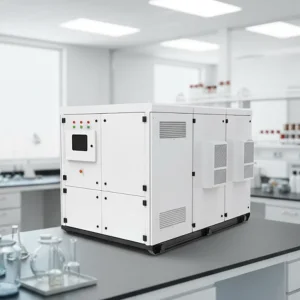
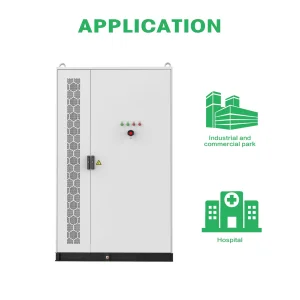
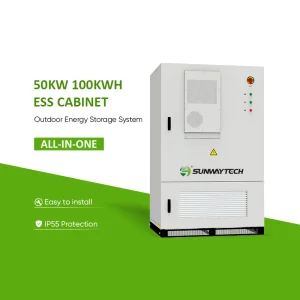
Factories in Europe and North America use our distributed cabinets to manage load shifting. By discharging batteries during the 4 PM - 9 PM peak window, enterprises can save up to 40% on their monthly electricity bills.
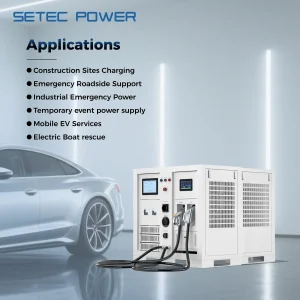
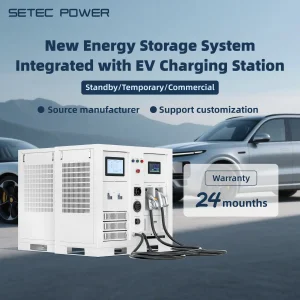
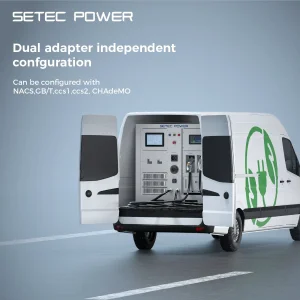
As EV adoption surges, the grid often cannot handle the surge in demand from fast chargers. Our integrated storage stations (30kWh - 1MWh) act as a buffer, allowing high-speed charging without upgrading the local transformer.
Hangzhou Symbion Energy Co., Ltd. is a professional manufacturer specializing in Battery Energy Storage Systems (BESS), microgrid solutions, and smart energy management technologies for commercial, industrial, and utility-scale applications. Established in 2014 and located in Hangzhou, Zhejiang Province, China, the company is dedicated to supporting the global transition toward cleaner, more reliable, and more efficient energy infrastructure.
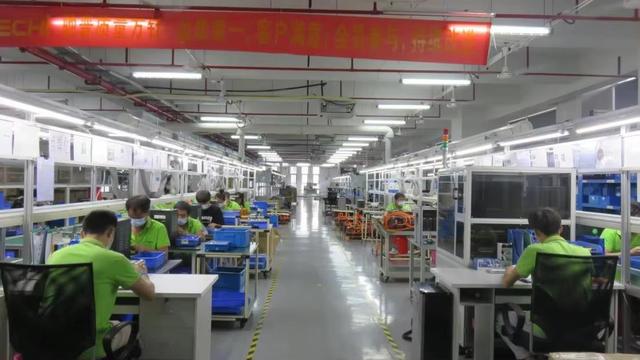
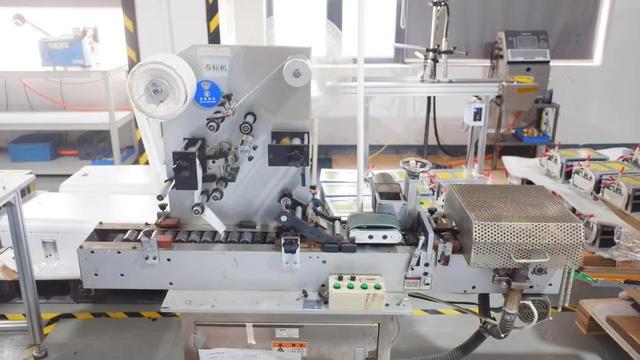
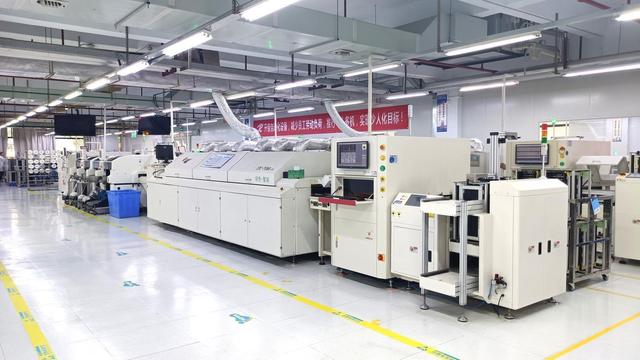
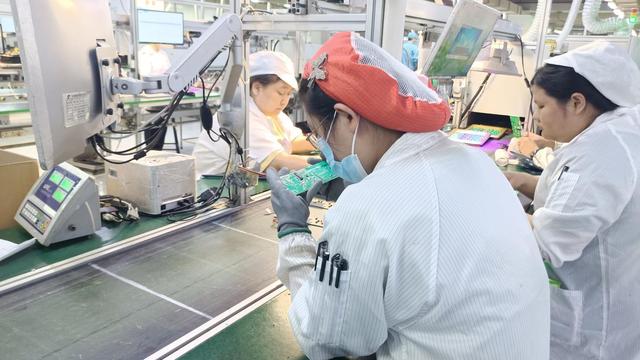
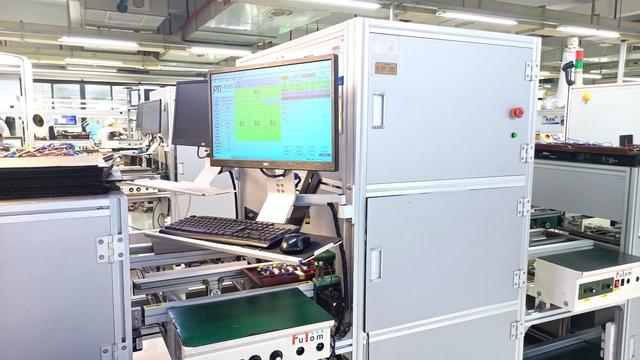
With a manufacturing facility covering over 20,000 square meters and a workforce of more than 280 employees, Symbion Energy provides advanced energy storage solutions to customers worldwide. The company's product portfolio includes industrial battery energy storage systems, containerized BESS solutions, commercial energy storage systems, renewable energy storage systems, and intelligent energy management systems.
Symbion Energy offers comprehensive OEM and ODM services for global partners. This includes:
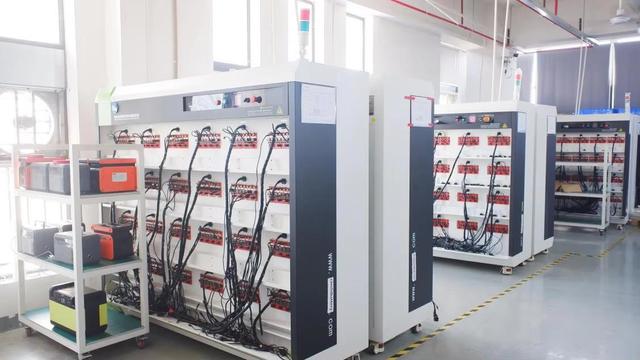
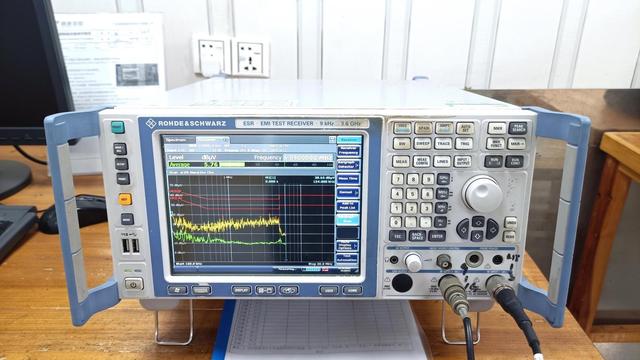
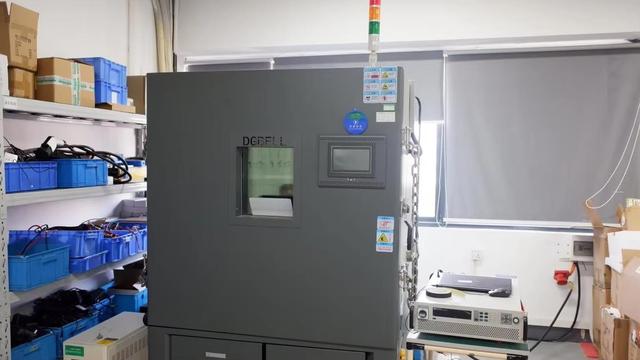
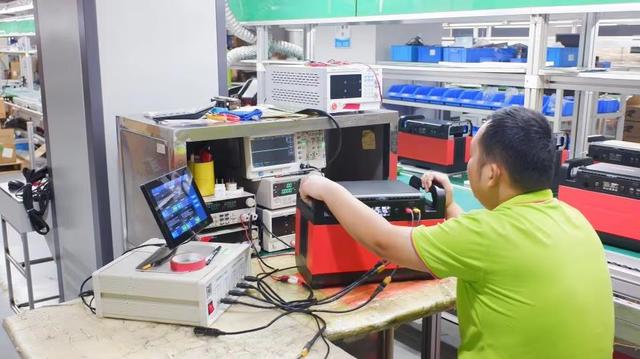
When sourcing solar solutions, global enterprises prioritize Safety Certifications (UL9540A, CE, UN38.3) and Cycle Life. Our LiFePO4 systems are tested for over 6,000 cycles, ensuring a 10-15 year operational lifespan with minimal degradation.
The future of storage lies in the "intelligence" of the system. Our Energy Management Systems (EMS) utilize AI to predict solar yield based on weather patterns and adjust discharge cycles to maximize profit from arbitrage.
We are seeing a massive shift from air cooling to liquid cooling. Liquid cooling maintains cell temperature variance within 3°C, which significantly reduces the risk of thermal runaway and extends battery life by 20%.
 Symbion Energy