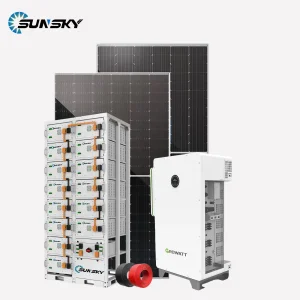
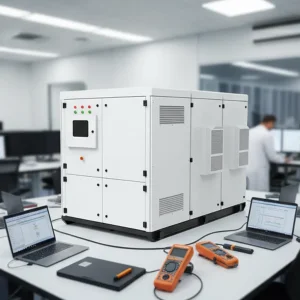
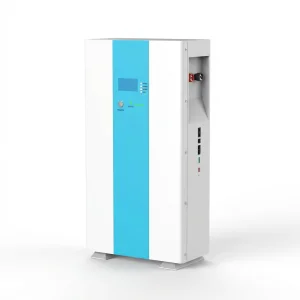
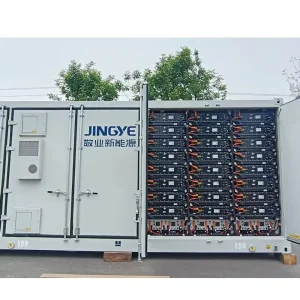
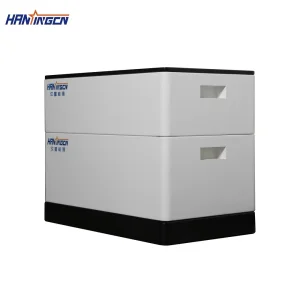
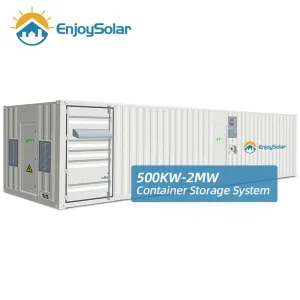
Hangzhou Symbion Energy Co., Ltd. stands as a vanguard in the global renewable energy landscape. As a professional manufacturer specializing in Battery Energy Storage Systems (BESS), microgrid solutions, and smart energy management technologies, we cater to the most demanding commercial, industrial, and utility-scale applications. Established in 2014 and strategically located in Hangzhou, Zhejiang Province—China's tech hub—Symbion Energy is dedicated to bridging the gap between volatile renewable generation and stable power consumption.
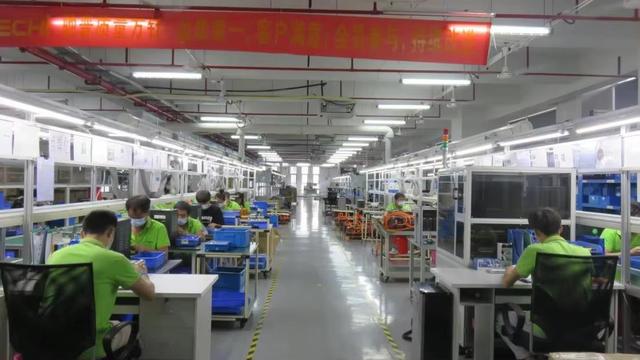
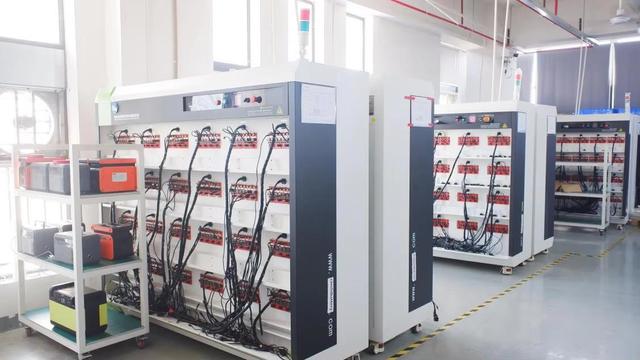
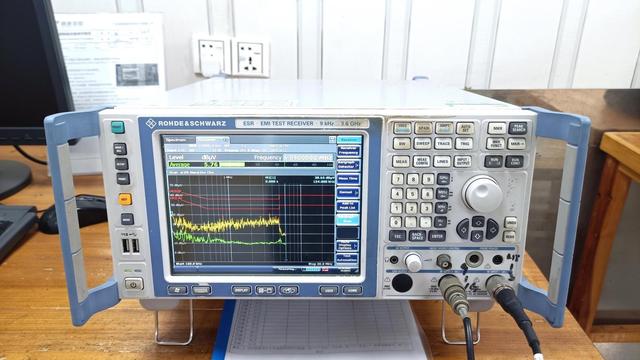
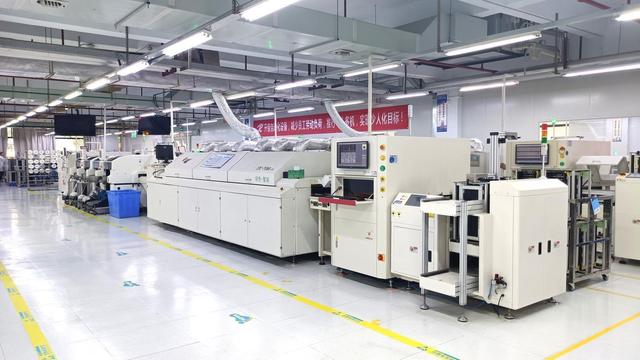
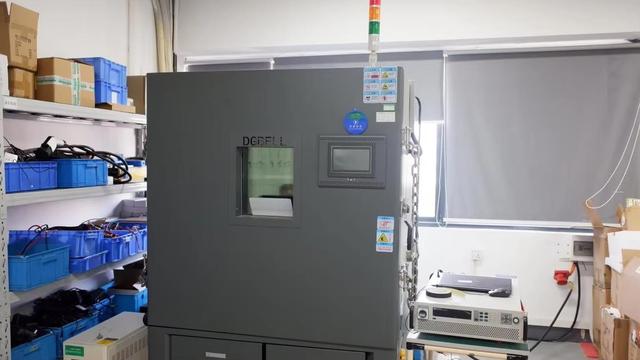
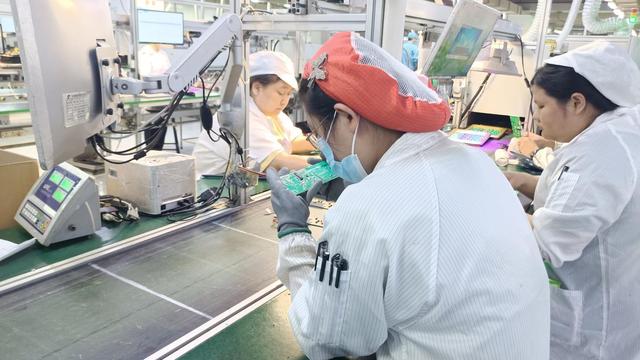
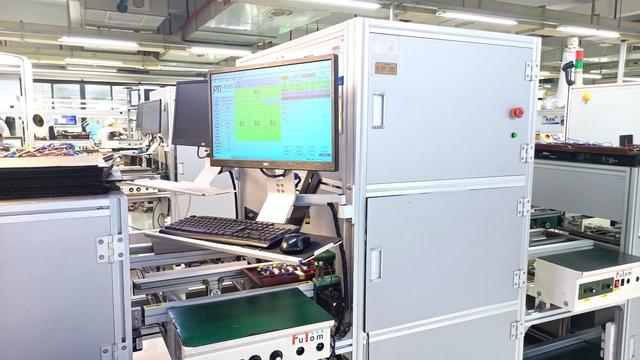
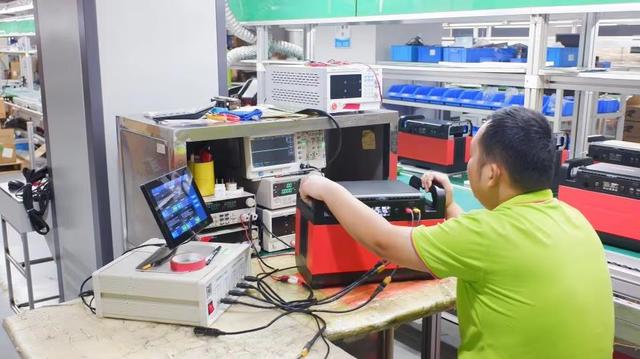
Our infrastructure includes modern production lines, battery integration workshops, and comprehensive testing laboratories designed to meet rigorous international standards (IEC, UL, CE). Our product portfolio is extensive, covering industrial BESS, containerized solutions, renewable integration platforms, and intelligent energy management systems (EMS). We empower global partners through robust OEM and ODM services, offering project-specific software integration and enclosure designs.
China controls over 70% of the global lithium-ion battery supply chain. By sourcing from a specialized China factory like Symbion Energy, you gain direct access to the latest LiFePO4 cell technologies, thermal management components, and high-efficiency hybrid inverters at wholesale price points.
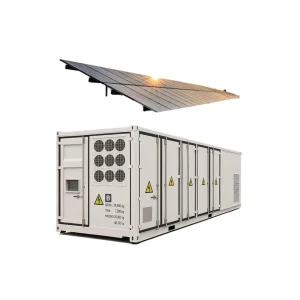
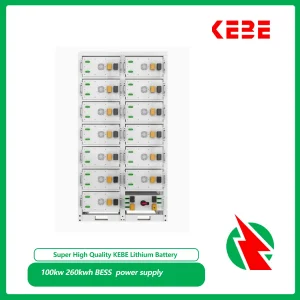
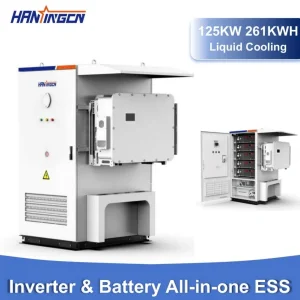
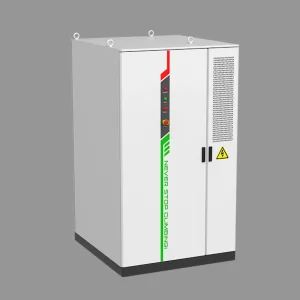
Our engineering teams can pivot from design to prototype in weeks rather than months. Whether it's a liquid-cooled 241kwh C&I cabinet or a multi-megawatt containerized system, our China-based manufacturing agility ensures your project stays ahead of the curve.
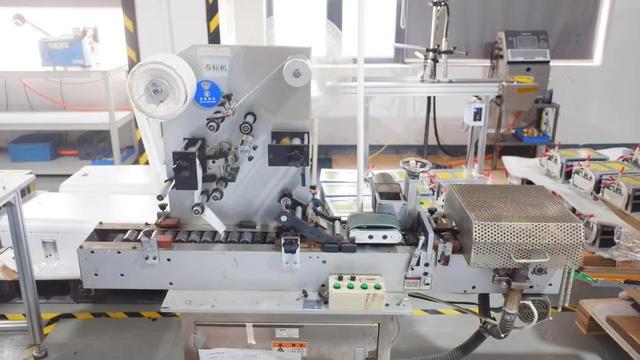
Large-scale production doesn't just lower costs; it standardizes quality. Our automated battery assembly and strict quality control protocols ensure that every module delivered meets the safety requirements for critical infrastructure.
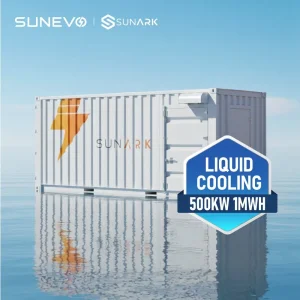
Traditional air cooling is giving way to Liquid Cooling Energy Storage Systems (ESS). Liquid cooling provides superior thermal uniformity, extending battery life by 20% and increasing energy density by up to 30%. This is critical for high-cycle C&I applications like Peak Shaving.
Modern hybrid solutions are no longer just "dumb" batteries. Integrating AI-driven Energy Management Systems allows for predictive load shifting, real-time market price response, and automated grid frequency regulation, turning an expense into a revenue-generating asset.
Moving from low-voltage (48V) to high-voltage (DC 1000V/1500V) strings reduces conversion losses and cabling costs. This trend is dominant in utility-scale projects where efficiency gains directly impact the Levelized Cost of Storage (LCOS).
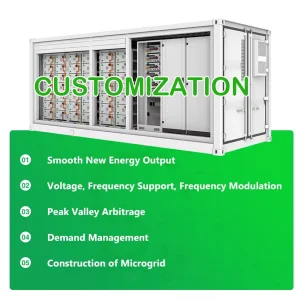
Industrial parks use our systems to charge during off-peak hours (low electricity rates) and discharge during peak demand. This significantly reduces demand charges and stabilizes the local grid.
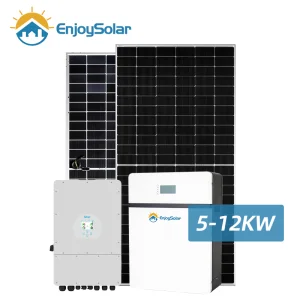
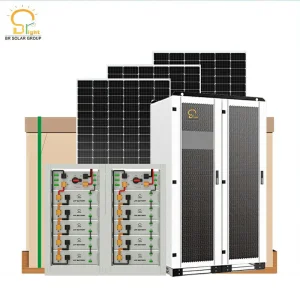
Combining solar PV, wind, and BESS creates a self-sufficient energy ecosystem. Our hybrid solutions provide seamless transition between grid-tied and off-grid modes, ensuring 24/7 power for remote mining or tourism sites.
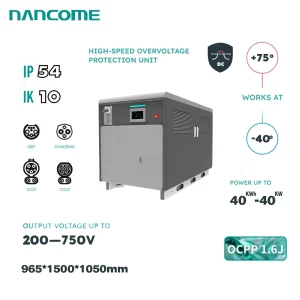
As EV adoption surges, the grid often cannot handle the surge in demand from fast chargers. Our buffer batteries (BESS for EV charging) alleviate grid stress and enable fast charging even in areas with limited power capacity.
Utility-scale 40FT container systems provide milli-second response times to frequency fluctuations, a service highly valued by grid operators for maintaining stability in renewable-heavy grids.
When sourcing Hybrid Power Solutions from a China factory, global enterprises must evaluate more than just price. The Information Gain in professional procurement lies in understanding technical interoperability and long-term support.
 Symbion Energy