Indonesia, the world’s largest archipelagic nation, is at a critical juncture in its energy evolution. With the Just Energy Transition Partnership (JETP) and the nation's commitment to achieving Net Zero by 2060, the integration of renewable energy—specifically wind and solar—has become a paramount industrial priority. However, the inherent intermittency of wind power in regions like South Sulawesi and East Nusa Tenggara necessitates a robust Wind Energy Storage System (WESS) framework.
As a leading exporter to the Indonesia market, we recognize that the challenge is not just energy generation, but grid stability. Indonesia's geography demands decentralized microgrid solutions that can withstand high humidity and volcanic dust, while providing seamless 24/7 power to remote mines and industrial hubs in Sumatra and Kalimantan.
Renewable Target by 2025
Islands Needing Microgrids
Wind Potential in IDN
Next-Gen Storage Tech
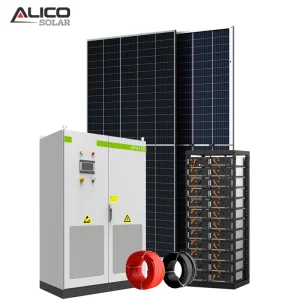
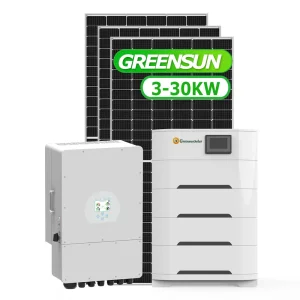
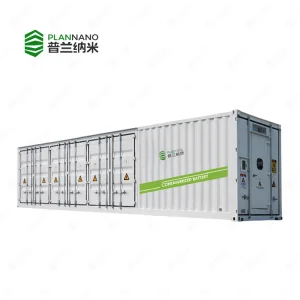
In Indonesia, Commercial & Industrial (C&I) sectors are the biggest beneficiaries of Wind Energy Storage. Manufacturing plants in West Java use our systems for Peak Shaving, reducing reliance on the PLN grid during expensive peak hours. Our 1MW to 5MW containerized BESS solutions provide a buffer that allows wind turbines to deliver consistent voltage, protecting sensitive industrial machinery.
Globally, the shift is toward solid-state and high-density LFP batteries. In the Indonesia market, we emphasize localization and compliance. Our products meet both international IEC standards and local SNI requirements, ensuring that every export is optimized for the tropical climate, featuring IP65-rated enclosures and advanced thermal management systems.
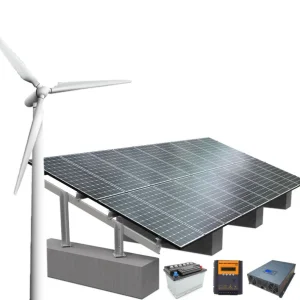
For the remote tourism sectors in Bali and Lombok, our Solar-Wind Hybrid Storage systems are the gold standard. By combining wind kinetic energy with solar PV and lithium storage, we ensure that energy production occurs around the clock, drastically reducing the Levelized Cost of Energy (LCOE) compared to diesel generators.
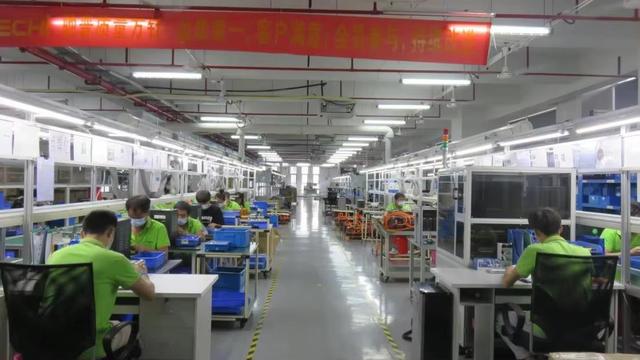
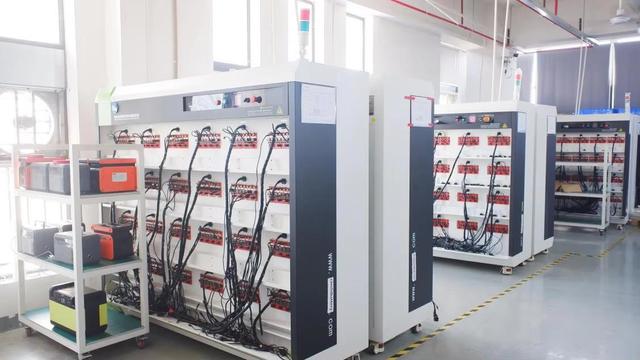
Hangzhou Symbion Energy Co., Ltd. is a professional manufacturer specializing in Battery Energy Storage Systems (BESS), microgrid solutions, and smart energy management technologies. Established in 2014, the company is dedicated to supporting the global transition toward cleaner, more reliable energy infrastructure.
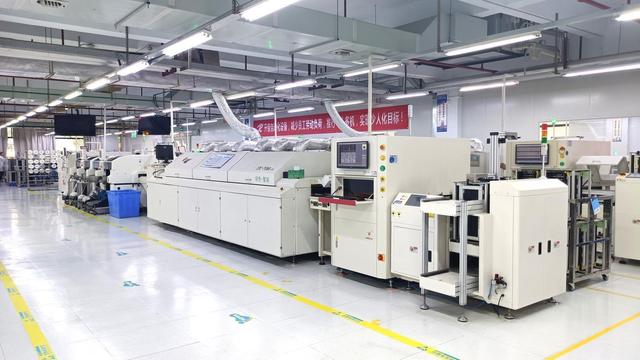
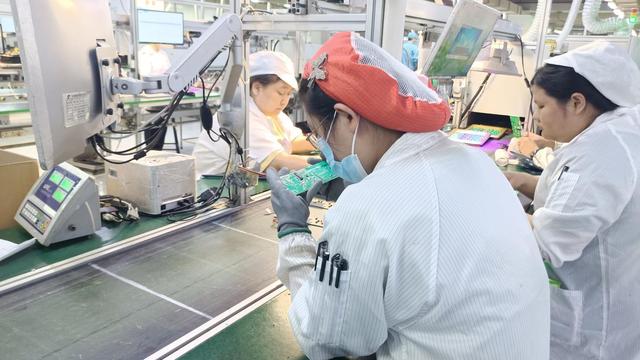
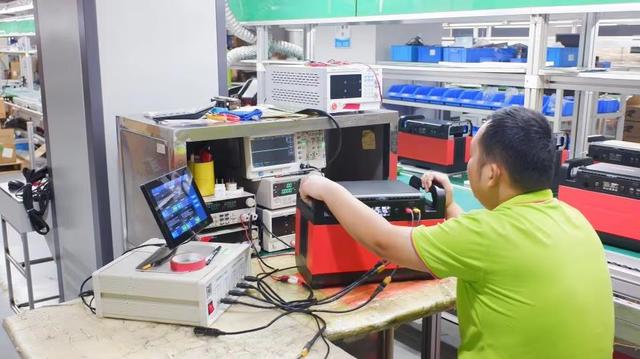
With a manufacturing facility covering over 20,000 square meters and a workforce of more than 280 employees, Symbion Energy provides advanced energy storage solutions tailored for the Indonesian industrial landscape. Our portfolio includes containerized BESS, distributed energy storage, and intelligent energy management systems (EMS).
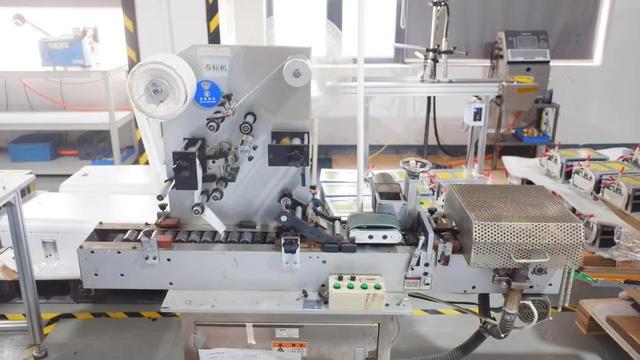
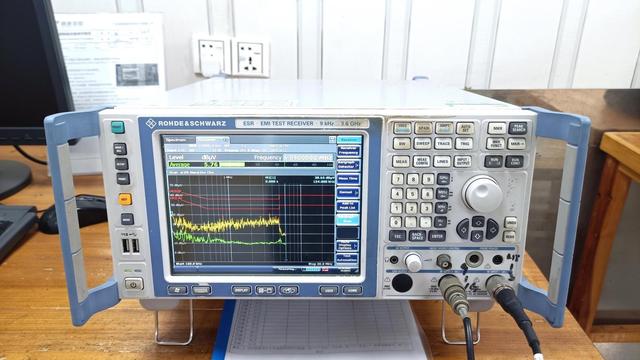
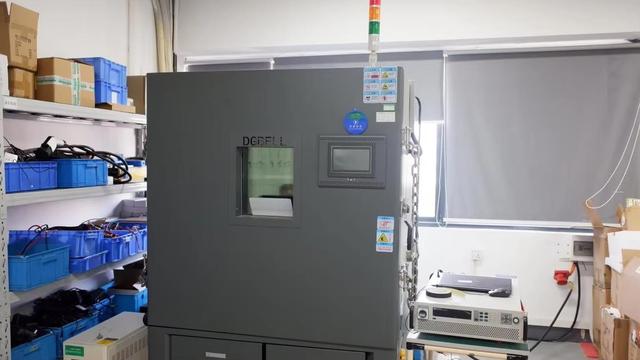
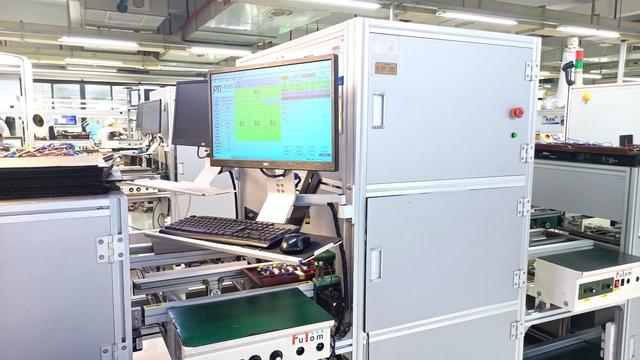
We provide comprehensive OEM and ODM services for Indonesian partners, including customized battery storage systems, software integration, and branding. Our engineering team ensures high standards of safety, reliability, and performance through rigorous testing and innovative design.
The roadmap for Wind Energy Storage in Indonesia focuses on three pillars: Intelligence, Integration, and Durability.
As the Indonesian government pushes for higher TKDN (Local Content Requirement) levels, Symbion Energy is committed to deepening local partnerships for technical support and maintenance, ensuring that our Indonesian clients receive immediate assistance.
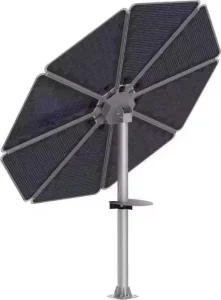
Our recent deployment in a Kalimantan mining site combined a 2.65kw Wind Flower system with a 1MW utility-scale BESS. This hybrid system reduced diesel consumption by 45%, showcasing the "Information Gain" of combining diverse energy sources with smart storage.
A: Indonesia's high humidity and salt spray (in coastal areas) can accelerate corrosion. Our systems exported to Indonesia use C5-rated anti-corrosion coatings and internal climate control (HVAC) to maintain optimal operating temperatures for the lithium cells.
A: Yes. Our hybrid controllers are designed to manage multiple inputs including Wind, Solar, Diesel, and the Grid, ensuring seamless transition and "fuel-saving" priority modes.
A: Depending on the local PLN tariff and the replacement of diesel, most Indonesian industrial clients see an ROI within 4 to 6 years, with a system lifespan of 15-20 years.
A: We offer remote monitoring 24/7 and have a network of EPC partners across Jakarta, Surabaya, and Medan to provide on-site installation and maintenance support.
 Symbion Energy