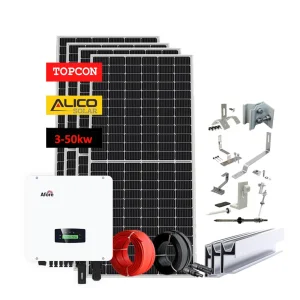
Engineered for immediate grid compatibility, high ambient temperature resilience, and local Mexican utility regulations.
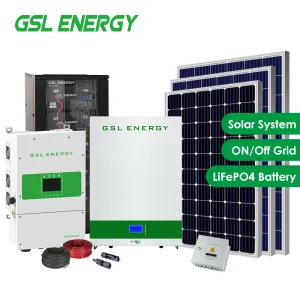
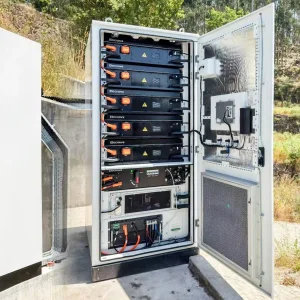
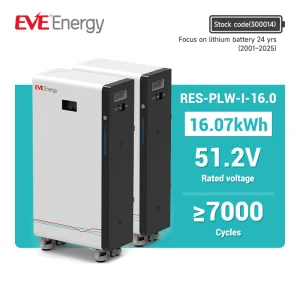
An In-Depth Macro Analysis of Grid Pressures, Nearshoring, and BESS Integration in Nuevo León
Monterrey, Nuevo León, stands as the crown jewel of Latin American industrial power, driving more than 10% of Mexico's GDP and acting as the primary hub for the historic North American nearshoring boom. With the massive influx of multinational automotive, electronics, and heavy manufacturing giants establishing state-of-the-art facilities in parks across Apodaca, Santa Catarina, Guadalupe, and Pesquería, the demand for electrical power has grown exponentially. However, this industrial renaissance is facing a critical bottleneck: the capacity and reliability of the local electric grid.
The combination of grid saturation, volatile hourly electricity rates (particularly under CFE's GDMTH tariff structure), and strict corporate ESG decarbonization mandates has made local, behind-the-meter Battery Energy Storage Systems (BESS) an economic necessity rather than a green luxury.
Under the Comisión Federal de Electricidad (CFE) GDMTH tariff system, Monterrey factories face extremely high capacity charges and peak-period energy costs. Industrial users are penalized heavily for their peak demand, especially during the sweltering summer months when regional air conditioning requirements push the National Integrated Grid (SEN) to its limits. By deploying advanced LiFePO4 battery energy storage, Monterrey-based manufacturers can perform peak shaving and load shifting—storing cheap grid electricity during off-peak night hours or generating it from solar PV systems during the morning, and discharging it when CFE rates skyrocket. This strategy yields immediate, measurable operational savings and shields delicate industrial equipment from the grid's frequent voltage drops and brief power outages.
High-Precision Production, Professional OEM/ODM Capabilities, and Certified Systems
Hangzhou Symbion Energy Co., Ltd. is a leading professional manufacturer specializing in Battery Energy Storage Systems (BESS), microgrid solutions, and smart energy management technologies for commercial, industrial, and utility-scale applications. Established in 2014 and situated in Hangzhou, Zhejiang Province, China, Symbion Energy has committed its engineering might to supporting the global transition toward cleaner, more resilient, and highly efficient energy infrastructures. With a manufacturing facility covering over 20,000 square meters and a workforce of more than 280 dedicated professionals, we design, integrate, and ship advanced power solutions worldwide.
Our product portfolio ranges from compact residential battery walls to utility-scale 20FT containerized liquid-cooling storage platforms. By implementing stringent quality control protocols at every step—from raw material LFP chemistry sourcing and pack testing to final product assembly and power electronics testing—we guarantee maximum safety, long cycles, and thermal stability in extreme industrial climates like Monterrey's.
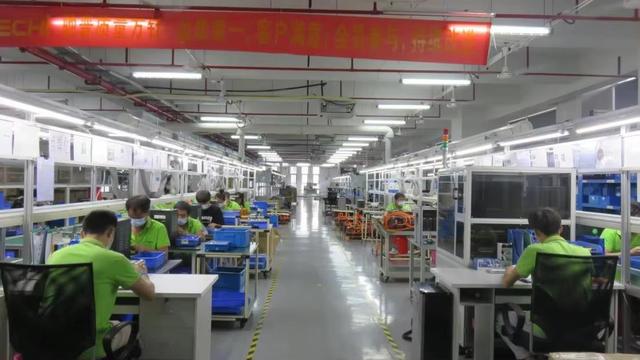
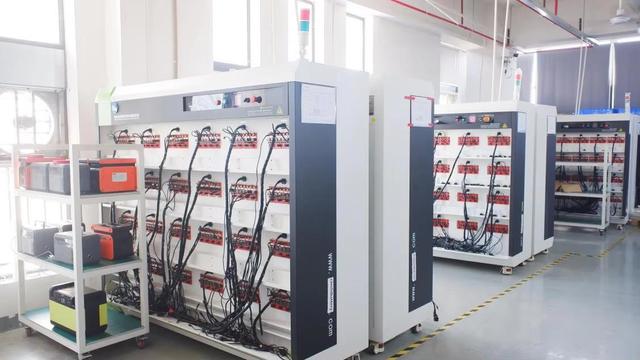
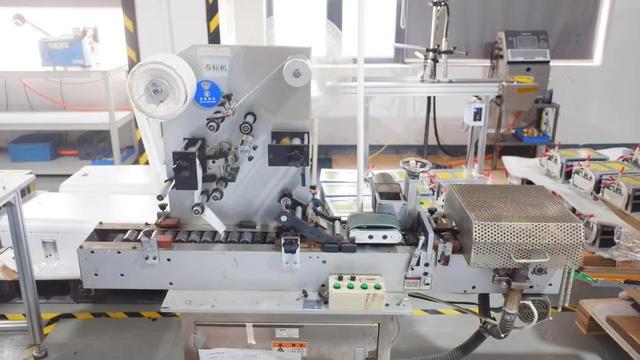
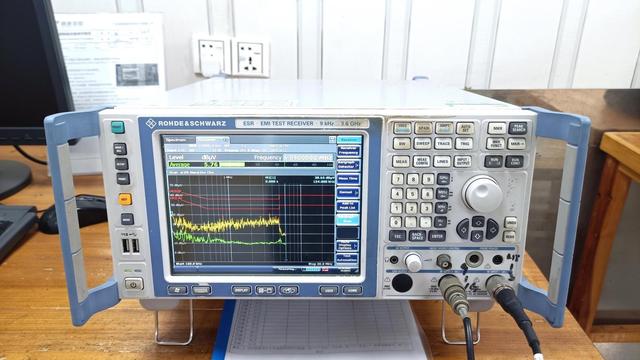
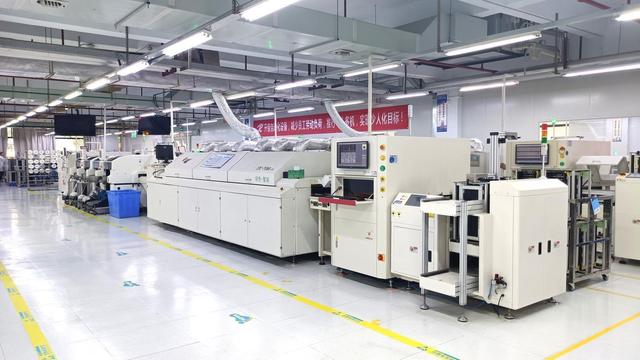
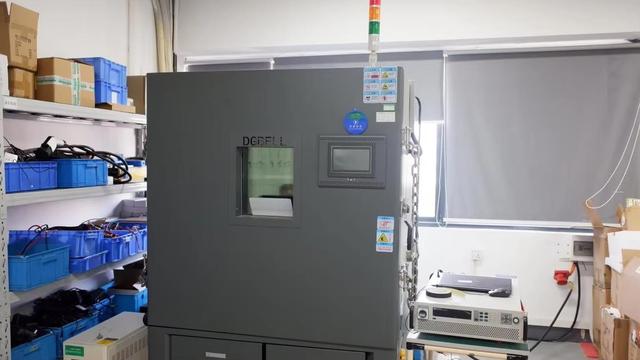
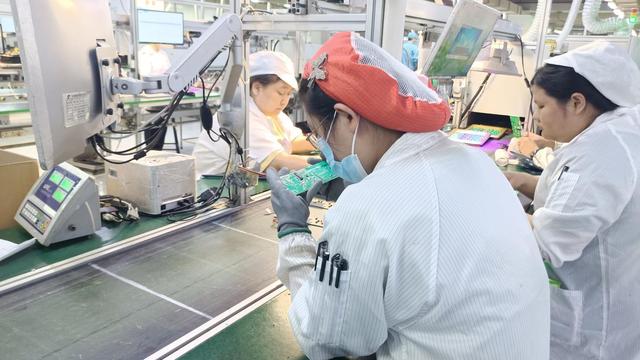
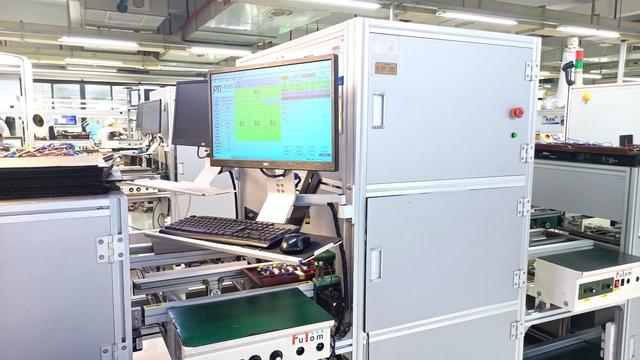
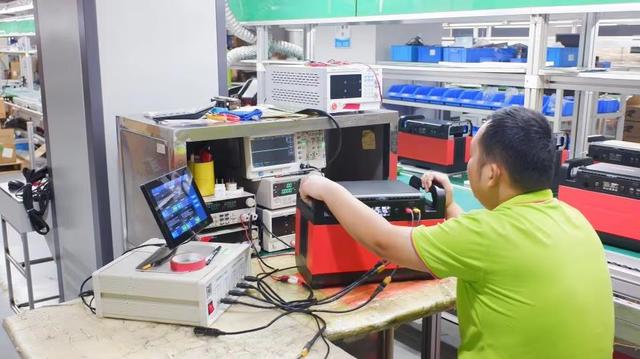
Symbion Energy also supports global developers and EPC contractors through extensive OEM/ODM customization services. We tailor enclosure layouts, liquid cooling routing, inverter protocols, and energy management system (EMS) algorithms to fit regional codes, including Mexico's specific electric parameters and utility interconnection regulations.
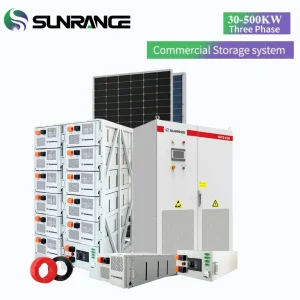
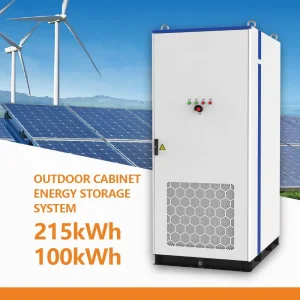
Engineered to support mid-size industrial parks, agricultural cold chain storage, and high-demand commercial retail operations.
Understanding the Mechanics of Peak-Shaving, Microgrids, and Thermal Control in Extreme Environments
In highly industrialized areas such as Nuevo León, even a minor micro-voltage sag lasting just a few milliseconds can disrupt robotic production lines, scrap sensitive plastic extrusion processes, or cause massive downtime in automotive assembly. Standard uninterruptible power supply (UPS) systems are costly to run and lack the storage capacity to sustain production during prolonged grid dropouts. Symbion Energy's integrated BESS steps in as a hybrid asset—providing high-capacity backup power while concurrently optimizing daily energy costs.
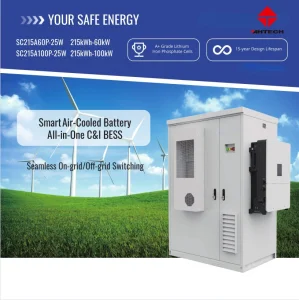
Monterrey is notorious for its severe weather shifts, where summer temperatures regularly cross 40°C. In such extreme climates, standard air-cooled battery systems are prone to thermal runaway, accelerated cell degradation, and reduced round-trip efficiency (RTE). Symbion Energy mitigates these risks by incorporating advanced liquid-cooling systems into our heavy-duty BESS models. Our closed-loop liquid-cooling design regulates cell temperatures with a variations margin of less than 3°C, extending the service life of our premium 314Ah LiFePO4 cells to over 6,000 cycles at 80% Depth of Discharge (DOD).
Utilizing high-density, A-grade LiFePO4 cells from leading global fabricators, ensuring outstanding electrochemical safety and thermal endurance.
Seamlessly integrates with on-site solar systems and the CFE grid to shift loads off-peak, helping you secure significant savings on your utility bills.
Multiple layers of protection: over-voltage, under-voltage, over-temperature, and short-circuit monitoring at the individual cell level.
Navigating the CRE, CENACE, and CFE Regulatory Pathway for Behind-the-Meter Energy Storage
Installing high-capacity energy storage systems in Mexico requires strict adherence to complex national safety standards and electrical interconnection codes. Symbion Energy ensures its hardware and systems are fully optimized for local certification requirements.
Our solutions conform to the Código de Red (Grid Code) 2.0, ensuring voltage support, frequency control, and power quality requirements. Our complete systems undergo rigorous international validation matching NOM compliance pathways for industrial installations.
Our engineering team works closely with local Mexican EPCs, offering full system diagnostics, electrical single-line designs, and parameterization configurations. From short-circuit analyses to protection coordination reports, we supply all necessary documentation to facilitate smooth interconnection approvals with the Comisión Reguladora de Energía (CRE) and CENACE. In addition, our standard systems feature internationally recognized certifications (including UL 9540A, IEC 62619, and IEEE 1547), simplifying safety validations conducted by local civil protection agencies (Protección Civil).
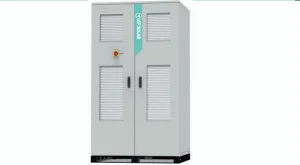
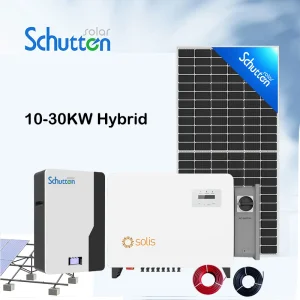
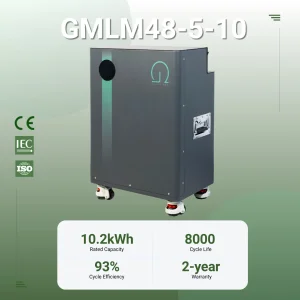
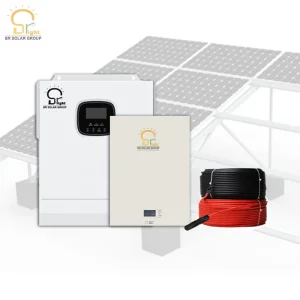
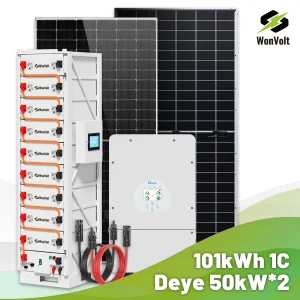
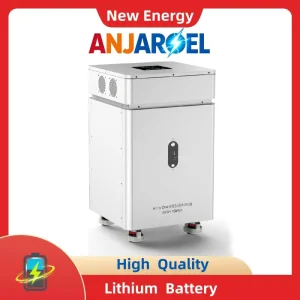
From modular, rack-mounted home backup systems to industrial, multi-megawatt containerized platforms.
Continuous Innovation in High-Capacity LFP Cells, Liquid Cooling Systems, and AI-Driven Energy Orchestration
The energy storage industry is moving rapidly toward higher cell capacities, longer lifespans, and advanced intelligence. Symbion Energy is at the forefront of this evolution, continuously optimizing our product lines to lower the Levelized Cost of Storage (LCOS) for our global and regional partners.
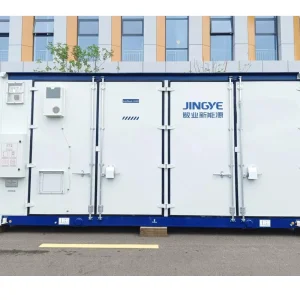
Traditional industrial storage systems have relied on 280Ah cell capacities. Symbion Energy is currently shifting its heavy-duty portfolio toward high-density 314Ah LFP chemistry. The 314Ah cells increase volumetric energy density by over 12%, allowing us to fit a standard 5MWh+ capacity into a compact 20-foot container. This development simplifies transportation, reduces site footprints, and lowers overall balance-of-system (BOS) costs by up to 10%.
As part of our commitment to forward-looking technologies, Symbion Energy's research laboratories are actively exploring semi-solid-state chemistry configurations. These developments aim to provide double the thermal operating window and eliminate risks related to internal dendritic short-circuits. These systems will be ideal for highly sensitive operations in ultra-hot desert zones like northern Mexico.
Hardware is only half the solution; intelligent orchestration is key. Our next-generation Energy Management Systems (EMS) integrate machine learning modules that analyze real-time grid frequencies, weather forecasts, and historical facility load profiles. By forecasting energy demands, our EMS optimizes charge/discharge patterns, preventing peak charges and maximizing savings under dynamic tariff systems like CFE's GDMTH.
Expert technical answers to key questions about deploying Battery Energy Storage Systems in the Monterrey Market.
 Symbion Energy