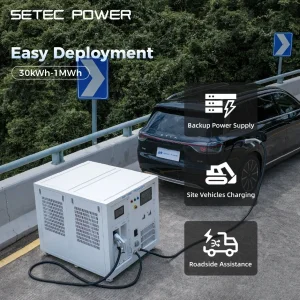
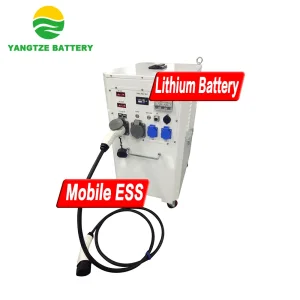
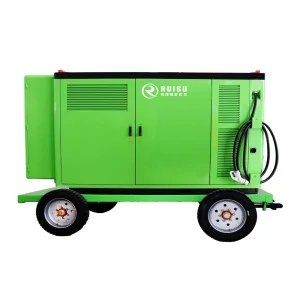
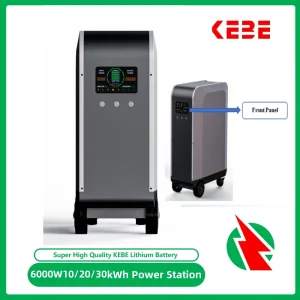
Engineered specifically for the high ambient temperatures, salty air, and critical grid infrastructure demands across the islands of Fiji.
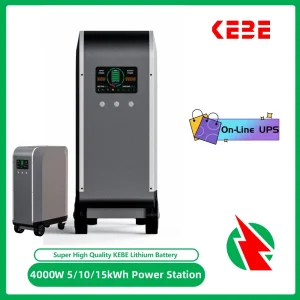
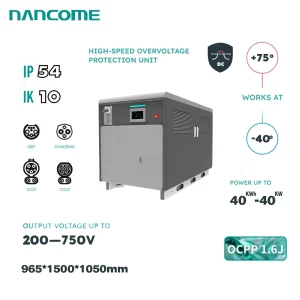
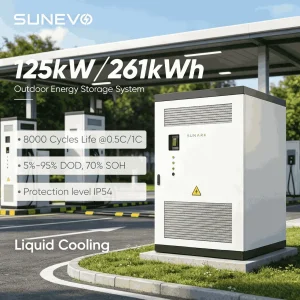
Fiji is aggressively pursuing a sustainable future under its National Energy Policy (NEP), which outlines a target of 100% renewable power generation by 2030 and net-zero carbon emissions by 2050. The transition away from diesel-powered generators requires intelligent infrastructure. This is particularly challenging for Fiji's world-renowned eco-resorts, isolated agricultural operations, and busy municipal ports in Suva and Lautoka.
Deploying EV Charging integrated with Battery Energy Storage Systems (BESS) provides a dual benefit:
We supply BESS configurations optimized for tropical maritime zones, incorporating C5-M high anti-corrosion coating and HVAC systems.
Standard battery packs suffer from rapid capacity degradation when exposed to Fiji's persistent thermal conditions. Symbion Energy integrates premium Lithium Iron Phosphate (LFP) cells, renowned for their safety profile, high thermal tolerance, and long cycle lives.
Maintains critical cell temperature variance under ±2°C. Prevents localized thermal runaway and hot spots common in traditional air-cooled tropical installations.
Equipped with predictive algorithms to forecast solar generation and dynamic EV charging loads, optimizing utility tariffs and preventing grid-demand penalties.
Enables smooth recovery after storm-related outages without relying on utility grid excitation, restoring localized charging power instantly.
Hangzhou Symbion Energy Co., Ltd. is a professional manufacturer specializing in Battery Energy Storage Systems (BESS), microgrid solutions, and smart energy management technologies for commercial, industrial, and utility-scale applications. Established in 2014 and located in Hangzhou, Zhejiang Province, China, the company is dedicated to supporting the global transition toward cleaner, more reliable, and more efficient energy infrastructure.
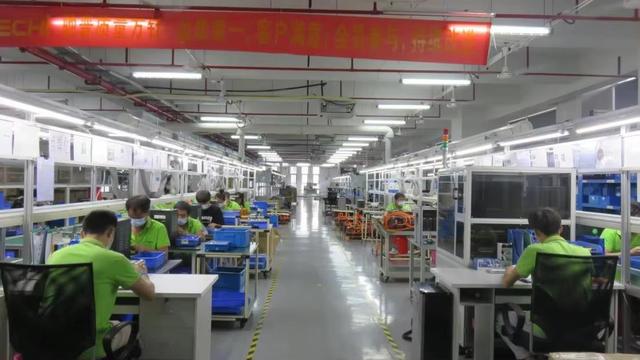
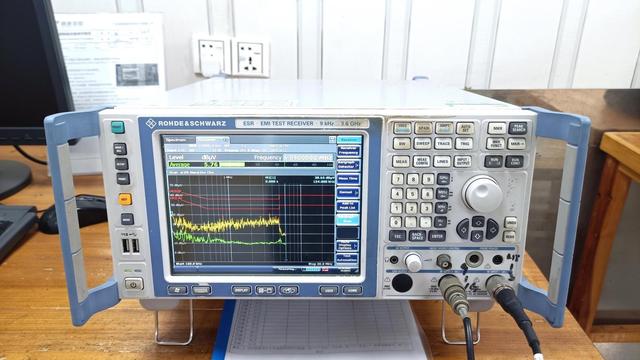
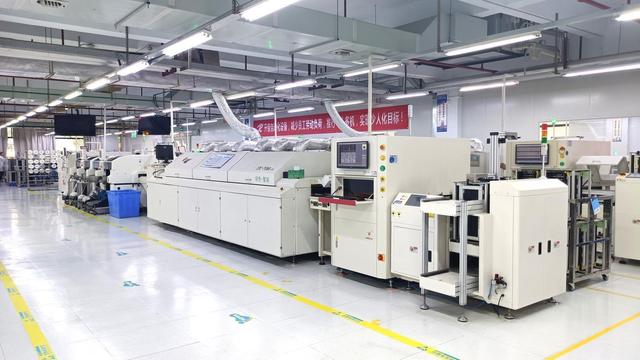
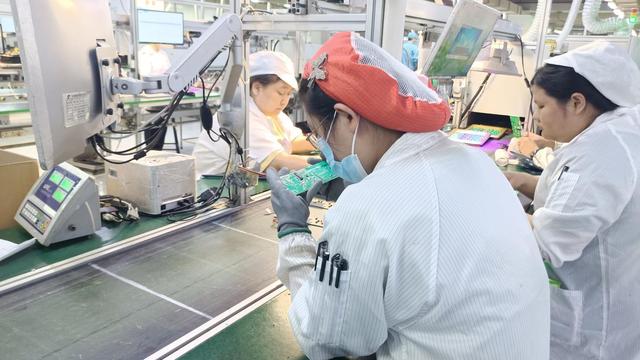
With a manufacturing facility covering over 20,000 square meters and a workforce of more than 280 employees, Symbion Energy provides advanced energy storage solutions to customers worldwide. The company follows strict quality control procedures throughout design, manufacturing, system integration, and final testing. Its engineering team continuously develops innovative solutions that help customers improve energy efficiency, reduce operational costs, and enhance power resilience.
In addition to standard products, Symbion Energy offers comprehensive **OEM and ODM services** for global partners, including customized battery storage systems, robust enclosure design, customized software integration, localized branding, and project-specific energy solutions.
The company's product portfolio includes industrial battery energy storage systems, containerized BESS solutions, commercial energy storage systems, renewable energy storage systems, microgrid energy storage platforms, backup power systems, distributed energy storage solutions, and intelligent energy management systems. These products are widely used in renewable energy integration, peak shaving, load shifting, grid support, emergency backup power, electric vehicle charging infrastructure, and industrial energy optimization projects.
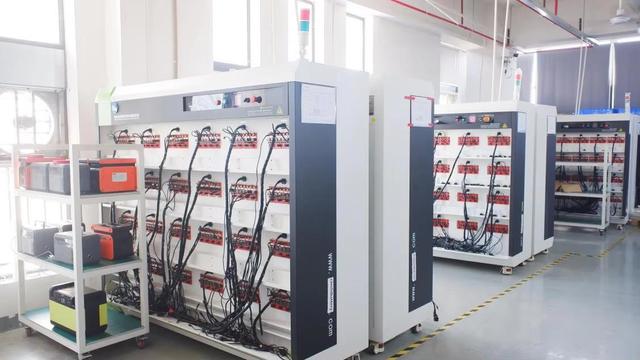
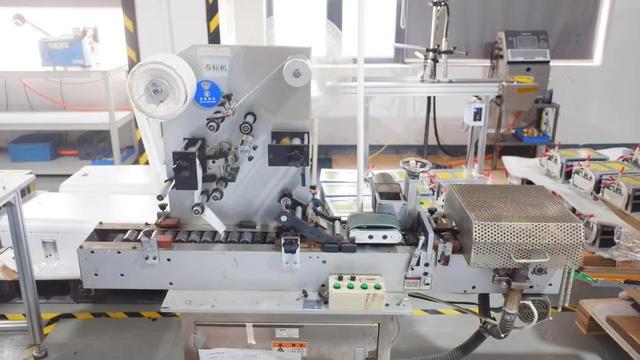
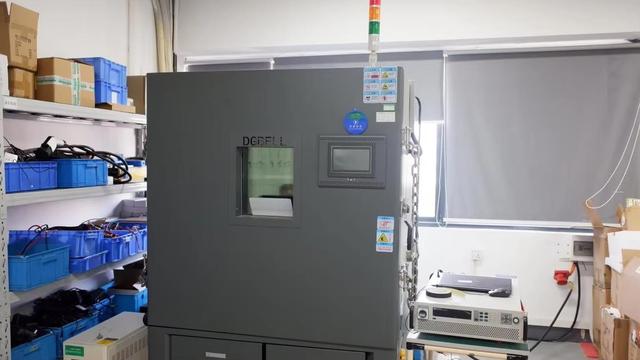
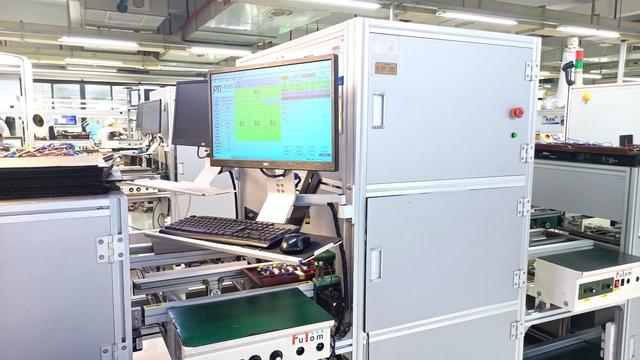
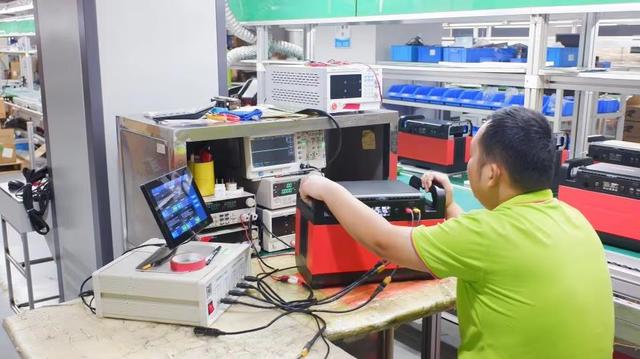
Symbion Energy operates modern production lines, battery integration workshops, and comprehensive testing laboratories to ensure high standards of safety, reliability, and performance. Through ongoing investment in technology, innovation, and customer support, Hangzhou Symbion Energy Co., Ltd. has become a trusted partner for energy developers, utilities, EPC contractors, and industrial customers seeking dependable battery energy storage and smart energy management solutions.
Select from our comprehensive list of specialized energy storage solutions, built to power commercial EV chargers and off-grid facilities in Fiji.
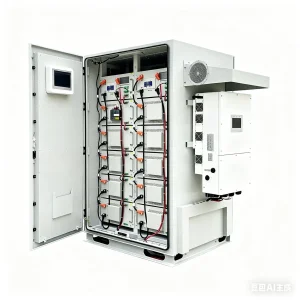
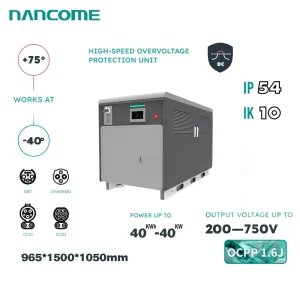
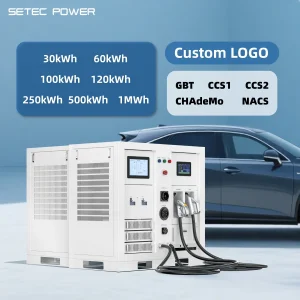
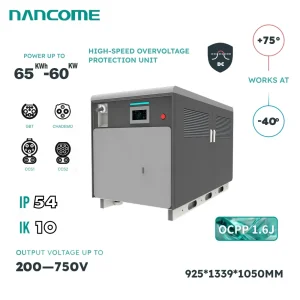
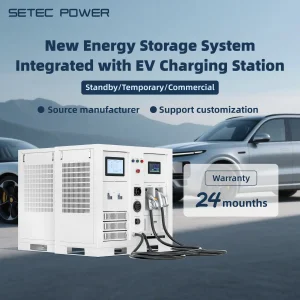
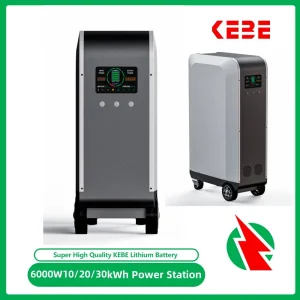
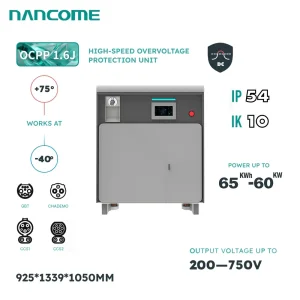
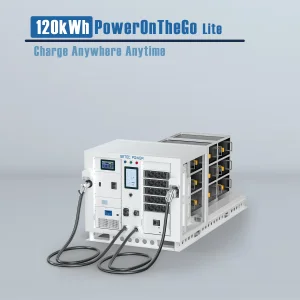
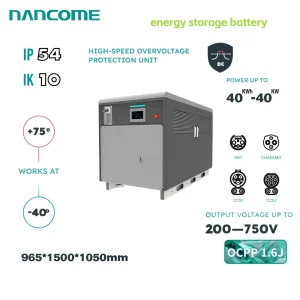
Over 20,000 square meters of specialized production and assembly lines for international markets, audited to international safety and capacity performance benchmarks.
Key considerations regarding shipping, installation standards, temperature management, and grid approval for our commercial Fiji client base.
Ready to deploy high-efficiency battery storage solutions optimized for Fiji’s challenging environmental conditions? Our commercial advisors are prepared to assist you with system sizing, compliance documentation, and price quotes.
Send Inquiry Now Symbion Energy