The global energy landscape is undergoing a seismic shift. As nations race toward Net Zero, the integration of intermittent renewable energy sources—primarily solar and wind—has transformed from a luxury to a systemic necessity. Power Storage Solutions have emerged as the linchpin of this transition, bridging the gap between volatile generation and rigid demand profiles.
Modern BESS provides primary and secondary frequency response, voltage support, and black-start capabilities to aging power grids worldwide.
Commercial and Industrial sectors utilize peak shaving and load shifting to reduce demand charges and ensure uninterrupted operations.
Companies are leveraging modular storage to meet strict environmental, social, and governance (ESG) targets by maximizing onsite solar consumption.
China stands at the epicenter of the battery revolution, not just through raw volume, but through advanced manufacturing integration. Factories in Hangzhou and across the Zhejiang province have evolved into "Industry 4.0" hubs, where AI-driven quality control and automated assembly lines ensure unprecedented reliability.
The Supply Chain Resilience found in China-based manufacturing is unparalleled. From the refining of lithium-iron-phosphate (LiFePO4) precursor materials to the final integration of Smart Battery Management Systems (BMS), the vertical integration minimizes lead times and maximizes cost-efficiency for global EPC contractors and utilities.
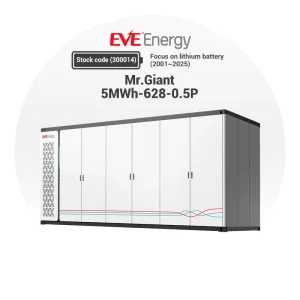
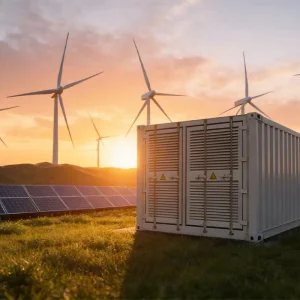
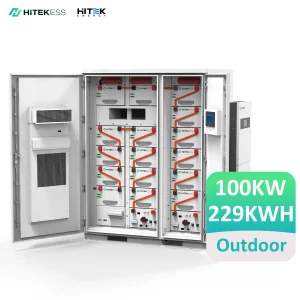
The current frontier in Power Storage Solutions is the shift toward Liquid Cooling Systems. Traditional air cooling often fails in extreme climates or during high-C-rate discharge cycles. Our liquid-cooled BESS containers maintain an internal temperature variance of <3°C, extending the battery lifespan by up to 20%.
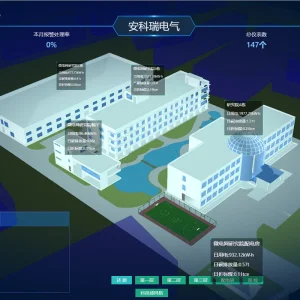
Integration with IoT-based energy monitoring allows for predictive maintenance. In "Smart City" applications, energy storage becomes a dynamic node in a decentralized network, responding in real-time to traffic signals, EV charging demand, and residential peak loads.
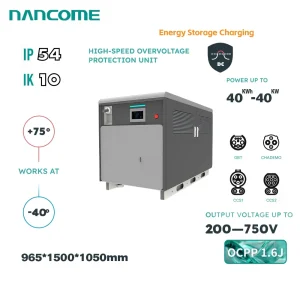
As EV adoption surges, the grid often cannot handle the 350kW+ instantaneous loads of fast chargers. Industrial storage acts as a buffer, storing energy during low-demand periods and discharging it rapidly to support high-speed EV charging infrastructure without grid upgrades.
Hangzhou Symbion Energy Co., Ltd. is a professional manufacturer specializing in Battery Energy Storage Systems (BESS), microgrid solutions, and smart energy management technologies for commercial, industrial, and utility-scale applications. Established in 2014 and located in Hangzhou, Zhejiang Province, China, the company is dedicated to supporting the global transition toward cleaner, more reliable, and more efficient energy infrastructure. With a manufacturing facility covering over 20,000 square meters and a workforce of more than 280 employees, Symbion Energy provides advanced energy storage solutions to customers worldwide.
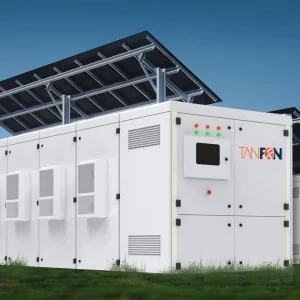
The company's product portfolio includes industrial battery energy storage systems, containerized BESS solutions, commercial energy storage systems, renewable energy storage systems, microgrid energy storage platforms, backup power systems, distributed energy storage solutions, and intelligent energy management systems. These products are widely used in renewable energy integration, peak shaving, load shifting, grid support, emergency backup power, electric vehicle charging infrastructure, and industrial energy optimization projects.
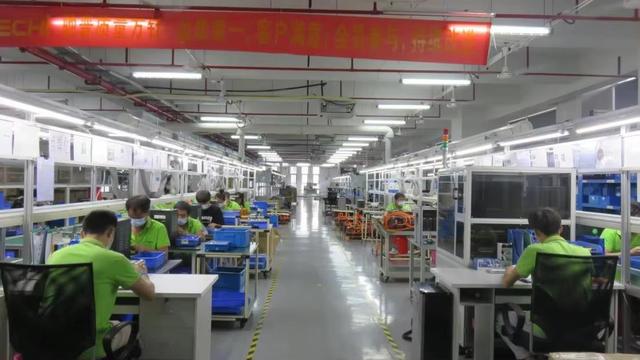
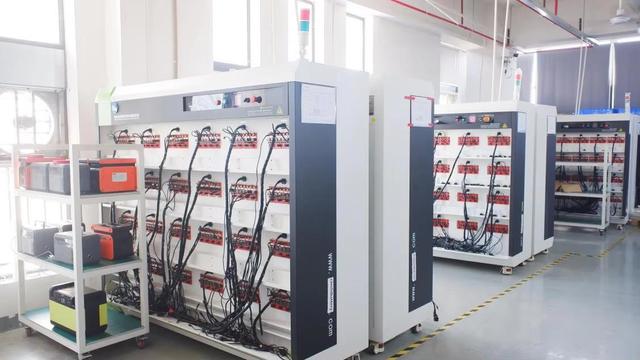
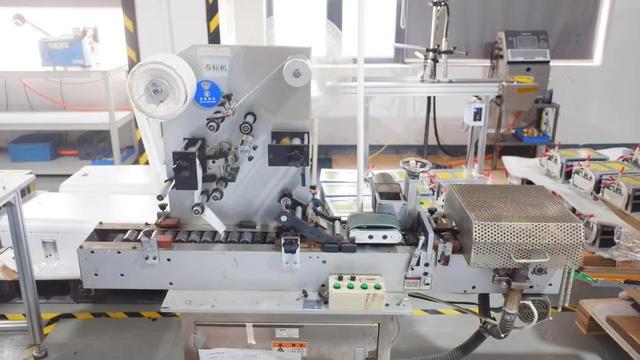
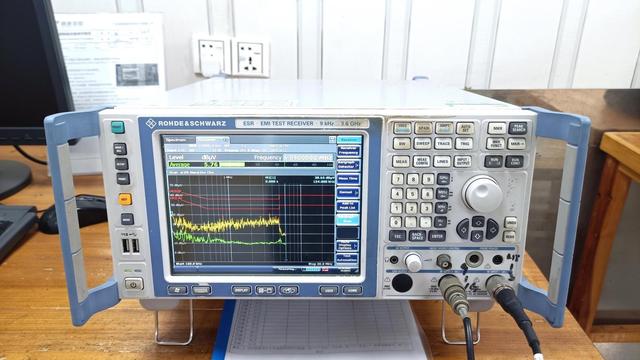
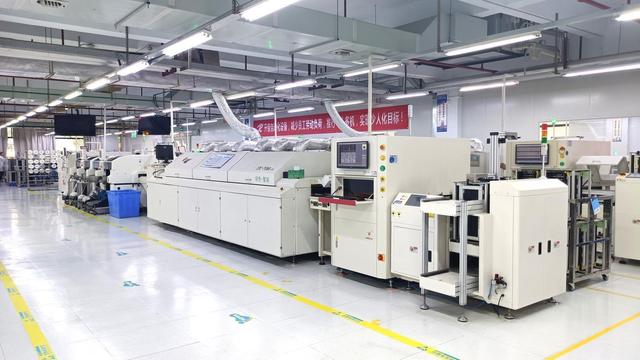
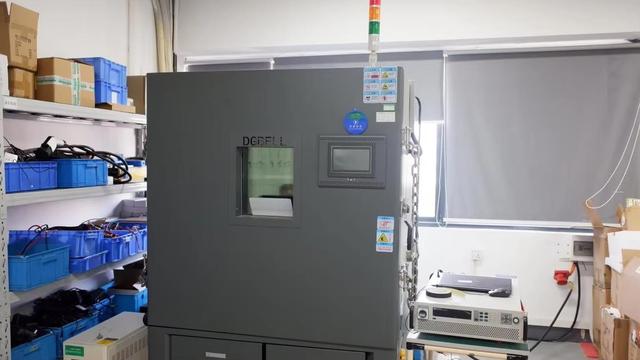
Symbion Energy operates modern production lines, battery integration workshops, and comprehensive testing laboratories to ensure high standards of safety, reliability, and performance. The company follows strict quality control procedures throughout design, manufacturing, system integration, and final testing. Its engineering team continuously develops innovative solutions that help customers improve energy efficiency, reduce operational costs, and enhance power resilience.
In addition to standard products, Symbion Energy offers OEM and ODM services for global partners, including customized battery storage systems, enclosure design, software integration, branding, and project-specific energy solutions.
Tier-1 buyers and EPC contractors are moving beyond just "price per kWh." The focus has shifted to Levelized Cost of Storage (LCOS) and total cost of ownership. Key procurement criteria now include:
Compliance with UL9540A, CE, IEC 62619, and local grid codes is mandatory for utility financing.
Systems must be "plug-and-play" to allow for future capacity expansion without redesigning the EMS.
Dual-redundant fire suppression (Aerosol + Water) is now a standard requirement for urban installations.
 Symbion Energy