Explore our premium segment of commercial, industrial, and distributed backup systems optimized for global utility grids.
Established Year
Production Facility
Expert Workers
Safety Audited
Hangzhou Symbion Energy Co., Ltd. is a professional manufacturer specializing in Battery Energy Storage Systems (BESS), microgrid solutions, and smart energy management technologies for commercial, industrial, and utility-scale applications.
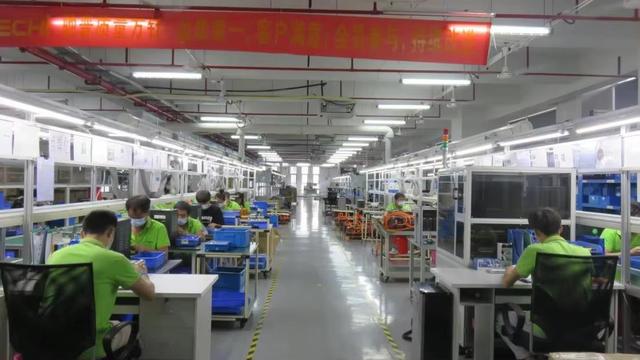
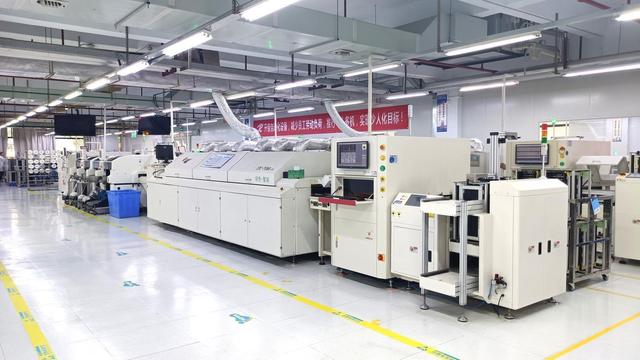
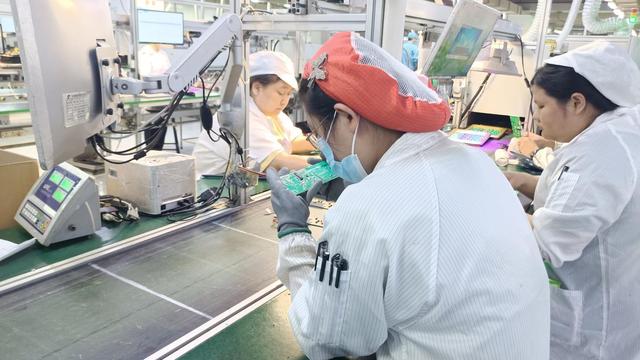
Established in 2014 and located in Hangzhou, Zhejiang Province, China, the company is dedicated to supporting the global transition toward cleaner, more reliable, and more efficient energy infrastructure. With a manufacturing facility covering over 20,000 square meters and a workforce of more than 280 employees, Symbion Energy provides advanced energy storage solutions to customers worldwide.
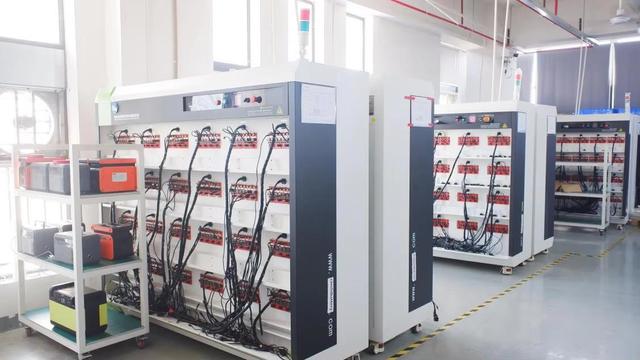
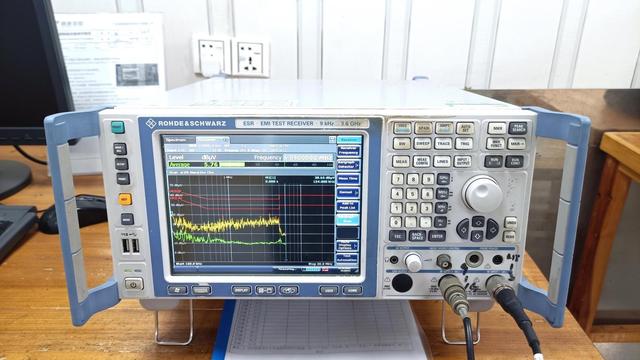
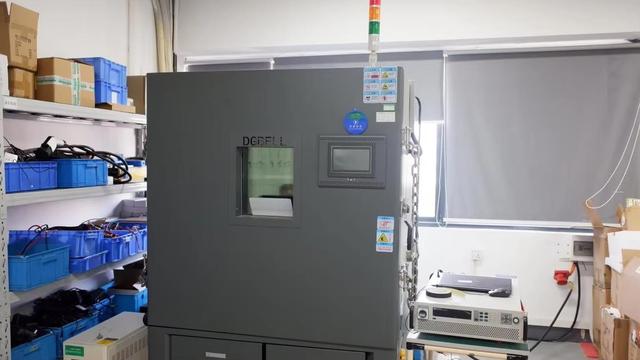
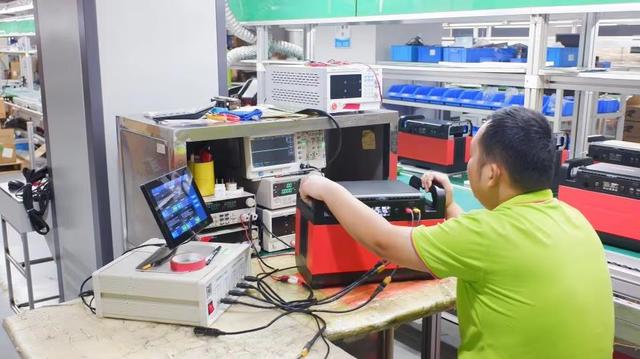
Our engineered solutions are critical components in mitigating modern grid instabilities, facilitating primary and secondary frequency regulation, and integrating intermittent renewable power assets such as solar wind hybrid systems. We operate comprehensive testing laboratories to guarantee uncompromising safety profiles under diverse environmental configurations.
Addressing supply-side variability and load-side dynamics through multi-megawatt battery energy storage integration.
Deploying sub-second dynamic response systems to manage transient frequency deviations. Our multi-MW systems support grid-forming and grid-following configurations under rigid utility regulations.
Storing surplus wind and solar generation during low-demand periods. This mitigates curtailment penalties and releases stored clean energy when market value peaks.
Significantly lowering industrial demand charges. Symbion BESS monitors real-time site power and discharges when demand exceeds set limits, smoothing the load profile.
As the international grid shifts from centralized fossil-fuel power stations to distributed wind and solar arrays, stability is challenged. High-capacity energy storage systems function as structural stabilizers. They absorb voltage surges, provide reactive power support, and ensure black-start capability during major grid failures.
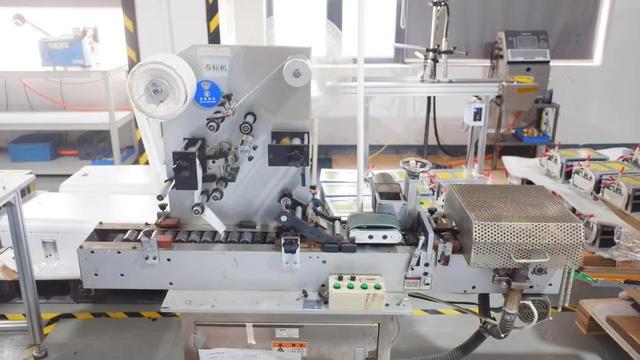
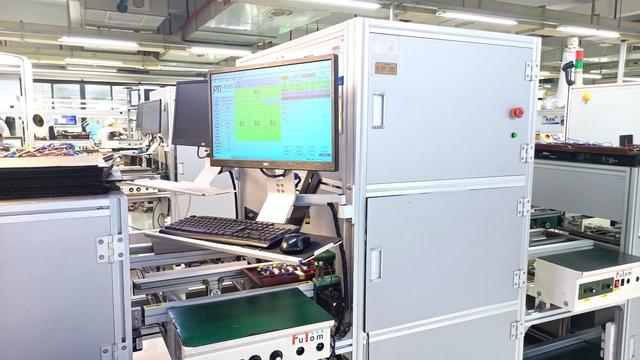
Symbion Energy's modern assembly workshops utilize state-of-the-art battery integration technologies. We design liquid-cooled thermal systems and multivariable Battery Management Systems (BMS). These designs maintain cell-to-cell temperature differentials below 3°C, extending life cycles and reducing operational risks (LCOS).
Engineered systems optimized for heavy industries, distribution microgrids, and electric vehicle infrastructures.
Integrating solar, wind, and diesel backup generators in off-grid regions. This system provides stable 24/7 power for remote mining and island communities, reducing fuel dependency.
Delivering instant UPS capabilities. Our LFP systems replace traditional diesel backups, offering lower maintenance, footprint-optimized footprints, and faster reaction times.
Managing the grid stress caused by EV fast chargers. Buffering grid consumption prevents costly substations upgrades and minimizes utility demand surcharges during peak hours.
Industrial operations often face power quality issues like voltage sags, harmonics, and momentary power interruptions. A single outage can lead to scrapped production runs and equipment damage. By implementing our distributed energy storage lithium battery systems, plants gain a dedicated microgrid barrier.
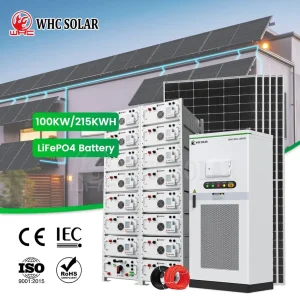
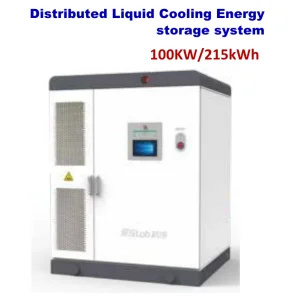
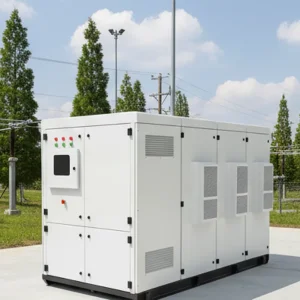
Our solutions feature modular designs for easy scaling. Customers can start with a 100kW/215kWh setup and expand to multi-megawatt systems as facility demand grows. This modularity reduces upfront capital costs while preserving future expansion options.
Ensuring compliance with international safety and grid connection codes for trouble-free permitting.
Deploying energy storage systems globally requires strict compliance with diverse regional regulations. Symbion Energy prioritizes international certifications to ensure our products meet or exceed safety guidelines worldwide.
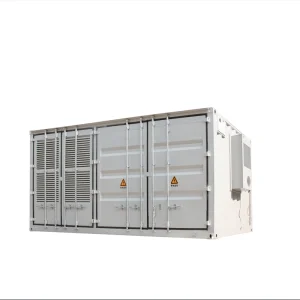
Our containerized BESS designs are built to withstand harsh environments, using comprehensive fire-suppression systems, active thermal management, and robust enclosures. We provide complete technical documentation, including structural and thermal analysis, to assist local EPCs during installation and municipal permitting processes.
From UL testing to CE declarations, our engineering teams build compliance into the design process. This ensures that every system shipped conforms to destination standards, minimizing commissioning delays.
Tested for thermal runaway safety, ensuring no fire propagation between cell units or adjacent battery cabinets.
Validated battery cells and modules for stationary industrial applications under strict European safety directives.
Systems feature aerosol or clean-agent fire suppression, gas detection, and emergency venting protocols.
Our commitment to continuous innovation in chemistry, thermal efficiency, and software intelligence.
Insights from our engineering department regarding BESS design, deployment, and operation.
Liquid cooling uses a glycol-water mixture circulated through cooling plates directly contacting the battery cells, whereas air cooling relies on HVAC-driven air movement. Liquid cooling offers significantly higher thermal conductivity, resulting in lower temperature deltas between cells (≤ 3°C vs ≤ 5°C in air-cooled designs). This uniformity reduces cell mismatching, increases safety, and can extend the battery system's operational lifespan by up to 20% under high-rate charge and discharge cycles.
LiFePO4 (Lithium Iron Phosphate) is favored due to its structural safety and long cycle life. The thermal runaway temperature for LFP is around 270°C, compared to approximately 210°C for NMC. LFP chemistry does not release oxygen during runaway, reducing fire severity. Additionally, LFP cells deliver 6,000+ full cycles (at 80% capacity retention), compared to 2,000-3,000 cycles for typical NMC chemistries, making it a more cost-effective choice over the project's lifetime.
Industrial utility tariffs often include a demand charge based on the highest average power drawn during a billing cycle. The BESS continuously monitors real-time facility demand. When load exceeds a predefined threshold, the system discharges stored energy to supply the excess power locally. This prevents the grid meter from recording a high demand spike, reducing monthly electricity expenses.
In North America, standard codes include UL 9540 (system certification), UL 1973 (battery modules), and NFPA 855 (installation guidelines). Grid connections require compliance with IEEE 1547. In European markets, EN 62477-1 and IEC 62619 apply, along with country-specific grid codes. Ensuring these certifications are in place simplifies the permitting process with local utility providers.
Explore our high-capacity solutions designed for large-scale industrial projects, commercial properties, and microgrid setups.
 Symbion Energy