Direct from Tier-1 integrated production lines. Optimized configuration profiles designed for maximum round-trip efficiency (RTE) and safe deployment.
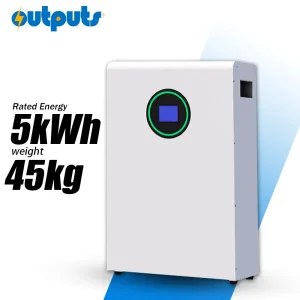
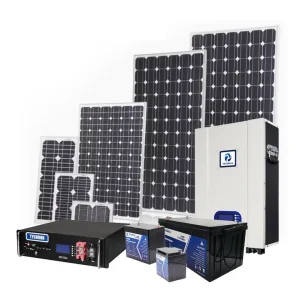
The global transition to a low-carbon energy economy is driving unprecedented demand for decentralized grid infrastructure. As utility grids grapple with the intermittency of utility-scale solar PV and wind generation, Battery Energy Storage Systems (BESS) have emerged as the cornerstone of modern grid stability.
In the Commercial and Industrial (C&I) sectors, businesses are facing complex challenges: rising demand charges, localized grid capacity limitations, power quality anomalies, and strict carbon accounting requirements. A robust energy storage architecture mitigates these liabilities by enabling peak shaving, demand-side management, and localized microgrid resilience. By storing excess generation during low-tariff hours and discharging during peak rates, enterprise operators achieve immediate reductions in operational expenditure (OpEx) while protecting critical manufacturing processes from costly voltage sags.
China's manufacturing powerhouse forms the core of the global BESS supply chain. Benefiting from extensive upstream lithium chemical refining capacity, cathode material manufacturing dominance, and vertically integrated automated assembly lines, Chinese factories produce highly reliable systems at competitive costs. For global engineering, procurement, and construction (EPC) contractors, identifying top-tier Chinese factories is essential for procuring reliable energy hardware that meets rigorous international compliance standards.
Procuring BESS involves evaluating complex engineering specifications beyond simple upfront capacity cost ($/kWh). Industrial systems require comprehensive thermal runaway mitigation, highly integrated Battery Management Systems (BMS), and field-proven Power Conversion Systems (PCS) to guarantee safety over a multi-decade operational lifespan.
Established in 2014 and situated in the high-tech hub of Hangzhou, Zhejiang Province, China, Hangzhou Symbion Energy Co., Ltd. has grown into a leading developer and manufacturer specializing in Battery Energy Storage Systems (BESS), microgrid platforms, and intelligent energy management technologies. Serving utility-scale, industrial, and commercial clients globally, Symbion is dedicated to building cleaner, more reliable, and highly efficient energy infrastructures.
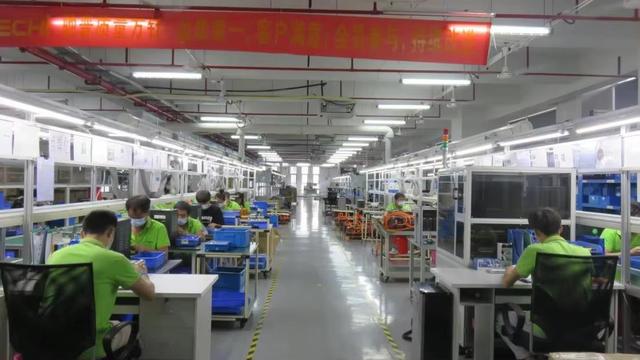
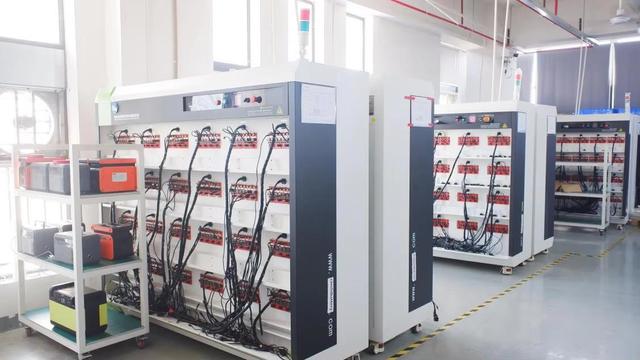
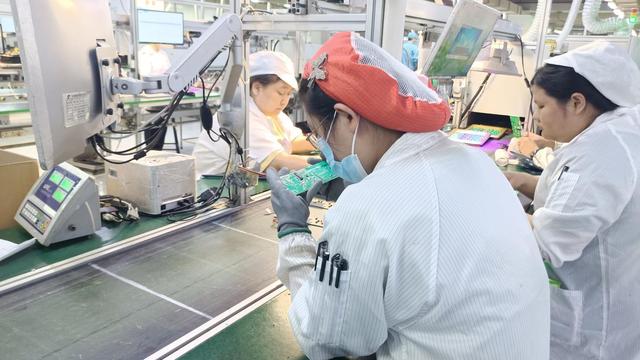
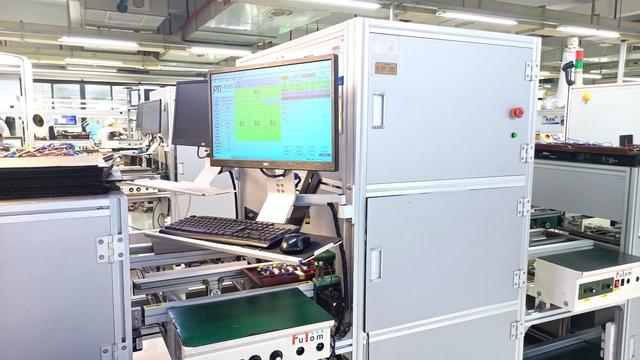
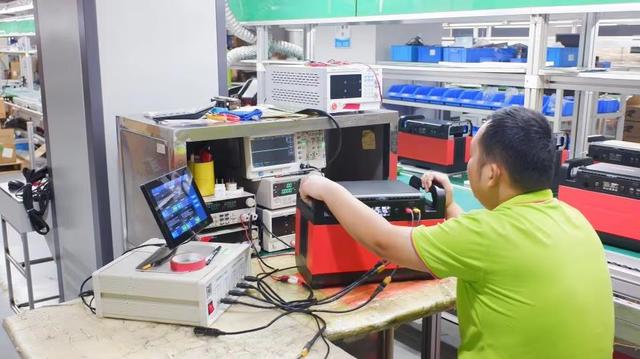
Spanning a state-of-the-art manufacturing facility of over 20,000 square meters and powered by an experienced workforce of over 280 skilled professionals, Symbion Energy integrates engineering R&D with rigorous manufacturing standards. The company's production environment features automated battery module integration systems, complex thermal simulation systems, and comprehensive multi-megawatt testing laboratories to guarantee the highest safety, reliability, and round-trip efficiency.
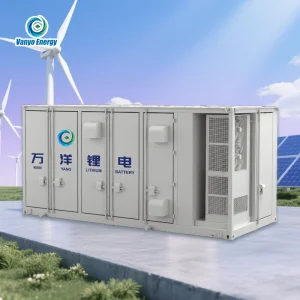
Symbion Energy offers a versatile portfolio, including commercial battery storage systems, heavy-duty containerized BESS, distributed microgrid solutions, and smart Energy Management Systems (EMS) software. Their systems are widely deployed in wind and solar PV power integration projects, Peak Shaving, load leveling, uninterruptible backup power setups, and smart EV charging infrastructures worldwide.
Understanding that static solutions cannot meet dynamic grid requirements, Symbion Energy offers comprehensive OEM and ODM services. Their engineering capacity covers the entire lifecycle of energy storage deployment:
Analyzing key advancements in cell chemistries, thermal management systems, and safety compliance standards shaping next-generation energy storage.
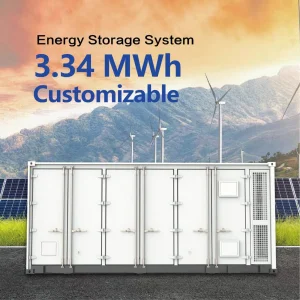
For several years, the 280Ah lithium iron phosphate (LiFePO4) cell was the benchmark for large-scale energy storage. The industry is now rapidly shifting toward the 314Ah cell chemistry. This upgrade offers higher energy density without changing the physical cell footprint, allowing standard 20ft container systems to expand from 3.72MWh to 5MWh capacity. This advancement translates directly to reduced balance-of-system (BOS) costs, lower installation requirements, and a smaller overall site footprint.
Maintaining stable cell temperatures is critical to extending service life and preventing thermal runaway. While forced-air cooling remains common in residential and light commercial units, large-scale utility systems are adopting liquid cooling plates. Liquid cooling limits cell-to-cell temperature variations to within 3°C, compared to 8°C in traditional air systems. This thermal uniformity reduces parasitic energy loss, stabilizes battery capacity, and extends system life by up to 20%.
Transitioning from 1000V to 1500V system designs allows system integrators to connect more cells in series, increasing DC string voltage. Higher operating voltages reduce current flow, allowing for thinner wiring, fewer combiners, and reduced line losses. These efficiencies improve round-trip system efficiency and lower structural cost components across multi-megawatt systems.
Modern safety architectures use three-tier BMS systems to manage cell balancing, module monitoring, and system-wide isolation. Coupled with cloud-based digital twins, these systems can forecast cell health, track internal resistance anomalies, and isolate fault points before they cause thermal runaways or outages, ensuring consistent, long-term system uptime.
Battery Energy Storage Systems perform critical services across different segments of the electricity supply chain:
Deploying energy storage successfully depends heavily on regional grid dynamics, regulatory structures, and local environment conditions:
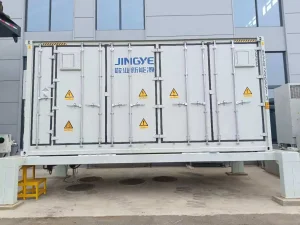
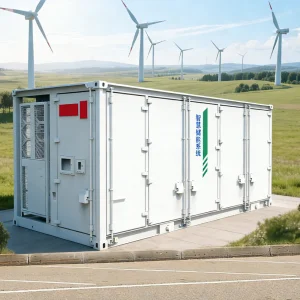
Industrial Off-Grid Microgrids (e.g., Africa & Remote Sites): In remote regions with unreliable grid connections, industrial facilities often run on costly diesel generation. Integrating containerized BESS solutions (such as the Symbion 5MWh container) allows sites to pair solar PV systems with high-power battery storage. This configuration significantly lowers diesel consumption, stabilizes voltage fluctuations from heavy machinery, and delivers reliable 24/7 power.
High-Performance C&I Facilities (Europe & North America): In countries with strict grid regulations and high peak tariffs, peak-shaving systems help manufacturing sites avoid demand charges. Smart EMS platforms track building consumption in real time, automatically discharging stored power when usage spikes to keep grid demand below set limits.
Co-Located Solar EV Charging Hubs: As ultra-fast electric vehicle charging networks expand, they present significant load challenges for local power grids. Buffering EV stations with LiFePO4 battery storage units reduces grid upgrades, shifts energy usage to off-peak periods, and supports fast charging without stressing local infrastructure.
Inside Symbion Energy's modern integration lines, advanced testing centers, and high-quality quality control departments.
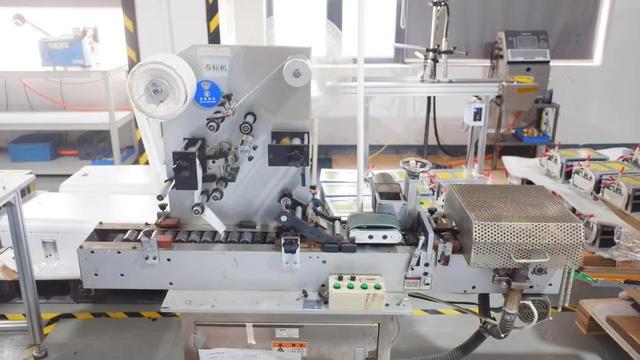
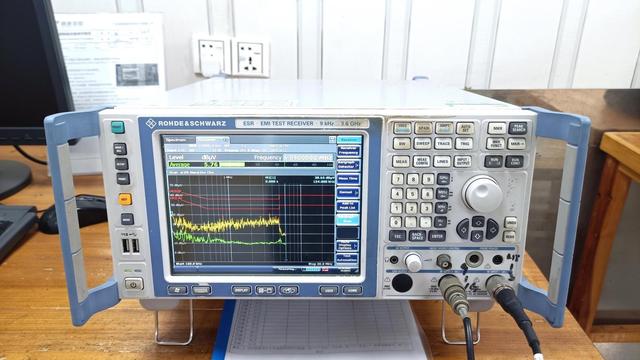
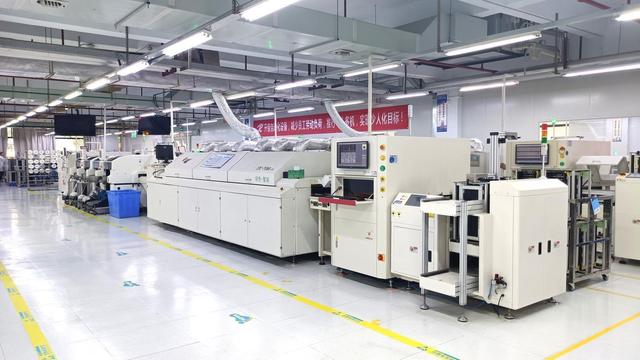
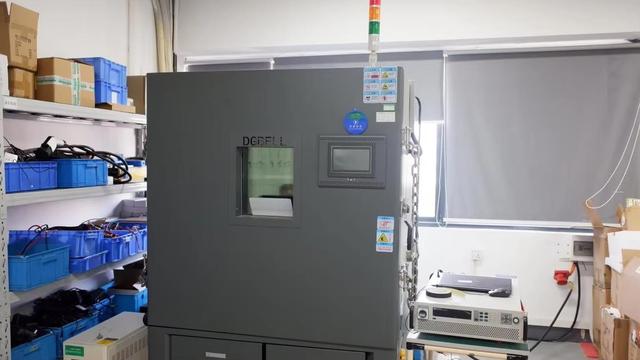
When purchasing high-voltage energy storage systems from China, technical buyers should evaluate key criteria beyond upfront equipment costs:
Cell Grade and Tracking: Insist on Class-A cells from reputable manufacturers. Reputable suppliers provide traceability reports for every cell batch, tracking key metrics like internal resistance, open-circuit voltage, and capacity uniformity.
Certifications and Compliance: Ensure BESS designs are certified to international standards. Key certifications include IEC 62619 for safety, UL 9540A for evaluation of thermal runaway, and CE markings for European market entry.
Integrated Local Support: Look for manufacturers with dedicated technical teams or partner networks capable of supporting installation, commissioning, and on-site training.
Expert insights answering key technical queries, sourcing considerations, and configuration guidelines for global project developers.
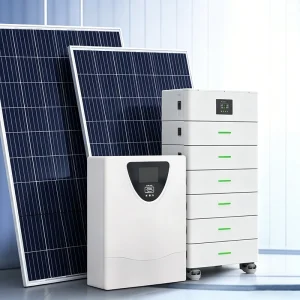
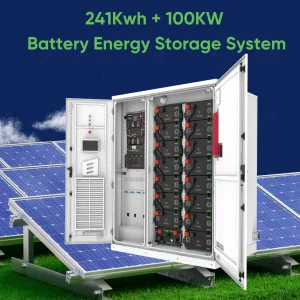
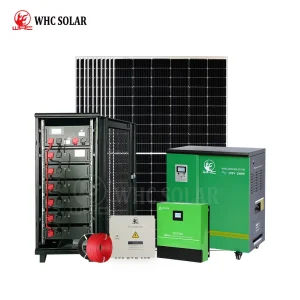
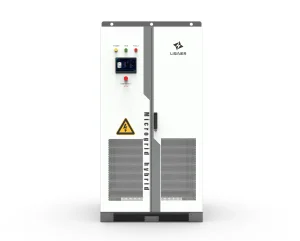
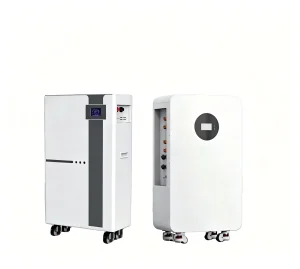
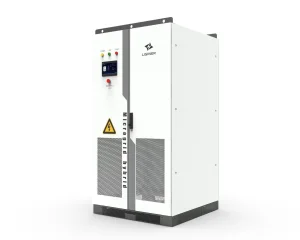
Heavy-duty, containerized, rack-mounted, and microgrid integrated power solutions engineered for reliable, long-term deployment.
 Symbion Energy