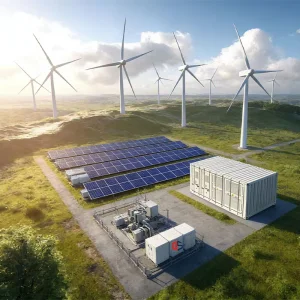
The global energy sector is undergoing its most significant transformation since the Industrial Revolution. As nations commit to "Net Zero" targets, the reliance on intermittent renewable sources like solar and wind has skyrocketed. This shift necessitates robust Energy Infrastructure Solutions to maintain grid stability and ensure 24/7 power availability.
We are seeing a move toward Decentralization and Digitalization. BESS (Battery Energy Storage Systems) are no longer just batteries; they are intelligent assets equipped with AI-driven EMS (Energy Management Systems) that predict load patterns and optimize energy arbitrage in real-time.
Localized microgrids are becoming the standard for critical infrastructure—hospitals, data centers, and industrial hubs—ensuring that even during primary grid failures, operations remain seamless through advanced LiFePO4 storage technologies.
Hangzhou Symbion Energy Co., Ltd. is a professional manufacturer specializing in Battery Energy Storage Systems (BESS), microgrid solutions, and smart energy management technologies for commercial, industrial, and utility-scale applications. Established in 2014 and located in Hangzhou, Zhejiang Province, China, the company is dedicated to supporting the global transition toward cleaner, more reliable, and more efficient energy infrastructure. With a manufacturing facility covering over 20,000 square meters and a workforce of more than 280 employees, Symbion Energy provides advanced energy storage solutions to customers worldwide.
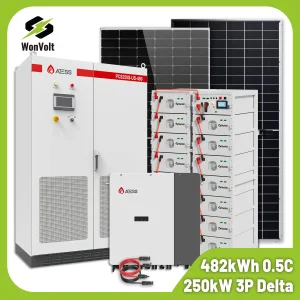
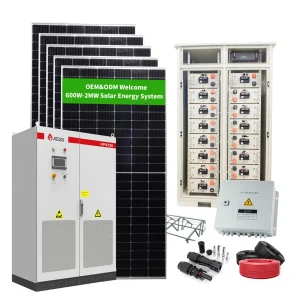
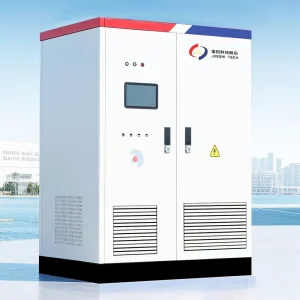
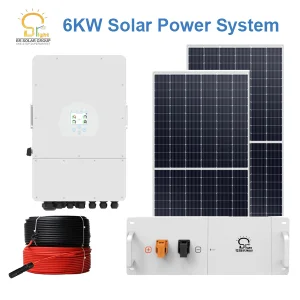
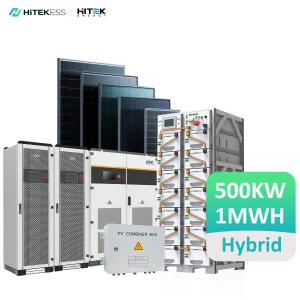
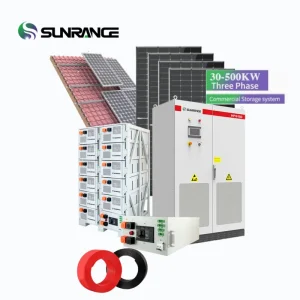
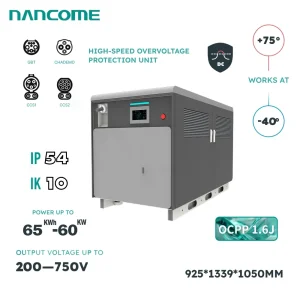
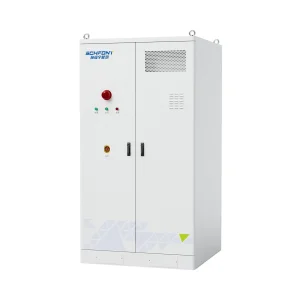
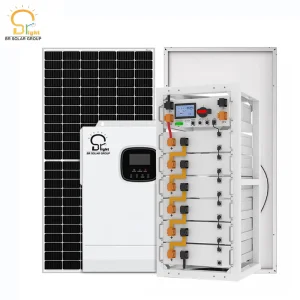
The company's product portfolio includes industrial battery energy storage systems, containerized BESS solutions, commercial energy storage systems, renewable energy storage systems, microgrid energy storage platforms, backup power systems, distributed energy storage solutions, and intelligent energy management systems. These products are widely used in renewable energy integration, peak shaving, load shifting, grid support, emergency backup power, electric vehicle charging infrastructure, and industrial energy optimization projects.
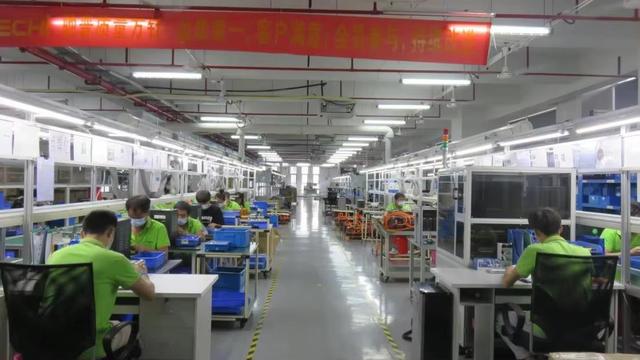
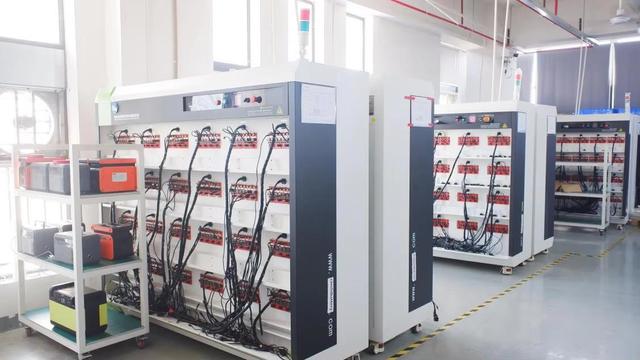
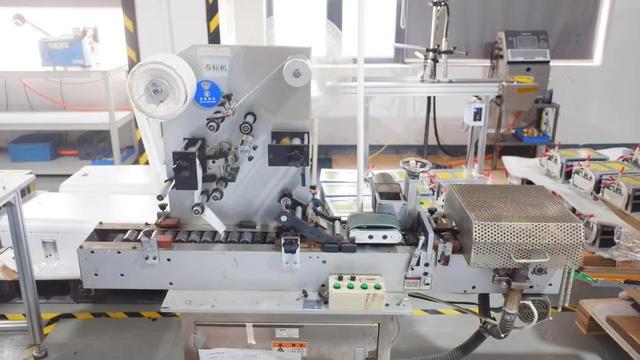
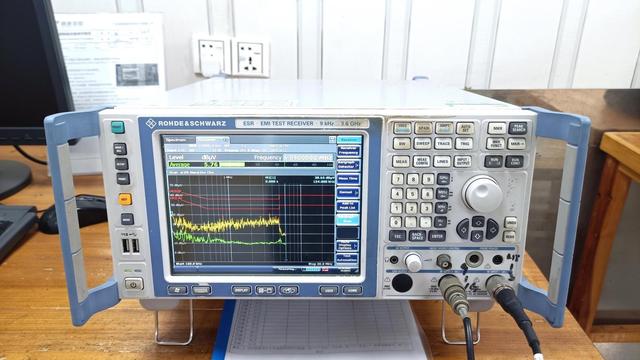
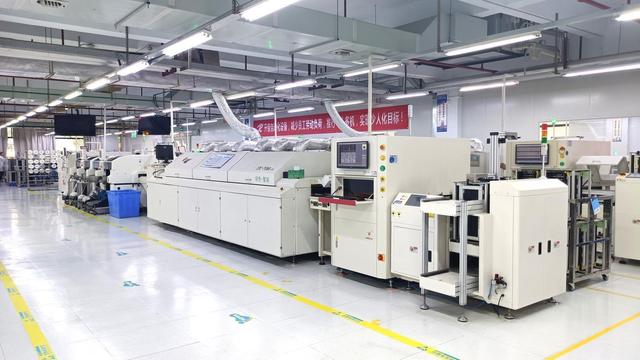
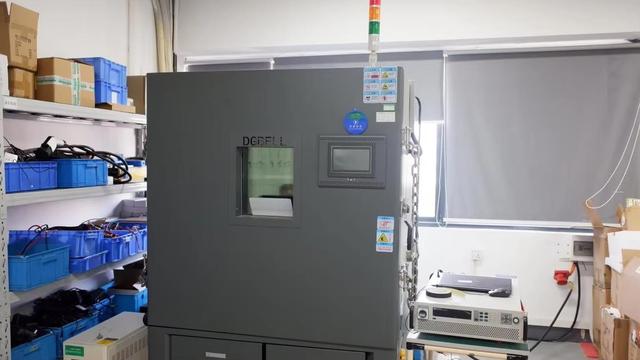
Symbion Energy operates modern production lines, battery integration workshops, and comprehensive testing laboratories to ensure high standards of safety, reliability, and performance. The company follows strict quality control procedures throughout design, manufacturing, system integration, and final testing. Its engineering team continuously develops innovative solutions that help customers improve energy efficiency, reduce operational costs, and enhance power resilience.
In addition to standard products, Symbion Energy offers OEM and ODM services for global partners, including customized battery storage systems, enclosure design, software integration, branding, and project-specific energy solutions. Through ongoing investment in technology, innovation, and customer support, Hangzhou Symbion Energy Co., Ltd. has become a trusted partner for energy developers, utilities, EPC contractors, and industrial customers seeking dependable battery energy storage and smart energy management solutions.
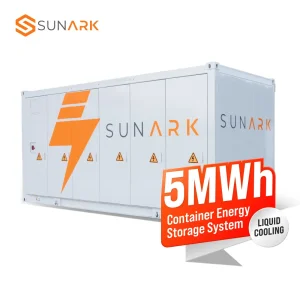
Transitioning from traditional air cooling to high-efficiency liquid cooling, we achieve a 20% increase in battery lifespan and superior thermal consistency for large-scale containers (1MWh - 5MWh+).
Our systems utilize AI-driven Cloud-BMS for predictive maintenance, SOC/SOH high-precision estimation, and multi-tier safety protection protocols.
From Industrial Peak Shaving in Europe to Solar-Diesel Hybrids in island nations, our solutions are tailored to local grid codes and environmental conditions.
Standardizing on Class A+ Lithium Iron Phosphate chemistry ensures non-flammability, 6000+ cycle life, and sustainable end-of-life recycling.
Industrial facilities face high peak-demand charges. BESS allows for "Peak Shaving"—discharging stored energy during high-tariff periods—significantly reducing operational expenditure (OPEX) and improving the ROI of on-site solar installations.
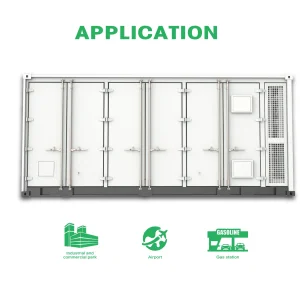
Containerized solutions offer a "plug-and-play" experience. They are pre-integrated with HVAC, fire suppression, and EMS, allowing for rapid deployment on-site and easy scalability for utility-scale projects.
We employ a triple-redundancy safety architecture: Cell-level monitoring, Module-level protection, and System-level emergency shutdown, coupled with advanced aerosol or gas-based fire suppression systems.
The trend is moving towards higher energy density, longer duration storage (4h+), and the integration of V2G (Vehicle-to-Grid) technology. China’s supply chain efficiency ensures that these advanced technologies are accessible globally at competitive price points.
 Symbion Energy