Tier-1 Engineered Battery Energy Storage Solutions Designed for Dynamic Demand Response, Peak Shaving, and Grid Resilience
Unlocking Value in Modern Grids Through Decentralized Energy Storage, Automated Load Shifting, and Virtual Power Plant (VPP) Architecture
The global energy paradigm is undergoing an unprecedented structural transition. As renewable energy penetration—primarily solar photovoltaics (PV) and wind power—reaches record highs worldwide, utility grids are facing severe volatility, duck-curve power imbalances, and localized congestion. In response, modern grid operators are moving away from traditional, carbon-intensive peak generation toward Demand Response (DR) and distributed energy storage mechanisms.
Demand Response Energy (DRE) represents a tactical paradigm shift: instead of ramping up supply to match fluctuating demand, end-user consumption and storage assets are dynamically curtailed or injected back into the grid to balance electrical supply. Central to this evolution are commercial, industrial, and utility-scale Battery Energy Storage Systems (BESS). By serving as rapid-response energy reservoirs, BESS infrastructure allows industrial facilities, independent power producers (IPPs), and utilities to monetize capacity, participate in frequency regulation markets, and mitigate demand charges.
China has established itself as the indisputable global hub for wholesale Demand Response Energy hardware, battery chemistry innovation, and high-efficiency manufacturing systems. Leveraging advanced Industry 4.0 supply chain integration, automated cell-to-pack (CTP) assembly, and robust thermal engineering, Chinese OEMs and ODM factories provide international markets with bankable, certified, and economically competitive energy storage solutions designed for seamless dynamic grid integration.
Key Technological and Regulatory Drivers Accelerating BESS Adoption in Commercial and Utility Sectors
Energy storage systems are no longer isolated backup units. Modern wholesale BESS products incorporate open-protocol communications (such as OpenADR 2.0b, Modbus TCP, and IEC 61850) that allow distributed assets to be aggregated into Virtual Power Plants. This enables centralized cloud platforms to trigger millisecond-level load shedding or power discharge, capturing high-value spot market pricing.
Industrial tariffs globally are increasingly structuring energy rates with wide spreads between peak and off-peak hours. By integrating high-capacity lithium iron phosphate (LiFePO4) storage, commercial entities automatically charge during off-peak windows and discharge during peak demand windows, significantly reducing monthly demand charges and overall Levelized Cost of Energy (LCOE).
Safety and thermal stability remain paramount for high-density BESS installations. Industry trends show a massive transition from traditional forced-air HVAC cooling to multi-channel liquid-cooling systems. Liquid cooling ensures uniform cell temperature gradients (≤ 3°C difference), dramatically extending cycle life and preventing thermal runaway cascades in compliance with UL 9540A and NFPA 855 codes.
Comparative Technical Benchmarks Required by Global Engineering, Procurement, and Construction (EPC) Integrators
| Evaluation Parameter | Standard Commercial BESS Market Specification | Symbion Energy Next-Gen Wholesale Specification | Strategic Business Advantage |
|---|---|---|---|
| Cell Chemistry & Energy Density | Standard LFP 280Ah Cells | Tier-1 314Ah High-Density LFP Cells | +12% Energy density improvement; reduced footprint per container. |
| Thermal Management System | Standard Industrial Air HVAC | Intelligent Liquid Cooling (IP54/IP55) | Extends battery cycle life by up to 20%; reduces internal parasitic load. |
| Grid Response Time | 100ms - 500ms Switchover | < 10ms Seamless Microgrid Switching | Ensures zero-interruption power to critical industrial infrastructure. |
| System Interoperability | Proprietary Closed Software Protocols | OpenADR 2.0b, SunSpec, Modbus, IEC 61850 | Plug-and-play capability with global VPP platforms and power aggregators. |
| Safety & Compliance Certification | Basic CE & UN38.3 Testing | UL 1973, UL 9540A, IEC 62619, NFPA 855 | Fulfills stringent North American and European bankability & insurance standards. |
How Advanced Automation and Vertical Supply Integration Drive Quality, Scalability, and Cost Superiority
By co-locating battery packaging, BMS (Battery Management Systems) software engineering, PCS (Power Conversion System) assembly, and liquid-cooling manifold manufacturing within highly concentrated industrial hubs, Chinese factories eliminate supply chain friction. This vertical integration drastically reduces lead times for 20ft and 40ft containerized BESS deployments.
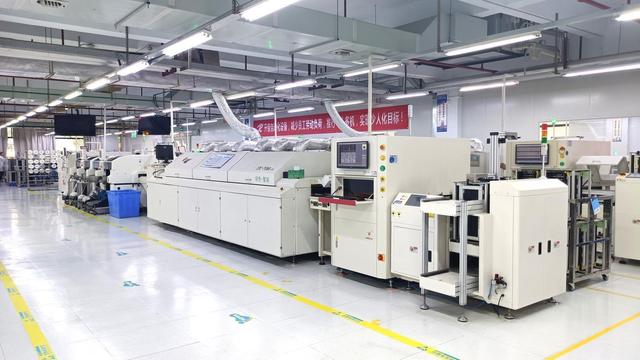
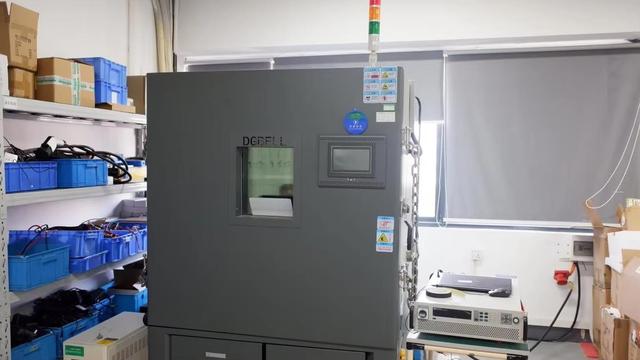
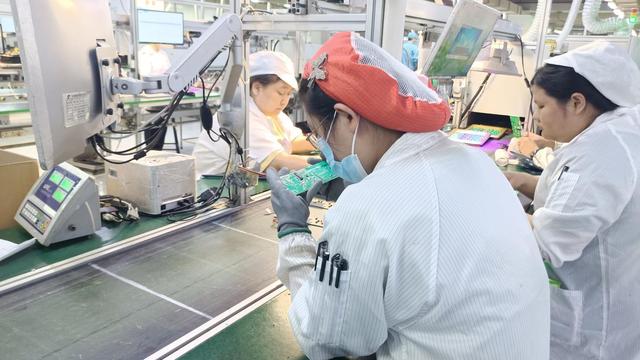
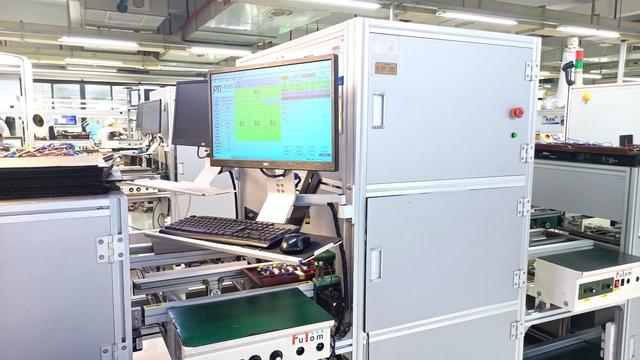
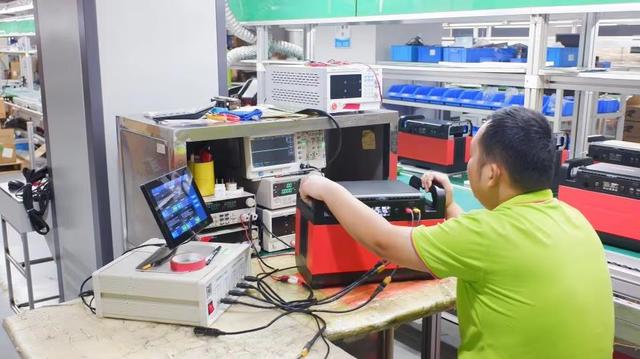
Symbion Energy’s manufacturing facilities utilize high-precision robotics for busbar laser welding, automated optical inspection (AOI), and multi-stage end-of-line (EOL) testing. Each module undergoes rigorous vibration, thermal cycling, and high-voltage isolation tests prior to container installation to guarantee long-term operational integrity.
Global energy developers require tailored hardware configurations to comply with regional grid codes (e.g., IEEE 1547, EN 50549). Chinese original equipment manufacturers provide comprehensive OEM/ODM customization services spanning custom voltage ranges, dual-fire suppression system design (Aerosol + Novec 1230), structural IP ratings, and white-label EMS interfaces.
Engineered Deployments Across High-Demand Commercial, Industrial, and Infrastructure Sectors
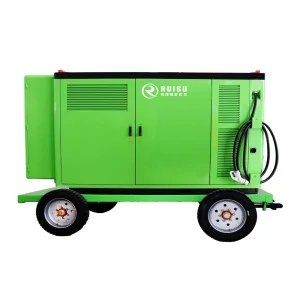
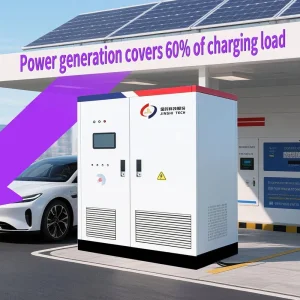
Ultra-fast EV charging hubs draw sudden high-kw loads from localized distribution transformers, causing severe grid penalties. Mobile and stationary BESS solutions (such as the 431kWh Ruisu system) act as high-power buffer reservoirs, storing energy off-peak and discharging at high C-rates when vehicles connect, eliminating costly grid infrastructure upgrades.
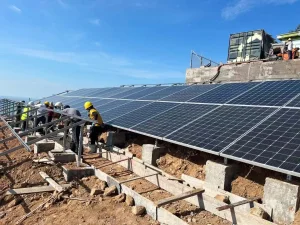
Industrial facilities operating automated assembly lines, heavy machinery, or continuous chemical processing rely on seamless backup power. Distributed BESS systems integrated with solar PV arrays provide immediate power conditioning, zero-ms phase stabilization, and automated participation in local grid demand-side management programs.
Off-grid agricultural operations, mining sites, and island communities utilize hybrid BESS units (such as 125kW/261kWh IP54 systems) to combine diesel generation with renewable solar input. The system prioritizes battery discharge, cutting fuel consumption by up to 70% while maintaining reliable microgrid stability.
Leading Manufacturer of Enterprise-Grade Battery Energy Storage Systems and Smart Microgrids
Hangzhou Symbion Energy Co., Ltd. is a professional manufacturer specializing in Battery Energy Storage Systems (BESS), microgrid solutions, and smart energy management technologies for commercial, industrial, and utility-scale applications. Established in 2014 and located in Hangzhou, Zhejiang Province, China, the company is dedicated to supporting the global transition toward cleaner, more reliable, and more efficient energy infrastructure. With a manufacturing facility covering over 20,000 square meters and a workforce of more than 280 employees, Symbion Energy provides advanced energy storage solutions to customers worldwide.
The company's product portfolio includes industrial battery energy storage systems, containerized BESS solutions, commercial energy storage systems, renewable energy storage systems, microgrid energy storage platforms, backup power systems, distributed energy storage solutions, and intelligent energy management systems. These products are widely used in renewable energy integration, peak shaving, load shifting, grid support, emergency backup power, electric vehicle charging infrastructure, and industrial energy optimization projects.
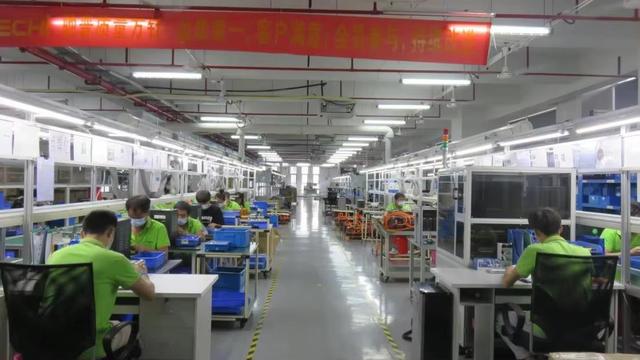
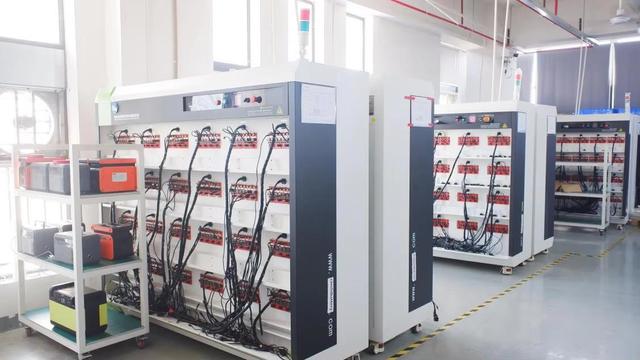
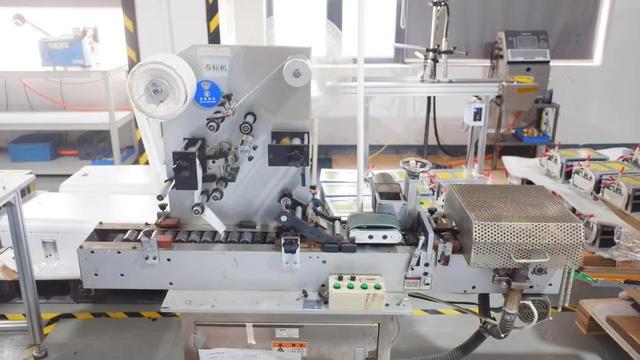
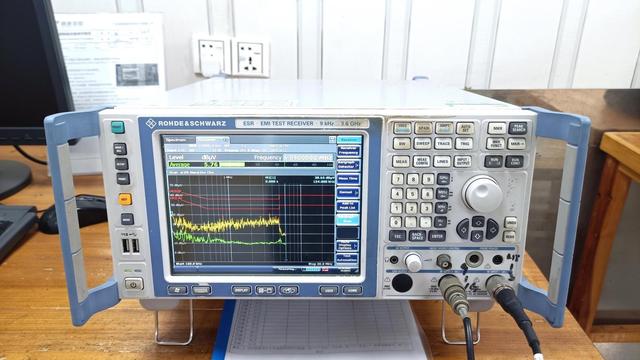
Symbion Energy operates modern production lines, battery integration workshops, and comprehensive testing laboratories to ensure high standards of safety, reliability, and performance. The company follows strict quality control procedures throughout design, manufacturing, system integration, and final testing. Its engineering team continuously develops innovative solutions that help customers improve energy efficiency, reduce operational costs, and enhance power resilience.
In addition to standard products, Symbion Energy offers OEM and ODM services for global partners, including customized battery storage systems, enclosure design, software integration, branding, and project-specific energy solutions. Through ongoing investment in technology, innovation, and customer support, Hangzhou Symbion Energy Co., Ltd. has become a trusted partner for energy developers, utilities, EPC contractors, and industrial customers seeking dependable battery energy storage and smart energy management solutions.
Technical Insights for Engineering Procurement Directors, EPC Consultants, and Energy Project Developers
A BESS connects to the grid via dynamic Energy Management Systems (EMS) and OpenADR protocols. When grid demand surges or frequency drops, the automated control system commands the system's Power Conversion System (PCS) to discharge stored energy within milliseconds. This reduces strain on the grid, earns operational incentives for the site owner, and eliminates peak demand utility penalties.
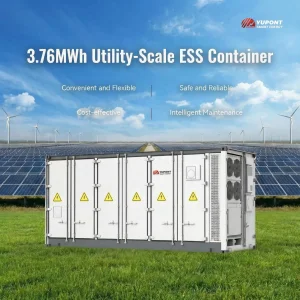
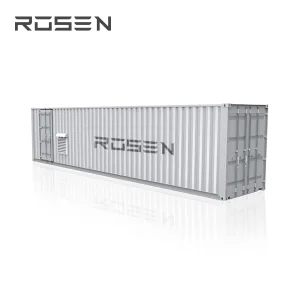
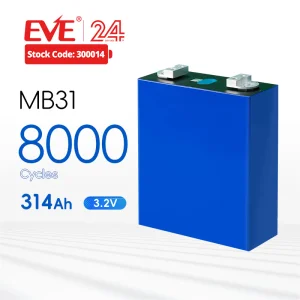
314Ah LFP chemistry offers a significantly higher volumetric energy density. In a standard 20-foot BESS containerized enclosure, using 314Ah cells expands total capacity to over 5MWh (such as our 5015kWh system). This higher density reduces installation footprint, minimizes physical cabling requirements, lowers balance of system (BOS) costs, and delivers improved thermal uniformity across packs.
Liquid cooling utilizes direct thermal transfer plates in contact with battery cells, offering a thermal transfer coefficient significantly higher than air cooling. It maintains intra-pack temperature variance within ≤ 3°C, prevents hot-spot development, decreases auxiliary energy consumption by 30-40%, and extends overall system operational lifecycle beyond 8,000 deep discharge cycles.
Yes. As a primary manufacturer based in Hangzhou, China, Symbion Energy provides tailored OEM/ODM engineering services. We customize enclosure IP ratings (IP54/IP55/IP65), integrate local transformer voltages, pre-install compliant fire suppression systems (UL 9540A compliant), and embed localized communications protocols for North American, European, and Asia-Pacific grid operators.
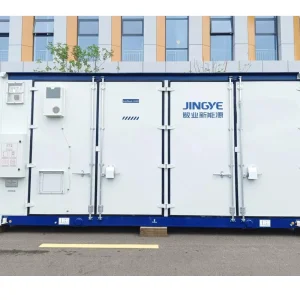
Our containerized BESS structures feature multi-tiered safety systems: cell-level thermal insulation barriers, combustible gas (CO/H2) detection sensors, automatic smoke detectors, gas-phase fire suppression (Aerosol or Novec 1230), integrated water sprinkler manifolds, and physical blast-relief vents compliant with NFPA 855 guidelines.
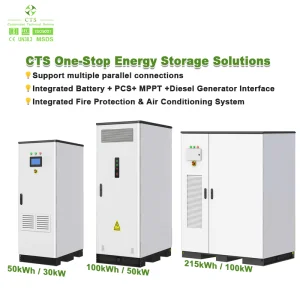
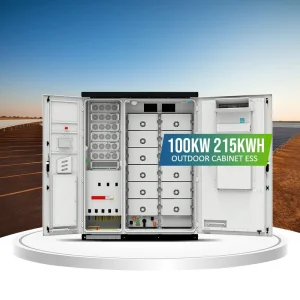
Explore Our Utility-Scale, Hybrid Microgrid, and Commercial Energy Storage Hardware Solutions
 Symbion Energy