Empowering the Canadian Net-Zero transition with High-Efficiency BESS Solutions, Industrial-Scale Integration, and Smart Energy Management.
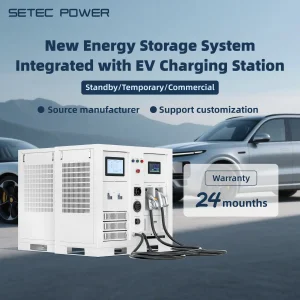
Canada is currently undergoing a seismic shift in its energy landscape. With the federal government’s mandate that 100% of light-duty vehicle sales be zero-emission by 2035, the pressure on the national power grid has reached an all-time high. From the urban centers of Toronto and Vancouver to the resource-heavy regions of Alberta and the vast expanses of the Territories, EV Charging Energy Storage Systems (ESS) are no longer optional—they are critical infrastructure.
In the Canadian market, "Demand Charges" represent a significant operational hurdle for commercial and industrial (C&I) entities. Rapid EV DC fast charging (Level 3) can spike a facility's peak load, leading to exorbitant utility costs. Symbion Energy’s BESS solutions act as a strategic buffer, utilizing Peak Shaving technology to store energy during off-peak hours and discharge during high-demand charging sessions, effectively slashing operational expenses by up to 40% for fleet operators and public charging stations.
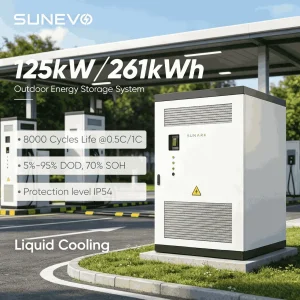
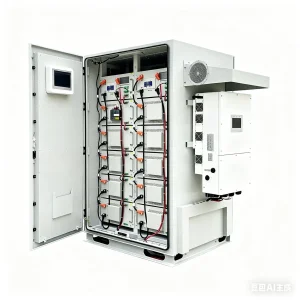
Globally, the integration of energy storage with EV charging is moving toward "Microgrid" configurations. As energy prices fluctuate and grid stability becomes a concern in G7 nations, the trend is shifting toward Liquid-Cooled Lithium Iron Phosphate (LFP) systems. Liquid cooling ensures uniform temperature distribution within the battery cabinet, extending the lifespan of cells and preventing thermal runaway—a crucial safety requirement for the Canadian cold-climate performance.
Moreover, the concept of V2G (Vehicle-to-Grid) and V2X is gaining traction. Symbion Energy is at the forefront of this technology, designing modular systems that allow bi-directional energy flow. This enables global enterprises to not only charge their fleets but also provide ancillary services to the grid, turning a cost center into a potential revenue stream.
The core advantage of sourcing from Hangzhou Symbion Energy Co., Ltd. lies in the unparalleled efficiency of the Chinese battery supply chain. Based in Zhejiang, the heart of China’s high-tech manufacturing corridor, we leverage a vertically integrated ecosystem. This allows for Information Gain in every production phase: from sourcing Grade-A CATL cells to the proprietary development of Battery Management Systems (BMS) and Power Conversion Systems (PCS).
Our 20,000-square-meter facility utilizes modern production lines that ensure rigorous quality control under ISO 9001 standards. For Canadian exporters and importers, this translates to shorter lead times, better price-to-performance ratios, and systems that meet the stringent UL 9540A and CSA safety standards required for the North American market.
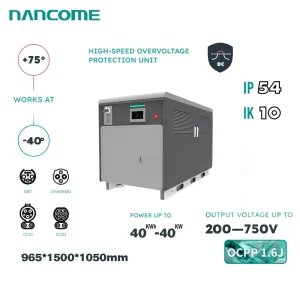
In Northern Ontario or BC, where grid access is limited, containerized BESS provides high-power DC charging for heavy-duty electric trucks, supported by onsite solar integration.
Condo developers in Vancouver and Toronto use our modular systems to add EV charging capacity to older buildings without upgrading expensive transformer infrastructure.
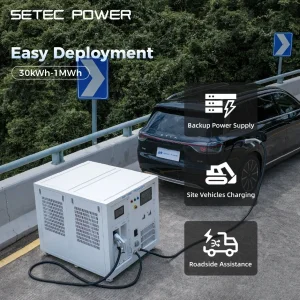
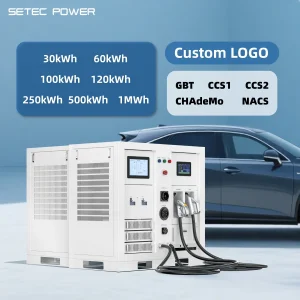
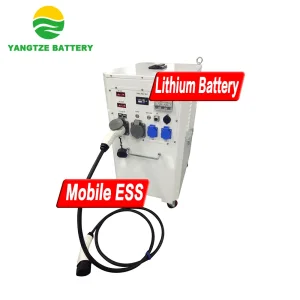
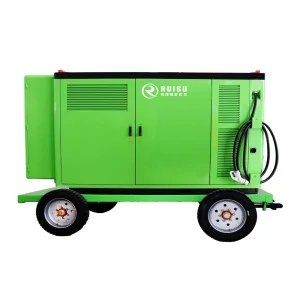
Governmental and emergency services rely on our mobile energy storage units (CCS/CHAdeMO/NACS) to provide rapid charging in disaster recovery zones or grid outages.
When procuring high-capacity energy storage for the Canadian market, professional buyers focus on three pillars: Compliance, Scalability, and Intelligence.
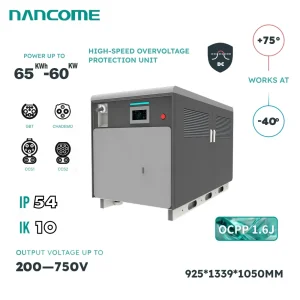
Hangzhou Symbion Energy provides full OEM/ODM services, including customized enclosure designs that withstand Canada’s -40°C winters, ensuring consistent performance and long-term reliability for EPC contractors and energy developers.
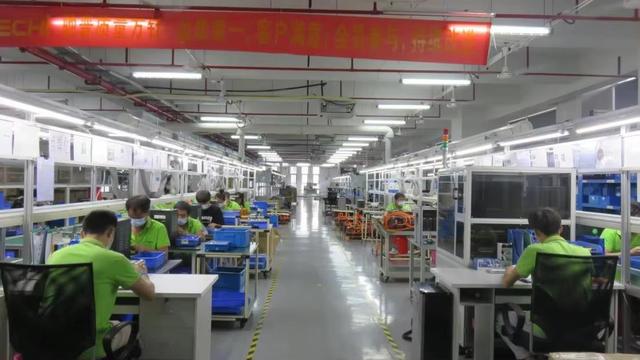
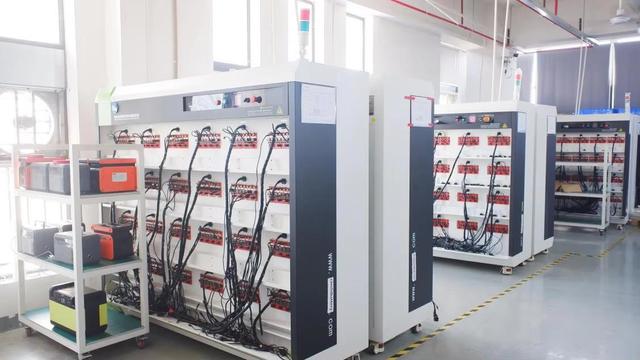
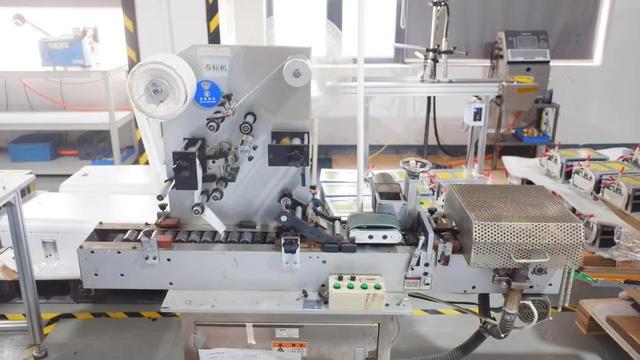
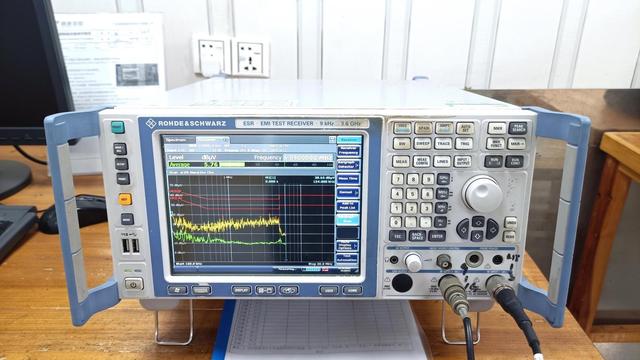
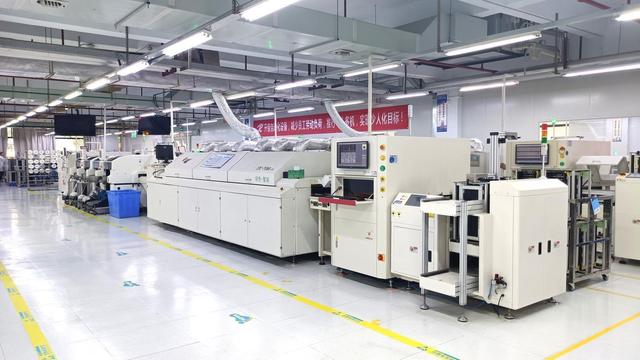
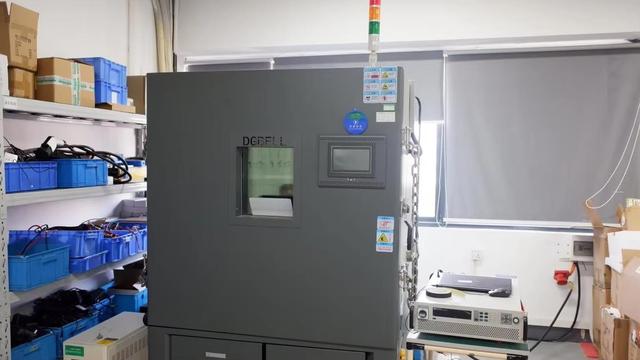
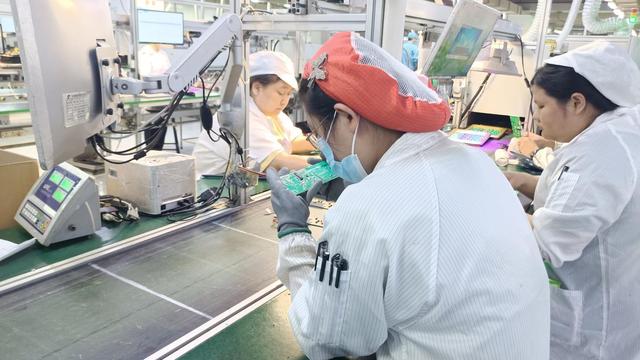
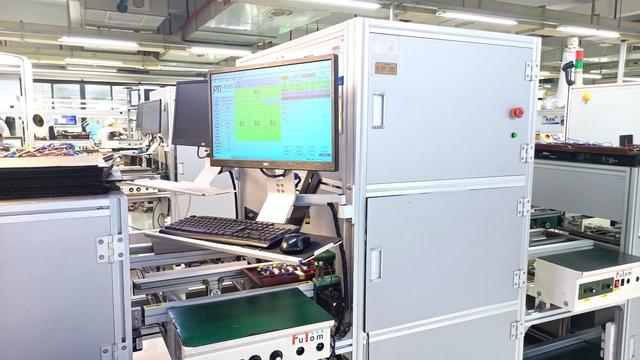
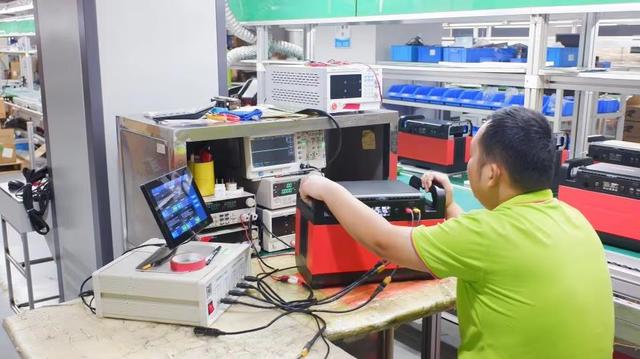
As a professional manufacturer established in 2014, Hangzhou Symbion Energy Co., Ltd. specializes in Battery Energy Storage Systems (BESS) and microgrid solutions. With 20,000+ sqm of manufacturing excellence, we provide industrial-scale energy optimization for renewable integration, peak shaving, and EV infrastructure. Our products feature high-safety CATL cells, modular designs, and smart EMS, making us a leading supplier and exporter for the Canada market and beyond.
 Symbion Energy