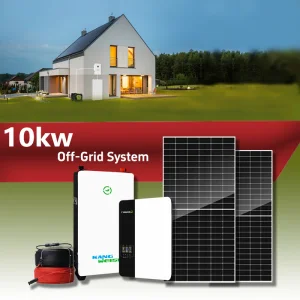
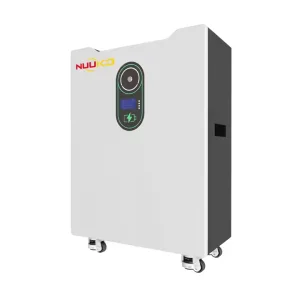
Explore our top-recommended residential energy storage units specifically designed to operate under erratic grid parameters and marine-tropical zones. Engineered for maximum cycle life and high ambient temperatures.
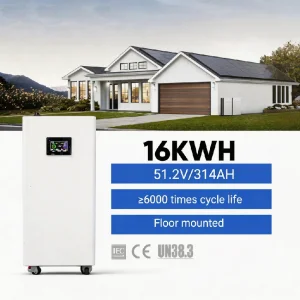
Equatorial Guinea faces a unique dichotomy in its power sector structure. The country is split geographically between the continental region (Río Muni) with its economic capital Bata, and the insular region (Bioko Island) housing the political capital Malabo. While the continental grid relies extensively on hydroelectric plants such as the Djibloho dam, it experiences severe seasonal generation variations during the dry seasons. Conversely, Bioko Island relies heavily on gas-fired thermal power plants. Both sectors, however, struggle with high transmission losses, aged distribution infrastructure, and localized grid instability.
In this challenging environment, Residential Energy Storage Systems (RESS) act as critical infrastructure. Homeowners and small businesses in high-end residential quarters (like Caracolas in Malabo or Baney) require autonomous energy backups to bypass frequent load shedding. With diesel prices rising and environmental regulations tightening, integrating smart LFP batteries with household solar systems is no longer a luxury—it is a strategic necessity for energy security.
Equatorial Guinea's humid, tropical rainforest climate poses serious risks to energy hardware. Average relative humidity consistently exceeds 80%, and temperatures average 25°C to 30°C year-round. This accelerates the degradation of internal battery components and promotes corrosion. For optimal longevity, local buyers must source lithium systems equipped with smart cooling, IP65-rated enclosures, and multi-tier Battery Management Systems (BMS) to handle both thermal loads and severe grid surges.
| Grid Parameter / Requirement | Standard Household Spec (Global) | Equatorial Guinea Custom Spec (Tropical Zone) | Strategic Advantage |
|---|---|---|---|
| Enclosure Protection | IP20 / IP21 (Indoor installation) | IP54 / IP65 (Anti-corrosion coated) | Prevents saline mist & humidity ingress in coastal cities |
| Operating Temperature | 0°C to 45°C (Standard cooling) | -10°C to 55°C (Active cooling & BMS control) | Guarantees system safety and limits capacity degradation |
| BMS Protections | Standard overcharge & discharge | Active balancing + high grid voltage surge protection | Protects LFP cells against volatile grid restarts |
| Import Logistics Target | Generic Sea Freight | Protected packaging (double-vacuum sealed) | Prevents moisture damage during deep-sea transit to Malabo/Bata |
Based in Hangzhou, Zhejiang Province, China, Hangzhou Symbion Energy Co., Ltd. has established itself as an industry pioneer in clean energy engineering. Since our founding in 2014, we have recognized that energy storage is not a "one-size-fits-all" product. Sub-Saharan African economies need robust, cost-effective, and smart solutions that can be easily customized through OEM/ODM partnerships.
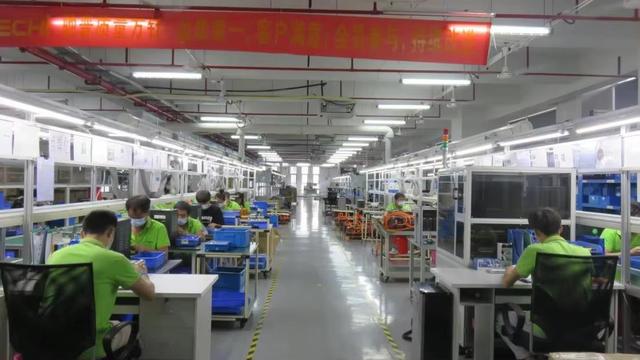
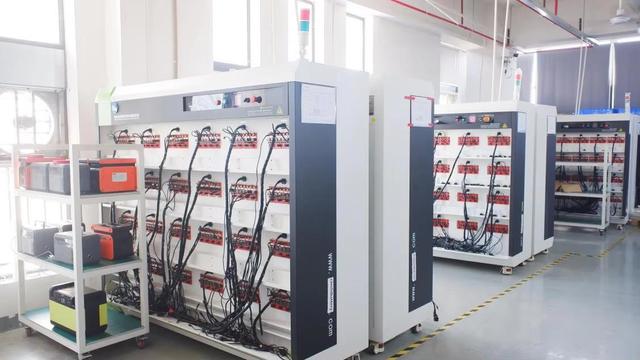
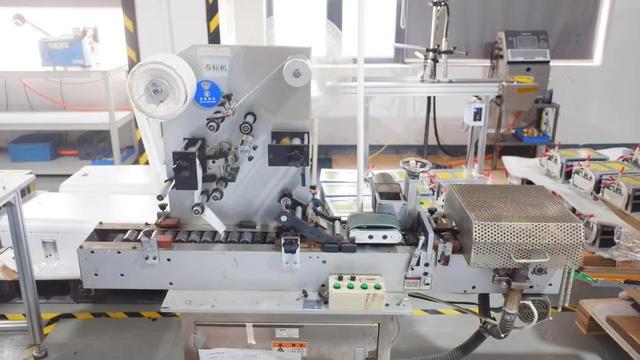
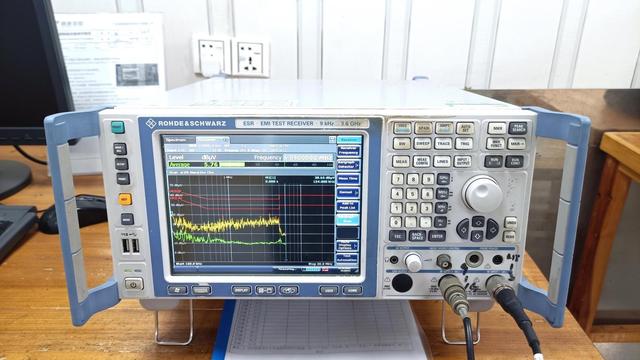
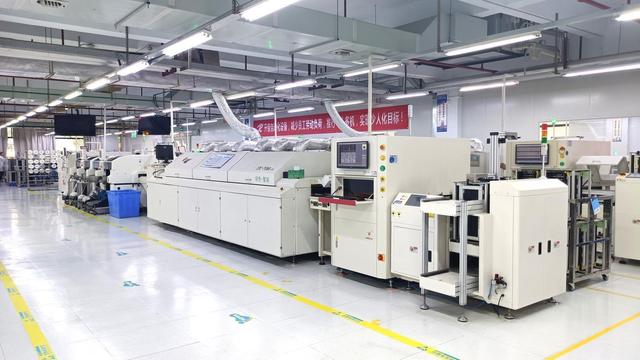
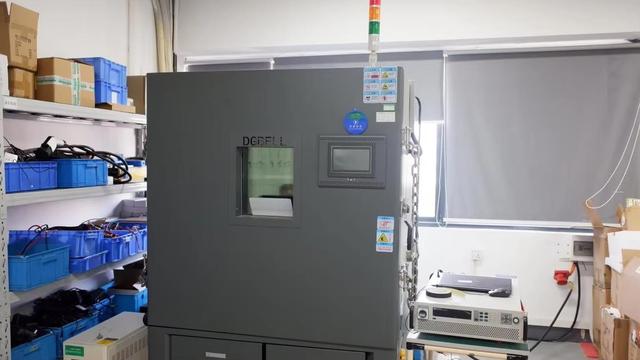
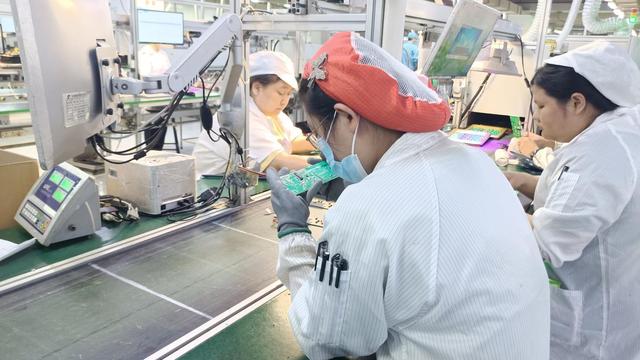
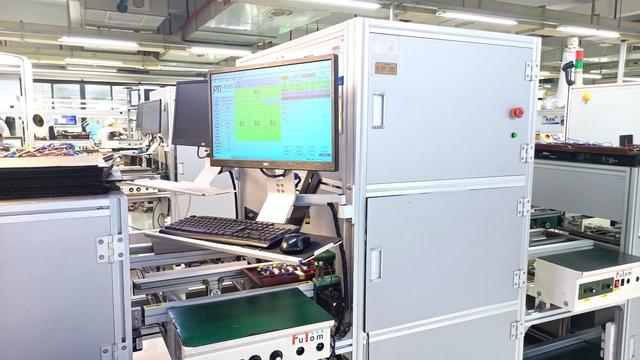
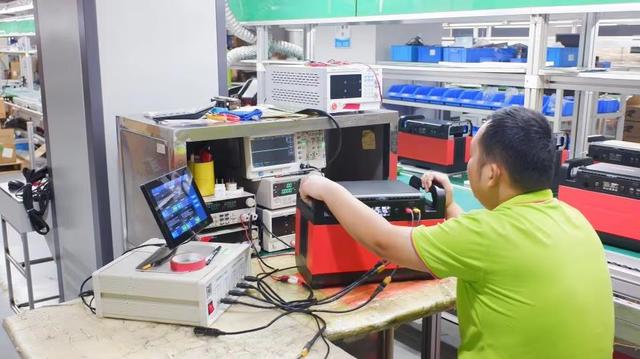
Symbion Energy runs multiple automated battery assembly lines, high-precision laser welding stations, and specialized environmental testing chambers where tropical scenarios can be modeled. By subjecting our ESS lines to rigorous testing (including high-temperature soak and deep discharge cycles), we guarantee that our products exported to Central African markets will deliver decades of reliable power.
Our strategic position in Hangzhou allows us to leverage China's primary lithium supply chain, ensuring that we use premium class-A LiFePO4 cells from top global producers. This translates to superior energy density, elevated safety parameters, and competitive pricing for African developers and importers.
We provide complete customization capabilities for Equatorial Guinea: from casing logo redesigns and software localization in Spanish and French, to modified input voltage tolerances that accommodate local grids. Whether you are an EPC contractor bidding on a government microgrid project in Annobón or a private home battery distributor in Malabo, we build custom enclosures, system capacities (from 5kWh home batteries to 500kWh C&I containers), and customized BMS integrations.
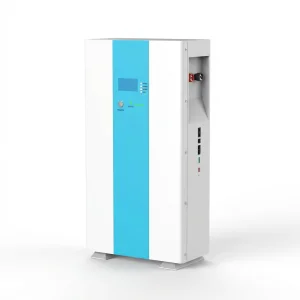
High-income areas in Malabo frequently suffer from brief blackouts and sudden voltage dips. Our 10kWh to 30kWh modular battery systems interface with existing solar panels to provide seamless power switching. When the central grid fails, the storage system transfers power within 10 milliseconds, keeping cooling systems, security grids, and communications active without interruption.
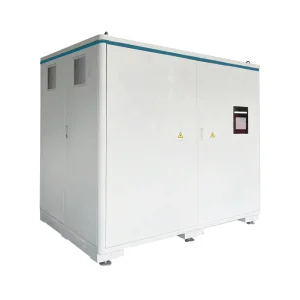
For isolated agricultural plantations and coastal villages in Río Muni, running heavy distribution lines is economically unfeasible. Large scale residential energy storage containers paired with high-capacity hybrid solar systems create localized mini-grids, offering rural communities a continuous, clean alternative to diesel generators.
Islands like Annobón and Corisco hold major ecological significance. Ecotourism operators require quiet, carbon-free energy systems. By deploying our high-voltage stackable battery systems, eco-lodges can run entirely on solar energy captured during daylight hours, ensuring tourists enjoy pristine, undisturbed nature with zero noise.
Sourcing large quantities of lithium batteries from China to Equatorial Guinea requires thorough regulatory and logistical execution. Batteries are classified as Class 9 dangerous goods, requiring specialized shipping containers and documentation. Hangzhou Symbion Energy handles all logistics complexities, guaranteeing safe and legal delivery of your systems.
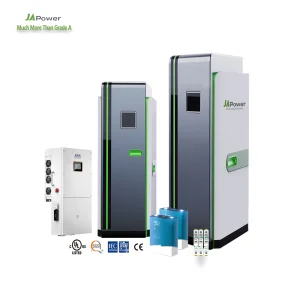
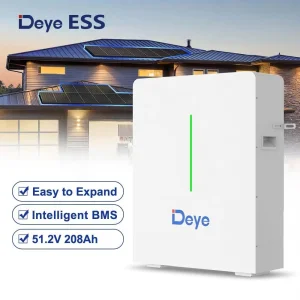
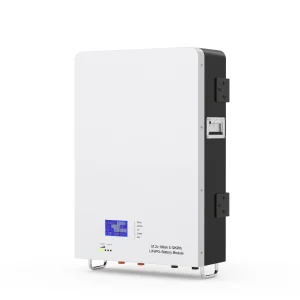
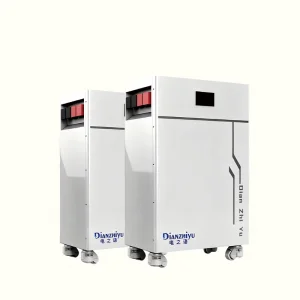
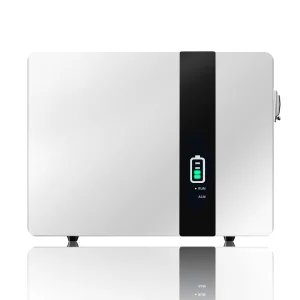
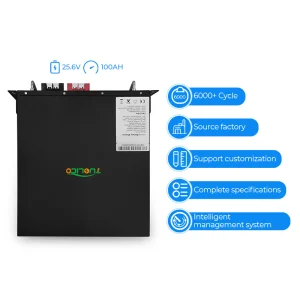
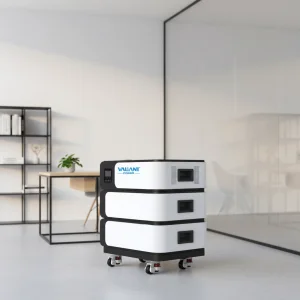
Find the perfect capacity and installation style for your local distribution network. All products feature high safety profiles, active BMS, and scalable configurations to meet high power needs.
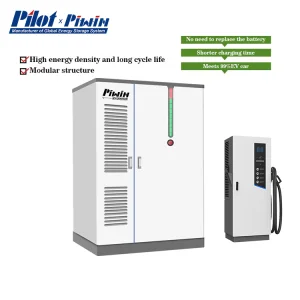
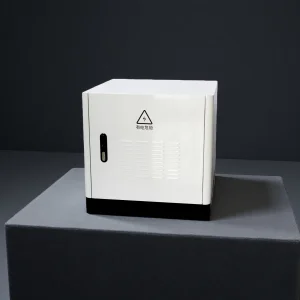
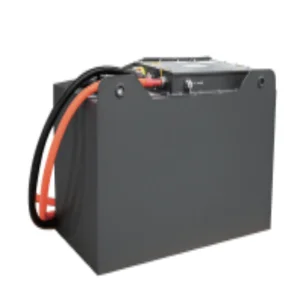
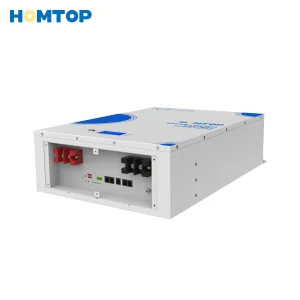
Get expert answers on sizing, local installation requirements, transport protocols, and product longevity in high-humidity climates.
Our residential solar storage systems are built with custom anti-corrosion components and specialized moisture protection. Circuits are coated with a protective layer (conformal coating) to prevent corrosion, and key product variants feature IP54 or IP65 ingress protection enclosures, stopping humid air from reaching sensitive electronics.
Lithium Iron Phosphate (LiFePO4 or LFP) offers much higher thermal stability than Nickel Manganese Cobalt (NMC). LFP does not release oxygen if damaged, minimizing thermal runaway risks in hot climates. Additionally, LFP cells deliver 6,000+ deep discharge cycles (up to 90% DoD) at higher operating temperatures, offering a longer lifespan and lower levelized cost of storage (LCOS) for users in Malabo and Bata.
Yes. We specialize in ODM and OEM customization. We can design and manufacture hybrid inverters and smart battery packs with wider input AC voltage windows (e.g., from 160V up to 275V) to prevent standard systems from constantly disconnecting or reverting to battery backup during standard voltage fluctuations.
We manage the entire dangerous goods shipping documentation flow. Batteries are certified to UN38.3 standards, packed in drop-tested boxes, and loaded onto specialized ocean vessels. We handle shipments to both the Port of Malabo and the Port of Bata, coordinating closely with local customs brokers to ensure compliance with national import laws.
For basic residential backup (lights, refrigeration, media devices), an 8kW inverter with a 10kWh to 16kWh LFP battery system is optimal. For larger homes running deep-well water pumps and multiple air conditioners, we recommend 12kW to 20kW three-phase systems paired with 20kWh to 30kWh of scalable cabinet battery storage.
We provide a comprehensive 5 to 10-year warranty (depending on the specific model and project parameters). Our smart BMS records real-time cell parameters, protecting the warranty by automatically regulating charging currents during extreme heat events.
Yes. Our residential inverters feature a dedicated auxiliary dry contact port for automated generator management. When the battery charge drops below a set threshold and solar generation is insufficient, the system automatically starts the generator to supply load and charge the batteries, turning off once target charge levels are restored.
Yes, all Symbion residential systems feature smart Wi-Fi/4G cloud monitoring tools. Installers and owners can view real-time state of charge (SoC), temperature profiles, and historical usage patterns through a mobile app or web portal, simplifying remote troubleshooting in regions with limited local technician access.
MOQ for residential systems starts at 5 to 10 units for standard configurations, and 1 container volume for full OEM/ODM branding. Standard payment is managed through telegraphic transfer (T/T), with alternative trade financing structures negotiable for established distributors and EPC firms.
Our battery cabinets are equipped with built-in surge protection devices (SPDs) and fast-acting fuses. In the event of a nearby lightning strike causing transient surges along grid lines or solar array wiring, the protection circuit isolates the internal battery cell matrix in nanoseconds, shielding your lithium investment.
 Symbion Energy