2026 Top Energy Storage Types for Renewable Energy?

Time:2026-10-19 Author:Liam
0%

Renewable power is growing, but sunlight and wind do not follow demand. Solar panels may produce surplus electricity at noon, while homes need more power after sunset. Wind output can also change within minutes. This is why is energy storage important for renewable energy: storage helps shift clean electricity, stabilize grids, and reduce dependence on backup generation. It makes renewable power more practical.

The 2026 energy storage landscape includes several strong contenders. Lithium-ion batteries remain widely used because they respond quickly and fit many projects. Pumped hydro offers long-duration storage where suitable terrain and water resources exist. Flow batteries may support frequent cycling with flexible capacity. Thermal storage can pair effectively with concentrated solar plants and industrial heat demand. Hydrogen may serve seasonal storage, although its efficiency and infrastructure challenges require careful evaluation.

No single technology wins everywhere. Site conditions matter. So do safety requirements, project duration, maintenance, and total lifetime cost. A battery near a busy city faces different needs than a pumped-hydro plant in a mountain valley. Real project experience also shows that forecasts can be wrong. Demand changes. Policies change. Equipment performance can vary.

This guide examines the leading energy storage types for renewable energy in 2026. It compares practical strengths, limitations, costs, response times, and environmental considerations. The goal is not to promote one solution. It is to help readers make informed decisions using transparent evidence, realistic assumptions, and professional judgment.
2026 Top Energy Storage Types for Renewable Energy?

What Energy Storage Means for Renewable Energy in 2026

In 2026, energy storage will determine how useful renewable power becomes. Solar panels may produce excess electricity at noon, while homes need more power after sunset. Storage shifts that energy across hours, improving reliability and reducing renewable curtailment.

Lithium-based systems remain practical for short-duration needs, especially near solar farms and urban substations. Pumped hydro can serve longer periods where geography, water access, and permitting allow it. Flow batteries, compressed-air systems, thermal storage, and renewable hydrogen may support larger time gaps. Each option has different costs, safety requirements, land impacts, and operating limits. No single technology fits every grid.

That gap matters. Storage also supports frequency control when wind output changes quickly. Grid planners must measure round-trip efficiency, degradation, response speed, and replacement needs. A system that looks affordable on paper may perform poorly in extreme heat or repeated daily cycling. Some projects will still overbuild storage without securing enough transmission capacity. That is a weakness worth admitting. Better results come from matching storage duration to local demand, weather patterns, and grid constraints. In practice, reliable renewable energy depends on coordinated generation, storage, forecasting, and careful maintenance. The technology is improving, but planning mistakes remain expensive.

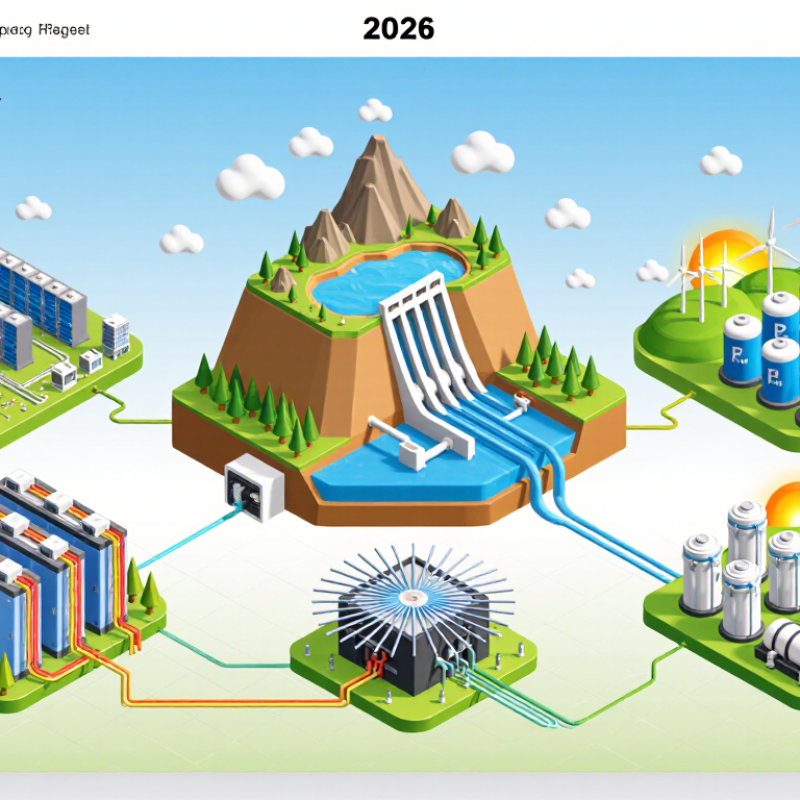
What this means for renewable energy in 2026: Lithium-ion systems provide the highest round-trip efficiency and are well suited to daily solar and wind balancing. Pumped hydro and compressed-air storage offer longer discharge durations for grid-scale needs, while flow batteries and thermal storage can support applications requiring extended operating periods. The figures show representative engineering values; actual performance varies by system design, site conditions, and operating strategy.

How Leading Energy Storage Technologies Work

2026 Top Energy Storage Types for Renewable Energy?

How Leading Energy Storage Technologies Work

Renewable power changes by the hour, so storage shifts electricity toward periods of higher demand.

Lithium-ion batteries store energy through reversible chemical reactions between two electrodes. During charging, ions move through an electrolyte; during discharge, electrons power the grid. They respond quickly and fit solar sites, homes, and short-duration backup systems. However, heat, aging, and raw-material supply still require careful management.

Pumped-hydro storage uses electricity to lift water into an upper reservoir. When power is needed, water flows downhill through turbines. It offers long service life, but geography, permits, and water availability can limit development.

Flow batteries store energy in liquid electrolytes held in separate tanks. Their power and energy capacity can be sized independently, which helps longer projects.

Thermal storage holds heat in materials such as molten salts, then releases it for industrial use or electricity generation.

Hydrogen systems use electricity to split water, store hydrogen, and later convert it back into power. Energy losses remain significant.

This matters.

Tips: Match storage duration to the renewable profile. Check round-trip efficiency, degradation, fire protection, maintenance access, and recycling plans. A battery sized only for peak output may underperform after cloudy weeks. Project assumptions need regular review. No technology wins every test.

Comparing Storage Types by Duration, Cost, and Efficiency

2026 Top Energy Storage Types for Renewable Energy?

Storage choices should match the renewable project’s time profile. Lithium-ion batteries usually deliver four hours or less. NREL’s 2024 Annual Technology Baseline reports typical round-trip efficiency near 85–90%. Costs have fallen sharply, but replacement planning remains important. The International Energy Agency reported that battery storage costs dropped about 90% between 2010 and 2023.

Pumped-storage hydropower suits multi-hour and daily balancing. It can provide roughly 70–85% round-trip efficiency and decades of service. However, construction needs suitable terrain, water access, and long permitting periods. Flow batteries offer longer discharge periods, often six to twelve hours. Their energy capacity can expand through larger tanks. Their efficiency is usually lower, near 65–85%, and project data remains less consistent. Hydrogen storage targets seasonal gaps, but power-to-power efficiency can fall below 40%. That loss is uncomfortable, yet seasonal storage may justify it where solar output changes sharply.

Tips: Compare delivered cost per megawatt-hour, not battery price alone. Include land, grid upgrades, degradation, and backup duration. Use published ranges, not optimistic guarantees. A four-hour battery may look cheapest today, but it can struggle during several cloudy days. IEA and NREL datasets improve confidence, though local labor and financing can change results. My practical concern is often overlooked: efficiency figures rarely capture every standby loss. Real projects can perform differently.

Where Each Storage Technology Fits in Renewable Power Systems

Renewable power systems need storage matched to their daily rhythm, not a fashionable technology list. Lithium-ion batteries fit solar farms that shift midday electricity into evening demand. They respond within milliseconds and need limited space. Their weakness is duration. Several cloudy days can expose their limits.

Pumped hydro suits regions with elevation, reservoirs, and suitable transmission access. It can store energy for many hours or longer, while supporting grid stability. However, construction may require years, extensive permits, and careful water management.

Flow batteries fit stationary sites needing frequent, deep cycling. Their separate power and energy components allow flexible sizing. They may serve longer discharge periods, but their tanks and pumps require meaningful space.

Compressed-air storage can support large, long-duration projects where underground formations are available. Thermal storage fits concentrated solar facilities and industrial users needing heat, not only electricity. Hydrogen may serve seasonal storage, remote power, and difficult industrial loads. Its conversion losses remain substantial. Engineers should measure them honestly. A design that looks efficient on paper may perform differently after weather, maintenance, and grid constraints appear. Storage selection also depends on fire protection, local geology, connection costs, and replacement schedules. Field experience shows that simple assumptions often fail. A smaller battery near a congested substation may outperform a larger remote system. That detail changes the answer.

How to Choose the Right Energy Storage Type for 2026 Projects

Choosing the right energy storage type for 2026 projects starts with the grid, not the technology label. The International Energy Agency reports that global energy storage capacity must reach about 1,200 GW by 2030 to support renewable expansion. That target makes careful project design essential.

Lithium-ion batteries suit solar farms needing two to eight hours of shifting. They respond quickly and use limited land, but high temperatures can accelerate degradation. A shaded container beside a substation may need active cooling and strict fire controls. Pumped-storage hydropower remains valuable for longer durations. It can provide many hours of dispatchable power, although suitable geography, water access, and lengthy permitting can restrict development. Thermal storage may fit concentrated solar or industrial heat projects better than electricity-only systems. Hydrogen storage deserves attention for seasonal balancing, but its conversion losses remain substantial.

Project teams should compare round-trip efficiency, usable duration, cycle life, degradation, safety, and end-of-life costs. The U.S. Department of Energy’s Energy Storage Grand Challenge emphasizes evaluating systems across performance, manufacturing, and lifecycle impacts. BloombergNEF’s 2024 energy storage cost analysis also shows that falling battery costs do not eliminate balance-of-system expenses. That detail is easy to miss. A cheaper battery can still produce an expensive project if grid upgrades, cooling, land, or replacement costs are underestimated. In practice, a modest four-hour system may outperform a larger design when revenues are uncertain. Forecasts are imperfect, and project assumptions should be stress-tested against cloudy weeks, curtailment, and changing market rules.

FAQS

Why is energy storage important for renewable power in 2026?

Storage moves electricity from sunny midday hours to evening demand. It can reduce wasted renewable generation and improve grid reliability. That matters.

Which storage technology fits short-duration solar shifting?

Lithium-based batteries often suit two to eight hours of daily shifting. They respond quickly and use relatively little land. High temperatures can accelerate degradation, so cooling and shade matter. Replacement costs should not be ignored.

When is pumped-storage hydropower a practical choice?

Pumped storage can balance electricity for many hours or entire daily cycles. It may operate for decades with proper maintenance. Projects need suitable terrain, water access, and lengthy approvals. Geography can end the discussion.

What are flow batteries useful for?

Flow batteries can support longer discharge periods, often around six to twelve hours. Larger tanks can increase energy capacity. Their efficiency is usually lower than lithium-based systems. Real project data remains uneven, which deserves caution.

Can hydrogen provide seasonal energy storage?

Hydrogen can store energy across longer seasonal gaps. This may help when solar output changes sharply during the year. Power conversion can waste more than half the original electricity. That loss is uncomfortable. Still, seasonal needs may justify it.

How should developers compare storage costs?

Compare delivered electricity costs, not battery prices alone. Include land, cooling, grid upgrades, degradation, maintenance, and replacement costs. A low-cost battery can still create an expensive project. Paper estimates often look cleaner than reality.

How does weather affect storage performance?

Cloudy weeks can create longer shortages than a four-hour system handles well. Extreme heat may reduce battery life and increase cooling demand. Wind changes can also require rapid frequency support. Forecasts are imperfect. Plans should be stress-tested.

Does higher efficiency always mean a better storage project?

No. Efficiency matters, but duration, location, reliability, and market needs matter too. Hydrogen may have low power-to-power efficiency but support seasonal storage. A modest system can outperform a larger design when revenues are uncertain. That conclusion may change.

Conclusion

In 2026, energy storage will be essential to making renewable power more reliable, flexible, and valuable. Why is energy storage important for renewable energy? Solar and wind generation can change with weather and time of day, while electricity demand remains continuous. Storage systems help balance these differences by saving surplus electricity and releasing it when renewable output falls. They can also support grid stability, reduce curtailment, and improve energy access in areas with limited infrastructure.

The leading storage options serve different needs. Batteries are well suited to fast response, daily cycling, and short- to medium-duration applications. Pumped hydro and other mechanical systems can provide large-scale, longer-duration storage, while thermal and hydrogen-based solutions may support extended energy shifting and difficult-to-electrify sectors. Comparing duration, cost, efficiency, location, safety, and operating conditions is essential when selecting a technology. The right choice for a 2026 renewable energy project should match its generation profile, demand pattern, grid requirements, environmental conditions, and long-term financial goals.

Liam

Liam

Liam is a dedicated marketing professional with a profound expertise in the industry, where he excels at highlighting the unique advantages of our core products. With a keen understanding of market trends and consumer needs, Liam frequently updates our company’s professional blog, providing......