Maintaining China’s best battery energy storage systems requires more than checking voltage readings. It demands disciplined routines, qualified technicians, and careful attention to local operating conditions. Temperature, humidity, dust, grid instability, and cycling frequency can quietly reduce battery life. A reliable maintenance plan should explain how to maintain a battery energy storage system from commissioning through daily operation.
Dr. Imre Gyuk, a respected energy storage specialist, has said, “Energy storage is the key to unlocking the full potential of renewable energy.” His observation highlights an important responsibility. Storage assets must remain dependable when renewable generation changes quickly. Technicians should inspect battery racks, busbars, connectors, cooling equipment, inverters, and fire detection devices. They should also review battery management system alarms and compare cell-level data over time. Small differences matter. A single warmer module may reveal airflow problems or developing resistance.
Good maintenance combines scheduled inspections with condition-based monitoring. Keep enclosure doors sealed, filters clean, and firmware records current. Check emergency stops and communication links without disrupting safe operations. Follow the manufacturer’s procedures and qualified local requirements. Never treat an alarm as a nuisance.
Still, no maintenance plan is perfect. Dust can return quickly. Sensors can drift. Human records can contain mistakes. That is why teams should photograph unusual conditions, verify measurements, and review failed assumptions after every service visit. China’s strongest systems are not maintained by hardware alone. They depend on evidence, trained judgment, and the willingness to correct weaknesses before they become expensive failures.
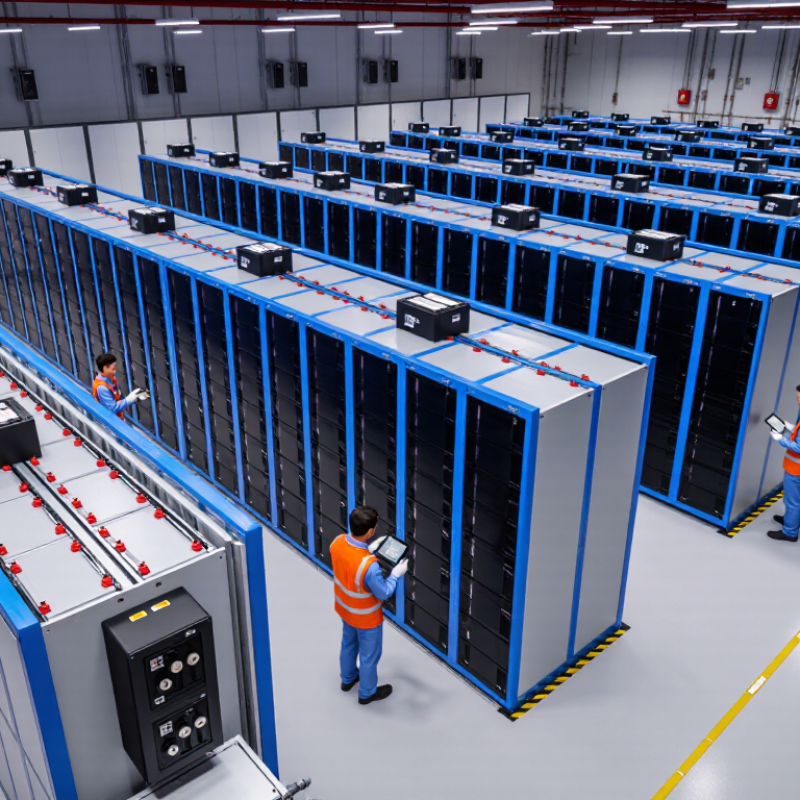
China’s best battery energy storage systems depend on integrated components, not battery cells alone. High-quality lithium iron phosphate cells offer stable cycling and predictable thermal behavior. However, cell consistency matters more than impressive capacity claims. A small voltage difference can grow during repeated charging and discharging.
The battery management system, or BMS, monitors voltage, temperature, current, and state of charge. It should balance cells and disconnect unsafe operating conditions quickly.
The power conversion system controls the movement between direct and alternating current. Its response affects efficiency, grid stability, and equipment life.
An energy management system adds scheduling, load control, and remote diagnostics. These systems must communicate accurately.
Thermal management is often underestimated. Air cooling may suit smaller cabinets, while liquid cooling can control heat more evenly. The enclosure needs sealed cable entries, corrosion resistance, drainage, and clear service access.
Fire detection, ventilation, isolation devices, and emergency controls require careful design.
During maintenance, technicians should inspect terminals, filters, sensors, firmware records, and unusual temperature patterns. A clean cabinet is not always a healthy cabinet. Hidden connector resistance can still create heat.
Reliable maintenance also requires tested measurements, documented procedures, and trained personnel. Independent certification and factory acceptance testing can strengthen confidence, but paperwork cannot replace field verification.
I have found that simple inspection habits often reveal more than complex dashboards. Even strong systems can be improved. Seasonal temperature changes, dust, software updates, and inaccurate sensors deserve regular review.
A safe maintenance schedule begins before the battery system starts operating. The IEA’s 2024 Batteries and Secure Energy Transitions report estimates that global battery storage must reach about 1,200 GW by 2030. Larger fleets demand disciplined maintenance, not occasional repairs. Record ambient temperature, state of charge, alarm history, and ventilation conditions every day. Keep it simple.
Inspect cabinets, cable glands, doors, and cooling units each week. Look for swelling, corrosion, unusual noise, moisture, or blocked airflow. Review battery management system data monthly. Compare cell voltage differences, temperature spread, insulation warnings, and charging patterns. A small imbalance may reveal a failing module earlier than a visible defect. The U.S. Energy Information Administration reported approximately 21.6 GW of utility-scale battery capacity in operation in 2024, showing why consistent monitoring now matters at scale.
Perform thermal imaging, torque checks, grounding tests, and emergency-stop verification quarterly. Use trained technicians and calibrated instruments. Schedule deeper capacity and insulation testing annually, following the system manual and local safety requirements. Separate maintenance from live operation whenever possible. Never bypass alarms to keep dispatch available. That shortcut may save minutes and create months of damage.
Maintenance records should include photographs, sensor trends, corrective actions, and the technician’s name. Review repeated alarms with the engineering team, rather than closing them as “normal.” A perfect schedule does not exist. Weather, workload, and installation quality can change the risk. Reassess the plan after extreme heat, flooding, firmware changes, or any abnormal shutdown.
How to Maintain China Best Battery Energy Storage Systems?
Reliable battery energy storage begins with disciplined field inspection. The IEA’s 2024 Batteries and Secure Energy Transitions report states that global battery storage capacity must expand sixfold by 2030. That growth makes maintenance quality more important. Record cell voltage, module temperature, state of charge, and alarm history during every visit. A small voltage difference may indicate imbalance, aging, or a weak connection. Do not trust software alone. Compare monitoring data with handheld measurements and recent operating records.
Electrical connections deserve careful attention. Technicians should check cable torque, oxidation, insulation resistance, grounding, and signs of heat discoloration. Loose terminals can create resistance and localized heating. Enclosure checks are equally practical. Look for damaged seals, water marks, dust buildup, blocked vents, and unusual odors. The National Fire Protection Association highlights inspection, separation, detection, and emergency planning in NFPA 855. A clean enclosure is not automatically a safe enclosure.
Tips: Photograph each cabinet before and after service. Use calibrated instruments. Verify torque values against the equipment manual. Check temperature sensors near cable glands and busbars. Keep drainage paths clear. Review repeated alarms, even when they disappear. A checklist helps, but it can miss changing conditions. Maintenance teams should question normal readings when the cabinet feels warmer than its neighbors. That small doubt may deserve investigation.
Reference maintenance cadence for lithium-ion battery energy storage systems, covering battery performance, electrical connections, and enclosure conditions. Site procedures and manufacturer requirements should always take priority.
Interpretation: Review operating data frequently, inspect electrical connections at planned intervals, check enclosure and environmental protection systems regularly, and perform a full capacity or performance assessment at least annually. Any abnormal temperature rise, voltage imbalance, corrosion, loose connection, or water ingress requires immediate investigation.
Thermal control is the first maintenance priority in battery energy storage systems. Keep cells within the approved operating range, often near 15–30°C. Uneven temperatures accelerate degradation and increase safety risks. The International Energy Agency reports that global energy storage capacity must rise sixfold by 2030. That growth makes disciplined cooling essential, not optional. Inspect filters, fans, coolant lines, and cabinet seals every month. A blocked vent can create a hot corner within hours. Yet temperature sensors are imperfect. One cool reading may hide a hot cell.
Battery balancing protects usable capacity. The battery management system should compare cell voltage, temperature, and state of charge continuously. Small voltage differences can expand during repeated high-power cycles. Schedule balancing after commissioning, firmware updates, and unusual alarms. Record cell-level trends, not only rack averages. The U.S. Department of Energy notes that battery performance depends strongly on operating conditions and cycling patterns. Operators should therefore review charge limits during seasonal changes. A simple spreadsheet can reveal drift early. Do not trust automation blindly.
System software connects these controls. Use authenticated access, version-controlled settings, and clear alarm priorities. Software should coordinate cooling, charging, dispatch, and emergency shutdowns. Test backup communications during planned maintenance. The National Renewable Energy Laboratory identifies round-trip efficiency as a key storage performance metric; poor thermal control and inaccurate state estimates reduce it. Field teams should compare reported energy with meter data each month. Perfect data rarely exists. That weakness deserves attention. Calibration records, incident logs, and technician feedback can turn small anomalies into practical maintenance decisions.
Maintaining China’s best battery energy storage systems begins with disciplined troubleshooting, not immediate part replacement. Record alarms, cell voltages, cabinet temperatures, charge cycles, and recent weather conditions. A sudden capacity drop may come from sensor drift, poor ventilation, loose terminals, or uneven cell balancing. Check the simple causes first. Always isolate electrical hazards under approved procedures, and use calibrated instruments. Never rely only on the monitoring screen.
Repair plans should rank problems by safety, performance, and recurrence. Inspect cable lugs for heat marks, cooling filters for dust, and battery enclosures for moisture. Compare readings across racks instead of judging one value alone. If a cooling fan fails repeatedly, replacing the fan may not solve the underlying airflow problem. The enclosure design might need review. That detail is easy to miss. Document every repair with photographs, test results, torque readings, and the technician’s name. Clear records improve accountability and future diagnosis.
Upgrades should match the system’s real operating profile. A larger inverter cannot correct degraded cells or weak thermal management. Review usable capacity, response time, fire protection, software compatibility, and grid requirements before approving changes. Replacement becomes more reasonable when capacity remains low after balancing, faults return after qualified repairs, or spare parts are unavailable. Set trigger points in advance, such as sustained capacity below the project threshold. Leave room for judgment. Field conditions are rarely perfect. A cautious replacement plan can prevent rushed purchasing and unexpected downtime.
Keep cells near 15–30°C, unless the system specifies another approved range. Inspect filters, fans, coolant lines, and cabinet seals monthly. A blocked vent can create a hot corner within hours.
Uneven temperatures accelerate cell degradation and increase safety risks. One cool sensor reading may hide a hotter cell. Compare several sensors and cabinet locations.
Monitor cell voltage, temperature, and state of charge continuously. Schedule balancing after commissioning, software updates, and unusual alarms. Record cell-level trends, not only rack averages.
No. Review automated decisions against meter readings and inspection records. A simple spreadsheet can reveal gradual voltage drift. Automation helps, but it can miss important details.
Record alarms, cell voltages, cabinet temperatures, charge cycles, and recent weather conditions. Include photographs, test results, torque readings, and technician details. Never rely only on the monitoring screen.
Check sensor drift, blocked ventilation, loose terminals, moisture, and uneven balancing. Inspect cable lugs for heat marks and filters for dust. Small causes matter.
Repeated fan failures may indicate poor airflow or enclosure problems. Replacing the fan alone may not solve the issue. Review airflow paths and cabinet design.
Replacement may be appropriate when capacity stays low after balancing and qualified repairs. Recurring faults or unavailable spare parts also matter. Set capacity thresholds before problems become urgent. Judgment remains necessary.
Maintaining a battery energy storage system requires a structured approach that covers its main components, including battery modules, power conversion equipment, monitoring devices, cooling systems, and protective enclosures. The first step is to create a safe and effective maintenance schedule with regular inspections, performance checks, cleaning, and documented service records. Technicians should examine battery capacity, voltage consistency, electrical connections, wiring, ventilation, and enclosure conditions to identify early signs of wear, overheating, corrosion, or physical damage.
To understand how to maintain a battery energy storage system, operators must also manage temperature, support battery balancing, and keep control software properly updated. Alarm notifications and monitoring data should be reviewed frequently to detect abnormal behavior. When problems occur, the system should be isolated and assessed according to established safety procedures. Timely troubleshooting, professional repairs, planned component upgrades, and proper replacement of aging parts can improve reliability, extend service life, and help maintain stable energy performance.
