Energy storage deployment is critical for modern energy strategies. With the rise of renewable energy, the need for effective storage solutions has never been greater. But what are the key considerations for energy storage deployment? Understanding this is essential for optimizing investments and technology choices.
Successful energy storage involves a design that meets specific needs. Factors like cost, scalability, and system efficiency play important roles. In real-world scenarios, the integration of renewable sources must align with storage capabilities. Additionally, regulatory frameworks and market dynamics can impact decisions significantly.
Overall, energy storage is not without challenges. The technology landscape evolves rapidly, making it hard to choose the right system. Keeping an eye on performance metrics is essential, yet many often overlook maintenance requirements. Reflecting on these aspects can illuminate paths to more effective energy storage solutions.
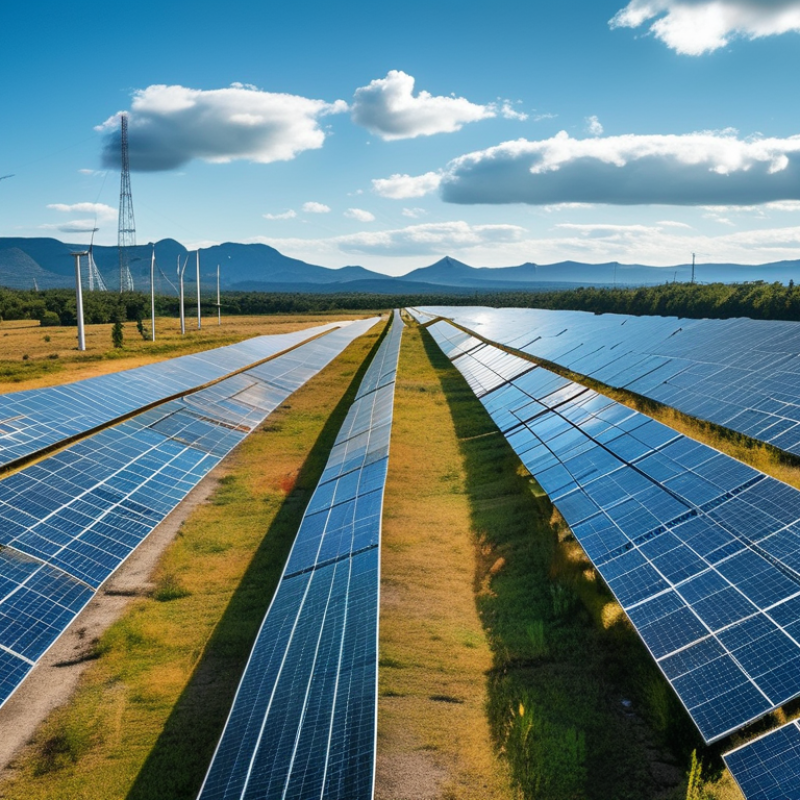
Energy storage plays a crucial role in modern power grids. As renewable sources like wind and solar become more integrated, the demand for reliable energy storage systems grows. According to a report by the International Energy Agency (IEA), energy storage capacity is expected to reach 400 GWh by 2040. This increase is necessary for managing supply and demand fluctuations. Modern grids must adapt to these dynamics to ensure reliability.
The operational flexibility provided by energy storage can enhance grid stability. A study from the U.S. Department of Energy shows that energy storage can reduce the frequency of grid disturbances by up to 30%. It allows for the absorption of excess energy during peak production and release during high demand. This balancing act is essential for achieving a resilient grid.
However, challenges remain. The initial costs of deploying large-scale energy storage systems can be prohibitive. Experts point out that many storage technologies are still in their infancy. Issues with efficiency, lifespan, and environmental impact require careful consideration. Addressing these concerns is vital for promoting widespread adoption.
Energy storage technologies play a crucial role in modern energy systems. Each technology has distinct features that make it suitable for various applications. Lithium-ion batteries are widely recognized for their efficiency and lightweight nature. They are often used in electric vehicles and residential energy systems. However, their performance can degrade over time, leading to concerns about longevity and environmental impact.
Flow batteries present a different approach. These systems store energy in liquid electrolytes, allowing for scalability and longer cycle life. They can be ideal for grid applications where long-duration energy storage is needed. Yet, they tend to have lower energy density compared to lithium-ion batteries. This trade-off requires careful evaluation based on specific energy needs.
Compressed air energy storage (CAES) is another option, employing air compression to store energy. It's particularly effective for large-scale installations. However, CAES systems can face efficiency challenges, especially in energy conversion. As energy storage continues to evolve, stakeholders must weigh these factors. The right technology must align with strategic energy goals and local infrastructure. This decision-making process requires expertise and an understanding of each technology's capabilities and limitations.
Economic viability and cost-effectiveness are crucial for energy storage deployment. Understanding the overall costs and potential savings is essential. Initial investment can be high, but long-term savings often justify this expense. Evaluating the life cycle costs ensures that all financial aspects are covered, from installation to maintenance.
Analyzing various storage options helps identify the best fit for a specific application. Consider energy density, efficiency, and required infrastructure. Each technology has its unique costs associated with production and end-of-life disposal. An informed choice can significantly impact overall project feasibility.
Take time to compare financing options. Grants, loans, and incentives can reduce upfront costs. Engage with financial experts to understand different funding avenues. They can provide insights into potential return on investment. Staying informed about technological advancements helps refine choices. Some solutions may seem promising but may not hold up financially over time. Investing resources into research can ultimately lead to better decisions and outcomes.
This chart illustrates the cost-effectiveness of different energy storage solutions based on their initial investment, operational costs, and lifecycle savings. The comparative analysis includes four common types of energy storage technologies.
Regulatory and policy frameworks play a critical role in the successful deployment of energy storage systems. Governments worldwide are establishing guidelines that directly impact investment and operational functions. Clear and supportive policies can drive growth in this sector. In contrast, outdated or unclear regulations can stifle innovation. For instance, where regulations favor renewable energy, energy storage technologies gain traction.
An effective regulatory framework should balance the needs of various stakeholders. This includes consumers, energy producers, and utility companies. Polices that incentivize energy storage installations can lower costs and improve grid resilience. However, there are barriers that must be addressed. Complex permitting processes or restrictive interconnection standards can slow down project deployment. Addressing these issues will require ongoing dialogue among policymakers and industry leaders.
Moreover, financial incentives, such as grants or tax incentives, are essential. They encourage early-stage investments and innovation. However, these incentives often fluctuate, causing uncertainty. Investors may hesitate to commit resources if they perceive a lack of stability. This creates a paradox where the need for rapid deployment clashes with regulatory unpredictability. Engaging stakeholders in the regulatory process is vital to create a more cohesive framework that supports energy storage initiatives.
| Consideration | Description | Impact Level | Examples of Impacts |
|---|---|---|---|
| Regulatory Compliance | Adherence to local, state, and federal regulations | High | Penalties for non-compliance |
| Incentive Structures | Availability of tax credits, rebates, and grants | Medium | Increased project viability |
| Interconnection Standards | Guidelines for connecting storage systems to the grid | High | Delays or rejections of interconnection requests |
| Market Participation | Opportunity for energy storage to participate in energy markets | High | Revenue generation from energy sales |
| Safety Regulations | Standards to ensure safe operation of energy storage systems | Medium | Preventing accidents and liabilities |
| Environmental Impact Assessments | Evaluation of environmental consequences of deployment | Medium | Mitigation of potential negative effects |
| Public Acceptance | Community support and stakeholder engagement | High | Smooth project implementation |
| Technological Advancements | Integration of cutting-edge storage technologies | Medium | Better efficiency and lower costs |
| Funding Availability | Access to capital for energy storage projects | High | Feasibility of large-scale deployments |
| Long-term Planning | Strategies for future energy needs and system integration | High | Ensuring sustainability and reliability |
The deployment of energy storage systems must address environmental and social impacts. A study by the International Renewable Energy Agency (IRENA) revealed that these systems could reduce greenhouse gas emissions by up to 30% in certain regions. However, the environmental footprint of battery production needs careful analysis. Lithium extraction, for example, can deplete water resources and harm local ecosystems. These concerns necessitate thorough environmental assessments before any installation.
Community engagement plays a critical role in successful energy storage projects. Local populations may have valid concerns about land use and potential disruptions. Research shows that projects with community support are 50% more likely to succeed. Addressing social implications, such as job creation and equitable access to benefits, helps in building trust. Transparent communication about project goals is essential.
Mitigation strategies, like using recycled materials and sustainable sourcing, can alleviate negative impacts. Furthermore, ongoing monitoring is crucial to ensure compliance with environmental standards. As the industry grows, addressing these challenges will be vital for fostering sustainable energy solutions. Engaging experts and stakeholders throughout the process can lead to better outcomes for both people and the planet.
: Main types include lithium-ion batteries, flow batteries, and compressed air energy storage.
They are efficient and lightweight, making them popular for electric vehicles and homes.
Flow batteries use liquid electrolytes and offer scalability but have lower energy density.
CAES can struggle with efficiency during energy conversion, limiting its overall effectiveness.
It helps evaluate costs and potential savings, ensuring projects are financially sound.
Consider energy density, efficiency, initial costs, and required infrastructure for effective selection.
Projects with local support are more likely to succeed, addressing concerns about land use.
Battery production, like lithium extraction, can harm ecosystems and deplete water resources.
Use recycled materials, sustainable sourcing, and conduct thorough environmental assessments.
Ongoing monitoring, community involvement, and transparent communication are crucial for success.
The deployment of energy storage systems is becoming increasingly vital for enhancing the reliability and efficiency of modern power grids. In exploring what are the key considerations for energy storage deployment, a comprehensive understanding of the various energy storage technologies and their specific applications is fundamental. This includes assessing the economic viability and cost-effectiveness of different solutions, as well as the regulatory and policy frameworks that play a crucial role in shaping deployment strategies.
Additionally, it is essential to identify and mitigate potential environmental and social impacts associated with energy storage projects. This multifaceted approach ensures that energy storage not only meets technical and economic goals but also aligns with sustainable development objectives, paving the way for a more resilient energy future.
