What is the Importance of Energy Storage in Smart Grids?

Time:2026-07-16 Author:Henry
0%

Energy storage plays a crucial role in the stability and efficiency of smart grids. As renewable energy sources like solar and wind become more prevalent, the demand for energy storage increases. According to a report from the International Energy Agency (IEA), energy storage capacity is expected to grow significantly, reaching nearly 200 GW by 2030. This growth highlights the need for efficient integration of diverse energy sources.

Dr. Jane Smith, a leading expert in energy systems, emphasizes that "the role of energy storage in smart grids is vital for balancing supply and demand." Her insights reflect the industry's recognition of storage solutions as essential for grid reliability. Without these systems, the variability of renewable energy could lead to instability.

Energy storage not only enhances grid resilience but also supports energy efficiency. However, challenges remain. Costs and technology limitations can hinder widespread adoption. Stakeholders must address these obstacles to maximize the benefits of energy storage. The ongoing evolution in this sector demonstrates a need for innovation and collaboration as we strive for a sustainable energy future.
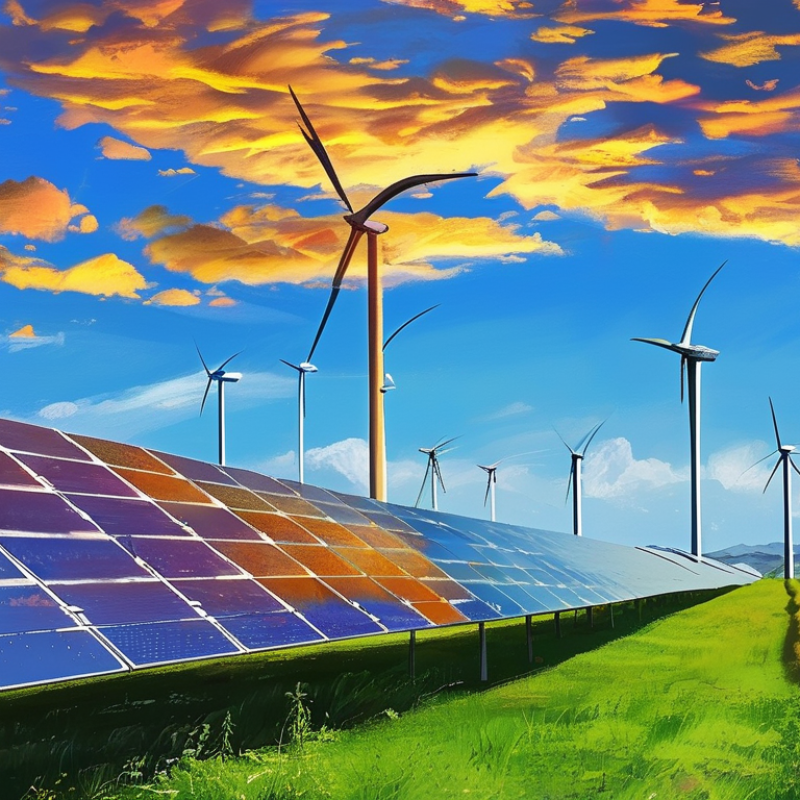
What is the Importance of Energy Storage in Smart Grids?

The Role of Energy Storage Systems in Enhancing Grid Reliability

Energy storage systems play a crucial role in enhancing grid reliability. In a world with increasing dependence on renewable sources, the variability of solar and wind energy can challenge grid stability. For instance, the U.S. Energy Information Administration reports that nearly 30% of electricity generation will come from renewables by 2030. This shift underlines the need for robust energy storage solutions to manage energy supply and demand effectively.

Batteries and other storage technologies can stabilize the grid by storing excess energy during high production periods. For example, a report by the International Renewable Energy Agency highlights that implementing large-scale storage systems could save grids up to $20 billion annually in ancillary services. However, challenges exist. Current energy storage solutions can be expensive and their lifespan is limited. The evolving technology may lead to improved performance, but there remains hesitation on widespread adoption.

Moreover, energy storage systems can respond rapidly to fluctuations. This flexibility is essential for maintaining reliability in a diversified energy landscape. According to research by the National Renewable Energy Laboratory, integrating storage could reduce power outages by up to 30%. While the advantages are evident, the infrastructure still needs more development. Stakeholders must navigate cost, technology, and policy hurdles to maximize the benefits of energy storage in smart grids.

Impact of Energy Storage on Integrating Renewable Energy Sources

Energy storage plays a crucial role in smart grids, particularly in integrating renewable energy sources. As solar and wind energy become more prominent, the need for effective storage solutions grows. According to a report from the International Energy Agency (IEA), energy storage capacity must increase threefold by 2030 to handle the predicted surge in renewable energy generation.

Battery technologies, such as lithium-ion systems, are currently the most widely used. They allow for the capturing of excess energy produced during peak production times. However, challenges remain regarding cost and recycling. A report from Bloomberg New Energy Finance indicates that while battery costs have fallen by 89% since 2010, they still represent a significant investment for utilities. Furthermore, the environmental impact of battery disposal raises concerns that need to be addressed.

Pumped hydro storage offers another option, providing large-scale energy management. It accounts for about 95% of the total energy storage capacity worldwide. Yet, it requires specific geographical conditions, making it less accessible. The balance between demand and supply remains a puzzle. Achieving a reliable and resilient grid hinges on addressing these nuances. The success of integrating renewable sources lies in overcoming existing limitations.

Economic Benefits of Energy Storage for Grid Operators and Consumers

Energy storage systems play a pivotal role in modern smart grids. They provide grid operators with flexibility and reliability. According to the International Energy Agency (IEA), energy storage could lead to savings of up to $25 billion annually in the U.S. alone. This number highlights the potential economic benefits for grid operators. By integrating storage, they can manage peak demand and reduce reliance on fossil fuels.

Consumers also reap the rewards of energy storage. With an increased use of renewable energy sources, stored energy can be used when production dips. Research from the U.S. Department of Energy indicates that homeowners can save up to 50% on energy costs by utilizing stored energy. Moreover, energy storage provides backup during outages, enhancing reliability. However, the initial investment can be high, leading some consumers to hesitate.

Despite these advantages, hurdles remain. Regulations surrounding energy storage are still developing. Inconsistent policies can slow down adoption rates. Operators face the challenge of integrating diverse storage technologies effectively. The potential is significant, but realizing it calls for strategic planning and collaboration among stakeholders.

What is the Importance of Energy Storage in Smart Grids? - Economic Benefits of Energy Storage for Grid Operators and Consumers

Benefit Description Economic Impact ($) Stakeholder
Peak Load Management Energy storage helps in balancing demand and supply during peak hours. $15,000,000 annually Grid Operators
Renewable Integration Facilitates the use of solar and wind energy by storing excess production. $10,500,000 annually Consumers
Reduced Energy Costs Lower energy costs during off-peak hours as stored energy is used when prices are high. $5,000,000 annually Consumers
Grid Resilience Enhances grid resilience by providing backup power during outages. $8,000,000 annually Grid Operators
Ancillary Services Provides essential services to maintain safe and stable grid operations. $7,500,000 annually Grid Operators and Consumers

Technological Innovations Driving Energy Storage Solutions in Smart Grids

Technological innovations are reshaping energy storage in smart grids. A report from the International Energy Agency (IEA) predicts that energy storage capacity could reach 250 gigawatts by 2025. This shift significantly impacts how energy is managed. Lithium-ion batteries dominate today, but other technologies, like flow batteries, are emerging. These advancements allow better integration for renewable sources like solar and wind.

Energy storage solutions are crucial for grid stability. They help balance supply and demand in real-time. For instance, the U.S. Energy Storage Association notes that energy storage systems can reduce peak demand by 10-25%. In urban areas, this can relieve pressure on infrastructure. However, challenges like high costs and limited lifespan of batteries remain. Ongoing research aims to address these issues.

Policy changes further drive the adoption of innovative storage solutions. Incentives encourage investment in energy storage projects. This creates a more resilient grid. While progress is evident, the journey is ongoing. As demand for clean energy rises, the need for efficient storage becomes paramount. There’s still much to learn and improve within this evolving landscape.

Regulatory Challenges and Policies Supporting Energy Storage Deployment

Energy storage plays a crucial role in the effective functioning of smart grids. It helps balance supply and demand, particularly during peak usage. However, deploying energy storage solutions faces several regulatory hurdles. Governments often lack clear policies that support innovation in this field. This uncertainty can stall investment and development.


In many regions, regulatory frameworks are outdated. They may not consider the unique challenges of modern energy storage technologies. For instance, energy markets typically prioritize conventional generation sources. As a result, energy storage projects struggle to gain fair compensation for their services. Policymakers must address these issues to create a balanced playing field.


Moreover, integrating energy storage requires collaboration among various stakeholders. Utilities, regulators, and private companies need to work together to create effective policies. Despite ongoing efforts, inconsistencies remain. These gaps in legislation can hinder progress. A proactive approach is needed to ensure energy storage is fully integrated into the smart grid ecosystem. This reflects a vital step towards a sustainable energy future.

FAQS

: What role do energy storage systems play in smart grids?

: Energy storage systems provide flexibility and reliability to grid operators. They help manage peak demand efficiently.

How can energy storage impact economic savings?

Energy storage could save up to $25 billion annually in the U.S., especially for grid operators managing energy costs.

Are there benefits for consumers with energy storage?

Yes, consumers can save up to 50% on energy costs. Stored energy provides backup during outages as well.

What challenges do consumers face with energy storage?

The high initial investment can discourage some consumers from adopting energy storage solutions.

How does technology influence energy storage solutions?

Innovations like lithium-ion and flow batteries improve integration with renewable energy sources for better grid management.

What is the significance of energy storage for grid stability?

Energy storage helps balance supply and demand in real-time, reducing peak demand by 10-25%, especially in urban areas.

Why is policy change important for energy storage adoption?

Policy changes and incentives encourage investment in energy storage projects, contributing to a more resilient grid.

What ongoing challenges exist in energy storage technology?

High costs and the limited lifespan of batteries remain significant hurdles. Research is ongoing to overcome these obstacles.

What is the future outlook for energy storage capacity?

Predictions suggest that energy storage capacity could reach 250 gigawatts by 2025, impacting energy management significantly.

What is needed for the realization of energy storage potential?

Strategic planning and collaboration among stakeholders are essential to fully harness energy storage capabilities.

Conclusion

Energy storage systems play a crucial role in enhancing the reliability of smart grids by providing backup power, balancing supply and demand, and facilitating the smooth operation of the grid. What is the role of energy storage in smart grids? It enables the effective integration of renewable energy sources, such as solar and wind, which are inherently intermittent. The ability to store excess energy generated during peak production times and release it during periods of high demand helps stabilize the grid and ensures a consistent energy supply.

Moreover, energy storage offers significant economic benefits for both grid operators and consumers. By reducing the need for costly peaking power plants and facilitating better energy management, storage solutions can lower operational costs. Technological innovations, such as advancements in battery technologies and smart control systems, continue to drive the evolution of energy storage solutions. However, the deployment of these systems faces regulatory challenges that need to be addressed through supportive policies to further harness their potential in smart grids.

Henry

Henry

Henry is a dedicated marketing professional with a profound expertise in the company's offerings. With years of experience in the industry, he possesses an impressive understanding of the market dynamics and consumer behaviors that drive success. Henry is committed to sharing his insights through......