Understanding how long do energy storage systems last is crucial for consumers and businesses alike. These systems play a vital role in enhancing energy efficiency. They store energy for later use, which can help in managing supply and demand effectively. However, their longevity varies based on several factors, including usage patterns and environmental conditions.
Many users expect these systems to last indefinitely, but that's often not the case. Recharge cycles and maintenance can significantly impact their lifespan. Industry experts emphasize that regular assessments and updates are key to maximizing performance. Consumers should pay close attention to manufacturers' guidelines for optimal use.
The real challenge lies in balancing initial investment with long-term benefits. Some may overlook the potential for degradation over time. Understanding replacement timelines is essential for planning. To truly optimize energy storage solutions, one must consider both technical specifications and practical reality.
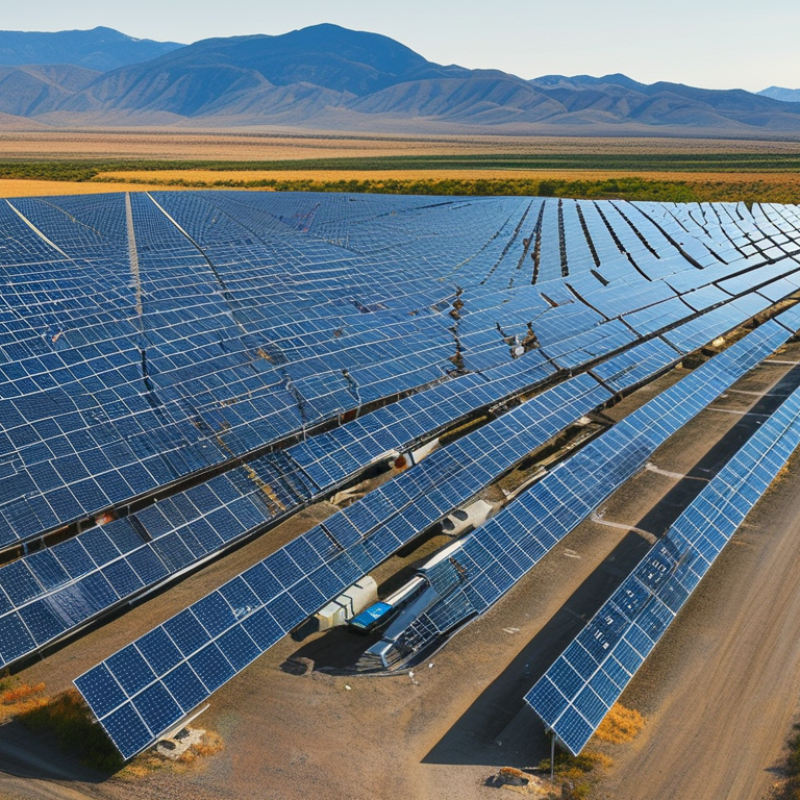
Energy storage systems play a crucial role in optimizing power usage. They come in various types, each with unique characteristics. Understanding these types helps in selecting the right system for specific needs. For instance, lithium-ion batteries are popular for their efficiency and compact size. They are widely used in residential and commercial applications. Pumped hydro storage, on the other hand, is ideal for large-scale energy needs but requires significant infrastructure.
Tips for choosing an energy storage system: Consider your power usage patterns. Understand how much energy you consume daily. This information guides you in selecting a system with the right capacity.
Flow batteries offer a long lifespan, making them suitable for applications where longevity is essential. However, they may not be as efficient as lithium-ion systems in some cases. Always evaluate the trade-offs.
Keep in mind that maintenance is key. Regular check-ups can extend the life of your energy storage system. Neglecting maintenance might lead to unexpected failures. Ultimately, balancing cost, efficiency, and longevity is critical when making your choice.
The lifespan of energy storage systems is influenced by several key factors. One primary factor is the cycling frequency. More cycles lead to quicker degradation of battery materials. According to a report by the International Renewable Energy Agency, lithium-ion batteries can retain 80% of their capacity after about 2,000 cycles. However, heavy usage could reduce this lifespan significantly.
Temperature plays a crucial role as well. High ambient temperatures can accelerate chemical reactions within the battery, leading to faster wear. Studies suggest that operating batteries in temperatures exceeding 35°C can cut their lifespan by half. Additionally, the depth of discharge impacts longevity. Regularly discharging a battery to its full capacity can shorten lifespan, with most manufacturers recommending a 20-80% discharge range for optimal performance.
Incompatibility between energy storage technologies and their applications can also affect durability. For example, using a battery designed for low-drain purposes in a high-drain situation may result in failures. This mismatch often leads to unexpected costs and early replacements. Reflecting on these factors can help in choosing the right energy storage solutions to maximize longevity and performance.
Energy storage systems play a vital role in modern energy management. Their lifespan varies significantly depending on the technology used. Lithium-ion batteries, for example, typically last between 10 to 15 years. In contrast, lead-acid batteries might only offer around 3 to 5 years of reliable service. This variation highlights why careful selection is crucial for effective energy storage.
Different systems have different maintenance needs. Lithium-ion requires less frequent monitoring compared to lead-acid options. However, this doesn't mean lithium-ion is perfect. It can degrade faster under high temperatures. On the other hand, while lead-acid systems are cheaper upfront, their shorter lifespan may lead to high replacement costs over time.
Understanding these differences is essential for a well-rounded energy strategy. In some instances, the initial investment in a longer-lasting system pays off. Yet, the rapid advancements in technology might render certain systems obsolete sooner than expected. Balancing immediate needs against long-term goals is a constant challenge in energy storage management.
| Energy Storage System Type | Typical Lifespan (Years) | Cycle Durability (Cycles) | Maintenance Needs |
|---|---|---|---|
| Lithium-ion Batteries | 10-15 | 2000-5000 | Low |
| Lead-acid Batteries | 3-5 | 500-1500 | Moderate |
| Flow Batteries | 10-20 | 5000-7000 | Low |
| Supercapacitors | 10-15 | 500,000+ | Very Low |
| Compressed Air Energy Storage | 20-30 | >5000 | Moderate |
Energy storage systems (ESS) play a vital role in optimizing energy use and increasing grid stability. To ensure they operate efficiently over their lifespan, regular maintenance practices are crucial. According to the International Renewable Energy Agency (IRENA), proper maintenance can extend the life of these systems by 20-30%. This statistic underscores the importance of proactive care.
Monitoring battery health is essential. Simple practices, like checking temperature and humidity levels, can prevent degradation. A study from the National Renewable Energy Laboratory (NREL) highlights that keeping batteries within the recommended temperature range reduces aging. Additionally, cleaning connections and terminals can mitigate resistance and improve performance. However, maintenance might require specialized skills, and relying solely on intuition is risky.
Battery cycling, or charging and discharging patterns, significantly impacts longevity. Many operators underestimate the effects of deep cycling. Instead of frequently draining batteries completely, partial cycling is often recommended. This approach can lead to better performance and longevity. Awareness of these details can help operators avoid common pitfalls in managing their systems. Practicing consistent maintenance and monitoring can yield significant benefits.
Energy storage systems are evolving rapidly. The durability and performance of these systems are critical for their long-term viability. Recent studies highlight that lithium-ion batteries, a common choice for energy storage, can last between 10 to 15 years under optimal conditions. However, factors like temperature fluctuations and charging cycles significantly impact their lifespan.
Future trends indicate a shift towards solid-state batteries, which promise greater longevity and efficiency. These batteries can potentially surpass existing technologies, with lifespans of 20 years or more. Innovations in materials may improve thermal stability and increase energy density, making these systems even more reliable. However, some challenges remain. The cost and scalability of solid-state technology are still under review.
Tips for Users: Monitor the temperature of your energy storage systems. Extreme heat or cold can drastically reduce their lifespan. Regular maintenance is crucial; keep an eye on charging cycles. Understanding your usage patterns can also enhance performance. Regular assessments can help identify any inefficiencies in the system, allowing for timely upgrades or replacements.
: Energy storage systems optimize power usage and come in various types with unique characteristics.
Analyze your power usage patterns to determine the necessary energy capacity for your system.
Temperature fluctuations can significantly impact the lifespan of batteries like lithium-ion.
Lithium-ion batteries can last between 10 to 15 years under optimal conditions.
Solid-state batteries are emerging, promising greater efficiency and durability, with lifespans of 20 years or more.
Regular maintenance is crucial. Neglect may lead to unexpected failures and reduced performance.
Flow batteries offer longevity but may lack the efficiency of lithium-ion batteries in some applications.
The cost and scalability of solid-state technology are still under review and present challenges.
Monitor temperature and charging cycles. Regular assessments can improve efficiency and guide timely upgrades.
Ignoring maintenance can lead to reduced lifespan and unexpected system failures, ultimately costing more.
The article "How Long Do Energy Storage Systems Last for Optimal Use?" explores the various types of energy storage systems, providing a comprehensive overview of their functionalities and applications. It delves into the key factors that influence the lifespan of these technologies, such as usage patterns, environmental conditions, and maintenance practices. Typical lifespan data for common energy storage systems is presented, highlighting the average duration each type can effectively perform.
Furthermore, the article emphasizes maintenance practices that can help extend the longevity of energy storage systems, ensuring they provide reliable performance over time. As the energy landscape evolves, the article also discusses future trends in the durability and performance of these systems, addressing the essential question of how long do energy storage systems last and what innovations may influence their lifespan in the coming years.
