In today's energy landscape, the demand for reliable power is growing. Grid stability is essential for both consumers and industries. One crucial element is energy storage. But how does energy storage improve grid stability? This technology offers multiple benefits to manage electricity supply.
Energy storage solutions can store excess energy during low demand periods. They release this stored energy when demand peaks. This balancing act minimizes the risk of blackouts. Moreover, storage systems can provide backup power during outages. Their rapid response times enhance the overall resilience of the grid.
However, integrating energy storage is not without challenges. Technical issues and financial barriers can arise. Also, the technology must evolve to ensure widespread implementation. Thus, ongoing research and innovation are vital. The journey to ensure grid stability is complex, yet energy storage plays a pivotal role. As we explore ten ways it enhances reliability, we can see its transformative potential.
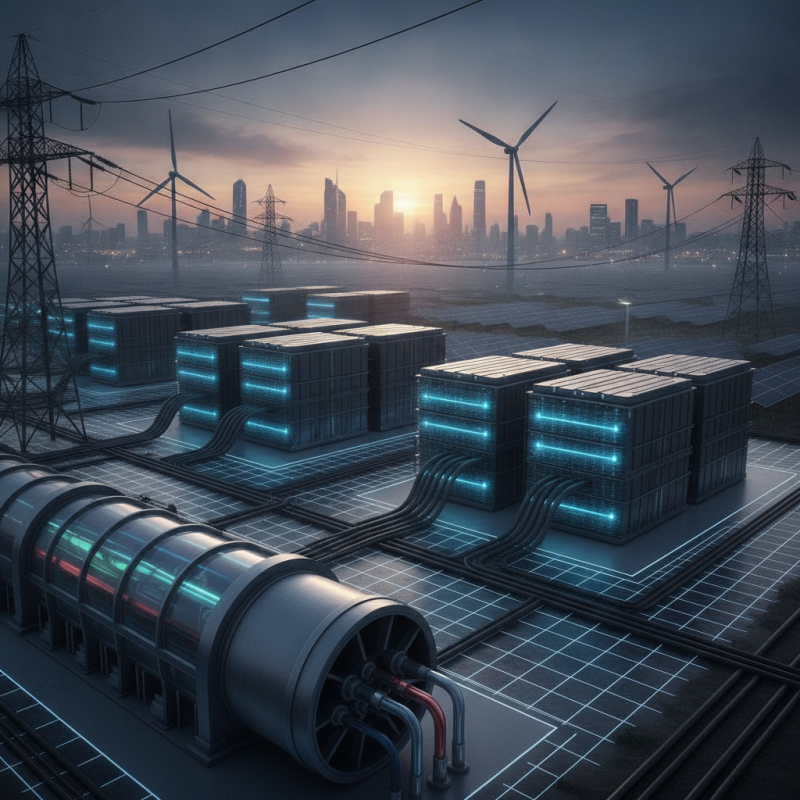
Role of Energy Storage in Balancing Supply and Demand
Energy storage plays a crucial role in balancing supply and demand within the electricity grid. By capturing excess energy generated during low-demand periods, it prevents waste and enhances overall efficiency. For instance, when renewable sources like wind and solar produce more energy than needed, batteries can store this surplus. Later, this stored energy helps meet spikes in demand, thus ensuring a stable supply.
The integration of different energy storage technologies improves grid reliability. Pumped hydro storage and lithium-ion batteries are examples that provide immediate response during peak usage times. However, these solutions come with challenges. Battery life can degrade with frequent cycling, and environmental impacts from large installations need careful consideration. It’s essential to analyze these factors while pursuing energy storage projects.
Effective energy management depends on real-time data and analytics. Monitoring consumption patterns allows operators to predict demand surges and adjust storage in tandem. Collaboration between energy providers and consumers can lead to innovative strategies in energy use. Balancing supply and demand is not just about technology; it involves understanding human behavior and commitment to sustainability.
Mitigating Intermittency of Renewable Energy Sources
The intermittent nature of renewable energy sources like solar and wind can pose significant challenges for grid stability. Energy storage systems provide a crucial solution to this issue. By capturing excess energy during peak production times, these systems can release stored energy during periods of low generation. This flexibility allows for a smoother and more reliable energy supply.
Despite the benefits, integrating energy storage into the grid is not without challenges. Location, technology, and costs can complicate deployment. Energy storage systems also require proper management to ensure efficiency and longevity. Issues like degradation over time can reduce their effectiveness, requiring constant innovation and investment.
The shift toward renewable energy hinges on overcoming these challenges. Optimizing energy storage solutions will be key to achieving greater grid reliability. Data-driven approaches can reveal patterns in energy consumption and generation. Improved forecasting tools may enhance how we harness renewable resources. However, ongoing discussions about policy and infrastructure are essential for building a robust energy future.
Boosting Resilience During Peak Load Events
Energy storage systems play a critical role in enhancing grid stability, especially during peak load events. When electricity demand surges, the grid faces significant strain. Energy storage can mitigate this pressure by providing power when it is most needed. For instance, during hot summer days, air conditioning usage spikes. Storage solutions can deliver extra energy, preventing outages.
However, these systems are not always flawless. They require effective management to ensure reliability. Operators must balance storage and generation. Poorly managed systems can fail. Surveillance and advanced analytics are essential. Predicting demand accurately is challenging, especially in rapidly changing environments.
Moreover, the integration of renewable energy sources is vital. As wind and solar power become more prevalent, energy storage systems help smooth out their variability. This transition is necessary but not without hurdles. The infrastructure may not be ready for a full-scale rollout. Flaws in the grid can still pose risks, necessitating constant improvement. Regular assessments ensure that resilience during peak events is not just a goal, but a reality.
Enhancing Frequency Regulation and Voltage Control
Energy storage systems play a crucial role in enhancing grid stability and reliability. They improve frequency regulation by quickly responding to fluctuations in demand and generation. For instance, according to the U.S. Department of Energy, energy storage can provide frequency response services, mitigating instability in the grid during sudden changes in load or generation. This capability is vital, as a frequency deviation can lead to significant outages.
Voltage control is another critical aspect. Energy storage systems help maintain voltage levels within acceptable boundaries. When generators produce excess energy, storage systems absorb it, relieving stress on the grid. Conversely, they can inject stored energy when demand surges. A report by the Electric Power Research Institute indicates that battery energy storage can enhance voltage stability by up to 30%. This capability not only prevents blackouts but also supports renewable integration, creating a more robust and flexible grid.
Despite these advantages, challenges persist. Not all energy storage technologies address frequency and voltage regulation equally, and their effectiveness can vary based on location and grid conditions. Additionally, the initial investment and ongoing operational costs may limit widespread adoption. As the energy landscape evolves, it is essential to continuously assess these technologies’ performance and adaptability to ensure long-term grid reliability and sustainability.
10 Ways Energy Storage Enhances Grid Stability and Reliability
This chart illustrates the impact of energy storage technologies on key aspects of grid stability and reliability, demonstrating their effectiveness in enhancing frequency regulation and voltage control.
Facilitating Energy Trading and Economic Benefits
Energy storage systems play a crucial role in the modern grid, enabling efficient energy trading and delivering economic benefits. According to the International Energy Agency, energy storage could reduce electricity costs by 20 to 30 percent by 2040. This reduction arises from optimized energy use, allowing utilities to buy electricity at lower prices during off-peak hours and sell during peak demand times.
Energy storage facilitates the integration of renewable sources like wind and solar. Instead of wasting excess energy generated during high production times, storage systems retain this energy for later use. The U.S. Department of Energy estimates that with storage in place, the grid could rely on renewables for 50 percent or more of its total energy generation by 2030.
Tips: For energy traders, understanding local energy markets can optimize trading strategies. By capitalizing on price fluctuations, they can enhance profitability. Moreover, operators should consider the lifecycle of storage technologies, as maintenance costs can influence long-term financial viability.
Implementing energy storage solutions also requires evaluation. Not all technologies will suit every region, given varying demand patterns and economic conditions. Engaging with experts and examining regional case studies might reveal gaps or unforeseen challenges. Leveraging collective insights can pave the way for more robust trading strategies and resilience in energy markets.
FAQS
: Energy storage systems enhance grid stability by quickly responding to fluctuations in demand and generation, reducing outages.
They maintain voltage levels by absorbing excess energy and injecting stored energy during high demand periods.
Yes, they store excess renewable energy for later use, allowing a higher reliance on renewables in energy generation.
They can reduce electricity costs by 20 to 30 percent by optimizing energy use during off-peak and peak hours.
No, their effectiveness varies based on location and specific grid conditions, highlighting the need for careful evaluation.
Initial investments and ongoing operational costs may limit adoption. Not all regions will suit every technology adequately.
By understanding local energy markets and capitalizing on price fluctuations, traders can enhance their profitability.
Yes, maintenance costs significantly influence long-term financial viability, requiring careful consideration during implementation.
Demand patterns, economic conditions, and regional case studies are essential for understanding potential gaps or challenges.
Engaging with experts and sharing collective insights can inform better trading strategies and strengthen market resilience.
Conclusion
Energy storage plays a crucial role in enhancing grid stability and reliability by balancing supply and demand. It helps mitigate the intermittency of renewable energy sources such as solar and wind, ensuring a consistent power flow despite fluctuations in generation. During peak load events, energy storage systems boost resilience by providing additional power, which helps prevent outages and maintain service quality.
Moreover, how does energy storage improve grid stability? By enabling enhanced frequency regulation and voltage control, energy storage systems respond swiftly to changes in grid conditions, maintaining the integrity of the electrical system. Additionally, they facilitate energy trading, allowing for economic benefits by storing energy when it is cheap and releasing it when prices are higher. Overall, energy storage is indispensable for creating a more stable, reliable, and flexible grid.

 Symbion Energy