The transition to renewable energy sources like solar and wind is essential for sustainable development. However, these sources are inherently intermittent. As a result, there is a growing need for energy storage solutions. According to a report by the International Renewable Energy Agency (IRENA), global energy storage capacity must increase significantly to meet the surging demand for renewable electricity. This raises an important question: why is energy storage important for renewable energy?
Energy storage technologies can bridge the gap between energy supply and demand. Without effective storage, excess energy generated during peak production times goes to waste. Experts like Dr. Jane Goodall, a renowned environmental scientist, emphasize this necessity: "Energy storage is not just a choice; it's a requirement for the future we want." Her insights highlight the urgency of tackling energy storage challenges.
The market is responding. The global energy storage market is expected to reach $1 trillion by 2030. Yet, hurdles remain. Infrastructure, costs, and technology limitations pose challenges. Addressing these issues is crucial for renewables to thrive fully. As we push for cleaner energy systems, it becomes evident that energy storage will play a pivotal role in this evolution.
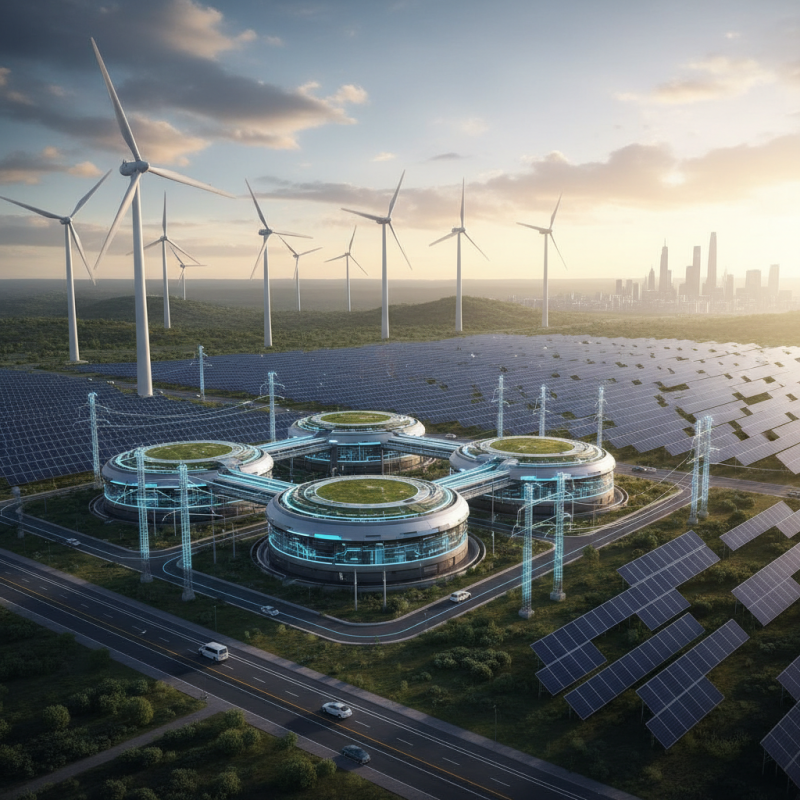
The global energy landscape is rapidly shifting. Renewable energy sources, such as
solar and wind,
play a pivotal role in this change. Their contributions can reduce greenhouse gas emissions
and dependence on fossil fuels. However, these energy sources are not always reliable. The
sun doesn’t always shine, and the wind doesn’t always blow. This inconsistency creates
challenges for energy supply.
Energy storage systems can address these challenges. They store excess energy produced
during peak production times. This stored energy can be released when renewable sources
are not generating power. Technologies like batteries and
pumped hydro storage are pivotal.
They enhance the stability of energy systems and ensure a consistent energy supply. The
growth of renewables hinges on the ability to store energy effectively.
Despite the clear benefits, energy storage is still evolving. The costs associated with
advanced storage technologies can be high. Some regions lack the infrastructure to support
large-scale storage. Ongoing research is essential to improve efficiency and reduce costs.
The dedication to developing energy storage solutions is crucial for a sustainable future.
As we transition to a greener world, we must face these obstacles head-on.
Energy storage plays a pivotal role in the growth of renewable energy. It allows us to harness intermittent sources like wind and solar more effectively. Without efficient storage solutions, these renewable sources can't meet energy demands consistently. According to a report by BloombergNEF, the global energy storage market is expected to exceed 1,000 gigawatt-hours by 2030. This growth underscores the increasing recognition of energy storage's importance.
Understanding energy storage means recognizing its types and functions. Battery storage, for example, can store excess energy produced during peak production times. This energy can then be released when production dips or demand spikes. Energy storage systems can alleviate pressure on the electrical grid during peak hours. However, challenges remain, including the environmental impact of battery production and disposal. The renewable energy sector needs to address these issues for a sustainable future.
Furthermore, energy storage contributes to grid stability. It allows utilities to manage supply and demand effectively. However, the infrastructure to support widespread energy storage is still developing. The transition requires significant investment and innovation. There are gaps in technology that need bridging. This will ensure that energy storage fulfills its potential in supporting renewable energy growth.
Renewable energy sources like solar and wind are critical for a sustainable future. However, they face a significant challenge: intermittency. Solar panels generate power only during the day, while wind energy fluctuates based on weather conditions. This unpredictability can create gaps in energy supply. Without a reliable storage solution, these gaps lead to wasted energy and unreliable power for consumers.
Energy storage systems can bridge these gaps. By storing excess energy during peak production times, they provide power during low generation periods. Advanced battery technologies are evolving to take on this role. Yet, the technology is not perfect. High costs and limited lifespan are hurdles to widespread adoption. More research is necessary to improve efficiency and affordability.
The integration of energy storage with renewable sources is more than just a technical necessity. It represents a shift in our approach to energy management. Stakeholders need to consider the environmental impact of storage materials. The impact of rare minerals on ecosystems cannot be ignored. As we embrace renewable energy, balancing growth with environmental stewardship is vital.
Energy storage solutions play a pivotal role in enhancing the efficiency of renewable energy systems. According to a report by the International Energy Agency, energy storage capacity is expected to grow by over 30% annually through 2025. This growth is crucial as renewable energy sources like wind and solar are intermittent. Without adequate storage, excess energy generated during peak production times can go wasted.
Batteries and other storage technologies ensure that energy generated during sunny or windy days is available during periods of low production. This balance optimizes the use of renewable sources. For example, a study from the American Energy Society highlighted that integrating effective storage solutions could increase renewable energy usage by up to 82%. Such improvements directly contribute to grid reliability and lower overall energy costs.
Despite these advances, challenges remain. The current costs of storage technologies and their environmental impacts need further exploration. Reports indicate that while prices for lithium-ion batteries have fallen significantly, they still represent a considerable investment for many utilities. Future efforts must focus on developing more sustainable and cost-effective storage solutions to fully harness the potential of renewable energy.
Energy storage technology plays a vital role in the integration of renewable energy sources. It addresses the intermittent nature of solar and wind power. According to a report by the International Renewable Energy Agency (IRENA), global energy storage capacity could reach 1000 gigawatts (GW) by 2030. This shift could increase the stability of energy grids significantly.
Emerging technologies focus on enhancing the efficiency of energy storage systems. Lithium-ion batteries currently dominate the market due to their high energy density. However, new, scalable solutions, like flow batteries and solid-state batteries, are gaining attention. These alternatives show promise in terms of safety and longevity. The U.S. Department of Energy anticipates that solid-state technology could cut costs by 30% by 2025.
Yet, challenges persist. Resource scarcity for battery materials raises concerns about supply chain sustainability. Moreover, recycling end-of-life batteries remains a significant hurdle. As we push for increased usage of energy storage, addressing these gaps will be crucial for a successful transition to a renewable-powered future. Strong investments and innovative solutions are needed to tackle these issues effectively.
| Energy Storage Technology | Storage Capacity (MWh) | Round-Trip Efficiency (%) | Typical Lifespan (Years) | Current Cost ($/kWh) |
|---|---|---|---|---|
| Lithium-ion Batteries | 100 | 85-95 | 10 | 150-200 |
| Flow Batteries | 400 | 70-85 | 20 | 300-500 |
| Sodium-Sulfur Batteries | 200 | 75-80 | 15 | 250-400 |
| Compressed Air Energy Storage | 500 | 70-80 | 30 | 200-300 |
| Pumped Hydro Storage | 1000 | 70-90 | 40 | 50-100 |
: A key challenge is intermittency. Solar energy is only available during the day. Wind energy varies with weather.
Energy storage systems can store excess energy during peak times. They provide energy when generation is low.
New technologies like flow batteries and solid-state batteries are emerging. They offer better safety and longer lifespans.
Lithium-ion batteries have high energy density. They dominate the market but face challenges like resource scarcity.
Resource scarcity raises issues about sustainability. The environmental impact of mining for these materials must be considered.
Recycling end-of-life batteries is a major challenge. Addressing this will be crucial for sustainability in energy storage.
It could reach 1000 gigawatts (GW) according to reports. This may greatly stabilize energy grids globally.
More research is needed to improve efficiency and affordability. Current technologies have limitations that must be addressed.
It represents a shift in how we manage energy. Balance between growth and environmental responsibility is essential.
The influence of storage materials on ecosystems cannot be ignored. We must ensure sustainable practices as we grow.
Energy storage plays a pivotal role in the growth of renewable energy, addressing the challenges posed by the intermittency of sources like solar and wind. As the global energy landscape shifts towards more sustainable practices, understanding why energy storage is important for renewable energy becomes crucial. It not only enhances the efficiency of renewable energy systems by ensuring a stable power supply but also helps in balancing supply and demand.
Moreover, advancements in energy storage technologies are set to shape the future of renewables, providing solutions that allow for greater flexibility and reliability. As these technologies evolve, they will likely play a central role in overcoming existing barriers and driving the widespread adoption of renewable energy, ultimately contributing to a more sustainable global energy framework.
