Before diving into energy storage, businesses must consider key factors. Understanding what should businesses know before installing energy storage is essential for a successful transition. With the growing demand for renewable energy, effective storage solutions can enhance reliability and efficiency. However, companies often overlook critical aspects like costs, technology, and operational impact.
Many businesses assume installation is straightforward, but challenges exist. They may encounter technical limitations or integration issues with existing systems. Not every solution fits all. Each company's energy needs are unique, requiring tailored strategies. Additionally, businesses should analyze the financial implications. Initial costs might be high, but long-term savings can be significant.
It's also vital to assess regulatory aspects. Policies regarding energy storage vary significantly across regions. Businesses must stay informed and adapt to local regulations. Ignoring these factors could lead to unexpected hurdles. In summary, a well-rounded understanding of energy storage is crucial for any business considering this investment. Keeping these insights in mind can pave the way for a smoother, more effective installation process.
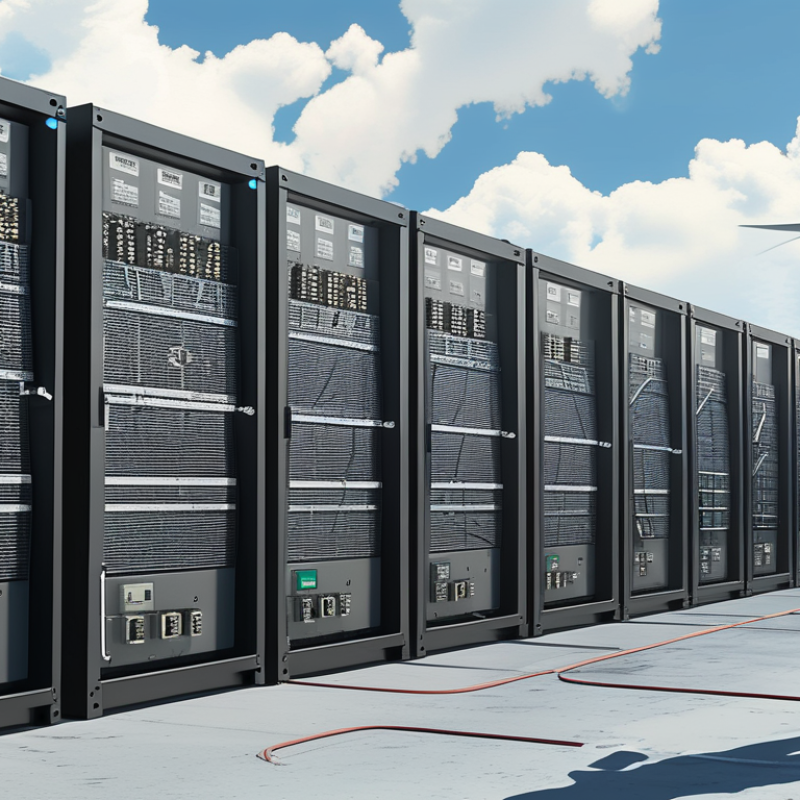
Understanding Energy Storage Systems and Their Benefits for Businesses
Energy storage systems are transforming how businesses manage their power needs. These systems store energy generated during low demand periods and release it when needed. This capability enhances energy efficiency and reduces costs, allowing companies to adapt to fluctuating energy prices.
Installing an energy storage system can help businesses mitigate risks associated with energy supply disruptions. However, evaluating the long-term benefits and initial investments is crucial. Businesses should consider whether storage solutions will truly meet their operational demands. Understanding how these systems interact with existing infrastructure is essential. Additional research may be necessary to determine the best fit for specific applications.
Moreover, while energy storage can offer financial savings, companies should reflect on their energy consumption patterns. Not every business will benefit equally from these systems. Some might find that the costs outweigh the benefits. Addressing these doubts may lead to more informed decisions and better outcomes in energy management.
Evaluating the Different Types of Energy Storage Technologies Available
When considering energy storage solutions, businesses face a variety of options. Each type of technology comes with distinct advantages and potential drawbacks. Lithium-ion batteries are popular due to their high efficiency and energy density. However, they also have limitations. Degradation over time and concerns about resource sourcing can impact long-term reliability.
Another option is flow batteries. These systems offer scalability and can be cycled many times without significant performance losses. They can also handle larger energy capacities, making them suitable for commercial applications. But, their higher initial costs can be a barrier for some businesses. Understanding these trade-offs is essential.
Compressed air energy storage (CAES) is another technology gaining traction. It uses underground caverns to store energy as compressed air, which can be released when needed. While CAES can provide substantial energy storage, the technology requires specific geographical conditions. Many sites may not be suitable, limiting its widespread use. Evaluating these factors is crucial for any business considering energy storage.
Assessing Energy Needs and Usage Patterns Before Installation
Before installing energy storage systems, businesses must assess their energy needs thoroughly. Understanding usage patterns is crucial for effective energy management. According to a report by the International Energy Agency, energy consumption in commercial sectors is expected to rise by 25% by 2030. This increase necessitates a strategic approach to energy storage.
Analyzing peak usage times helps identify when energy demands are highest. Many businesses experience spikes during operational hours. Understanding these patterns allows for efficient storage deployment. A 2022 study from the National Renewable Energy Laboratory highlights that systems optimized for peak usage can reduce energy costs by 15-30%. Tailoring energy storage solutions may not only enhance efficiency but improve return on investment too.
However, not all energy storage solutions fit every business model. Some may find the initial costs daunting. There can be uncertainties related to technology selection and scalability. Regular evaluations of energy needs can mitigate these risks. It’s essential to balance initial investment with long-term savings, ensuring the chosen system truly meets evolving energy demands. Reflection on these factors can lead to better strategic decisions.
Top Things Businesses Should Know Before Installing Energy Storage
| Energy Storage Type |
Capacity (kWh) |
Expected Lifespan (Years) |
Initial Cost (USD) |
Return on Investment (%) |
| Lithium-ion Batteries |
100 |
10 |
15,000 |
20% |
| Lead-acid Batteries |
80 |
5 |
8,000 |
10% |
| Flow Batteries |
200 |
15 |
30,000 |
25% |
| Nickel Cadmium Batteries |
120 |
10 |
20,000 |
15% |
Financial Considerations: Costs, Incentives, and ROI for Energy Storage
When considering energy storage, financial factors play a crucial role. Understanding the costs involved is vital for businesses. Initial investment can be high, but long-term benefits often outweigh these expenses. Companies should carefully assess their energy needs. This will help in determining the right size and type of storage system.
Incentives can significantly reduce upfront costs. Many governments offer tax credits and rebates for energy storage installations. Research available incentives in your area. This can make energy storage more appealing. Moreover, analyze the potential return on investment (ROI). Calculate savings achieved through reduced energy costs. These numbers help in making informed decisions.
Tip: Create a financial model to project costs and savings over time. This can help visualize the investment's impact. Engage with financial advisors. They can provide insights into effective budgeting for energy storage solutions. Lastly, consider the operational benefits. Storage can enhance reliability, which supports business continuity.
Navigating Regulations and Compliance Standards in Energy Storage Implementation
When considering energy storage implementation, understanding regulations is crucial. Compliance with local, state, and federal standards is essential. Energy storage systems can vary significantly, and each may have differing regulations. According to a report by the International Energy Agency (IEA), over 55 countries have established supportive policies for energy storage. However, navigating these effectively can be complex.
Local permitting processes often take longer than anticipated. Some projects face delays due to unclear regulations or lack of documentation. In 2021, the U.S. Energy Information Administration noted that nearly 40% of energy storage projects experienced compliance challenges. This highlights a need for thorough preparation. Identifying regulatory requirements early helps avoid setbacks.
It's also important to consider environmental assessments. Many regions require detailed studies to evaluate impacts. A report by the National Renewable Energy Laboratory found that 70% of energy storage installations faced environmental review requirements. This can lead to both delays and unexpected costs. Businesses must remain proactive in addressing these regulatory hurdles while planning their energy storage projects.
Conclusion
When considering what should businesses know before installing energy storage, it’s essential to first understand the various energy storage systems available and their benefits. Businesses must evaluate different types of technologies, such as batteries and flywheels, to determine which aligns best with their energy needs and usage patterns. Before installation, assessing energy requirements is crucial to ensure that the selected system meets operational demands effectively.
Furthermore, financial considerations play a significant role, as businesses should carefully analyze costs, available incentives, and the potential return on investment (ROI) related to energy storage. Lastly, navigating the regulatory landscape and compliance standards is vital to ensure successful implementation. By taking these factors into account, businesses can make informed decisions regarding their energy storage investments, maximizing efficiency and cost-effectiveness.

 Symbion Energy