Energy storage systems play a pivotal role in modern energy management. As renewable energy sources grow, optimizing their efficiency becomes essential. Many seek ways to enhance performance and reliability. Knowing how to optimize energy storage system efficiency is crucial for individuals and businesses alike.
Numerous factors influence the effectiveness of energy storage solutions. From selecting the right technology to implementing smart controls, every decision counts. Yet, many overlook simple strategies that can yield significant improvements. For instance, inadequate monitoring can lead to performance losses. Continuous evaluation and adjustment are necessary to achieve optimal results.
Understanding the various methods to boost efficiency is key. Industry experts recommend regular maintenance and upgrades. However, the implementation process can be challenging. Reflecting on past mistakes can provide valuable lessons. Embracing innovative approaches will ultimately lead to more effective energy storage systems.
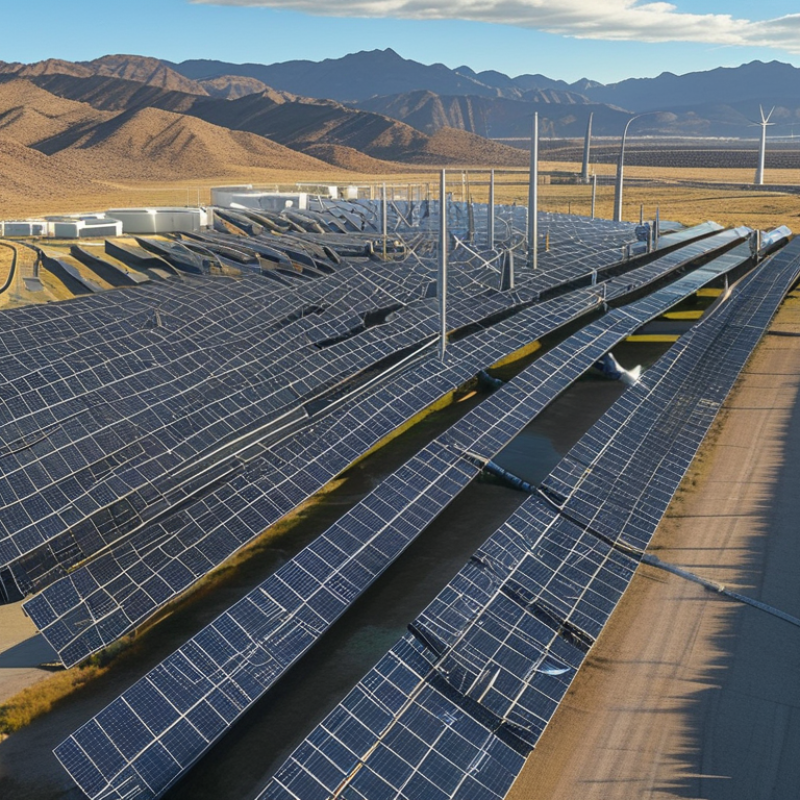
Energy storage systems (ESS) play a crucial role in today’s energy landscape. They help balance supply and demand, integrating renewable sources effectively. Understanding their efficiency is vital for optimizing performance.
When evaluating efficiency, consider various factors. These include charge and discharge cycles, thermal management, and depth of discharge. Each element affects overall usability. For instance, poor thermal regulation can lead to energy losses. Many systems struggle with maintaining optimal temperatures, impacting efficiency and lifespan.
Testing and refining these systems reveal flaws. Some designs may not adequately support high cycling demands. Users should focus on improving design aspects, even under real-world conditions. Continuous assessment helps identify areas for enhancement, ensuring better performance in diverse applications.
Energy storage systems are crucial for ensuring efficient energy management. Several key factors influence their performance significantly. One major factor is the technology used. Different storage solutions, such as lithium-ion batteries, flow batteries, and supercapacitors, have varying efficiencies. Each type exhibits unique charging and discharging capabilities. Understanding these technologies helps in selecting the appropriate system for specific applications.
Another important aspect is temperature. Energy storage systems tend to perform best within certain temperature ranges. Extreme heat or cold can affect battery life and efficiency. Implementing thermal management strategies can help maintain optimal operating conditions. Additionally, the cycle life of the storage system plays a vital role. Frequent charging and discharging can wear down equipment, and this longevity must be considered when assessing efficiency.
Furthermore, system integration impacts overall performance. Proper coordination with renewable energy sources maximizes the benefits of energy storage. However, if integration is not done meticulously, it can lead to inefficiencies. Regular monitoring and maintenance are essential to identify areas for improvement. While many technologies promise high efficiency, not all systems perform as expected over time. Therefore, continuous assessment and adjustments become necessary for optimal functionality.
Enhancing charge and discharge cycle efficiency is crucial for optimal energy storage systems. One effective strategy is to implement precise temperature control. Batteries operate best within specific temperature ranges. Too hot or too cold can reduce efficiency significantly. Monitoring and adjusting temperature can lead to improved charge retention.
Another approach focuses on smart charging techniques. Using algorithms to adjust charging rates can prevent overcharging. This not only extends battery life but also maximizes energy storage. Additionally, integrating renewable energy sources can provide a consistent charging flow, ensuring cycles operate smoothly.
Regular maintenance is vital as well. Inspections can reveal potential issues early. Battery performance may deteriorate without proper care. Effective maintenance practices can optimize both charge and discharge efficiency. Adopting a systematic approach encourages ongoing evaluation, which can lead to greater overall effectiveness in energy storage systems.
Innovative technologies play a critical role in enhancing energy storage system efficiency. As energy demands surge, optimizing these systems has become a pressing necessity. Reports indicate that improved battery management systems can increase efficiency by up to 15%. These systems monitor charge cycles, temperature, and other crucial factors, ensuring optimal performance.
Advancements like solid-state batteries are revolutionizing the industry. They offer higher energy densities and improved safety compared to conventional batteries. A recent study shows that solid-state batteries can deliver up to 40% more energy. However, challenges remain, such as production costs and scalability. Companies must navigate these hurdles to fully exploit the potential of this technology.
Another promising area is the integration of AI and machine learning in energy management. These technologies analyze consumption data in real-time. They help in predicting energy needs, reducing waste. For instance, predictive algorithms can optimize charging times, shifting energy use to off-peak hours. The combination of these cutting-edge technologies could reshape energy storage systems, but the transition requires careful planning and adaptation. The industry must balance innovation with practical implementation.
| Optimization Method | Description | Potential Efficiency Improvement (%) | Current Adoption Level (%) |
|---|---|---|---|
| Battery Management System (BMS) | Utilizing advanced algorithms for real-time monitoring and management. | 15 | 75 |
| Thermal Management | Implementing active cooling systems to prevent overheating. | 20 | 60 |
| Cycle Life Optimization | Adjusting discharge/charge cycles for longevity. | 25 | 50 |
| Hydrogen Storage Integration | Using hydrogen as a secondary storage medium. | 30 | 40 |
| Energy Management Software | AI-driven software to optimize charge/discharge schedules. | 40 | 30 |
| Modular Design | Creating modular systems for ease of scalability. | 15 | 55 |
| Regular Maintenance | Scheduled inspections to reduce downtime and improve performance. | 10 | 70 |
| Recycling Used Components | Implementing recycling strategies for used battery materials. | 20 | 25 |
| Hybrid Systems | Combining multiple energy storage technologies. | 35 | 45 |
| Advanced Materials | Research and development of new materials for better performance. | 50 | 35 |
Monitoring and maintenance are critical for optimizing energy storage system efficiency. Regular assessments can identify inefficiencies early, reducing energy waste. According to a report from the International Renewable Energy Agency (IRENA), systems with consistent monitoring have improved their efficiency by up to 15%. This highlights the importance of real-time data tracking.
Creating a routine maintenance schedule is essential. Check battery health, inspect connections, and clean components regularly. Over time, dust and corrosion can degrade performance. The U.S. Department of Energy states that proper upkeep can extend battery life by 30%.
Tips for better efficiency: Utilize specialized software for monitoring. These programs provide insights into energy consumption patterns. Additionally, train staff on maintenance practices. Knowledgeable personnel can handle minor issues before they escalate. Regular training refreshers can foster a proactive maintenance culture, ensuring a more reliable energy storage system.
: Key factors include technology type, temperature, cycle life, and system integration. Each affects efficiency uniquely.
Temperature impacts battery life and efficiency. Extreme conditions can reduce performance. Maintaining optimal temperatures is crucial.
Proper coordination with renewable sources enhances performance. Poor integration may lead to inefficiencies, requiring regular adjustments.
They improve efficiency, like battery management systems optimizing charge cycles. Some technologies can increase energy storage capacity significantly.
Regular assessments can identify inefficiencies, reducing waste. Consistent monitoring can enhance system efficiency by up to 15%.
Regularly check battery health, connections, and clean components. Cleanliness and inspection prolong battery life and enhance performance.
While they offer higher energy densities, challenges include production costs and scalability, requiring careful navigation by companies.
These technologies analyze consumption data for better predictions. They optimize usage, reducing waste by shifting energy use to off-peak times.
It involves training staff and creating routines for regular checks. Knowledgeable personnel can prevent minor issues from escalating.
Not all systems perform as expected over time. Regular evaluations help maintain optimal functionality and address hidden inefficiencies.
The article "10 Best Ways to Optimize Energy Storage System Efficiency" provides a comprehensive overview of energy storage systems and the essential factors that influence their performance. It begins by elucidating the concept of energy storage systems and their efficiency, emphasizing how pivotal these systems are in modern energy management. The discussion then shifts to key factors affecting their performance, such as temperature, charging rates, and battery chemistry.
Moreover, the article outlines effective strategies for enhancing charge and discharge cycle efficiency, which are crucial for prolonging the lifespan and overall effectiveness of energy storage systems. It also highlights innovative technologies that can further optimize energy storage efficiency, alongside best practices for monitoring and maintenance to ensure sustained system performance. By exploring these elements, the article serves as a valuable guide on how to optimize energy storage system efficiency, ultimately contributing to improved energy management and sustainability.
